
Kareri Lake
Lake near Dharamshala, Himachal Pradesh
1.4 km from Dharamshala
The nearest town, for stays, food and fuel.
Kareri Lake is a high-altitude freshwater lake situated along the southern spurs of the Dhauladhar range in Himachal Pradesh. Fed by melting snow, the shallow lake serves as a popular trekking destination that begins from the quiet village of Kareri near Dharamshala. Travellers and hikers visit to experience sweeping views of rugged alpine ridges, open sub-alpine meadows, and a serene hilltop temple overlooking the water.
Getting there
By road
- From DharamshalaNearest town7 min · 3.4 km
- From Amritsar4 hr 20 min · 203 km
- From Ludhiana4 hr 20 min · 202 km
- From Chandigarh5 hr 15 min · 245 km
Typical drive times without traffic. Stations and airports from OLA Maps; distances and typical drive times from OpenStreetMap (© OpenStreetMap contributors); notes from creators' Reels.
About Kareri Lake
Written with AI from map data and general knowledge. Check prices and timings locally before you go.
Understanding Kareri Lake
Kareri Lake sits in the shadows of the dramatic Dhauladhar mountain chain in Kangra district. Unlike glacial tarns that stay deep throughout the year, Kareri is a relatively shallow body of water formed primarily by melting snow and seasonal runoff. The lake drains into the Nyund stream, a perennial mountain brook that accompanies hikers along a large portion of the approach route.
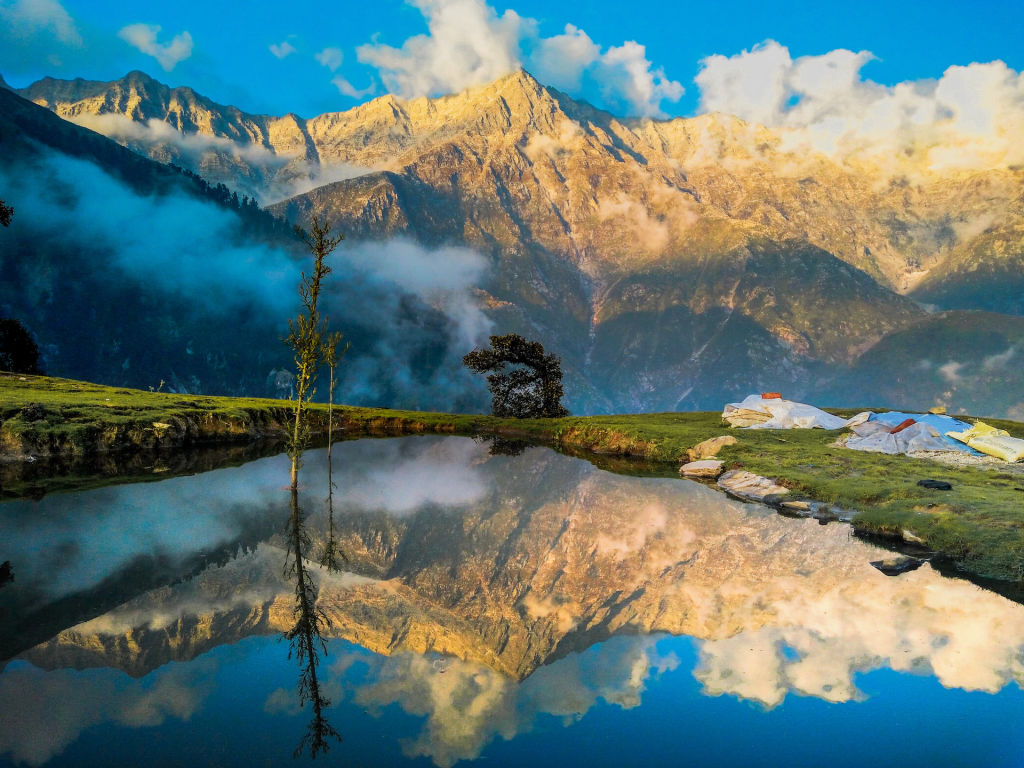
The shoreline consists of flat pastures and boulder-strewn meadows that contrast with the sheer granite crags rising behind the basin. Perched on a mound overlooking the water stands a traditional shrine dedicated to Lord Shiva, which draws local pilgrims from nearby Gaddi communities alongside mountain hikers. Because the lake remains frozen or slush-filled for several months of the year, its waters and surrounding pastures support a fragile ecosystem that comes alive during the warmer months.
The trek to Kareri Lake
Reaching Kareri Lake requires a moderate mountain walk that typically commences from Kareri village or the neighboring hamlet of Ghera. The trail begins through dense stands of subtropical chir pine before climbing gradually into forests filled with ban oak, horse chestnut, and rhododendron trees. As elevation increases, the dense tree cover opens up into sprawling grasslands lined with rocky ridges.
A distinctive feature of the ascent is the route alongside the Nyund stream. Walkers cross the stream over simple wooden or boulder crossings, with several scenic clearings along the bank that serve as natural resting points. The final stretch consists of a steep staircase of rocky steps leading out of the river valley onto the open ridge, from which the expansive basin of the lake suddenly reveals itself.
Read more
Best time to visit Kareri Lake
The accessibility and character of Kareri Lake change significantly across the seasons. Spring, which runs from April to June, is one of the most comfortable periods for hiking. During these months, the snow along the lower approaches recedes, wild flowers and rhododendrons bloom in the woods, and daytime temperatures remain pleasant for walking.
The monsoon period between July and August brings heavy rain to the Kangra region. The trails become slippery, streams swell quickly, and landslides can occur along the approach roads, making this a challenging window for high-altitude trekking.
Autumn, from September through November, offers crisp mountain air, dry footing, and unhindered panoramic views of the clear blue skies above the Dhauladhar range. By December, winter conditions set in, and the lake freezes over. While winter trekkers do venture up to see the snow-covered bowl, the route requires proper cold-weather gear and careful navigation as temperatures drop sharply below freezing.
Things to do at Kareri Lake
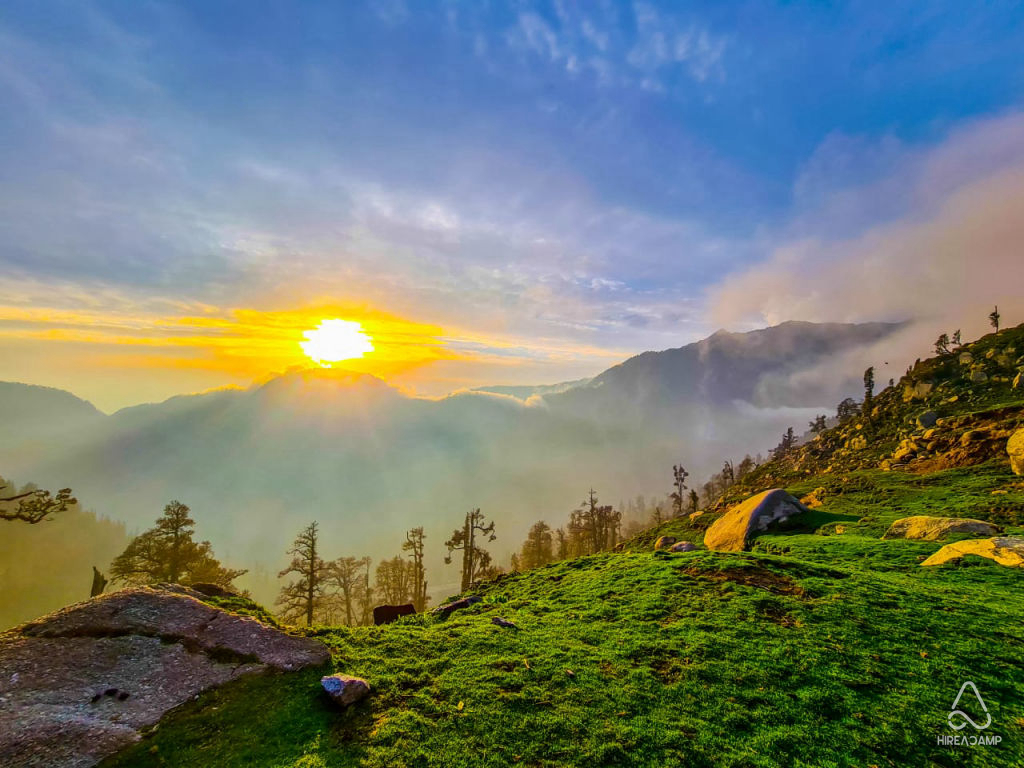
Most travellers visit Kareri Lake to immerse themselves in mountain wilderness away from vehicular noise. Spending a night under the open sky beside the water allows you to witness changing light across the granite faces of the Dhauladhar peaks at dawn and sunset. On clear nights, the lack of light pollution makes the basin an ideal setting for stargazing.
Visitors often walk around the perimeter of the lake and climb up to the Shiva temple to take in a panoramic vantage point of the entire meadow and the river gorge below. The surrounding pastures are also prime territory for observing regional birdlife, including monal pheasants, whistling thrushes, and raptors circling the thermals. For experienced hikers, the lake serves as an acclimatization stop and staging point for longer traverses across high passes such as the Minkiani Pass into Chamba.
How to reach Kareri Lake
Kareri Lake is approached via Dharamshala, which is well connected by road to major northern cities like Chandigarh, Delhi, and Pathankot. The nearest broad-gauge railway station is at Pathankot, while Kangra Airport at Gaggal serves regional flights.
From Dharamshala, travellers can hire local taxis or board regional buses to reach the base settlements of Ghera or Kareri village. The winding mountain roads traverse rural villages and terraced farms before terminating at the roadhead. From the village trailheads, the remaining distance to the lake is covered entirely on foot along established mountain trails. You should verify local road and trail conditions before starting your journey, especially during the shoulder seasons.
Tips for your visit to Kareri Lake
Trekking in the Dhauladhar region demands sensible preparation due to rapid weather shifts. Sturdy, broken-in hiking boots with good grip are essential for the uneven rock staircases and loose scree near the lake. Pack clothing in breathable layers, including a windproof and waterproof outer shell, as temperatures can drop suddenly even during late spring.
Water can be refilled from the clean river sections along the lower route, but carrying a personal filtration method or purification tablets is recommended. Because the lake sits in an ecologically fragile sub-alpine zone with no municipal waste collection, carrying out all non-biodegradable waste is vital to preserving the catchment. Hiring a reliable local guide from Kareri village is advisable for hikers unfamiliar with mountain weather patterns.
Places to visit nearby
A trip to Kareri Lake can easily be combined with exploring the cultural and historic sights of the Kangra valley. A short drive away lies McLeod Ganj, the center of Tibetan culture in the region, known for its monastic compounds, arts, and vibrant mountain street life.
Lower down in the valley stands Kangra Fort, one of the oldest surviving hill forts in India, offering ancient stone architecture and sweeping views over the Banganga and Manjhi rivers. Travellers can also explore the tea plantations of Dharamshala or take easy day walks to nearby waterfalls and heritage villages scattered across the lower hills.
Where to stay around Kareri Lake
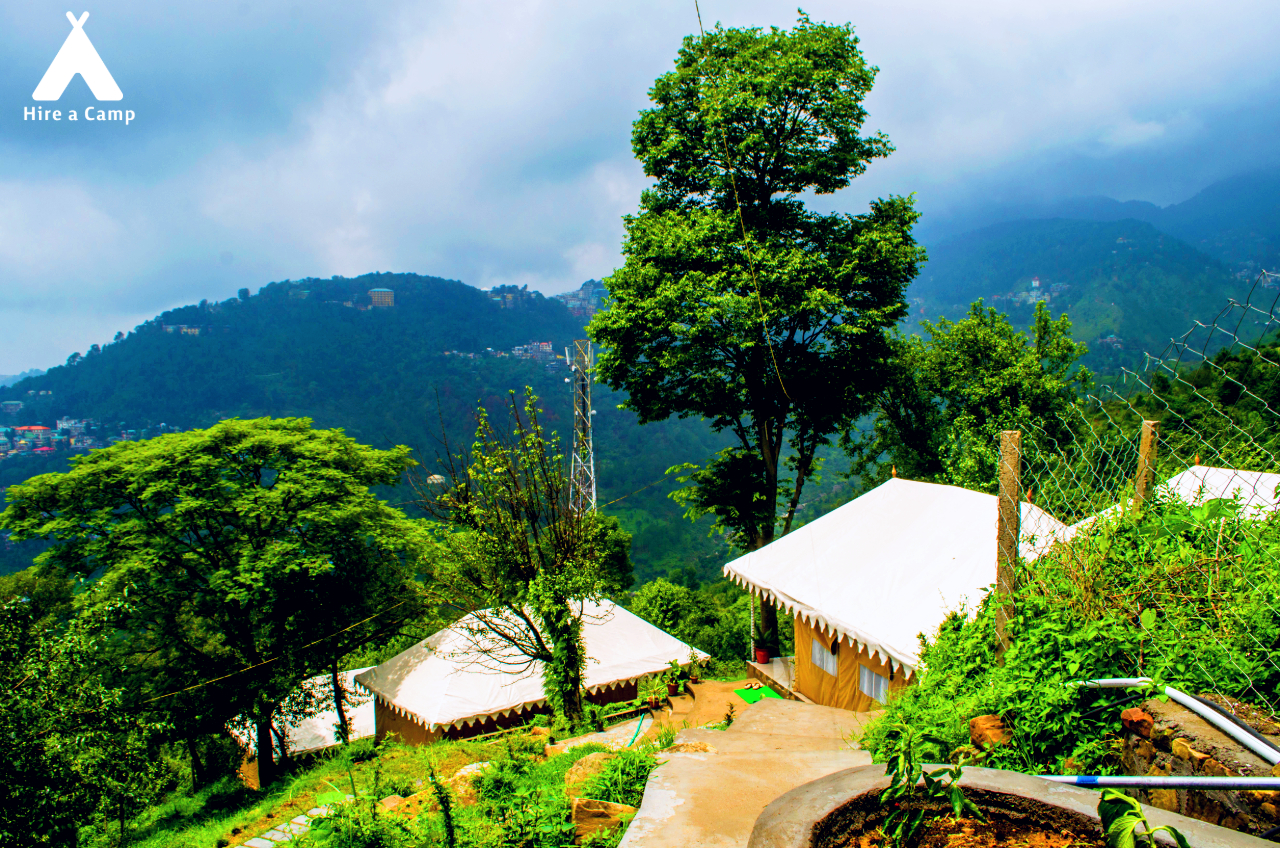
At the lake itself, accommodation is limited to camping outdoors under self-carried or locally hired tents, alongside basic stone shelters that may operate during peak trekking months. It is important to remember that amenities at the lake are primitive and self-contained.
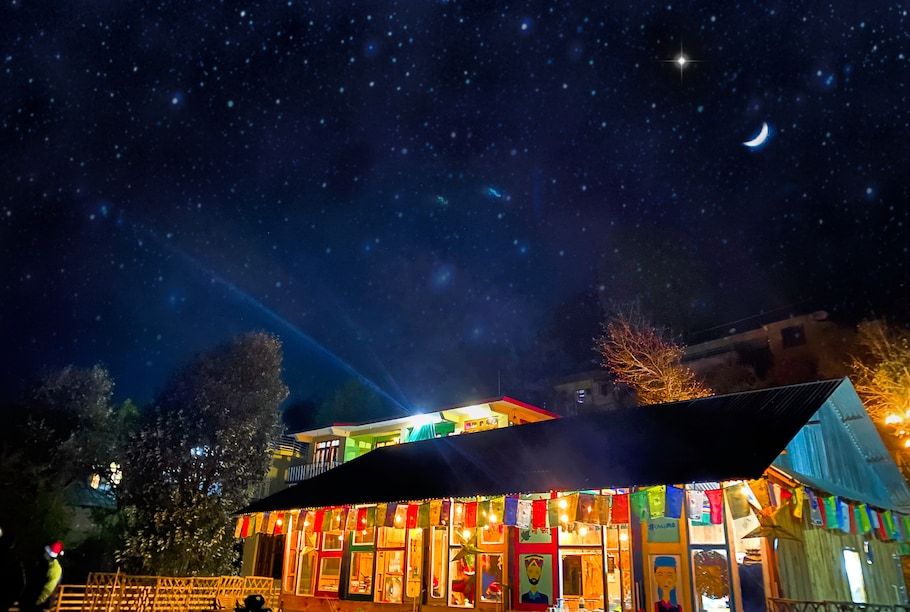
For comfortable homestays, traditional village houses, and tranquil nature retreats, the base hamlets around Kareri village and the wider Dharamshala belt offer varied options. Travellers looking to book verified camps, eco-lodges, and homestays throughout Kangra and surrounding valleys can find suitable options on HireACamp.
Frequently asked questions
How difficult is the trek to Kareri Lake?
The trek to Kareri Lake is considered moderately challenging. It involves sustained climbing over uneven rocky trails and stone steps, which can be completed by beginners with a reasonable baseline of physical fitness.
Can you visit Kareri Lake in a single day?
While fit hikers can make a round trip from the base village to the lake and back in one long day, most people prefer to camp overnight to avoid exhaustion and enjoy the sunset and sunrise.
Does Kareri Lake freeze in winter?
Yes, Kareri Lake typically freezes during the winter months from late December to March, with thick snow blanketing the surrounding basin and ridge lines.
Is drinking water available along the trail?
The Nyund stream runs along much of the lower and middle path, offering flowing freshwater. It is always wise to carry a purification filter, tablets, or boil water before drinking.
Do you need a guide for the Kareri Lake trek?
While the route is generally well-defined during peak seasons, hiring a local guide from Kareri village is recommended for navigating weather changes, securing camp arrangements, and supporting the local community.
Where you'll be
Village-Kareri, Dharamshala · 4 stays nearby shown with prices
Stays near Kareri Lake
Book a place to stay close by
More places near Kareri Lake
Within 20 km


Built from 0 Instagram posts by 0 creators. Every tip links back to the post it came from, and where creators disagree we show both sides.






