
The Tibet Museum
Museum near Forsytheganj, Himachal Pradesh
1.9 km from Forsytheganj
The nearest town, for stays, food and fuel.
The Tibet Museum is the official museum of the Central Tibetan Administration, located at Gangchen Kyishong in Dharamshala, Himachal Pradesh. It serves as a vital cultural repository dedicated to documenting the history, traditions, and political journey of the Tibetan people. Travellers visit to gain authentic insight into Tibet's past and present through powerful photographic archives, personal narratives, and cultural artifacts.
Getting there
By road
- From ForsytheganjNearest town9 min · 4.3 km
- From Amritsar4 hr 25 min · 205 km
- From Ludhiana4 hr 25 min · 203 km
- From Chandigarh5 hr 15 min · 246 km
Typical drive times without traffic. Stations and airports from OLA Maps; distances and typical drive times from OpenStreetMap (© OpenStreetMap contributors); notes from creators' Reels.
About The Tibet Museum
Written with AI from map data and general knowledge. Check prices and timings locally before you go.
Understanding The Tibet Museum
Situated within the grounds of the Central Tibetan Administration in Gangchen Kyishong, between lower Dharamshala and McLeod Ganj, The Tibet Museum was established to preserve Tibetan heritage and share the lived experiences of Tibetans in exile. The museum plays an essential role for the diaspora, acting as both an educational institution for younger generations and a platform for international visitors seeking to understand Tibet's distinct heritage.
Unlike traditional art galleries, the exhibitions here are grounded in modern history and humanitarian narratives. The installations document the events that led to the flight of His Holiness the Dalai Lama and thousands of Tibetans into India in 1959, alongside the continuous efforts to maintain cultural identity, language, and spiritual heritage in exile.
What to see at The Tibet Museum
The museum features curated permanent and temporary exhibitions that combine archival photography, personal testimonies, historical documents, and audiovisual displays. Visitors can examine accounts of the arduous journey across the Himalayas undertaken by refugees, complete with personal belongings, identity papers, and artifacts that survived the crossing.
The displays also showcase the rich artistic and religious traditions of Tibet, including sacred iconography, everyday pastoral life on the high plateau, and traditional craftsmanship. Video screening spaces and listening stations allow travellers to hear firsthand accounts from community elders, providing a quiet and reflective journey through the region's contemporary timeline.
Read more
Best time to visit
Dharamshala experiences distinct Himalayan seasons, and The Tibet Museum can be visited throughout the year as an indoor experience. Spring and early summer, from March through June, offer pleasant weather and clear mountain views across the Kangra Valley, making it a popular time to explore the region.
The monsoon months between July and September bring heavy rain to the Dhauladhar foothills, creating lush green landscapes, though travel along mountain roads requires extra caution. Autumn, from October to November, brings dry, sunny days and cool breezes, which many consider the most comfortable window for walking between the settlements. Winter brings a drop in temperature, with cold winds and the occasional frosty morning, offering a peaceful atmosphere with fewer tourists in the town.
How to reach The Tibet Museum
The Tibet Museum is situated at Gangchen Kyishong, located roughly midway along the winding mountain road connecting lower Dharamshala with upper Dharamshala and McLeod Ganj. The nearest broad-gauge railway junction is at Pathankot, from where travellers can take buses or private taxis up into the hills. The regional airport at Gaggal serves Dharamshala with scheduled flights from major hubs.
Once in Dharamshala or McLeod Ganj, the museum is easily accessible via shared jeeps, local public buses, or private auto-rickshaws and taxis. Because Gangchen Kyishong is tucked just off the primary road linking the upper and lower settlements, visitors can ask local drivers to drop them directly near the Central Tibetan Administration complex.
Tips for your visit
Plan to spend between one and two hours inside the museum to fully absorb the extensive reading materials, audio excerpts, and photo essays. The exhibits deal with serious historical events and personal hardship, so visitors are encouraged to maintain a respectful and quiet demeanor while moving through the halls.
Photography guidelines and exhibit schedules can vary, so it is advisable to check with the reception desk upon arrival regarding permitted areas. Comfortable walking shoes are useful, as exploring the surrounding complex and accessing the building involves navigating hill slopes and stairs. After your visit, the wider administrative area offers a calm atmosphere for a quiet walk amidst cedar and pine trees.
Places to visit nearby
The museum's location between lower Dharamshala and McLeod Ganj makes it an easy addition to a broader itinerary in the Kangra region. Just a short journey up the ridge lies McLeod Ganj, home to the Tsuglagkhang complex, bustling markets, and quiet mountain paths leading into cedar forests.
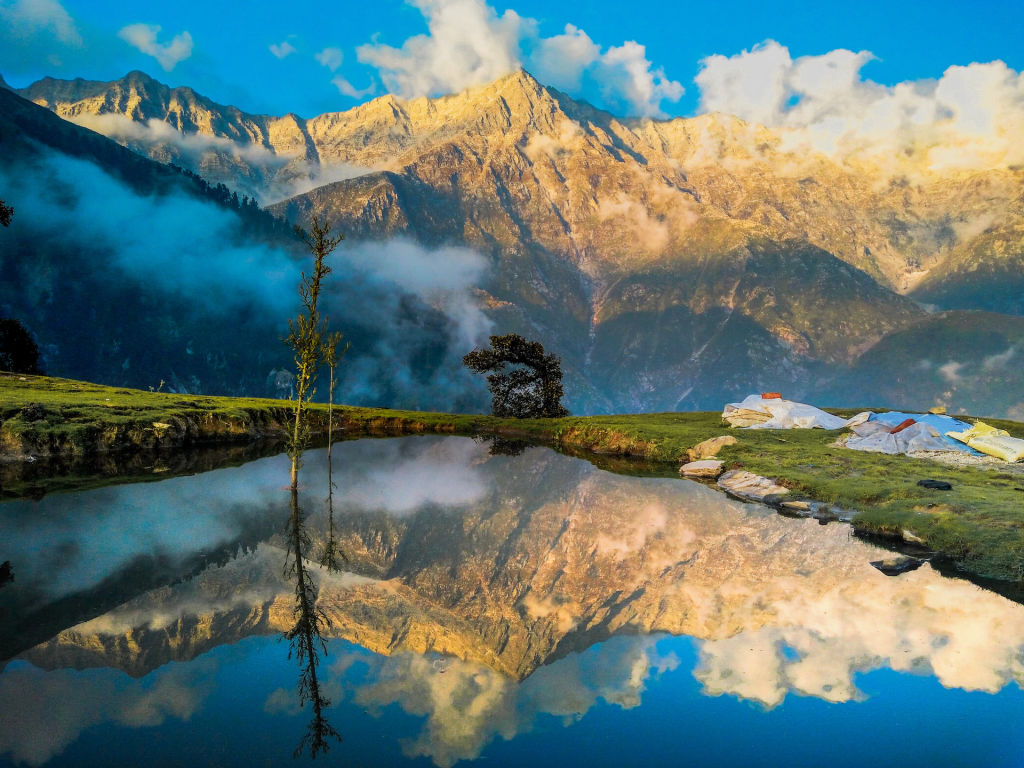
Further downhill in the Kangra Valley, history enthusiasts can make a day excursion to the massive stone ramparts of Kangra Fort, one of the oldest forts in the western Himalayas. Nature lovers can also explore local hillside spots such as Dal Lake near Naddi or embark on scenic mountain walking trails that lead towards higher viewpoints overlooking the snowy Dhauladhar range.
Where to stay near The Tibet Museum
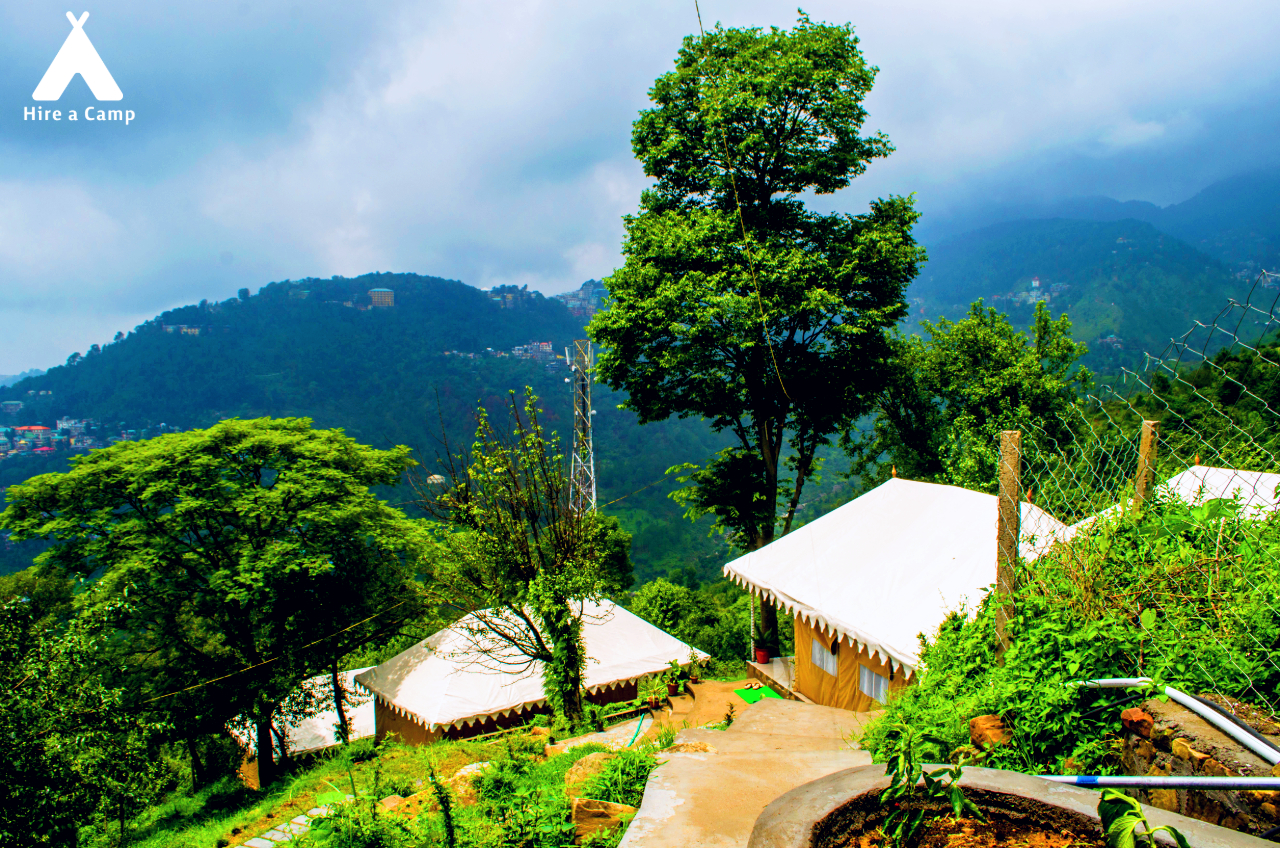
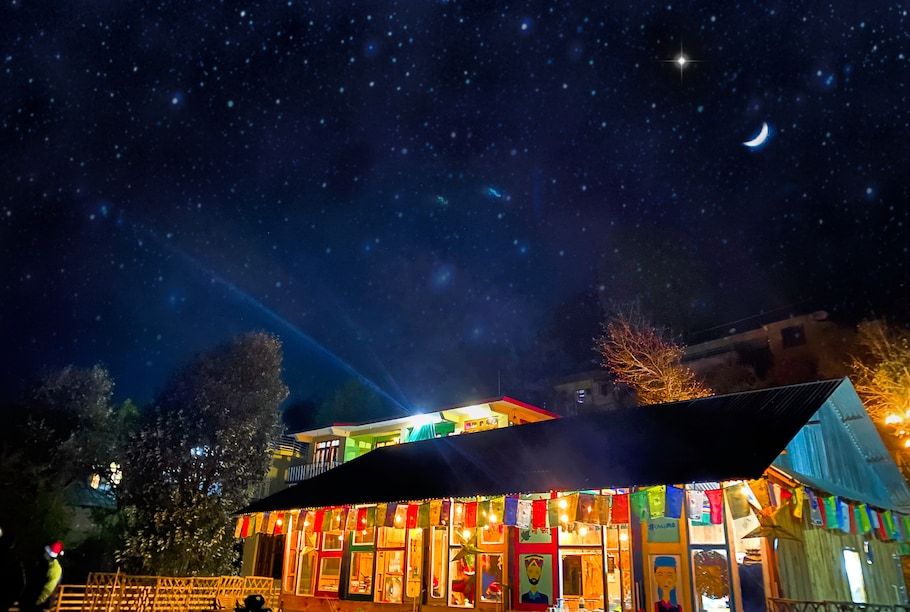
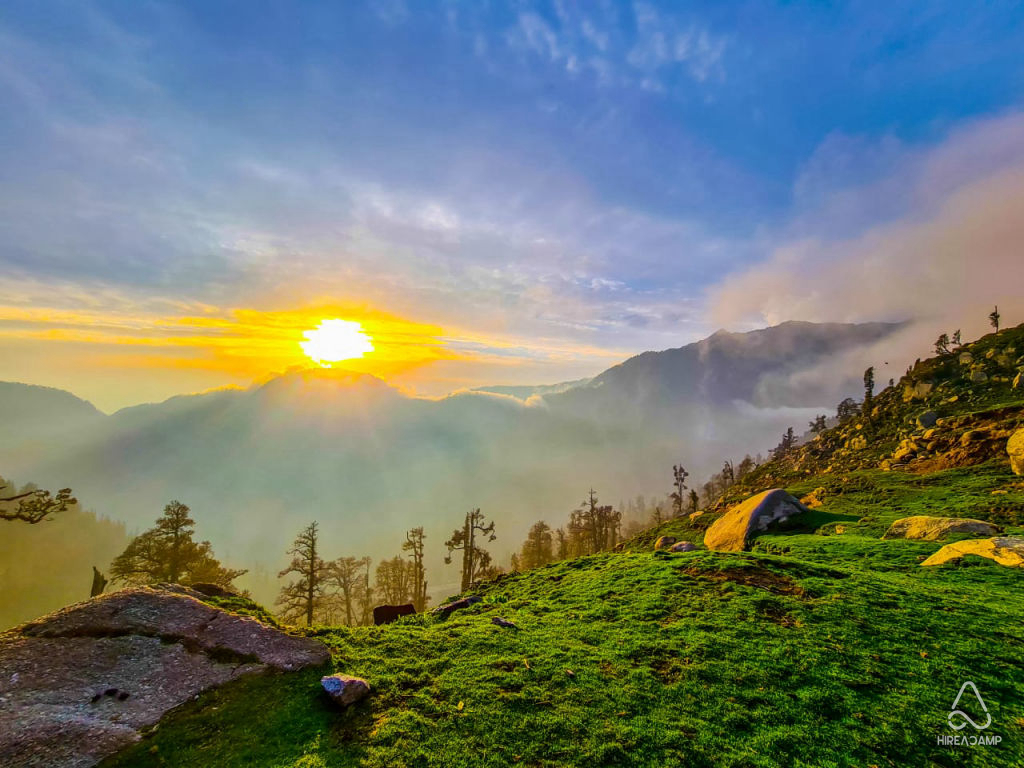
The slopes around Dharamshala and McLeod Ganj offer diverse accommodation options, ranging from quiet hillside cottages and traditional village homestays to peaceful nature camps tucked into surrounding deodar woods. Staying slightly away from the main road corridors allows travellers to enjoy the quiet rhythm of the mountains while remaining within easy reach of cultural landmarks.
You can discover and book verified homestays, nature retreats, and eco-friendly campsites across Dharamshala and the Kangra Valley on HireACamp.
Frequently asked questions
Where is The Tibet Museum located?
The museum is located on the second floor of the T building within the Central Tibetan Administration campus at Gangchen Kyishong, situated between lower Dharamshala and McLeod Ganj.
How much time should I set aside for The Tibet Museum?
Most visitors spend between one and two hours exploring the permanent galleries, reading historical accounts, and watching the documentary presentations.
Can I visit The Tibet Museum during the monsoon?
Yes, because the exhibits are housed indoors, the museum is accessible during the monsoon season, though travellers should account for mountain rain and transport delays in the Kangra area.
Is The Tibet Museum suitable for children?
The museum provides valuable educational insights into geography, culture, and world history, though parents should note that some documentary sections discuss the hardships of displacement and conflict.
Where you'll be
2nd Floor, T building, CTA, Gangchen Kyishong, Dharamshala · 4 stays nearby shown with prices
Stays near The Tibet Museum
Book a place to stay close by
More places near The Tibet Museum
Within 20 km


Built from 0 Instagram posts by 0 creators. Every tip links back to the post it came from, and where creators disagree we show both sides.






