
Kopai River
Riverside spot near Labpur, West Bengal
5.2 km from Labpur
The nearest town, for stays, food and fuel.
The Kopai River is a meandering watercourse winding through the red laterite terrain of the Birbhum district in West Bengal, close to the town of Labpur. Immortalized in Bengali poetry and closely associated with the cultural landscape of Santiniketan, it attracts travellers looking for open horizons, pastoral quietude, and classic rural riverbank scenery. Visitors visit its banks to enjoy gentle countryside walks, witness seasonal shifts in the landscape, and connect with the serene rhythm of village life.
Getting there
By road
- From LabpurNearest town26 min · 11 km
- From Kolkata4 hr 15 min · 176 km
- From Ranchi7 hr 30 min · 337 km
Typical drive times without traffic. Stations and airports from OLA Maps; distances and typical drive times from OpenStreetMap (© OpenStreetMap contributors); notes from creators' Reels.
About Kopai River
Written with AI from map data and general knowledge. Check prices and timings locally before you go.
The landscape of Kopai River
Flowing through the distinct Rarh region of West Bengal, the Kopai River is defined by the rusty red laterite soil through which it cuts. In dry periods, it is a modest stream flanked by wide sandy beds, winding through ravines and flat agricultural plains. The surrounding landscape features clusters of palms, eucalyptus, sonajhuri groves, and patches of seasonal crops tended by local farming communities.
During and immediately after the monsoon rains, the river transforms dramatically. The trickle of water swells into a brisk, mud-tinted current that fills its shallow banks. In autumn, vast patches of tall white kash grass sprout alongside the waters, swaying in the breeze beneath sunny skies. The setting provides an open, unhurried view of rural Bengal that has changed remarkably little over the decades.
Literary and cultural heritage
The Kopai River occupies an enduring place in the Bengali literary imagination. It was movingly captured by Nobel laureate Rabindranath Tagore in his timeless children's poem, which celebrated the shallow river that flows in gentle curves, with cattle wading across its waters and village life unfolding along its banks.
Beyond literature, the Kopai has long been intertwined with the spiritual and musical traditions of Birbhum. Baul minstrels often travel the dusty rural roads that run parallel to the water, singing of nature, divinity, and life. Visiting the river offers more than just a nature break; it allows travellers to experience the very environment that shaped iconic art, music, and philosophy in modern Indian history.
Read more
Things to do at Kopai River
A visit to the Kopai River is best enjoyed at an easy, deliberate pace. Walking along the earthen embankments and through adjacent mud tracks is one of the most fulfilling activities. Early mornings and late afternoons are particularly rewarding, when the slanting sunlight sets the red earth glowing and casts long reflections on the calm water.
Birdwatching and nature photography are naturally rewarding here. The riverbed attracts egrets, kingfishers, lapwings, and various seasonal wetland birds that probe the shallows for food. Many travellers bring a book, sit under the shade of riverside trees, or simply watch local cowherds, fishermen with casting nets, and village commuters crossing the shallow fords.
Best time to visit Kopai River
The most pleasant period to visit the Kopai River is between October and February. Winter mornings bring crisp air and thin mists hovering over the water, followed by warm, bright afternoons that make outdoor walks very comfortable. Autumn, right after the monsoon, is equally scenic as the riverside comes alive with blooming kash grass and clear blue skies.
Monsoon season brings lush greenery to the fields and fills the riverbed, but movement along rural dirt roads can sometimes be muddy and challenging. Summers, extending from April to June, are intense in this dry laterite tract, with scorching midday heat and dry riverbeds. If travelling during warm months, it is advisable to visit the river early in the morning or just before dusk.
How to reach Kopai River
The Kopai River is located in the vicinity of Labpur and Bolpur in West Bengal. The nearest primary railhead is Bolpur Santiniketan railway station, which enjoys frequent express train connectivity with Kolkata and other parts of eastern India. From the railway station, local electric rickshaws, auto-rickshaws, and hired taxis are readily available to reach the riverbanks.
Travellers driving from Kolkata can travel via NH19 through Panagarh and proceed onto regional roads heading toward Bolpur and Labpur. The drive typically covers a smooth highway stretch followed by narrow, scenic rural state roads. Bicycles and two-wheelers are also popular options for leisurely navigating the dirt trails running near the river.
Places to visit near Kopai River
A trip to the Kopai River can be seamlessly combined with exploring the rich cultural belt of Birbhum. Downstream along the river sits Kankalitala Kali Mandir, a sacred pilgrimage site that draws devotees to its peaceful water-tank and temple grounds. Nearby lies the heritage-rich settlement of Nanoor, known for its historic terracotta temples and cultural links to medieval poet Chandidas.
Within a short drive is the university town of Santiniketan, home to landmarks like the Upasana Griha prayer hall, Rabindra Bhaban Museum, and the historic grove of Chhatimtala. Nature lovers can also visit Lalbandh, an expansive lake on the edge of the town, or explore local nature centres displaying natural rock formations and local art.
Where to stay and visitor tips
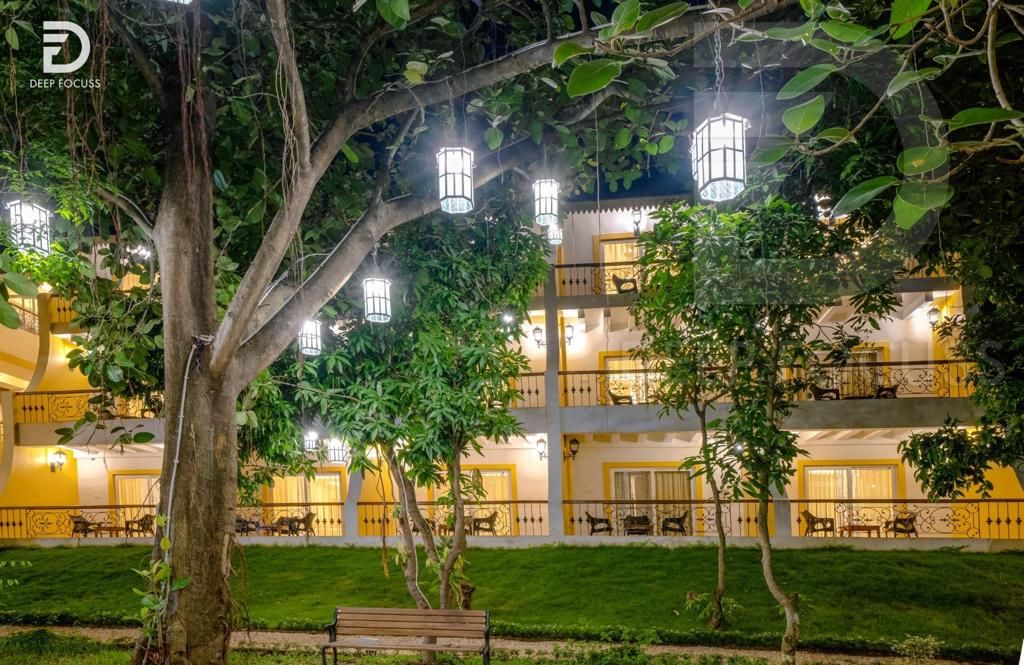
Travellers visiting the area will find rural stays, mud cottages, eco-lodges, and homestays throughout the nearby villages and the outskirts of Santiniketan. Stays that celebrate the open red-soil environment can be booked through HireACamp.
When exploring the river, wear comfortable footwear suited for uneven mud tracks and sandy patches. Carry drinking water and wear a sun hat during daytime hours. Always check water depth and current conditions with local residents before attempting to wade across any section, especially during or immediately following rainy weather.
Frequently asked questions
Where is the Kopai River located?
The Kopai River flows through the Birbhum district in West Bengal, India, passing near the rural community of Labpur and the cultural town of Santiniketan.
Why is the Kopai River well known?
The river is celebrated for its deep presence in Bengali literature, notably through poems by Rabindranath Tagore, and for its quintessential rural landscape of red soil and swaying kash grass.
What is the best time of year to visit the Kopai River?
The ideal time to visit is from October to February, when the weather is mild, kash flowers bloom in autumn, and winter days are comfortable for countryside walking.
Can you walk across the Kopai River?
During winter and early summer, the water level is typically shallow enough that people can walk across sandy stretches, but it is always wise to confirm depth with locals before stepping in.
What attractions can be seen near the Kopai River?
Nearby sites include the Kankalitala temple, the heritage village of Nanoor, and the cultural sites of Santiniketan including Chhatimtala, Rabindra Bhaban, and Upasana Griha.
Where you'll be
Labpur, WB · 1 stay nearby shown with prices
Stays near Kopai River
Book a place to stay close by
More places near Kopai River
Within 20 km
Built from 0 Instagram posts by 0 creators. Every tip links back to the post it came from, and where creators disagree we show both sides.






