
Nanoor
Heritage & Culture near Nanur
1.8 km from Nanur
The nearest town, for stays, food and fuel.
Nanoor is a historic rural town in the Birbhum district of West Bengal, celebrated for its deep roots in medieval Bengali literature, terracotta architecture, and traditional crafts. It is most famous as the birthplace of the revered 14th-century lyrical poet Chandidas and is home to an ensemble of centuries-old temples. Travellers visit Nanoor to explore its peaceful heritage mounds, admire local kantha embroidery, and experience the cultural cadence of rural Bengal.
Getting there
By road
- From NanurNearest town3 min · 1.8 km
- From Kolkata3 hr 50 min · 164 km
- From Ranchi7 hr 25 min · 334 km
Typical drive times without traffic. Stations and airports from OLA Maps; distances and typical drive times from OpenStreetMap (© OpenStreetMap contributors); notes from creators' Reels.
About Nanoor
Written with AI from map data and general knowledge. Check prices and timings locally before you go.
About Nanoor
Nanoor holds a unique place in the cultural geography of West Bengal. Situated in the alluvial plains of Birbhum, this quiet settlement is synonymous with Badu Chandidas, the 14th-century Vaishnava poet whose compositions on the love between Radha and Krishna laid the foundation for much of early Bengali literature and Vaishnavism. The town carries this literary and devotional heritage in its very soil, surrounded by vast green fields, village ponds, and groves of palmyra trees.
Beyond its literary fame, Nanoor is celebrated for its archaeological remnants and rural art forms. The town contains prominent archaeological mounds and a cluster of terracotta Shiva temples that date back to the medieval and early modern periods. Walking through the narrow village lanes reveals centuries of artistic and architectural craftsmanship, from finely carved brick panels to the gentle rhythm of village women hand-stitching intricate kantha textiles on home verandas.
Heritage and temples of Nanoor
The focal point for visitors in Nanoor is Chandidas Bhiti, the ancestral mound and temple enclosure linked to the medieval poet. The archaeological complex features an elevated ground with several ancient brick structures and a collection of fourteen small Shiva temples. These temples, largely built in the traditional Bengali chala and ratna styles, showcase classic brickwork and carvings that depict mythological scenes, floral motifs, and aspects of contemporary village life from centuries past.
Within this sacred and historic perimeter sits the Basuli (Bishalakshi) temple, dedicated to the poet's tutelary deity. The complex is protected and maintained as a site of national and historical importance. Walking around the compound offers a rare window into the syncretic and devotional world of medieval Bengal, where folklore, local cults, and Vaishnava poetry flourished alongside skilled terracotta artistry.
Read more
Local crafts and village life
Nanoor and its surrounding villages are recognized as primary centres for traditional kantha embroidery in West Bengal. In almost every neighbourhood, local women practice this painstaking craft, transforming layers of soft fabric into expressive quilts, stoles, and tapestries through running stitches. The motifs often reflect local flora, birds, rural daily scenes, and ancient symbols passed down through generations.
Taking time to walk through the villages provides a glimpse of unhurried rural life. Visitors can observe craftspeople at work, watch potters turning earthenware, and witness the changing moods of the agricultural landscape. The local community is welcoming, and wandering through the open country roads lined with mud-plastered homes offers a refreshing, grounded perspective on rural Birbhum.
Best time to visit Nanoor
The ideal time to visit Nanoor is between late October and early March, when the weather in southern Bengal remains pleasant and dry. Winter days are cool and sunny, with temperatures comfortable enough for exploring temples, walking around rural mounds, and cycling between neighbouring villages.
Summers from April to June are intensely hot and dry across the plains of Birbhum, with temperatures often climbing past forty degrees Celsius, making daytime outdoor exploration strenuous. The monsoon months between July and September bring heavy downpours that turn the countryside lush and green, though occasional waterlogging on interior village roads can affect local travel. Visiting in the post-monsoon autumn or mid-winter guarantees the most pleasant travel conditions.
How to reach Nanoor
Nanoor is situated in southern Birbhum, approximately twenty to twenty-five kilometres east of Bolpur and Santiniketan. The nearest major railway hub is Bolpur Santiniketan Railway Station, which receives frequent express and local trains connecting Kolkata, Howrah, and Sealdah to northern Bengal. From Bolpur, visitors can hire local taxis, autorickshaws, or board regular state and private buses heading towards Nanoor.
If you are travelling by road from Kolkata, the journey covers roughly 160 to 180 kilometres via the national and state highway networks, typically taking between four and five hours depending on traffic. Nanoor is also well connected by rural roads to Katwa in neighbouring Purba Bardhaman district, making it easy to include in a broader road trip through the heritage towns of the region.
Places to visit near Nanoor
Nanoor serves as an excellent base for discovering the rich pilgrimage and artisan circuit scattered across Birbhum and Purba Bardhaman. Just eighteen kilometres away lies Attahas, one of the historic Shakti Peeth temples surrounded by serene rural greenery. Further along the circuit is Bahula Shaktipeeth, approximately twenty kilometres distant, another venerated temple drawing pilgrims.
Travel enthusiasts interested in regional history and craftsmanship can plan day excursions towards Katwa and the banks of the Ajay and Bhagirathi rivers. Around thirty kilometres away, Katwa Ganga Ghat offers quiet riverside views, while places like Gouranga Bari Keshava Bharati Ashram hold profound associations with the life of Chaitanya Mahaprabhu. Further east, traditional metal craft villages like Dwariapur and Matiari, along with the terracotta temple cluster at Sribati, make for fascinating cultural detours within an hour's drive.
Tips for your visit
While visiting temple complexes and heritage mounds in Nanoor, remember to dress modestly and remove your footwear before stepping onto temple plinths. Because many of the historic structures are fragile, refrain from touching delicate terracotta panels or climbing on protected brick ruins.
Facilities in Nanoor are basic and geared towards everyday rural living rather than conventional tourism. Carry sufficient cash for purchasing hand-stitched kantha work directly from artisans, as electronic payment networks can be inconsistent in interior villages. A hat, comfortable walking shoes, and a reusable water bottle are useful essentials, particularly if you plan on exploring nearby craft hamlets and river banks on foot.
Where to stay
Nanoor is easily visited as a day trip from the nearby cultural hub of Bolpur and Santiniketan, where diverse accommodations are available. However, travellers seeking quiet countryside getaways can find homestays, rural retreats, and eco-camps scattered across the Birbhum countryside. Check HireACamp for verified rural homestays, nature retreats, and outdoor stays around the region.
Frequently asked questions
What is Nanoor famous for?
Nanoor is best known as the birthplace of the 14th-century Vaishnava poet Chandidas, its ancient terracotta Shiva temple cluster, and its thriving tradition of handmade kantha embroidery.
How far is Nanoor from Bolpur Santiniketan?
Nanoor is situated roughly 20 to 25 kilometres east of Bolpur and Santiniketan, accessible by road within 35 to 50 minutes.
Can I buy authentic kantha embroidery in Nanoor?
Yes, Nanoor and adjacent hamlets are major centres for kantha craft, allowing visitors to purchase hand-stitched textiles directly from rural artisan cooperatives and village households.
What is the best time of year to visit Nanoor?
The winter months from October to March offer mild, dry, and sunny days, providing the most comfortable weather for walking and sightseeing.
Are there other historical places near Nanoor?
Yes, nearby sites include the Attahas and Bahula Shakti Peeth temples, Sonarundi Palace, and the terracotta temples of Sribati.
Where you'll be
731301, Bolpur Sriniketan, WB, India, Nanoor, WB · 1 stay nearby shown with prices
Stays near Nanoor
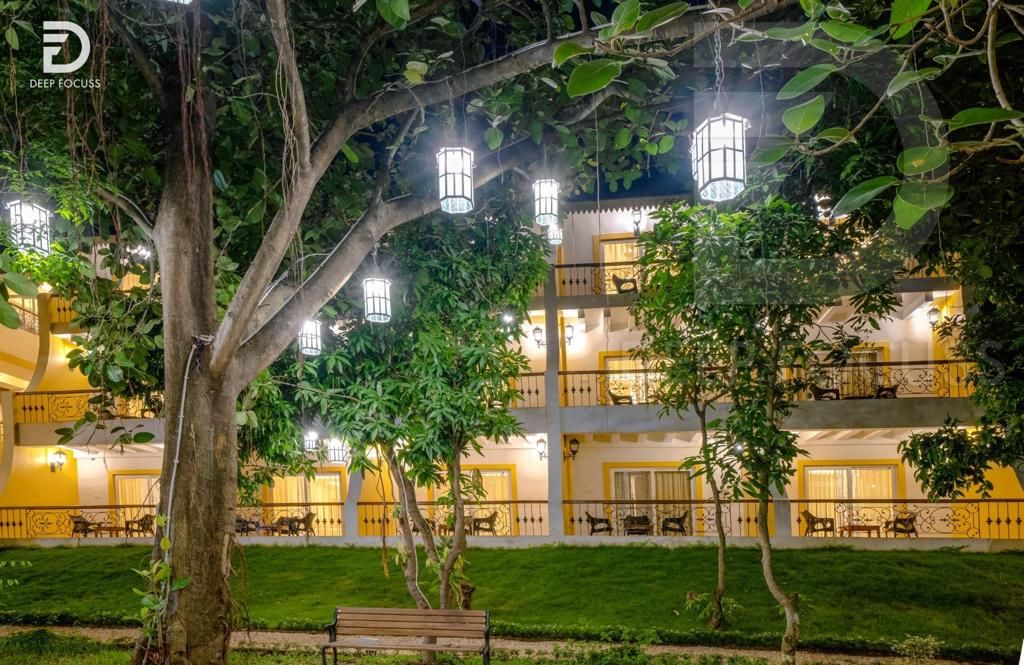
Book a place to stay close by
More places near Nanoor
Within 20 km
Built from 0 Instagram posts by 0 creators. Every tip links back to the post it came from, and where creators disagree we show both sides.






