
Kotla
Destination in Himachal Pradesh
Kotla is a tranquil settlement situated in the lower foothills of Himachal Pradesh's Kangra district. Set against a backdrop of terraced farmland and forested ridges, it serves as a quiet gateway to ancient shrines, historical fortresses, and the higher trails of the Dhauladhar range. Travellers visit Kotla to explore ancient temples, discover medieval hilltop architecture, and experience an authentic slice of everyday Himalayan foothills life.
Getting there
By road
- From Amritsar3 hr 50 min · 187 km
- From Ludhiana4 hr 45 min · 222 km
- From Chandigarh5 hr 40 min · 269 km
Typical drive times without traffic. Stations and airports from OLA Maps; distances and typical drive times from OpenStreetMap (© OpenStreetMap contributors); notes from creators' Reels.
About Kotla
Written with AI from map data and general knowledge. Check prices and timings locally before you go.
About Kotla
Kotla lies along the travel corridor connecting the Punjab plains with the inner valleys of Himachal Pradesh, tucked into the western portion of the Kangra region. The town is marked by gentle hill contours, winding country roads, and traditional stone and slate homes scattered across green ridges. Watercourses carve through the lower valleys here, feeding verdant agricultural plots and providing cool, shaded spots along the valley floor.
Unlike the bustling hill stations situated further up the slopes, Kotla retains the rhythm of a regional market and agricultural hub. Locals tend to grain terraces, mustard patches, and seasonal orchards while running modest trade outposts. For visitors, this translates into an unhurried atmosphere where one can experience the everyday culture and hospitality of rural Kangra without the dense crowds typical of upper Himalayan towns.
Things to do in and around Kotla
A primary draw for travellers stopping in Kotla is the local spiritual landscape. Just two kilometres from the main settlement is the Baglamukhi Temple, dedicated to one of the ten Mahavidyas and revered by pilgrims seeking blessings and quiet contemplation. Visiting during the morning hours provides a peaceful setting to witness traditional hill rituals and admire the temple's distinct local design.
Only a short distance further lies the Trilokpur Cave Temple, situated about four kilometres away. This ancient subterranean shrine features natural stalactite and stalagmite formations, with sacred shrines dedicated to Lord Shiva set into the rock walls. Walking into the cool interior of the cave offers both spiritual intrigue and a reprieve from the midday sun.
Beyond temple visits, exploring the edges of Kotla on foot reveals traditional Himachali hamlets. Strolling through nearby pathways takes you past terraced fields, natural freshwater springs, and pine-clad hillsides. It is an ideal landscape for casual birdwatching, quiet photography, and unwinding away from busy highway routes.
Read more
Historic forts and heritage nearby
Kotla sits within easy driving distance of remarkable historical architecture that reflects Kangra's storied past. Roughly sixteen kilometres to the west lies the historic town of Nurpur, dominated by the massive stone ramparts of Nurpur Fort. Constructed centuries ago by the local rulers, the fort preserves striking stone carvings and deep defensive walls overlooking the Jabhar Khud riverbed. Inside the fort grounds stands the Shri Brij Raj Swami Mandir, an exceptional temple where Lord Krishna and Meera Bai are worshipped together, housing finely preserved idols.
Around twenty-eight kilometres to the east is the renowned Kangra Fort, one of the oldest recorded hill fortifications in India. Sprawling across a rocky promontory at the confluence of the Banganga and Majhi rivers, this citadel bears witness to dozens of sieges across hundreds of years. Walking its stone pathways, royal courtyards, and ruined watchtowers provides deep insight into the enduring heritage of the Katoch dynasty.
Day trips and getaways from Kotla
Using Kotla as a quiet regional base allows you to undertake several distinct day excursions across the valley. Roughly twelve kilometres away, Raja Ka Talab provides a tranquil waterbody framed by open fields, making it a peaceful stop for an afternoon walk or rest during local sightseeing. Further west, at a distance of about thirty-five kilometres, the sprawling reservoir of Ranjit Sagar Dam on the Ravi River offers wide panoramas of blue water set against rolling hill boundaries.
Pilgrims and cultural travellers often head towards the sacred riverbanks at Mukteshwar Mahadev Mandir, roughly thirty-four kilometres away, where cave temples overlook the river gorge. Meanwhile, those looking for mountain culture and cooler pine air can venture north towards McLeod Ganj, situated approximately twenty-seven kilometres uphill. In McLeod Ganj, you can visit Tibetan monasteries, browse local handicrafts, and take in dramatic vistas of the soaring Dhauladhar snowpeaks before returning to the lower valley.
Best time to visit Kotla
Because Kotla sits in the sub-Himalayan foothills at a moderate elevation, its seasonal conditions differ notably from high-altitude stations. The autumn and winter months, from October through March, bring crisp breezes, crystal-clear skies, and comfortable daytime temperatures that are ideal for outdoor walking and historic sightseeing. Winter nights can become quite chilly, requiring warm layers, though daytime sunshine remains pleasant.
Spring, spanning March and April, sees the surrounding valley burst into bloom as mustard fields and orchards turn vibrant green. Summers from May to June bring warm temperatures during the day, though evenings cool down noticeably compared to the plains below. The monsoon period from July through September brings heavy rainfall to the Kangra region, filling local streams and painting the landscape lush, though road travel requires extra care due to wet driving conditions.
How to reach Kotla
Kotla is well connected by road and easily reached from major transport hubs in Punjab and Himachal Pradesh. The broad-gauge railway junction at Pathankot is the most convenient major train stop for long-distance trains arriving from Delhi, Jammu, and other parts of India. From Pathankot, one can hire a taxi or board a regional Himachal Road Transport Corporation bus heading eastward along the highway toward Kotla.
For air travel, Kangra Airport at Gaggal is the nearest operational domestic airport, handling scheduled flights from major hubs such as New Delhi and Chandigarh. From the airport, Kotla can be reached by road in a straightforward drive. Regular local buses run along the Kangra valley route, connecting Kotla efficiently to neighbouring towns like Nurpur, Shahpur, and Dharamshala.
Where to stay in Kotla
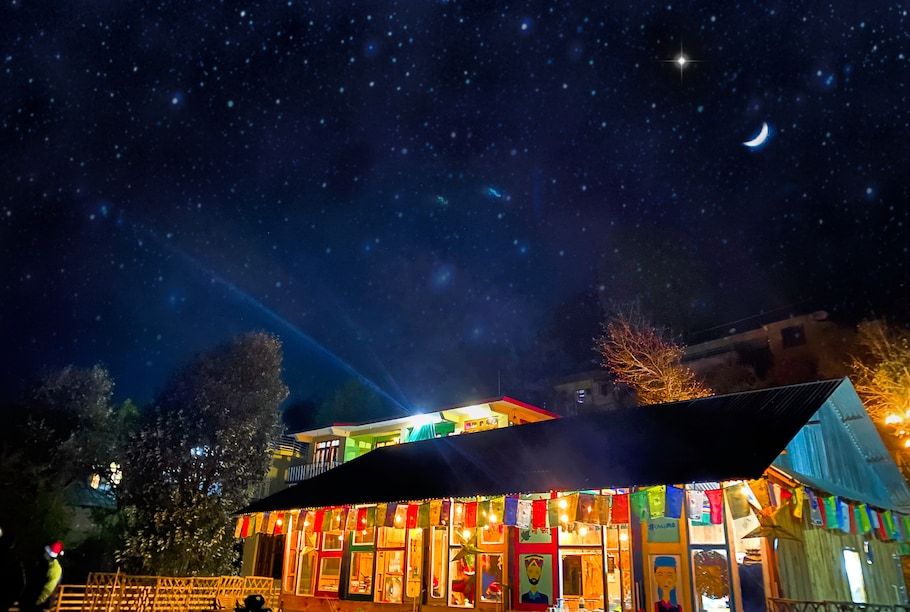
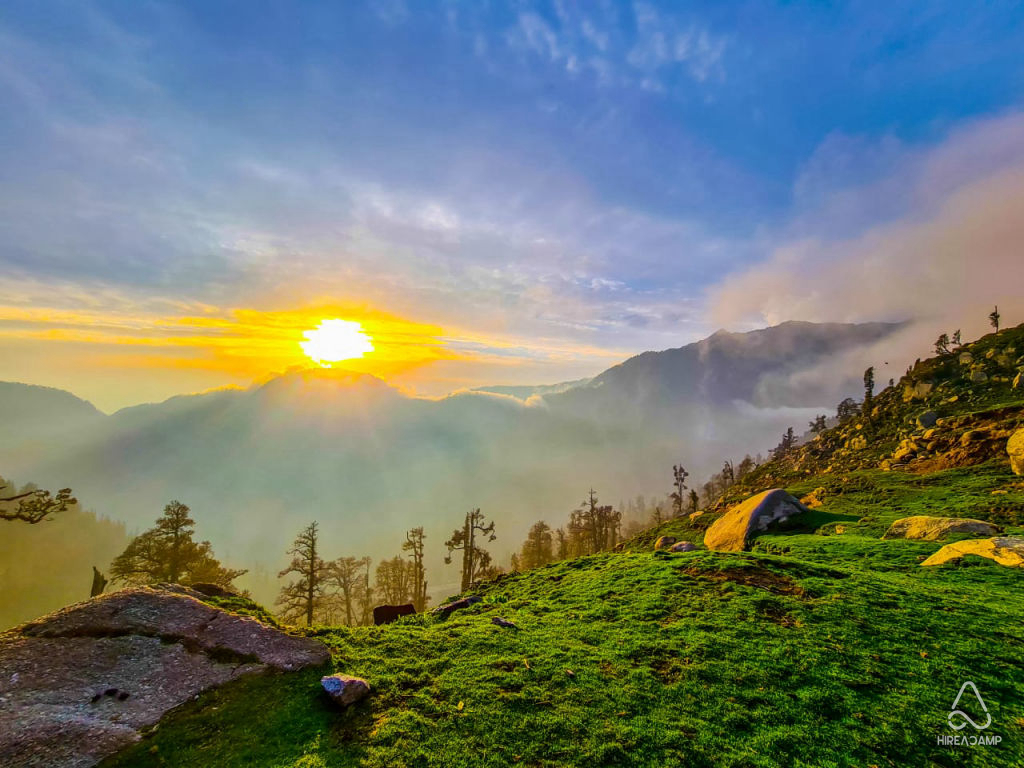
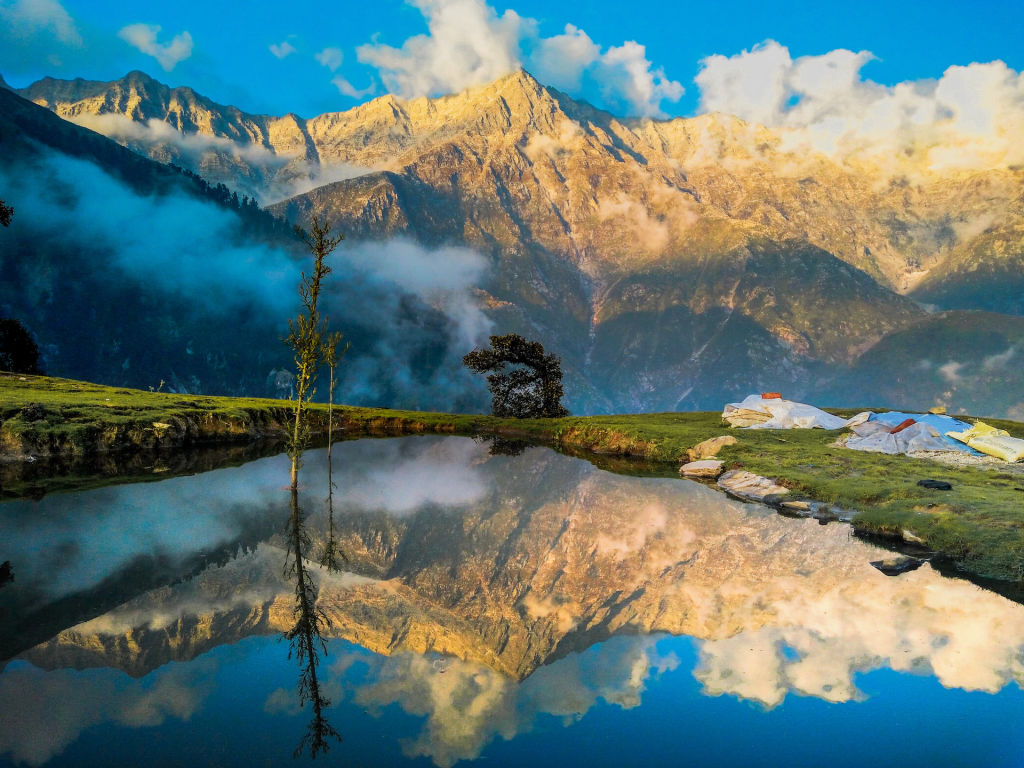
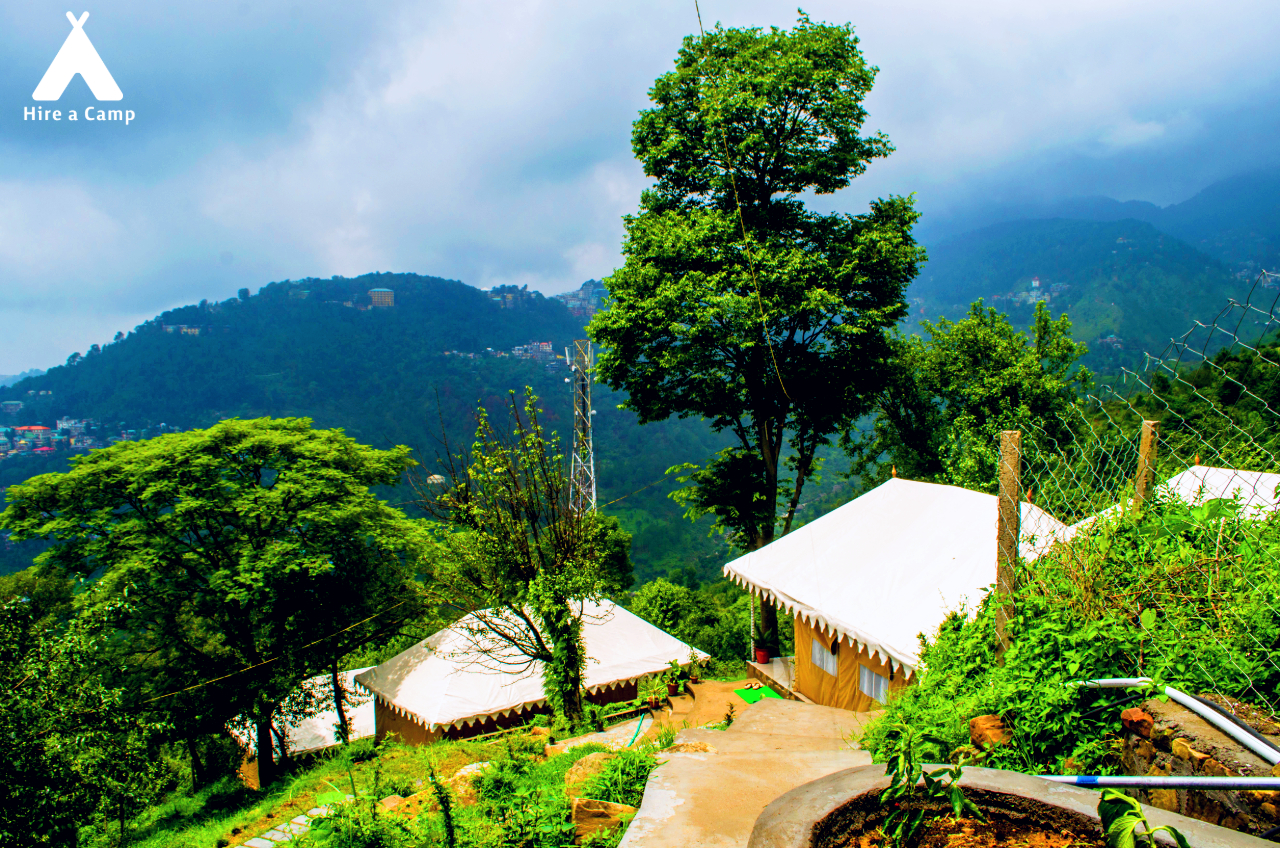
Accommodation options within Kotla and its immediate countryside emphasize quiet, nature-focused experiences. Staying in a local village homestay offers warm home-cooked meals, regional Himachali recipes, and insights into local traditions and daily farming life. The surrounding foothills and valleys also feature riverside campsites and boutique rural retreats suited for travellers seeking solitude under clear night skies.
You can discover and book verified homestays, nature retreats, and outdoor campsites around Kotla on HireACamp, giving you a relaxing place to unwind after days spent exploring Kangra's ancient forts and temples.
Frequently asked questions
What is Kotla known for?
Kotla is best known for its tranquil valley environment in the Kangra foothills, its proximity to revered shrines such as Baglamukhi Temple and Trilokpur Cave Temple, and its easy access to historic landmarks like Nurpur Fort and Kangra Fort.
Which airport is closest to Kotla?
The nearest airport is Kangra Airport at Gaggal, which operates direct flights from Delhi and Chandigarh and is connected to Kotla by regional roads.
What temples can I visit near Kotla?
Within a short distance of Kotla, you can visit the Baglamukhi Temple, the subterranean Trilokpur Cave Temple, Prachin Shiv Mandir Trilokinath, and Nagni Mata Temple, as well as Shri Brij Raj Swami Mandir in nearby Nurpur.
Is Kotla crowded with tourists?
No, Kotla remains largely quiet and unhurried compared to higher hill stations such as McLeod Ganj or Dharamshala, making it a peaceful base for travellers who prefer cultural sightseeing and rural scenery.
When is the best time to plan a trip to Kotla?
The best time to visit is between October and April, when the weather is clear, comfortable for walking, and free from the heavy downpours of the summer monsoon.
Where you'll be
4 stays nearby shown with prices
Stays near Kotla
Book a place to stay close by
Things to do in Kotla
48 places creators recommend within 30 km


Built from 0 Instagram posts by 0 creators. Every tip links back to the post it came from, and where creators disagree we show both sides.






