
Masroor Rock Cut Temple
Temple near Nagrota, Himachal Pradesh
4.7 km from Nagrota
The nearest town, for stays, food and fuel.
The Masroor Rock Cut Temple is an eighth-century complex of monolithic shrines carved out of a single sandstone ridge in Himachal Pradesh's Kangra Valley. Located near Dera Gopipur, it features classical Nagara-style spires set against the distant snowy ridges of the Dhauladhar range. Travellers and history enthusiasts visit to explore these rare northern Indian rock-hewn shrines and view their reflection across the temple's sacred water tank.
Getting there
By road
- From NagrotaNearest town31 min · 11 km
- From Ludhiana4 hr 25 min · 181 km
- From Amritsar4 hr 40 min · 206 km
- From Chandigarh5 hr 15 min · 224 km
Typical drive times without traffic. Stations and airports from OLA Maps; distances and typical drive times from OpenStreetMap (© OpenStreetMap contributors); notes from creators' Reels.
About Masroor Rock Cut Temple
Written with AI from map data and general knowledge. Check prices and timings locally before you go.
The monolithic architecture of Masroor
The Masroor Rock Cut Temple stands as an exceptional example of rock-cut architecture in the Western Himalayas. Unlike standard stone temples built with quarried blocks joined together by mortar, the complex at Masroor was carved out of a natural sandstone outcrop. Artisans of the eighth century excavated trenches into the living rock to isolate a central mass, which they subsequently shaped into multiple adjoining shrines, porticos, and elaborately detailed spires.
The layout follows a symmetrical plan centered around the main shrine, known as the Thakurdwara. Surrounding this sanctum are smaller sub-shrines carved in the Nagara architectural style. Intricate ornamentation adorns the surviving lintels and wall friezes, displaying depictions of Vedic and Puranic deities, floral scrolls, and celestial attendants. In front of the temple complex lies a large rectangular sacred water reservoir known locally as the Masroor tank. The tank serves both functional and aesthetic purposes, mirroring the stone shikharas on calm mornings and highlighting the grand visual balance envisioned by its classical architects.
History and heritage of the temple complex
Historians date the construction of the Masroor shrines to the early medieval period, likely around the eighth century during the reign of local patron dynasties influenced by mainstream northern Indian artistic movements. While rock-cut architecture was widely practiced in central and western India, monolithic temples of this scale are exceptionally rare in the Himalayan foothills.
Local folklore associates the site with the Pandavas from the Mahabharata epic, stating that the brothers carved the temple out of the hillside during their period of exile. Historically, iconography found on the lintels suggests the shrine was originally dedicated to Lord Shiva, though in later centuries it came to be revered primarily for the statues of Rama, Lakshmana, and Sita placed within the sanctum. The complex suffered significant structural damage during the devastating 1905 Kangra earthquake, which toppled several corner spires and dislodged freestanding stone segments. Despite the damage, the central core and many detailed carvings remain preserved and protected under the Archaeological Survey of India.
Read more
Best time to visit Masroor Rock Cut Temple
The optimal period to explore the Masroor Rock Cut Temple is between October and March. During these autumn and winter months, the weather across the Kangra Valley is pleasant and crisp, with clear skies offering unimpeded views of the snow-capped Dhauladhar peaks directly behind the stone spires. Midday temperatures during winter are mild, making outdoor exploration across the open rock surface comfortable.
Spring, covering late February to early April, brings blossoming orchards and comfortable weather throughout the surrounding countryside. Summers, stretching from late April to June, can get warm in the lower elevations around Dera Gopipur, with midday sun beating down on the unshaded stone surfaces. The monsoon season between July and September brings heavy rainfall to the Kangra region; while the surrounding vegetation turns vibrant green and the temple pond fills up, wet stone can be slippery underfoot and mountain cloud cover often obscures long-range valley views.
How to reach Masroor
Masroor is located in the Kangra district of Himachal Pradesh, accessible by road from major nearby towns like Kangra, Dera Gopipur, and Dharamshala. Kangra town lies roughly thirty to thirty-five kilometres away by road, while Dharamshala and McLeod Ganj are approximately forty to forty-five kilometres to the northeast. Taxis and local public buses operate along these rural valley routes, connecting travellers through Nagrota Surian or Lunj.
The nearest broad-gauge railway hub is Pathankot, situated roughly eighty-five kilometres away, from where taxis and buses are readily available. Kangra Airport at Gaggal is the closest air gateway, located roughly thirty-five kilometres from the site. Road journeys pass through rural hamlets, pine groves, and terraced agricultural fields before ascending the low sandstone ridge where the temple is situated.
Tips for your visit
Because the Masroor Rock Cut Temple is an active place of worship and a nationally protected archaeological monument, visitors should dress modestly and remove footwear before stepping onto the inner sanctum platforms. The site requires walking across uneven stone surfaces and climbing occasional flights of carved stairs, so comfortable walking shoes with decent grip are recommended.
There is very little natural shade across the main stone platform and around the pond, so carry drinking water, a wide-brimmed hat, and sun protection, especially if visiting in the middle of the day. Photographers will find early morning and late afternoon the most rewarding times to capture the warm sandstone tones and the reflection on the water pool. Verify current site access guidelines and local ticket counter formalities upon arrival.
Places to visit nearby
A trip to Masroor can easily be paired with other historical and natural landmarks scattered across the lower Kangra Valley. Kangra Fort, perched on a steep precipice above the confluence of the Banganga and Manjhi rivers, lies nearby and offers insight into the region's ancient royal lineages and military architecture.
Nature enthusiasts can head toward the vast waters of the Pong Dam reservoir and the Pong Dam Bird Sanctuary. In winter, this expansive wetland hosts thousands of migratory waterbirds from Central Asia. Closer to the water's edge, the submerged temples of Bathu Ki Ladi offer another intriguing historical experience during seasons when reservoir water recedes. Cultural travellers can also visit the revered Maa Baglamukhi Temple and Dada Siba Fort, both situated within easy driving distance across the lower Shivalik hills.
Where to stay near Masroor
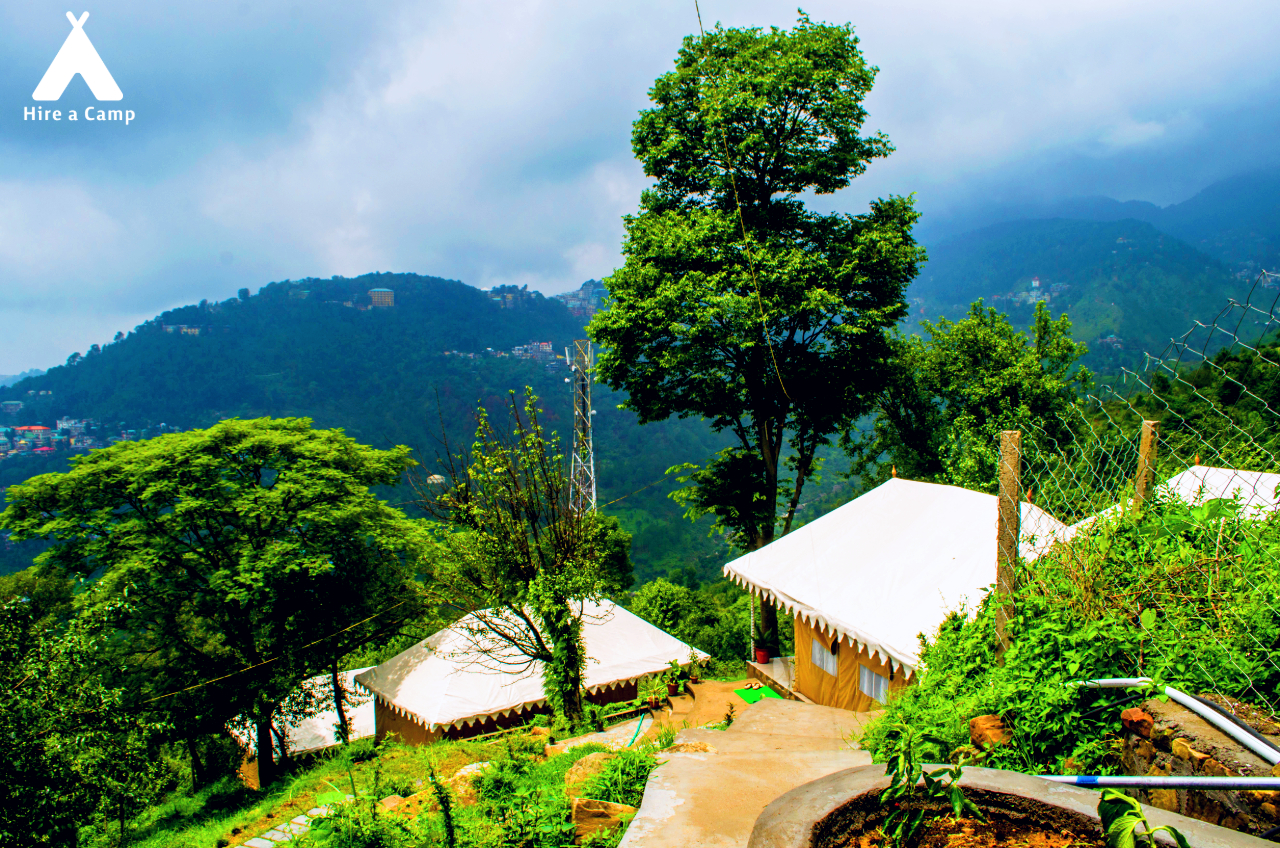
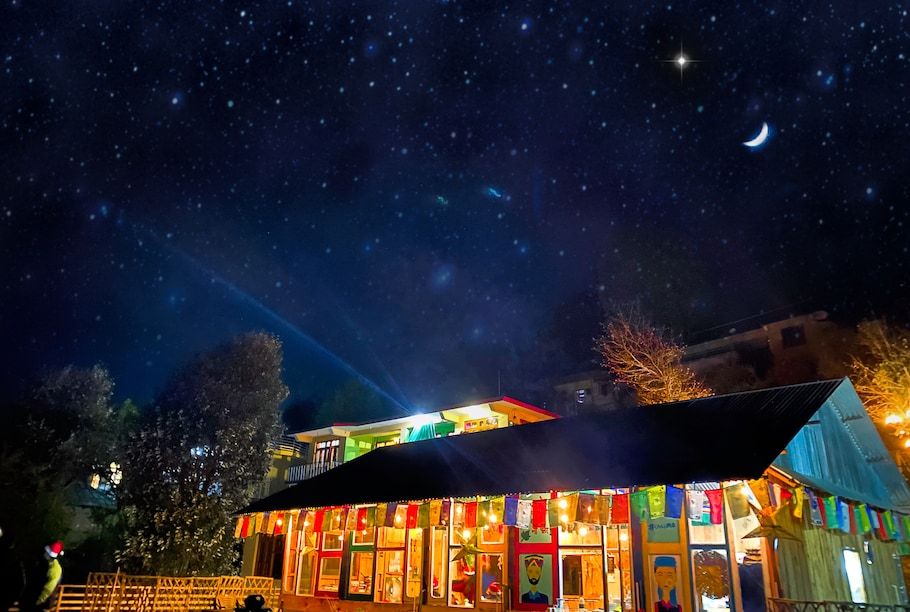
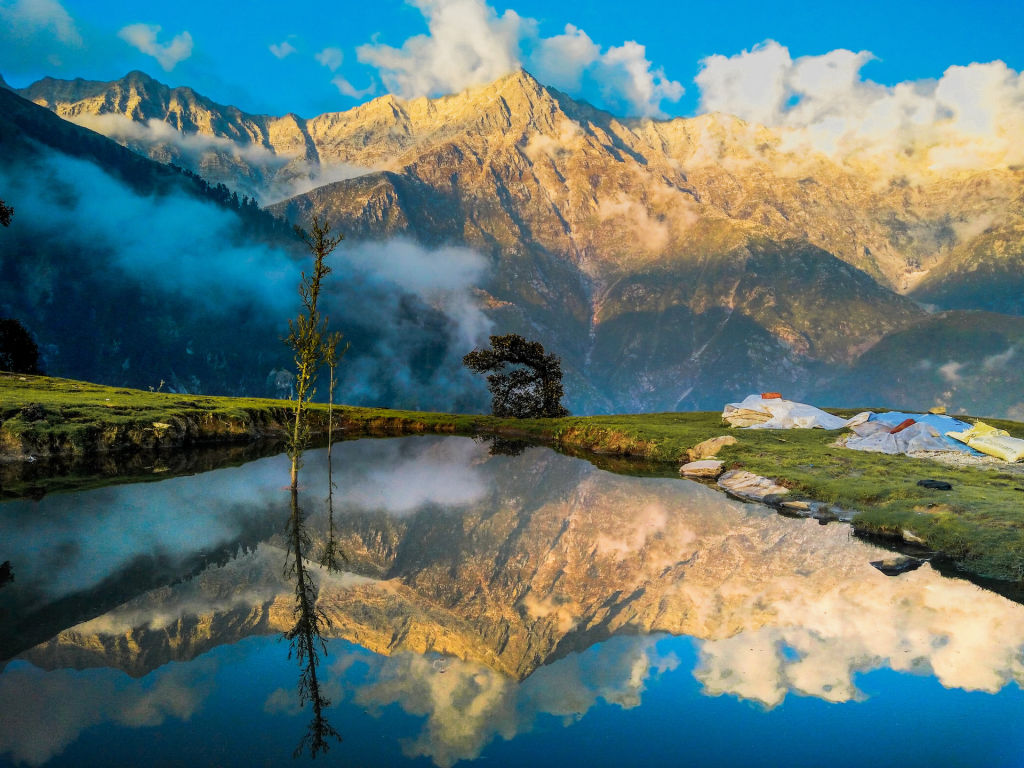
Travellers visiting Masroor can find a variety of accommodations throughout the surrounding Kangra Valley. While the immediate vicinity of Masroor consists of quiet rural villages with modest homestay arrangements, nearby regional hubs such as Kangra, Dharamshala, and the Pong Lake belt provide diverse choices ranging from peaceful village retreats and experiential camps to traditional countryside homestays.
You can discover well-situated homestays, nature campsites, and boutique rural lodgings across Kangra district on HireACamp. Staying in the surrounding countryside provides a peaceful setting from which to explore the rock-cut shrines, ancient hill forts, and Himalayan viewpoints at your own pace.
Frequently asked questions
What is unique about the Masroor Rock Cut Temple?
Masroor is one of the very few monolithic rock-cut temple complexes in northern India. Carved out of a single continuous sandstone ridge in the eighth century, its shrines feature classical Nagara architecture overlooking a sacred pool with the Dhauladhar mountains in the background.
How far is Masroor Rock Cut Temple from McLeod Ganj and Kangra?
The temple complex is approximately thirty to thirty-five kilometres by road from Kangra town and around forty to forty-five kilometres from McLeod Ganj, making it an easy half-day excursion from either location.
Was the temple damaged by an earthquake?
Yes, the severe Kangra earthquake of 1905 caused notable damage to Masroor, causing several ornate stone spires and peripheral structures to collapse, though the central core and principal shrines survived.
Is footwear allowed inside the temple area?
Visitors must take off their shoes before entering the sanctum and sacred shrine platforms, as the site remains an active place of reverence.
Can I visit Pong Dam and Masroor on the same day?
Yes, Pong Dam and the surrounding bird sanctuary are situated nearby in the lower valley and can readily be combined with a trip to Masroor in a single day.
Where you'll be
Masroor, Dera Gopipur · 3 stays nearby shown with prices
Stays near Masroor Rock Cut Temple
Book a place to stay close by
More places near Masroor Rock Cut Temple
Within 20 km

Built from 0 Instagram posts by 0 creators. Every tip links back to the post it came from, and where creators disagree we show both sides.


