
Kottiyoor Temple
Temple near Periya, Kerala
4.5 km from Periya
The nearest town, for stays, food and fuel.
Kottiyoor Temple is a renowned pilgrimage site nestled in the dense forest valleys of northern Kerala, near Thalassery. Situated along the banks of the Bavali River beneath the Brahmagiri hills, it is revered for its ancient mythology and unique dual-shrine layout. Travellers and devotees visit to experience its powerful spiritual traditions, vibrant seasonal festival, and serene rainforest landscape.
Getting there
By road
- From PeriyaNearest town30 min · 20 km
- From Mysuru4 hr · 168 km
- From Mangaluru5 hr · 234 km
- From Coimbatore5 hr 55 min · 255 km
Typical drive times without traffic. Stations and airports from OLA Maps; distances and typical drive times from OpenStreetMap (© OpenStreetMap contributors); notes from creators' Reels.
About Kottiyoor Temple
Written with AI from map data and general knowledge. Check prices and timings locally before you go.
The Legend and Sacred Heritage of Kottiyoor Temple
Kottiyoor Temple holds a profound place in Hindu mythology as the legendary site of the Daksha Yaga, the monumental sacrificial rite performed by King Daksha. According to sacred lore, this is where Sati immolated herself after her father Daksha insulted Lord Shiva, leading to Shiva's fierce grief and the unleashing of Virabhadra. The sacred ground is considered charged with divine presence and repentance, making it one of the most revered Shiva shrines in northern Kerala. The temple is unique in that it consists of two distinct shrines situated across from each other along the riverbank: Ikkare Kottiyoor and Akkare Kottiyoor.
Ikkare Kottiyoor, situated on the western bank, is a traditional temple complex where regular daily rituals take place throughout the year. Across the river lies Akkare Kottiyoor, a deeply mystical open sanctum that remains untouched and submerged in seasonal wilderness for most of the year. Here, there is no permanent temple structure, only a self-manifested stone lingam surrounded by water and circular stone platforms. The duality of these two shrines symbolizes the transition between worldly ritual and ascetic woodland spirituality, drawing devotees seeking peace and mythological connection.
The Forest Setting Along the Bavali River
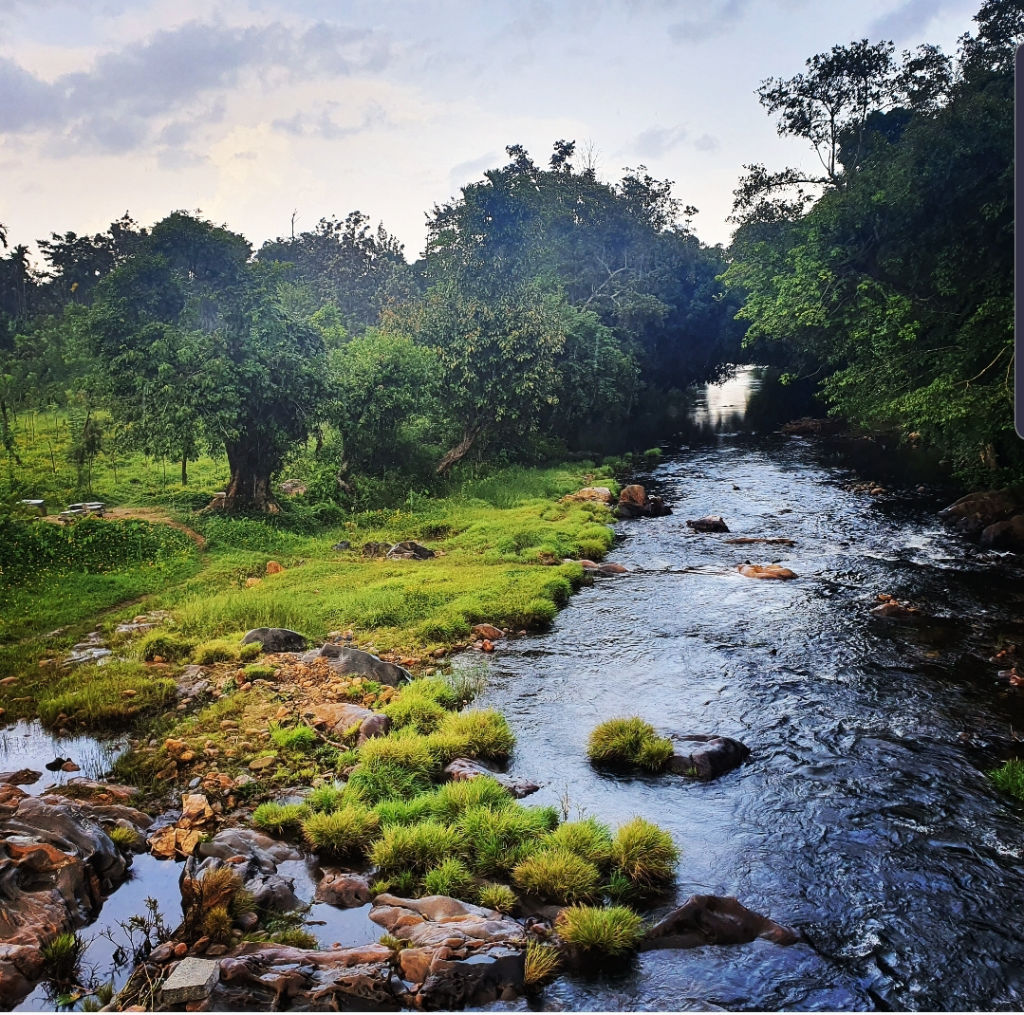
The setting of Kottiyoor Temple is intimately bound to the wild geography of the Western Ghats. Located in the eastern reaches of Kannur district near Thalassery, the temple rests in a deep, verdant valley cradled by the forested foothills of the Brahmagiri range. The crystal-clear Bavali River flows directly between the two temple precincts, playing an indispensable role in the temple's daily life and festival rites. Pilgrims traditionally step into the cool, pebble-strewn waters of the river to perform ablutions before offering their prayers.
The surrounding landscape is defined by dense semi-evergreen and evergreen canopies that remain lush throughout the year. Giant trees, tangled vines, and vibrant riverine vegetation envelope the shrine, creating an atmosphere that feels entirely removed from urban life. The sounds of rushing mountain streams and the chorus of forest birds provide a natural accompaniment to temple bells. Because the area borders prominent forest reserves, the air is clean, cool, and fragrant with the scent of damp earth and tropical flora.
Read more
The Vysakha Mahotsavam Festival
The spiritual calendar of Kottiyoor revolves around the famed Kottiyoor Vysakha Mahotsavam, an annual festival celebrated during the Malayalam months of Edavam and Mithunam, which usually aligns with May and June. For just twenty-seven days, the sacred sanctuary of Akkare Kottiyoor opens to the world. Temporary thatched huts constructed from bamboo, palm fronds, and reeds are erected across the river clearing, creating an ephemeral pilgrimage village known as the Thiruvarkkadu.
During this festival period, thousands of pilgrims brave the monsoon showers to trek into the forest and offer worship. A distinctive feature of this festival is the offering of tender coconuts, which are brought in massive quantities and poured over the sacred swayambhu lingam. Another hallmark of the festival is the reverence given to Rohini aradhana and the creation of delicate flower garlands made of beaten bark known as Odappoo. As soon as the festival concludes, the temporary structures are dismantled, and the forest is left to reclaim the sacred clearing until the following year.
Best Time to Visit Kottiyoor Temple
Choosing when to visit Kottiyoor depends heavily on whether you wish to witness the grand pilgrimage festival or experience the quiet natural serenity of the valley. The monsoon season between June and August brings dramatic downpours, swelling the Bavali River and blanketing the Western Ghats in mist and vibrant greenery. Visiting during the early monsoon coincides with the Vysakha festival, offering an intense cultural and spiritual experience, though travellers should be prepared for heavy rains and large crowds.
For those seeking quiet contemplation and easy travel, the post-monsoon and winter months from October to February are ideal. During this period, the weather is mild, dry, and comfortable, with cool mornings and pleasant afternoons perfect for exploring the temple surroundings and nearby forest roads. Summer, which lasts from March until May, tends to be warm and humid, but the shaded forest canopy and riverside breeze keep temperatures relatively moderate compared to coastal Kerala.
How to Reach Kottiyoor Temple
Kottiyoor Temple is accessible by road from major towns in northern Kerala. The nearest major commercial and historical hub is Tellicherry, also known as Thalassery, located roughly sixty to seventy kilometres to the west. Thalassery serves as the primary railway head, connecting the region to major cities such as Kozhikode, Mangalore, Kochi, and Bengaluru. From Thalassery or the district headquarters at Kannur, state transport buses, private taxis, and rented vehicles provide straightforward access along winding, scenic roads.
Travellers arriving by air can fly into Kannur International Airport, which is the closest airport to Kottiyoor, located approximately an hour and a half away by road depending on local traffic. The drive to Kottiyoor climbs gradually toward the foothills, passing through picturesque plantations of rubber, pepper, and coconut before descending into the river valley. For travellers coming from Wayanad or Karnataka, roads winding down from Mananthavady offer a breathtaking journey through ghat sections and tea estates.
Places to Visit Near Kottiyoor
The region surrounding Kottiyoor is filled with rich history and pristine nature, making it well worth extending your journey into the surrounding hills and plains. History enthusiasts can explore the Pazhassi Raja Tomb and nearby Pazhassi Park in Mananthavady, which commemorate the courageous warrior king who resisted British colonial forces in these very forests. Ancient temples such as the Trishileri Temple and Valliyoorkavu Temple are located within a short drive, each carrying distinct architectural traditions and community festivals.
Nature lovers have extraordinary options close at hand. The Brahmagiri Ghat Reserve offers dense rainforest tracks, while the wider expanse of Wayanad Wildlife Sanctuary and Nagarahole National Park to the east shelter wild elephants, deer, and diverse bird species. Hidden amidst the rocky terrain are cascading streams and falls such as Gumma Kolli Falls and Saratabbi Falls, which come alive with torrential power during and immediately after the monsoon months. These nearby spots make the area an exceptional base for outdoor exploration.
Tips for Visiting Kottiyoor Temple
When planning a trip to Kottiyoor Temple, respecting local customs and temple traditions is essential. Modest traditional attire is expected when entering the temple precincts, and visitors should follow posted guidelines regarding footwear and photography, which is strictly prohibited inside the sanctum areas. Since Akkare Kottiyoor is only open during the specific festival window, visitors travelling outside this period should focus their visit on Ikkare Kottiyoor on the western bank.
Because Kottiyoor is situated in a high-rainfall forest belt, carrying sturdy umbrellas, waterproof bags for electronic devices, and slip-resistant footwear is strongly advised, especially if visiting between May and October. Leeches are common along forest paths during the wet months, so wearing protective socks or carrying salt can be helpful. Travellers should also verify current festival dates and local transit schedules locally before commencing their journey, as seasonal conditions in the ghats can vary.
Where to Stay Around Kottiyoor
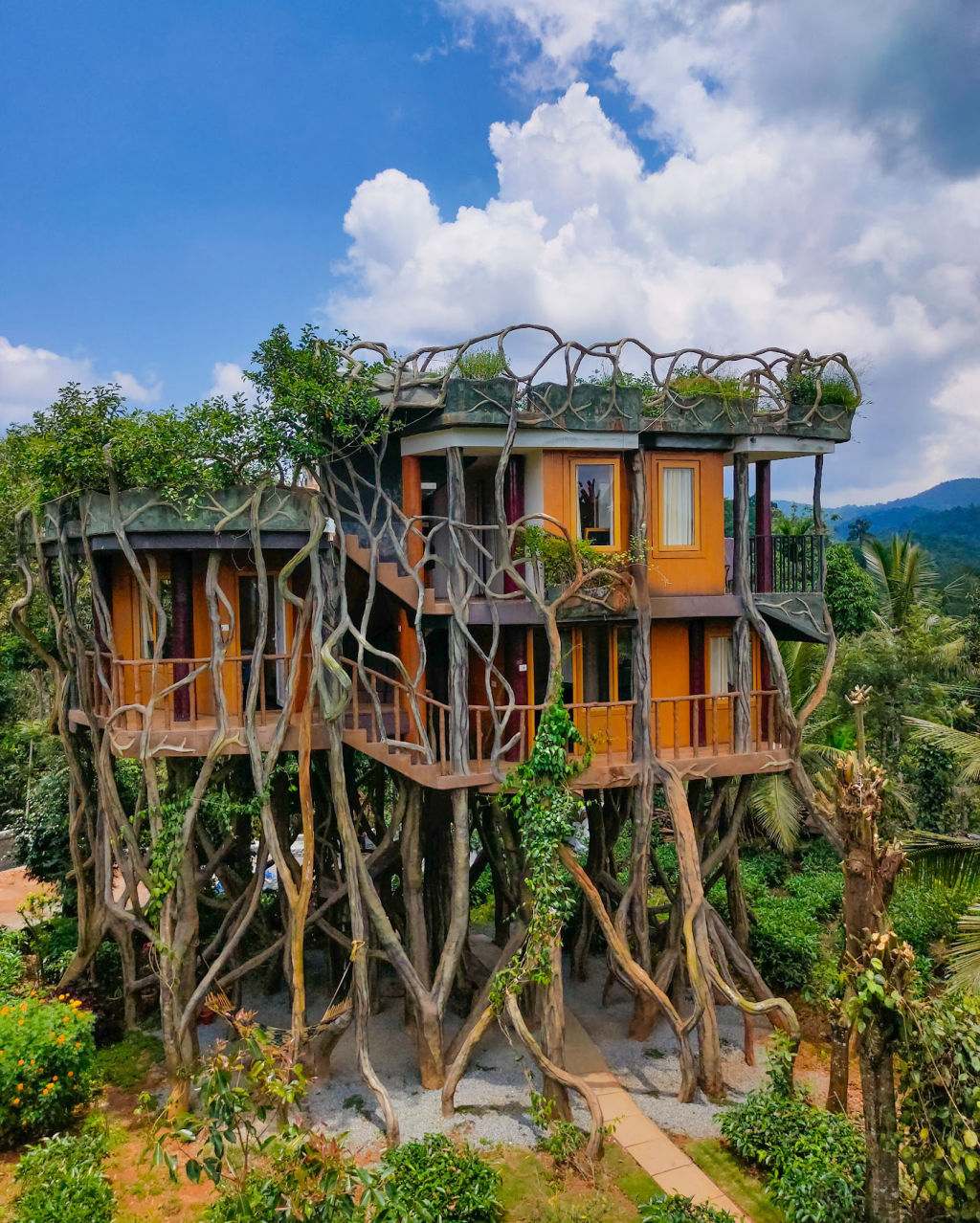
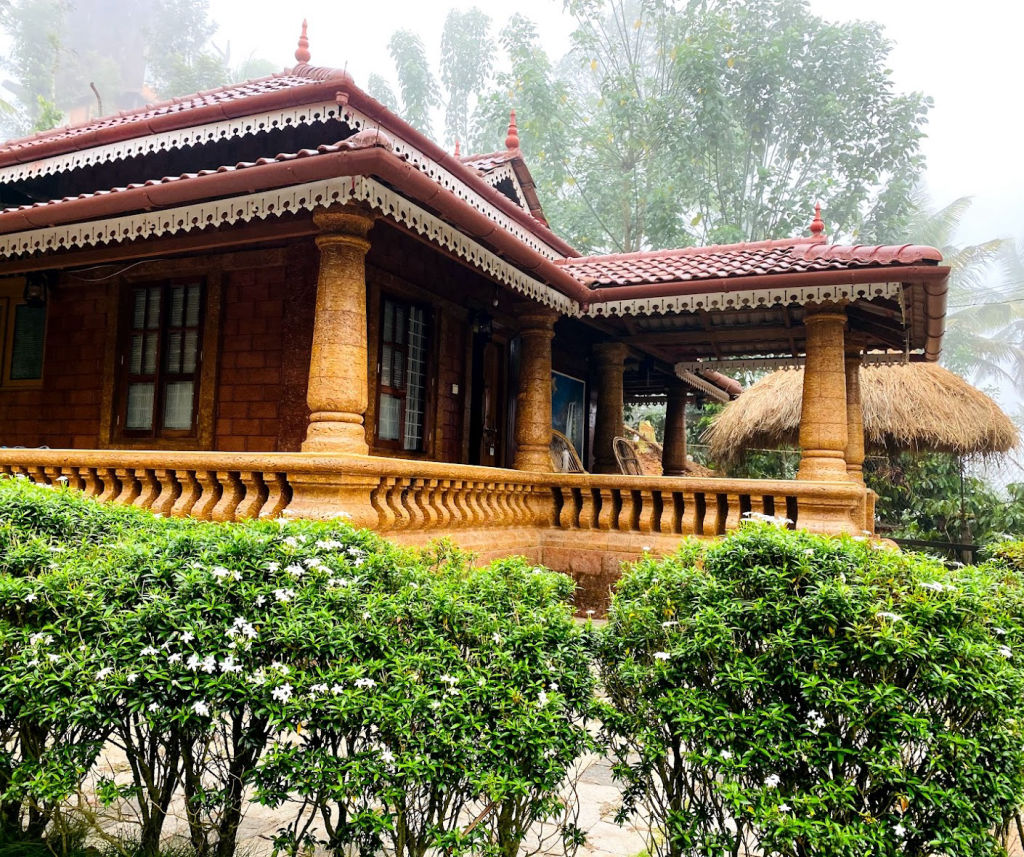
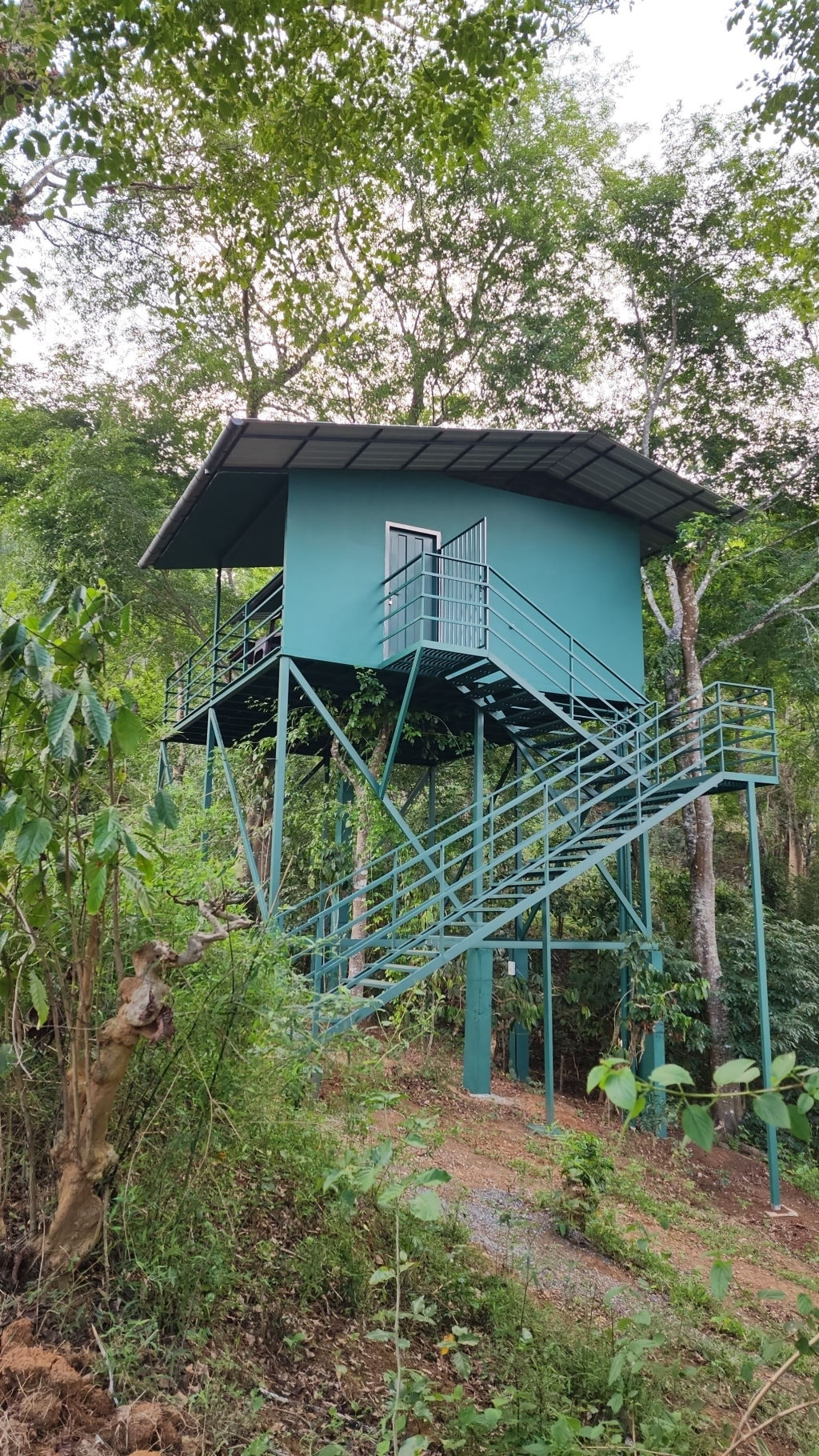
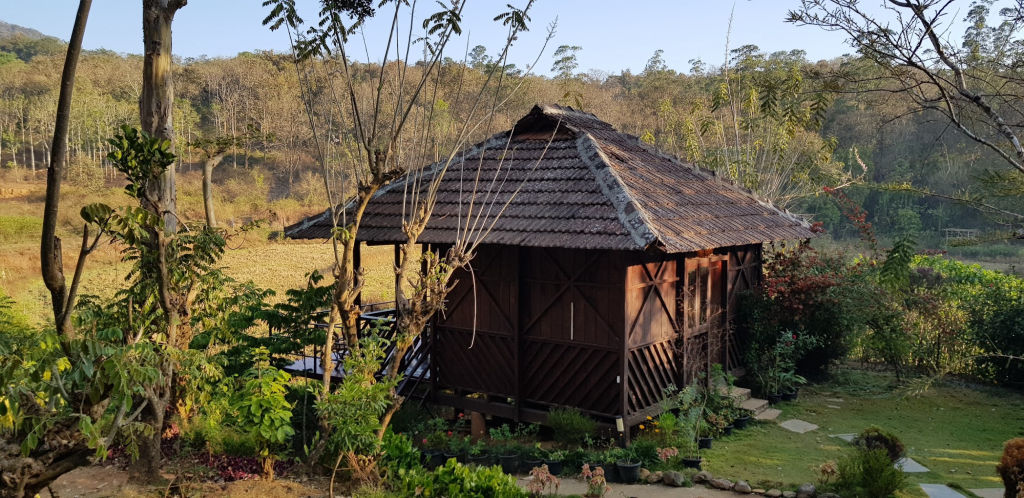
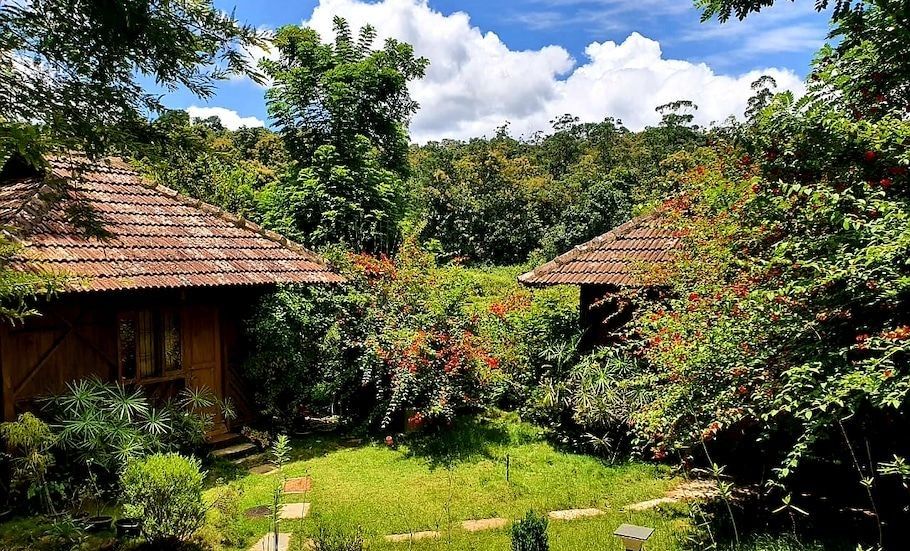
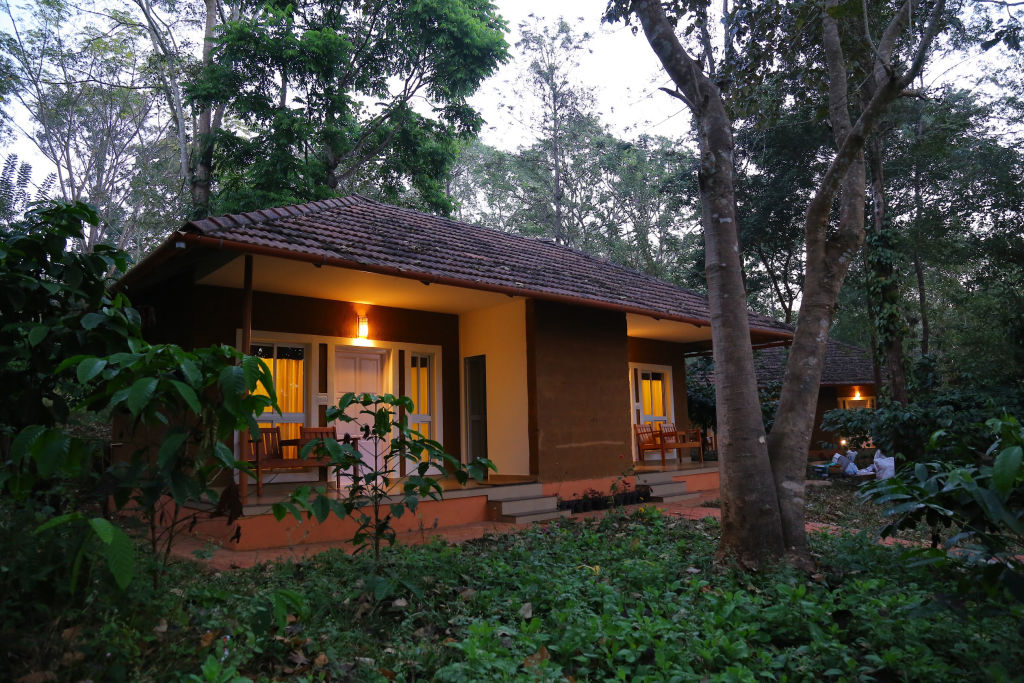
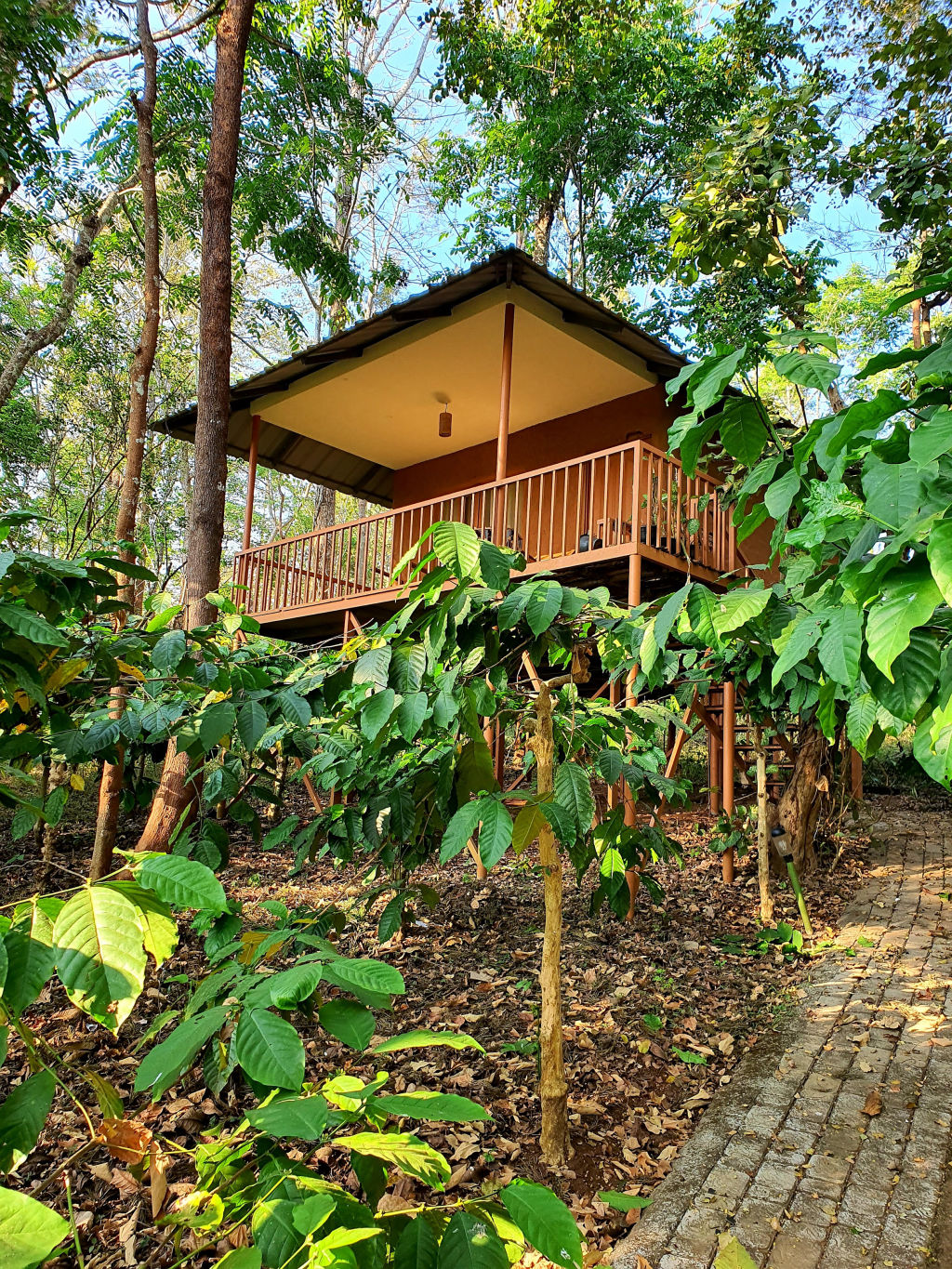
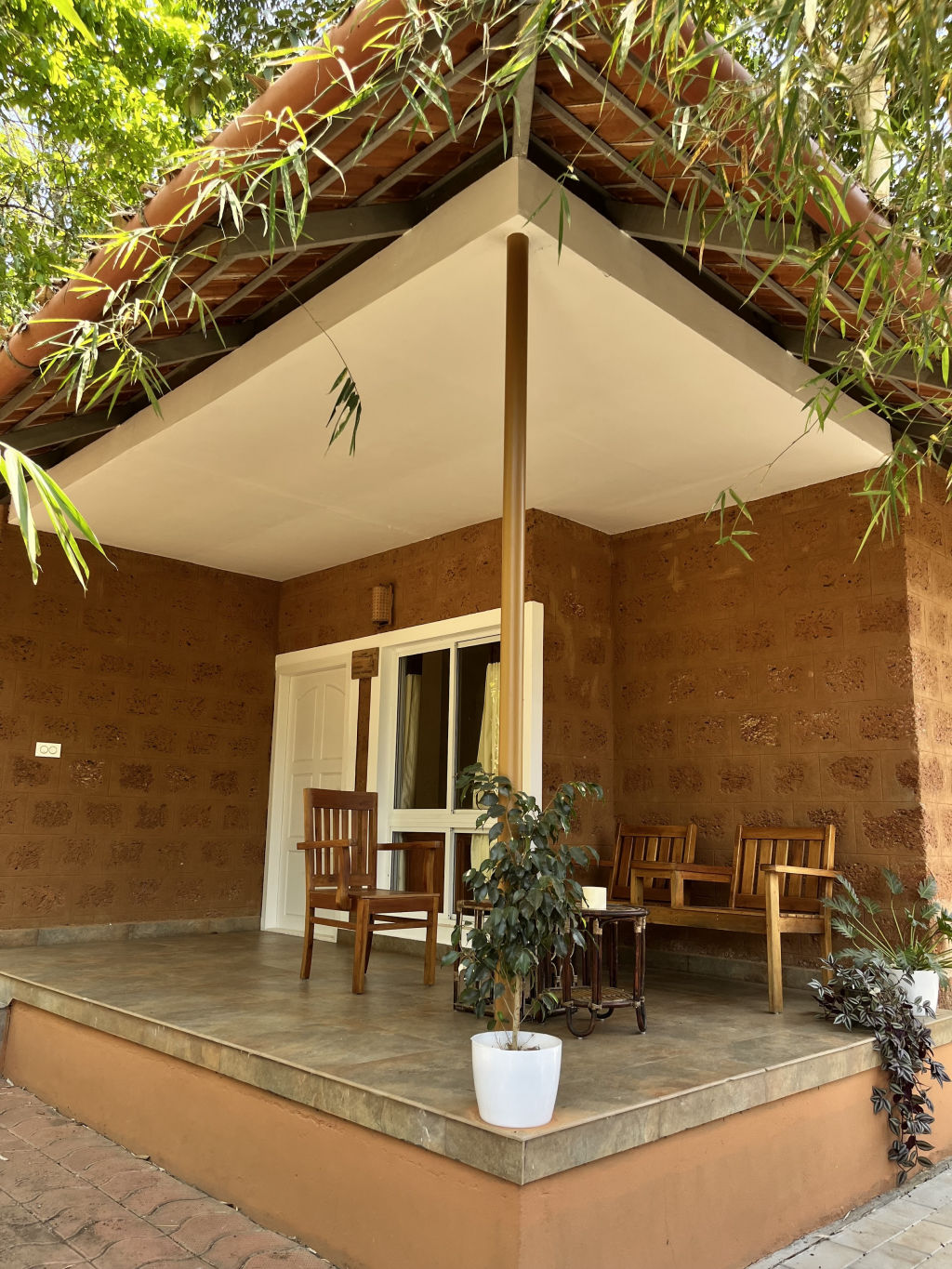
While the immediate vicinity of Kottiyoor offers basic amenities and seasonal pilgrimage lodgings, a wider variety of comfortable accommodations can be found throughout the nearby foothills and the Wayanad plateau. Staying in a peaceful homestay, eco-retreat, or nature campsite allows you to immerse yourself in the serene Western Ghats landscape, waking up to the sounds of river currents and forest birds.
Travellers looking for reliable homestays, rural retreats, and experiential stays close to Kottiyoor and the surrounding reserves can find and book vetted options directly on HireACamp. Booking in advance is particularly advisable if your journey coincides with the peak days of the Vysakha Mahotsavam festival, when regional accommodations experience high demand.
Frequently asked questions
Where is Kottiyoor Temple located?
Kottiyoor Temple is located in the Kannur district of Kerala, along the banks of the Bavali River near the foothills of the Western Ghats, with Thalassery being the nearest prominent town.
What is unique about the two shrines at Kottiyoor?
Kottiyoor comprises Ikkare Kottiyoor, a regular temple open year-round on the western bank of the river, and Akkare Kottiyoor, an open forest shrine on the eastern bank that opens only for twenty-seven days during the annual Vysakha festival.
What is the best time to visit Kottiyoor Temple?
The festival season during May and June is the best time to experience the ancient Vysakha rituals, while the winter months from October to February offer cool, pleasant weather ideal for quiet visits and sightseeing.
How can travellers reach Kottiyoor Temple?
Travellers can reach Kottiyoor by road from Thalassery railway station or Kannur International Airport, with regular buses and private taxis connecting through scenic foothill routes.
What should visitors keep in mind when visiting during the monsoon?
Visitors should prepare for heavy rainfall by carrying sturdy rain gear, slip-resistant footwear, and protective covers for electronics, while also checking local festival schedules and travel advisories.
Where you'll be
Thalassery · 9 stays nearby shown with prices
Stays near Kottiyoor Temple
Book a place to stay close by
More places near Kottiyoor Temple
Within 20 km


Built from 0 Instagram posts by 0 creators. Every tip links back to the post it came from, and where creators disagree we show both sides.






