
Kukke Subramanya Temple
Temple near Yedakumeri, Karnataka
18 km from Yedakumeri
The nearest town, for stays, food and fuel.
Kukke Subramanya Temple is a revered Hindu pilgrimage destination located in the village of Subramanya in the Dakshina Kannada district of Karnataka. Nestled in the foothills of the Western Ghats beneath the towering Kumara Parvatha peak, the temple is dedicated to Lord Subrahmanya, the protector of serpents. Devotees and nature enthusiasts visit throughout the year, drawn both by sacred rituals and the extraordinary natural beauty of the surrounding rainforests and mountain streams.
Getting there
By road
- From YedakumeriNearest town1 hr 20 min · 46 km
- From Mangaluru2 hr 15 min · 105 km
- From Mysuru4 hr · 173 km
- From Bengaluru6 hr 20 min · 319 km
Typical drive times without traffic. Stations and airports from OLA Maps; distances and typical drive times from OpenStreetMap (© OpenStreetMap contributors); notes from creators' Reels.
About Kukke Subramanya Temple
Written with AI from map data and general knowledge. Check prices and timings locally before you go.
About Kukke Subramanya Temple
Kukke Subramanya Temple stands as one of the most sacred pilgrimage centers in Karnataka, celebrated for its unique spiritual traditions and dramatic geographic setting. According to regional lore, this is the sanctified ground where the divine serpent king Vasuki sought refuge from Garuda and was granted eternal protection by Lord Subrahmanya. As a result, the deity here is worshiped as the guardian of serpents, making the shrine a central point for prayers seeking solace from ancestral and serpent-related astrological doshas.
The temple architecture exhibits traditional coastal Karnataka styles, complete with timber-supported tiled roofs, a paved inner courtyard, and an ornate silver-plated Garuda pillar at the entrance. The sanctuary is situated on the banks of the sacred Kumaradhara river, where pilgrims customarily bathe before stepping into the inner shrines. Surrounded by dense evergreen canopies and mist-veiled hills, the temple offers a contemplative atmosphere that blends deep spiritual reverence with the quiet power of the Western Ghats.
Rituals and Temple Traditions
The daily life of Kukke Subramanya revolves around time-honored rituals that draw worshippers from across India. Among the most significant ceremonies conducted here are Sarpa Samskara and Ashlesha Bali, dedicated to propitiating serpent deities and offering prayers for health, fertility, and well-being. These rites are conducted according to strict Vedic customs by resident priests and often require prior reservation, especially during auspicious days and festival periods.
Pilgrims visiting the temple follow traditional practices that emphasize purity and surrender. Taking a holy dip in the cool waters of the Kumaradhara river is considered an integral first step before proceeding to the sanctum. Inside the temple complex, visitors can also offer worship at subsidiary shrines dedicated to deities such as Lord Ganesha, Kukke Linga, and Uma Maheshwara. The temple community also serves mid-day and evening temple meals (annadana) to visitors, exemplifying the enduring South Indian tradition of feeding pilgrims.
Read more
The Kumara Parvatha Connection
Beyond its religious prominence, Kukke Subramanya serves as the launching ground for the famed Kumara Parvatha trek, one of the most challenging and scenic hiking routes in Southern India. The peak, also known as Pushpagiri, forms the imposing mountain backdrop directly behind the temple complex and rises into cloud-covered shola grasslands.
The trekking trail begins just behind the temple outskirts and winds steeply through thick tropical rainforests, rocky ledges, and open ridges that overlook deep valleys. Hikers often spend two days conquering the steep ascent, pausing midway at clearing shelters before continuing to the peak. Because the trek traverses protected forest areas, trekkers must register locally with forest department checkpoints and respect strict conservation guidelines regarding waste, fire, and camping.
Best Time to Visit Kukke Subramanya
The best time to visit Kukke Subramanya is between October and March, when the post-monsoon freshness settles into a cool and pleasant winter climate. During these months, daytime temperatures remain moderate and the hill trails are easily navigable, making temple visits and outdoor excursions comfortable.
The monsoon season, extending from June to September, brings intense rainfall to the Western Ghats. While the landscape turns vibrant green, streams swell rapidly, and waterfalls roar to life, travel can be disrupted by heavy rains and river currents can be hazardous for bathing. Summers, from March to May, tend to be warm and humid in the foothills, which can make walking barefoot around the stone temple courtyard demanding during the middle of the day. If visiting during summer, mornings and late evenings are the most pleasant times for temple visits.
How to Reach Kukke Subramanya
Kukke Subramanya is well connected by road and rail to major towns across Karnataka. The Subrahmanya Road railway station is situated roughly twelve kilometers from the temple town, with regular passenger and express trains operating along the Mangalore-Hassan-Bangalore rail line. Local buses and taxis run frequently between the railway station and the temple entrance.
By road, state-run transport buses and private vehicles connect Subramanya to major hubs like Mangalore, Udupi, Hassan, Mysore, and Bangalore. The drive through the Western Ghats via the Shiradi or Bisle ghat sections provides sweeping views of tropical hillsides and valleys. The nearest airport is Mangalore International Airport, which lies within reasonable driving distance and serves flights from major Indian cities.
Places to Visit Around Kukke Subramanya
The countryside surrounding Subramanya is dotted with secluded shrines, flowing rivers, and dramatic natural spots. A short drive away lies the ancient Panchalingeshwara Temple in Panja, known for its historic architecture and serene village atmosphere. Further south, the Sri Chennakeshava Temple and the Thodikana Sri Mallikarjuna Temple offer quiet settings along the course of the Payaswini River, an ideal area to observe rural Dakshina Kannada life.
Nature enthusiasts can explore natural water bodies such as Chamadka Waterfalls and Jeeni Water Falls, which tumble down forested slopes after the seasonal rains. For those willing to venture further into the highlands, the mountain roads lead up toward the hill country of Coorg, where mist-laden viewpoints such as Raja's Seat in Madikeri reveal panoramic vistas of the surrounding Western Ghats.
Tips for Your Visit
Visitors planning a trip to Kukke Subramanya should bear in mind standard temple customs. Traditional attire is customary for entering the inner enclosures, with men expected to remove their shirts and women wearing traditional garments such as sarees or salwar suits. Removing footwear before stepping into the paved temple perimeter is mandatory.
Weekends, public holidays, and specific auspicious dates such as Nagapanchami and Champa Shashti see large gatherings of devotees, resulting in longer queues for darshan and river bathing. If you intend to perform specialized rituals, verify the necessary timings and availability locally upon arrival or through regional channels. During the monsoon, take extra care around the steps leading down to the Kumaradhara river, as stone surfaces can become slippery and water levels can rise swiftly.
Where to Stay near Kukke Subramanya
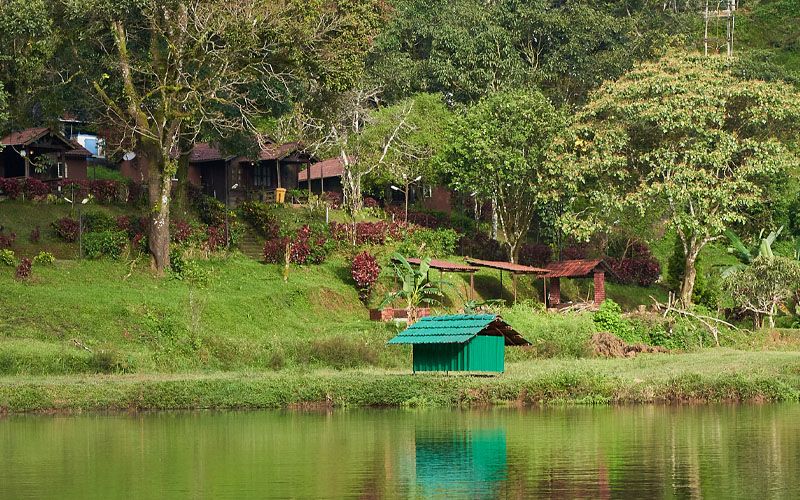
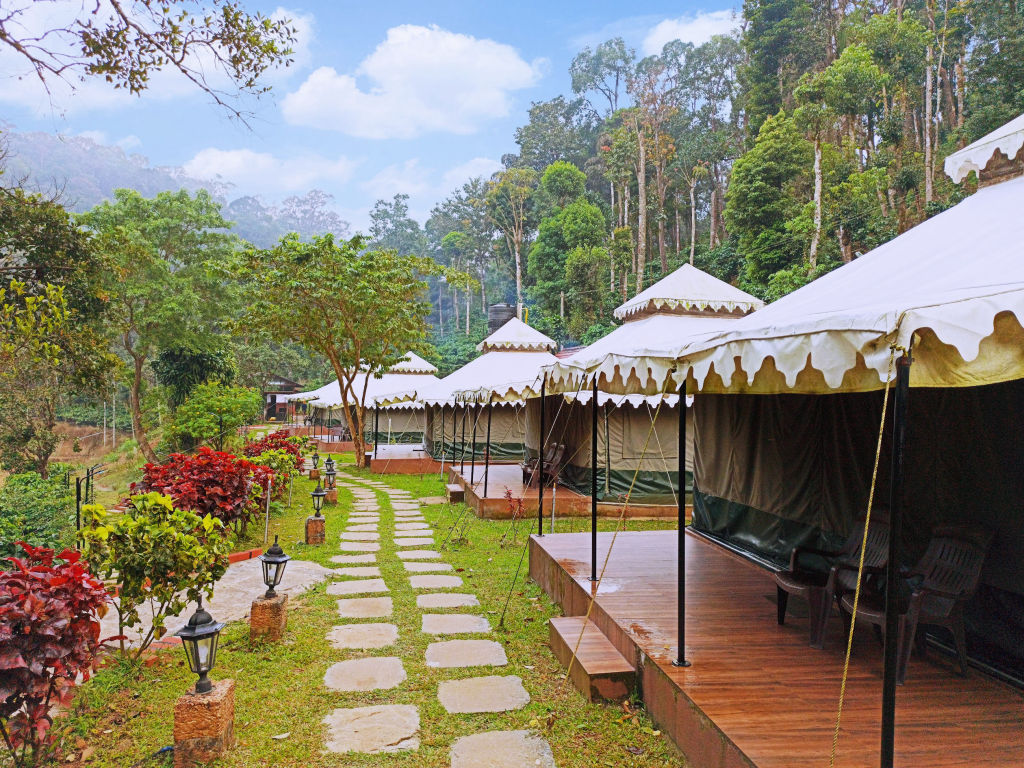
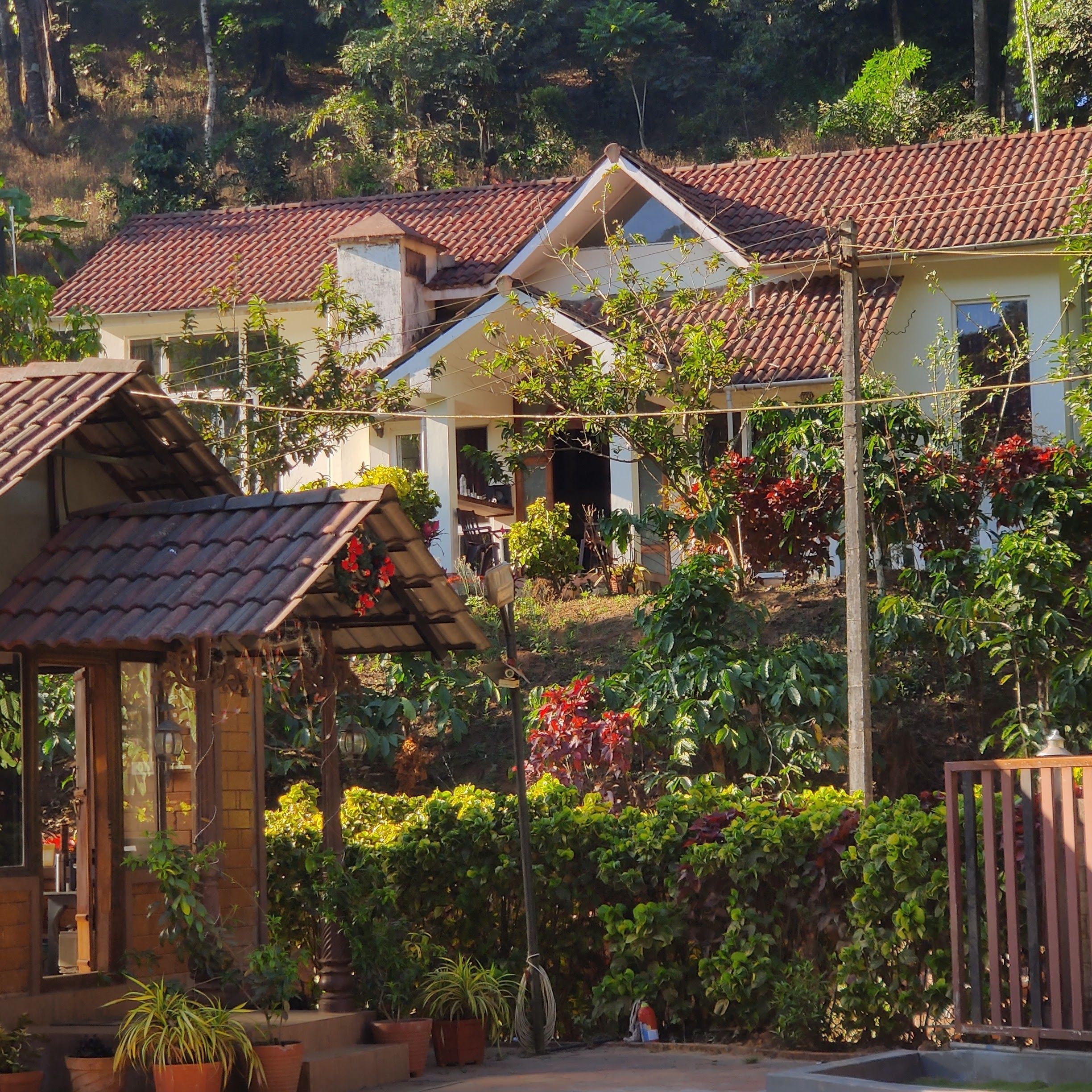
Accommodation options in and around Subramanya cater to both pilgrims looking for modest lodging near the sanctum and travelers seeking peaceful retreats in the Western Ghats. While simple guest rooms are found throughout the main town, visitors who want an immersive experience of nature can stay further out amidst betel nut plantations, coffee estates, and forested valleys.
For a peaceful getaway, travelers can discover curated homestays, nature retreats, and eco-friendly campsites through HireACamp. Booking a stay in the surrounding hills allows you to experience traditional Malnad hospitality, home-cooked regional meals, and peaceful evenings far from the bustle of town centers.
Frequently asked questions
What is Kukke Subramanya Temple famous for?
The temple is renowned as a primary pilgrimage center for Lord Subrahmanya, who is revered as the protector of serpents. Devotees visit specifically to perform sacred ceremonies like Sarpa Samskara and Ashlesha Bali to remove astrological doshas.
Is there a dress code at Kukke Subramanya Temple?
Yes, traditional Indian attire is required to enter the inner sanctum. Men must remove their upper clothing, shirts, and vests, while women are expected to wear sarees, half-sarees, or salwar kameez.
Which is the nearest railway station to Kukke Subramanya?
The nearest railway stop is Subrahmanya Road railway station, located approximately twelve kilometers from the temple. Taxis, auto-rickshaws, and local state buses regularly operate between the station and the temple.
Can beginners attempt the Kumara Parvatha trek from the temple?
The Kumara Parvatha trek is considered one of the steepest and most physically demanding treks in Karnataka. While possible for beginners with good physical fitness, it requires stamina, preparation for rugged terrain, and compliance with local forest regulations.
Can visitors bathe in the Kumaradhara river throughout the year?
Pilgrims bathe in the river across most seasons as part of temple rituals, but care must be taken during the peak monsoon months when water levels rise significantly and currents become strong.
Where you'll be
Kukke, Karnataka · 3 stays nearby shown with prices
Stays near Kukke Subramanya Temple
Book a place to stay close by
More places near Kukke Subramanya Temple
Within 20 km

Built from 0 Instagram posts by 0 creators. Every tip links back to the post it came from, and where creators disagree we show both sides.






