
Pushpagiri
Peak near Yedakumeri, Karnataka
17 km from Yedakumeri
The nearest town, for stays, food and fuel.
Pushpagiri is one of the highest and most prominent peaks in the Western Ghats of Karnataka, rising majestically within the Pushpagiri Wildlife Sanctuary. Renowned for its rugged terrain, dense evergreen forests, and sweeping shola grasslands, it attracts trekkers, pilgrims, and nature enthusiasts seeking wilderness. The summit delivers expansive panoramic views across the mist-shrouded valleys and ridges of the Kodagu and Dakshina Kannada border.
Getting there
By road
- From YedakumeriNearest town1 hr 15 min · 41 km
- From Mysuru3 hr 20 min · 141 km
- From Mangaluru3 hr 25 min · 150 km
- From Bengaluru5 hr 35 min · 287 km
Typical drive times without traffic. Stations and airports from OLA Maps; distances and typical drive times from OpenStreetMap (© OpenStreetMap contributors); notes from creators' Reels.
About Pushpagiri
Written with AI from map data and general knowledge. Check prices and timings locally before you go.
The landscape of Pushpagiri Peak
Pushpagiri, also frequently associated with the Kumara Parvatha mountain range, stands out as an imposing landmark in Karnataka's Western Ghats. The mountain forms an integral part of an ecologically sensitive belt known for its rugged geography, deep valleys, and high-altitude plateau formations. As you ascend, the terrain shifts noticeably from dense tropical wet evergreen and semi-evergreen forests to vast stretches of montane shola grasslands clinging to sheer rock faces.
The summit itself commands sweeping vistas of the surrounding protected forest reserves and mountain chains. On clear mornings, sheets of white mist pool in the valleys below, creating the appearance of floating above a cloud canopy. The geographical prominence of Pushpagiri makes it both a striking focal point on the horizon and an exhilarating vantage point overlooking untouched forest wilderness.
Trekking routes to Pushpagiri
Pushpagiri is among the most sought-after trekking peaks in southern India, celebrated for its physical demands and rewarding trails. Hikers generally approach the peak from two distinct directions: the northern approach from the Kodagu district side via Bidalli and Somwarpet, and the southern approach starting from Kukke Subramanya.
The route starting near Bidalli is often chosen by those who prefer a relatively shorter ascent through lush wooded foothills and coffee estate fringes before entering the forest check post. This trail meanders past peaceful streams, small rustic shrines including the Shanthamallikarjuna Temple near the base, and thick bamboo clumps before breaking out into steep grassland climbs.
The trail originating from the temple town of Kukke Subramanya presents a sustained and rigorous test of stamina. It climbs steadily through dense canopy, passes intermediate rest points along the mountain ridge, and involves negotiating steep rocky inclines exposed to the sun and wind. Regardless of the route chosen, navigating the slopes of Pushpagiri requires good physical fitness, careful footing on granite slabs, and self-sufficiency.
Read more
Wildlife and biodiversity in the sanctuary
Pushpagiri Peak is enveloped by the Pushpagiri Wildlife Sanctuary, an area recognized for its remarkable ecological value. The surrounding forests serve as a vital catchment area for regional rivers and streams while harbouring an impressive variety of flora and fauna adapted to high-rainfall montane ecosystems.
Trekkers and naturalists moving through the lower canopy often spot various endemic birds, such as the Malabar grey hornbill, white-bellied treepie, and Nilgiri wood pigeon. Mammals native to these woods include the Indian elephant, gaur, sambar deer, barking deer, wild boar, and the elusive leopard, alongside arboreal animals like the Malabar giant squirrel and bonnet macaque. Due to the dense vegetative cover and quiet trail sections, reptile and amphibian diversity is equally pronounced, especially during the wetter months.
Best time to visit Pushpagiri
The ideal time to plan a visit to Pushpagiri is from October through February. During the post-monsoon and winter months, the weather remains cool and relatively dry, offering clear horizons, pleasant daytime hiking temperatures, and stunning sunrises over mist-filled gorges.
Monsoon season, stretching from June to September, brings intense downpours to this part of the Western Ghats. While the landscape turns extraordinarily green and regional streams roar with fresh rainwater, trails become slick, waterlogged, and heavily populated with leeches. Forest authorities also restrict access during peak monsoon due to weather-related hazards, making it important to confirm trail status before setting out.
March to May marks the pre-monsoon summer season. Days can turn dry and warm, particularly along the exposed grassland ridges where there is little to no tree shade. Hikers attempting the climb in summer must carry extra water and start early to avoid the peak afternoon heat.
How to reach Pushpagiri
Pushpagiri can be accessed either from the Kodagu side through Somwarpet or from the coastal plain side through Kukke Subramanya in Dakshina Kannada district, depending on your preferred trekking route.
For those taking the Bidalli trail from the Somwarpet side, Madikeri and Hassan are convenient hubs. Somwarpet is well connected by road to major towns in Karnataka, and local taxis or rural buses can transport hikers to the base villages where trails begin.
If you prefer the Kukke Subramanya trail, the town has its own railway station, Subrahmanya Road, located a short drive from the temple town. Kukke Subramanya is also directly linked by state transport buses to Mangalore, Hassan, and Bengaluru. From either base, private vehicles or local jeeps are commonly used to bridge the last stretch to the trailhead.
Tips for your visit
A trek to Pushpagiri requires thorough preparation. Ensure you wear sturdy trekking shoes with reliable traction, as paths feature wet rocks, loose gravel, and steep earthen inclines. Pack sufficient drinking water and high-energy snacks, as there are no food stalls or reliable potable water sources on the higher reaches of the mountain.
Because the peak lies inside a protected wildlife sanctuary, forest regulations are strictly enforced. Visitors are prohibited from littering, lighting campfires, playing loud music, or leaving the designated trail network. Trekkers should also be prepared for leeches in wet weather by wearing gaiters or carrying salt and insect repellent. Checking local forest guidelines before departing is strongly advised, as rules concerning overnight stays on the summit change periodically.
Places to visit around Pushpagiri
The area around Pushpagiri offers several scenic and cultural landmarks worth combining into a broader itinerary. At the mountain base on the Somwarpet approach sits the serene Shanthamallikarjuna Temple, while the historic pilgrimage destination of Kukke Subramanya Temple rests on the western foothills, surrounded by rich traditions and temple architecture.
Further south in Kodagu, visitors can explore the undulating views at Mandalapatti or visit Raja's Seat in Madikeri for sunset vistas. Natural water bodies like Jeeni Falls provide refreshing spots to unwind after strenuous physical exertion. For wildlife enthusiasts, extending the journey southward toward the elephant camp area at Dubare allows for quiet riverbank walks along the Cauvery.
Where to stay near Pushpagiri
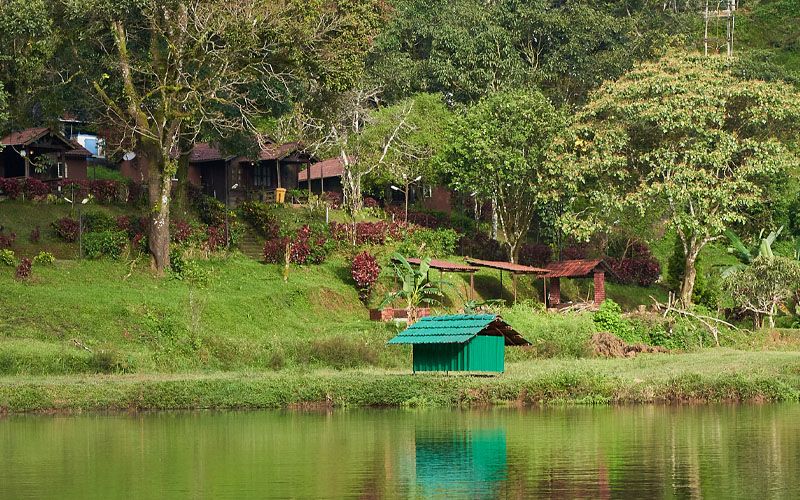
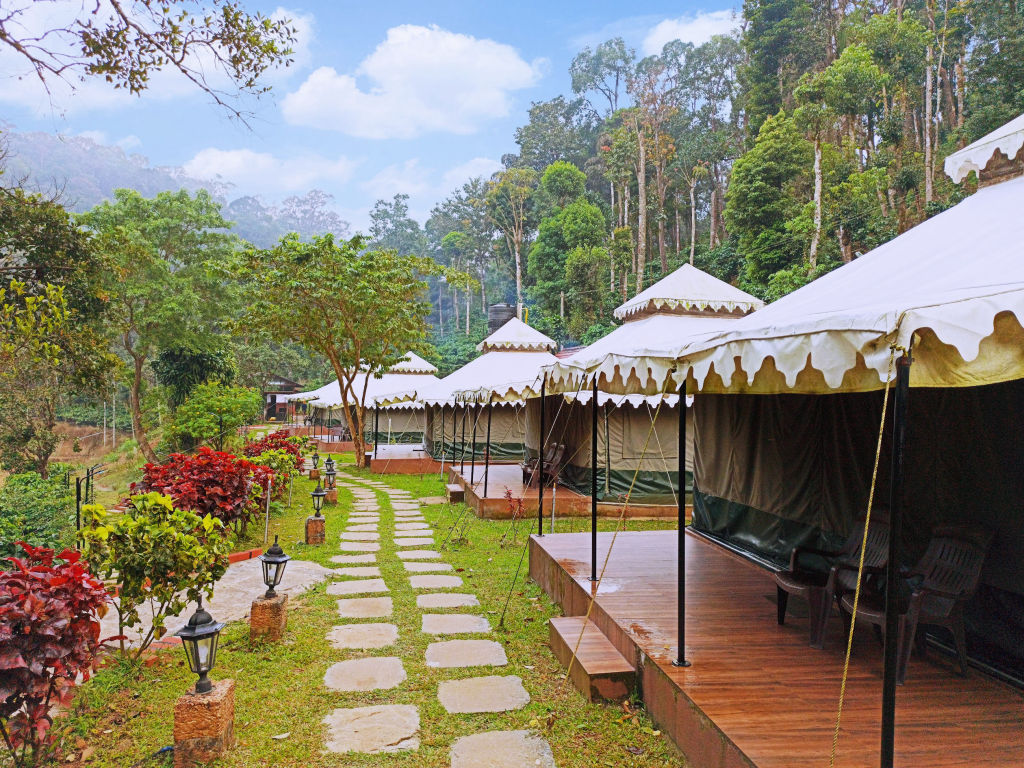
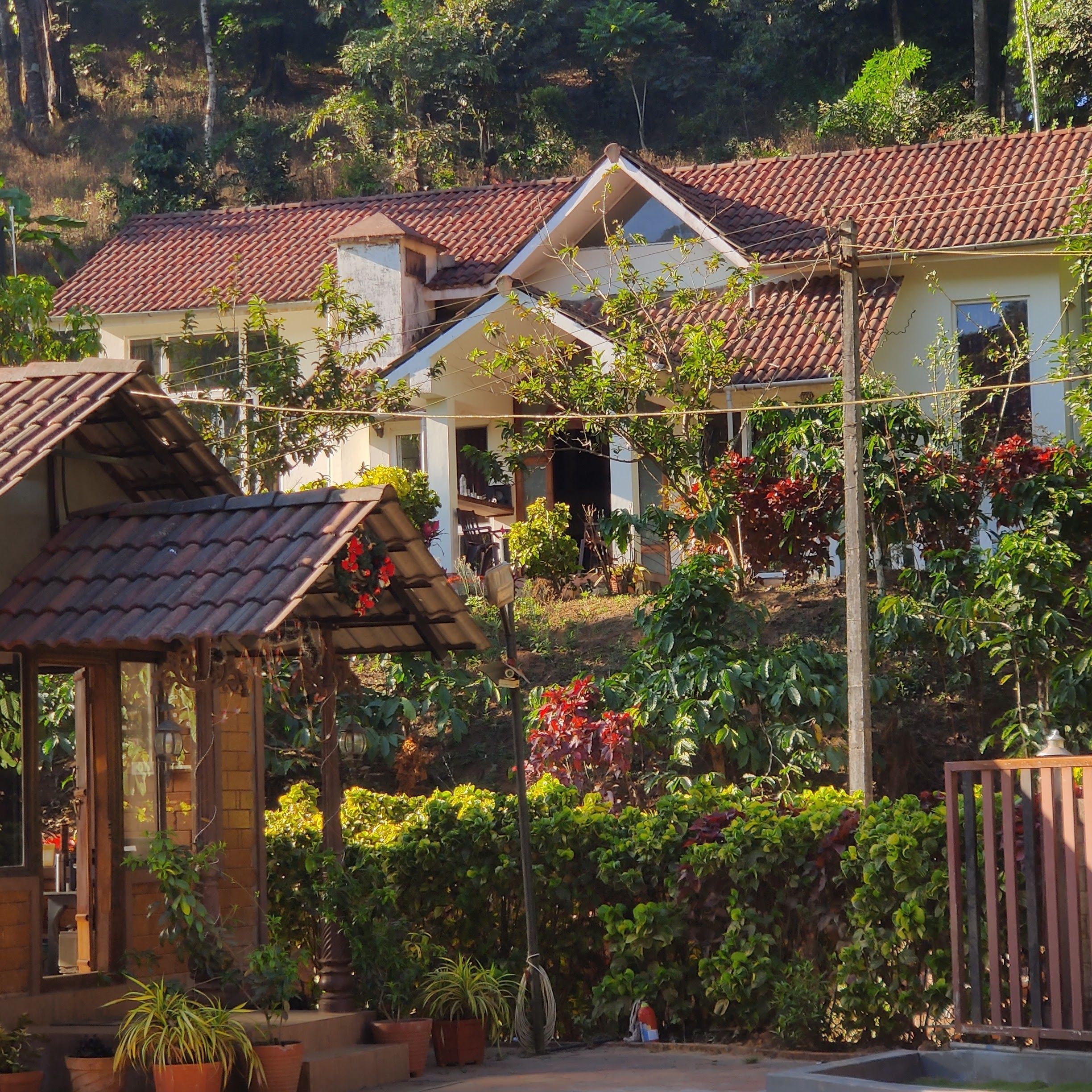
Travellers visiting Pushpagiri will find a wide variety of accommodation choices on both sides of the mountain range. For those trekking from the Somwarpet or Madikeri approaches, quiet rural homestays, plantation retreats, and scenic outdoor campsites are scattered throughout the surrounding coffee estates and rolling hills. On the Kukke Subramanya side, pilgrim guesthouses and comfortable lodges cater to both trekkers and temple visitors. You can explore and book suitable camps, homestays, and regional stays nearby directly on HireACamp.
Frequently asked questions
Is trekking to Pushpagiri difficult?
Pushpagiri is regarded as a moderately difficult to strenuous trek due to its length, steep gradient, and rocky terrain. Hikers should possess a reasonable level of physical fitness and wear proper trekking footwear.
Do I need permission to trek Pushpagiri?
Yes, because Pushpagiri is located within a protected wildlife sanctuary, trekkers must register and obtain entry clearance from the Karnataka Forest Department at the forest check post. Regulations regarding daily entry caps and camping can vary, so check locally before you go.
Which side of the peak is easier to climb?
The northern route from the Somwarpet or Bidalli side is generally shorter and involves a somewhat gentler initial climb compared to the long, sustained ascent starting from Kukke Subramanya.
Are leeches common on the Pushpagiri trail?
Leeches are very common during the monsoon season and continue to appear in damp, shaded forest patches through the early post-monsoon months. Wearing ankle gaiters and carrying salt or insect repellent is helpful.
Can I camp overnight on Pushpagiri Peak?
Overnight camping directly on the summit is generally restricted by forest authorities to preserve the sanctuary's ecology and protect wildlife. Hikers typically complete the trek in a single day or stay at designated base camps and nearby homestays.
Where you'll be
Karnataka · 3 stays nearby shown with prices
Stays near Pushpagiri
Book a place to stay close by
More places near Pushpagiri
Within 20 km


Built from 0 Instagram posts by 0 creators. Every tip links back to the post it came from, and where creators disagree we show both sides.






