
Pushpagiri Wildlife Sanctuary
Wildlife sanctuary near Madapur, Karnataka
18 km from Madapur
The nearest town, for stays, food and fuel.
Pushpagiri Wildlife Sanctuary is an expansive protected wilderness in the Kodagu district of Karnataka, located north of Madikeri. Covering steep hills, dense evergreen forests, and misty grasslands of the Western Ghats, it is recognized globally for its remarkable biodiversity. Trekkers, birdwatchers, and nature lovers visit the sanctuary to experience tranquil mountain trails, cascading streams, and untamed native wildlife.
Getting there
By road
- From MadapurNearest town50 min · 24 km
- From Mysuru3 hr 20 min · 138 km
- From Mangaluru3 hr 40 min · 165 km
- From Bengaluru5 hr 35 min · 285 km
Typical drive times without traffic. Stations and airports from OLA Maps; distances and typical drive times from OpenStreetMap (© OpenStreetMap contributors); notes from creators' Reels.
About Pushpagiri Wildlife Sanctuary
Written with AI from map data and general knowledge. Check prices and timings locally before you go.
About Pushpagiri Wildlife Sanctuary
Pushpagiri Wildlife Sanctuary covers a vast swath of rugged terrain in the northern stretches of Kodagu, Karnataka. The sanctuary forms a vital ecological corridor within the Western Ghats, which is recognized globally as a biodiversity hotspot and a World Heritage site. Dominated by the soaring Pushpagiri peak, also locally associated with the Kumaraparvatha range, the topography here transitions from steep evergreen slopes to rolling high-altitude shola grasslands and rocky precipices.
Because of its geographic elevation and dense tree canopy, the sanctuary functions as an essential catchment area for local rivers and mountain streams. The atmosphere remains quiet and removed from commercial tourism, making it an ideal destination for those who want to see the Western Ghats in their most pristine and natural condition. Much of the reserve remains heavily wooded, preserving centuries-old trees, moss-draped branches, and delicate microhabitats that thrive beneath the damp forest canopy.
Wildlife and native bird species
The dense forests of Pushpagiri provide shelter to an impressive array of mammals, birds, reptiles, and amphibians. Among the larger animals, Asian elephants, wild dogs, sambar deer, barking deer, spotted deer, and leopards inhabit the deeper folds of the forest. The arboreal canopy is home to the Malabar giant squirrel and various primates that navigate the towering trees with agility.
Bird enthusiasts will find the sanctuary especially rewarding, as it serves as a haven for several endemic and threatened bird species of the Western Ghats. Observant visitors may spot the Malabar grey hornbill, Nilgiri wood pigeon, white-bellied blue flycatcher, and grey-headed bulbul foraging among the fruiting trees. The forest floor and seasonal stream beds also support a multitude of rare frogs, butterflies, and reptiles that come alive during and immediately following the seasonal monsoon rains.
Read more
Trekking and outdoor exploration
Trekking is the primary way to experience Pushpagiri Wildlife Sanctuary. The sanctuary is crisscrossed by established forest trails that challenge hikers with steep climbs, boulder-strewn paths, and humid forest stretches before opening onto windswept grassland ridges. The trek towards Pushpagiri peak offers wide panoramas of the undulating mountain ranges that divide Kodagu from neighboring districts.
Because the terrain inside the sanctuary is fragile and strictly protected, walking through these trails requires stamina, focus, and a deep respect for the natural environment. While walking the designated paths, hikers can observe changing forest types as altitude increases, shifting from moist semi-evergreen woods at lower elevations to stunted shola thickets and open montane grasslands near the ridges.
Best time to visit
The optimal time to visit Pushpagiri Wildlife Sanctuary is from October to March. During these post-monsoon and winter months, the rains subside, skies clear up, and temperatures are pleasant for day-long outdoor walking. Daytime weather remains comfortably cool, while mornings and evenings often feature rolling mountain mist and crisp breezes.
The monsoon period between June and September brings relentless downpours to this part of the Western Ghats. While the landscape turns intensely green and waterfalls roar to life, trail conditions become slippery, streams swell unpredictably, and forest leeches multiply in vast numbers. Most outdoor trekking activities become difficult during this time. The pre-summer period from late February to April sees warmer afternoons and drier foliage, though early mornings remain mild.
How to reach Pushpagiri Wildlife Sanctuary
Pushpagiri Wildlife Sanctuary is accessible from Madikeri, which sits roughly twenty to thirty kilometers south of the reserve boundaries, as well as from the town of Somwarpet to the east. Travelers arriving from major cities such as Bengaluru, Mysuru, or Mangaluru can take public transport or drive to Madikeri or Somwarpet before heading toward the sanctuary entry gates via local roads.
The nearest domestic and international air terminal is at Mangaluru, while broad-gauge railway stations are located in Mysuru and Hassan. From any of these transport hubs, private taxis and regional buses run regularly into Kodagu district. Having a private vehicle or hiring a local taxi makes reaching specific trailheads and forest checkpoints much simpler, as public transport direct to the sanctuary fringes can be infrequent.
Tips for your visit
Visitors to Pushpagiri Wildlife Sanctuary should plan ahead and travel responsibly. Because it is a designated forest reserve, forest department permissions and entry registrations are often required at the forest checkposts before venturing onto the trails. Check locally with forestry officials or local guides regarding current trail access and any seasonal safety restrictions.
Carry adequate drinking water, high-energy snacks, and basic first-aid supplies, as there are no commercial shops or stalls inside the reserve. Wear sturdy, broken-in trekking shoes with good grip to handle loose gravel and slick rocks. If visiting right after the rainy season, carry leech socks or salt. Always adhere to strict leave-no-trace ethics by packing out all your trash, avoiding plastic disposables, and refraining from playing loud music or disturbing wild animals.
Places to visit nearby
A trip to Pushpagiri Wildlife Sanctuary can easily be combined with exploring the scenic sights of the broader Kodagu region. Madikeri, the district headquarters, offers popular viewpoints such as Raja's Seat, where kings once watched the sunset across deep valleys. The town also features historical fortifications and lively markets filled with local spices and coffee beans.
Further south, the village of Kakkabe provides access to cultural landmarks, traditional ancestral homes, and trails leading up to Tadiandamol peak. To the east and along the Cauvery River basin, areas like Dubare showcase the riverine landscape and historical elephant habitats. Exploring these surrounding pockets offers a well-rounded glimpse into the nature, heritage, and everyday culture of Coorg.
Where to stay near Pushpagiri
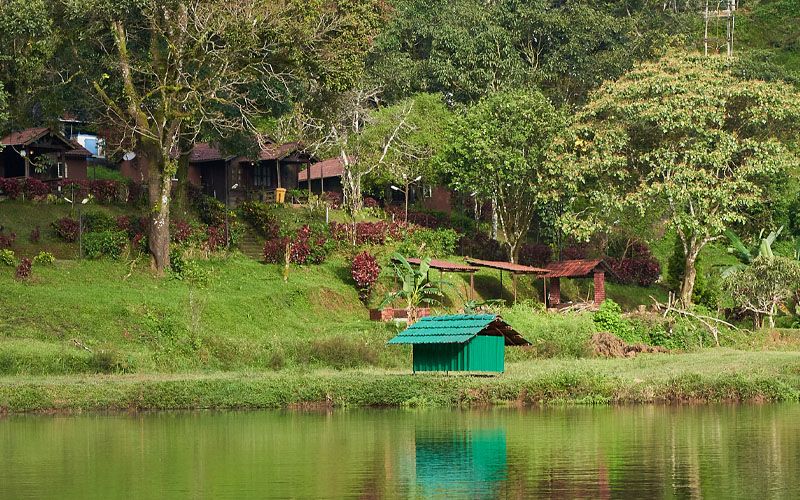
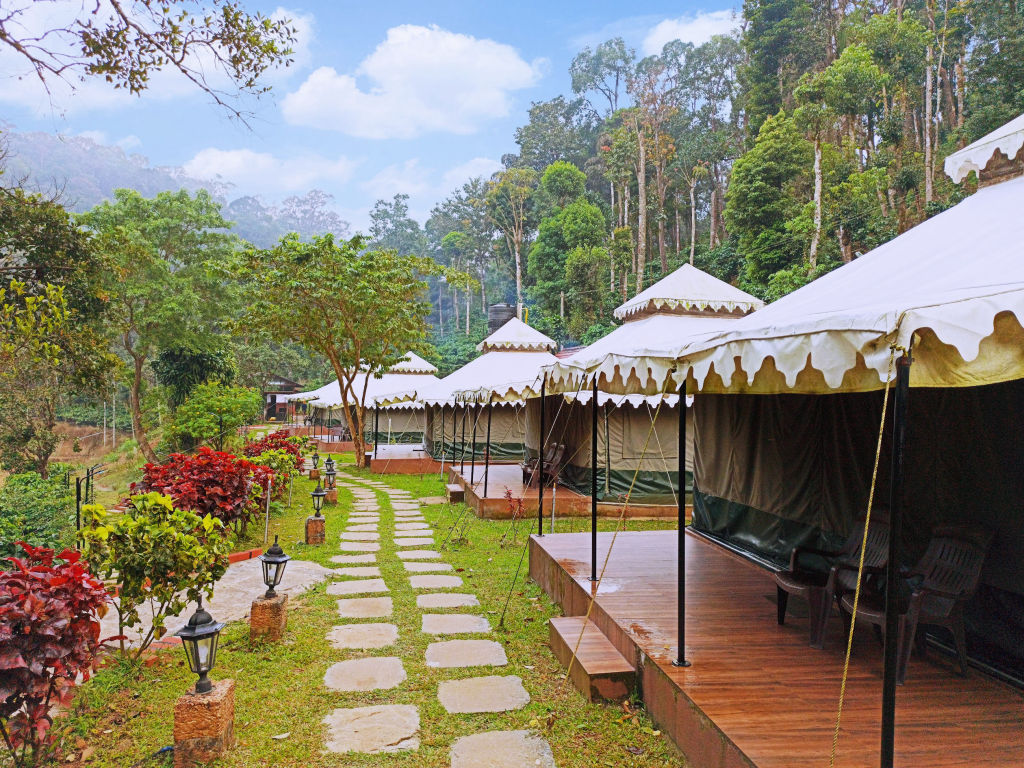
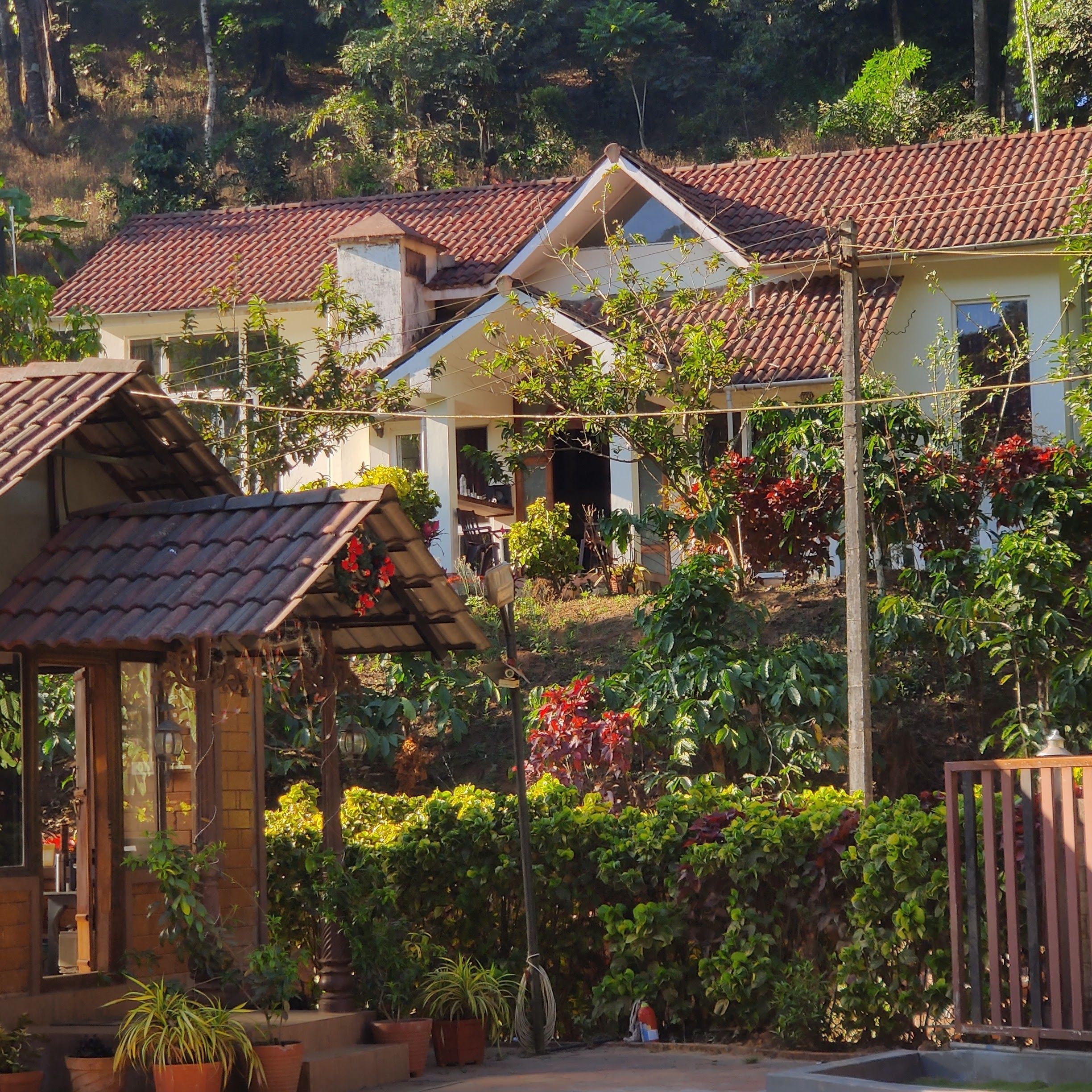
There are no commercial hotels or resorts permitted inside the core zone of Pushpagiri Wildlife Sanctuary. However, comfortable accommodations can be found in the countryside surrounding Somwarpet, Madikeri, and along the plantation belts bordering the reserve.
Travelers seeking an immersive nature getaway can find peaceful rustic camps, estate homestays, and plantation cottages listed on HireACamp. Staying on a nearby coffee plantation or in a rural village lets you experience genuine Kodagu hospitality, home-cooked regional meals, and easy access to sanctuary trailheads in the early morning.
Frequently asked questions
Where is Pushpagiri Wildlife Sanctuary located?
Pushpagiri Wildlife Sanctuary is located in the northern region of the Kodagu district in Karnataka, near the town of Madikeri and close to Somwarpet.
Do I need permission to trek in Pushpagiri Wildlife Sanctuary?
Yes, forest department permits or trail registrations are generally mandatory before hiking within the sanctuary. Travellers should check current procedures locally at the entry checkpost.
What kind of wildlife can be seen at Pushpagiri?
The sanctuary is home to Asian elephants, leopards, sambar deer, barking deer, wild dogs, and Malabar giant squirrels, along with a wide range of endemic birds and amphibians.
Which months are best for visiting Pushpagiri Wildlife Sanctuary?
The best months to visit are between October and March, when the weather is cool, trails are dry, and visibility across the mountain peaks is clear.
Can visitors camp inside the sanctuary?
Camping inside the core wildlife sanctuary is restricted by the forest department. Visitors can book approved camping sites and homestays on private land just outside the sanctuary boundary on HireACamp.
Where you'll be
Mercara · 3 stays nearby shown with prices
Stays near Pushpagiri Wildlife Sanctuary
Book a place to stay close by
More places near Pushpagiri Wildlife Sanctuary
Within 20 km


Built from 0 Instagram posts by 0 creators. Every tip links back to the post it came from, and where creators disagree we show both sides.






