
Lama Dugh
Viewpoint near Vashisht, Himachal Pradesh
1.6 km from Vashisht
The nearest town, for stays, food and fuel.
Lama Dugh is an alpine meadow and scenic viewpoint situated high on the mountain ridge above Old Manali in Himachal Pradesh. The location is known for its steep forest trail through deodar and oak trees that opens into wide grasslands overlooking the Kullu Valley. Travellers and day-hikers visit to experience quiet natural surroundings and panoramic vistas of snow-draped Himalayan peaks.
Getting there
By road
- From VashishtNearest town12 min · 5 km
- From Chandigarh5 hr 40 min · 269 km
- From Ludhiana6 hr 5 min · 299 km
- From Amritsar8 hr 10 min · 410 km
Typical drive times without traffic. Stations and airports from OLA Maps; distances and typical drive times from OpenStreetMap (© OpenStreetMap contributors); notes from creators' Reels.
About Lama Dugh
Written with AI from map data and general knowledge. Check prices and timings locally before you go.
What makes Lama Dugh special
Lama Dugh is a quiet alpine clearing perched high above the Log Huts area of Manali. While the main town below hums with traffic and busy bazaars, the ridge at Lama Dugh remains peaceful, dominated by the sounds of wind rustling through pine needles and birds calling across the valley. It functions as a natural viewing deck, looking straight across the Kullu Valley towards prominent Himalayan peaks like Deo Tibba and Indrasan.
The meadow itself is an open pasture that sits well above the dense deodar canopy. Historically used by regional shepherds as a summer grazing ground, it offers visitors a sudden and dramatic transition from dark, enclosed woodland to expansive sky and rolling green terrain. The broad vantage point gives you an unobstructed look at the geography of the Pir Panjal and Dhauladhar ranges.
The trail to Lama Dugh
The hike to Lama Dugh starts near the Log Huts area above Manali and climbs steadily through a forest of deodar, pine, and broadleaf oak. The trail winds along the higher flanks of the valley, shadowing the course of mountain streams and the Manalsu canal. Underfoot, the ground is soft with fallen pine needles and leaf mould, demanding careful steps as the gradient remains fairly steep throughout the ascent.
As you gain elevation, occasional clearings in the tree canopy reveal bird's-eye views of Old Manali, terraced apple orchards, and the rushing Beas River far below. Near the upper stretch of the path, the dense timber gives way to smaller shrubs, birch trees, and dwarf rhododendron before the trail tops out onto the broad expanse of the meadow. The descent follows the same route, requiring steady knees and balanced footing on the steeper sections of loose gravel and forest earth.
Read more
Best time to visit Lama Dugh
The most favourable times to visit Lama Dugh are during the spring and summer months from April to June, and again in autumn from late September through November. In spring and early summer, the trail is free of heavy winter snow, the days are bright and warm, and the meadow begins to green with seasonal grasses and alpine blooms. It provides an ideal day hike for travellers looking to escape the warmth of the lower plains.
Autumn is characterized by crisp mountain breezes, minimal rainfall, and exceptionally sharp visibility. The distant snow peaks stand out clearly against deep blue skies, making October and November favourite months for photographers and seasoned walkers. The monsoon period between July and August brings heavy downpours that can make the steep forest path slippery and muddy, while mid-winter covers the high plateau in deep snow, making it accessible only as a technical winter route.
How to reach Lama Dugh
Reaching Lama Dugh begins with travelling to Manali. Manali is connected by road to major transport hubs such as Chandigarh and Delhi through regular state and private bus services, as well as private taxis. For those arriving by air, the closest airport is located at Bhuntar in the Kullu district, approximately fifty kilometres south of Manali, with local cabs and public buses connecting the two towns.
From central Manali, you can take a short drive or walk up towards the Log Huts area above Old Manali, which marks the base of the climb. The trail begins about one thousand feet above the Log Huts neighbourhood. Because forest paths in this terrain can intersect with herder routes, it is recommended to ask local residents in the village for directional pointers or hire a local guide from Manali to show the way.
Tips for your visit
Lama Dugh is a remote mountain ridge with no shops, permanent settlements, or stalls along the way. You should carry sufficient drinking water, an adequate packed lunch, and energy-dense snacks to last the entire trek. Comfortable trekking shoes with good grip are essential for handling the steep incline and loose forest litter.
Mountain weather can change rapidly within an hour, even during warm summer afternoons. Always carry a light rain jacket and a warm layer to protect against cold winds that pick up across the meadow. Begin your hike early in the morning so you have ample time to rest at the top and finish the return journey well before daylight fades. Remember to pack out all waste, including wrappers and plastic bottles, to preserve the natural condition of the meadow.
Places to visit nearby
The area around the base of the Lama Dugh trail offers several cultural and scenic attractions worth exploring. At the bottom of the ridge lies Old Manali, famous for its rustic wooden houses, apple orchards, and winding stone lanes. Situated within this village is the historic Manu Temple, an ancient pagoda-style wooden shrine dedicated to the sage Manu, which draws visitors seeking regional architecture and heritage.
Down in the valley, the Beas River provides quiet riverbanks and walking paths near the forest edge. For travellers planning longer excursions in the surrounding valleys, regional routes lead toward natural sights such as Lapas Waterfalls or deeper into the Parvati Valley towards traditional settlements like Pulga, both known for their pine forests and rugged Himachali landscape.
Where to stay near Lama Dugh
Because Lama Dugh is primarily an excursion for day hiking and sightseeing, most visitors stay in the neighbourhoods directly below the ridge. Staying in Old Manali or the Log Huts area provides the advantage of quiet surroundings and convenient, walkable access to the start of the trail without having to navigate town traffic.
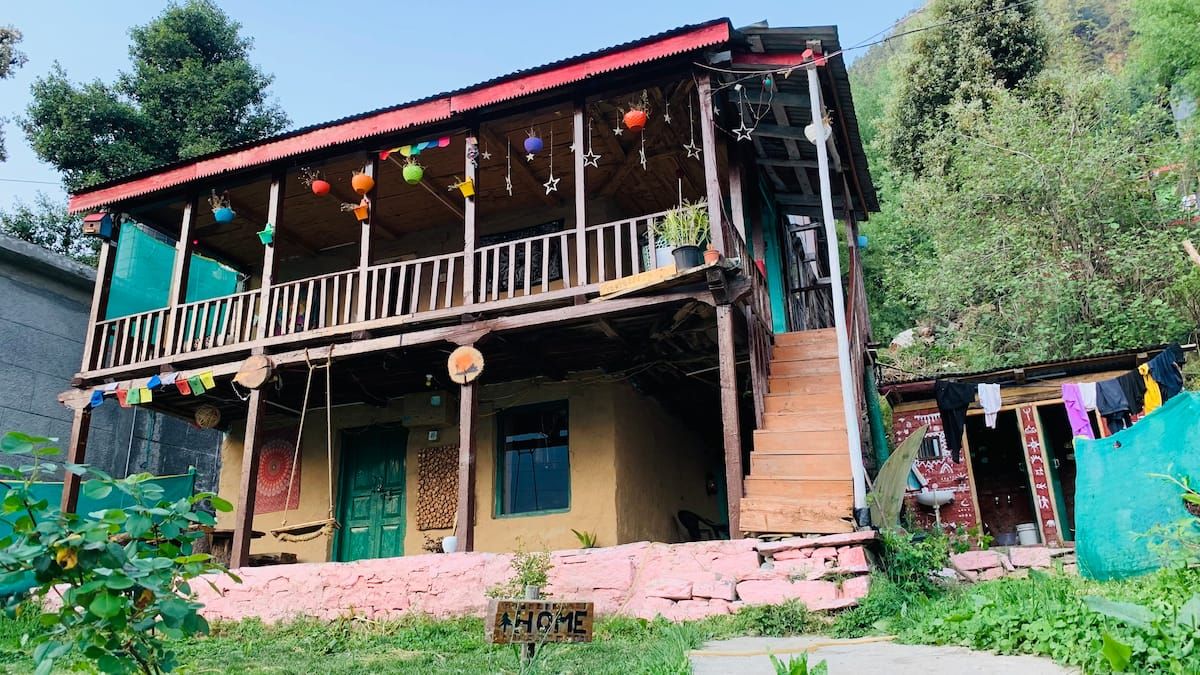
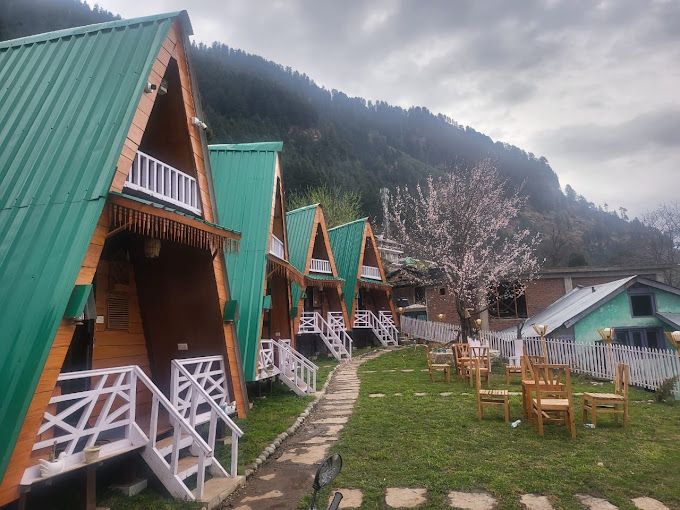
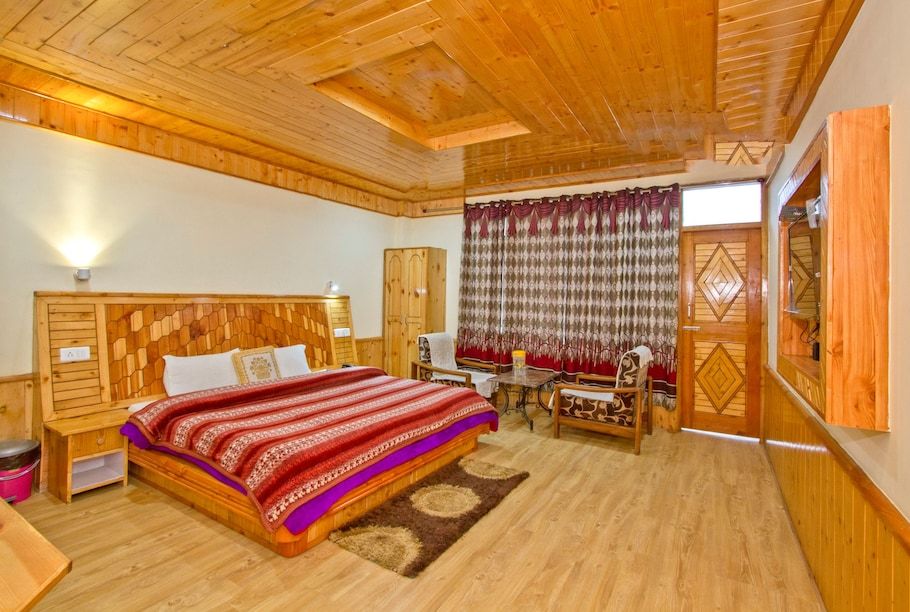
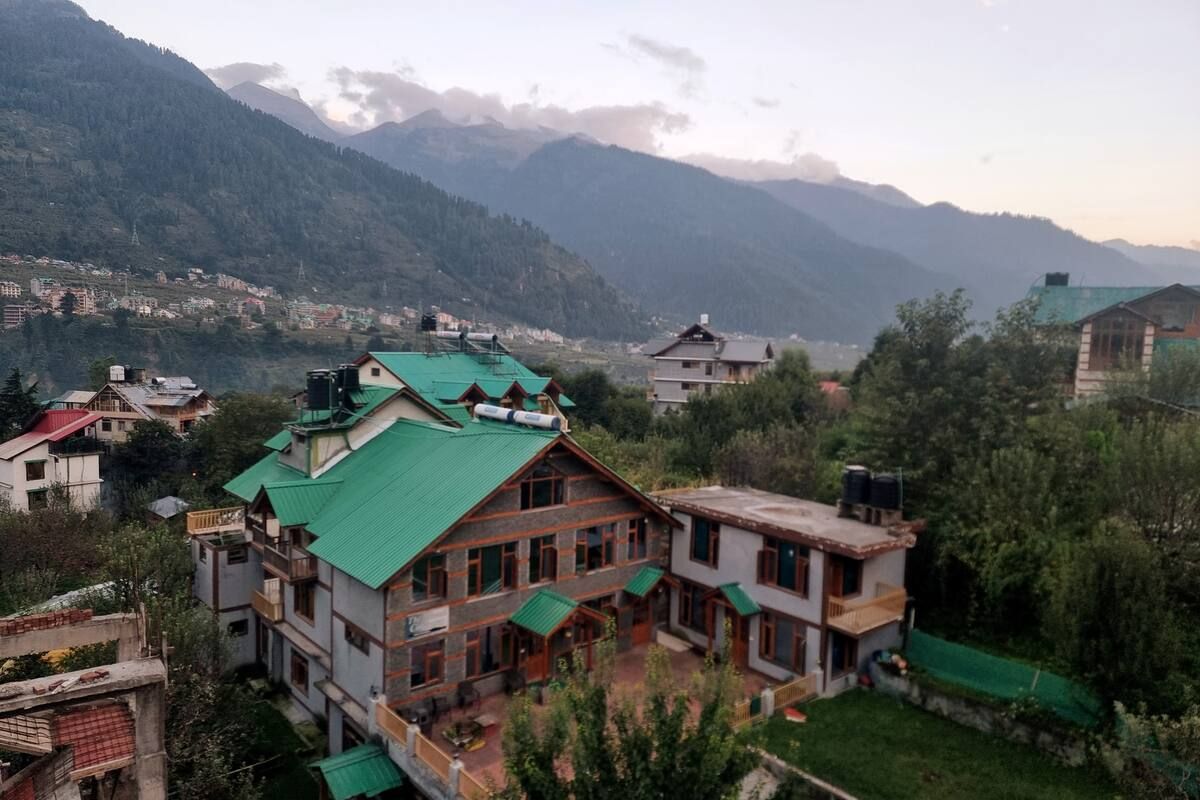
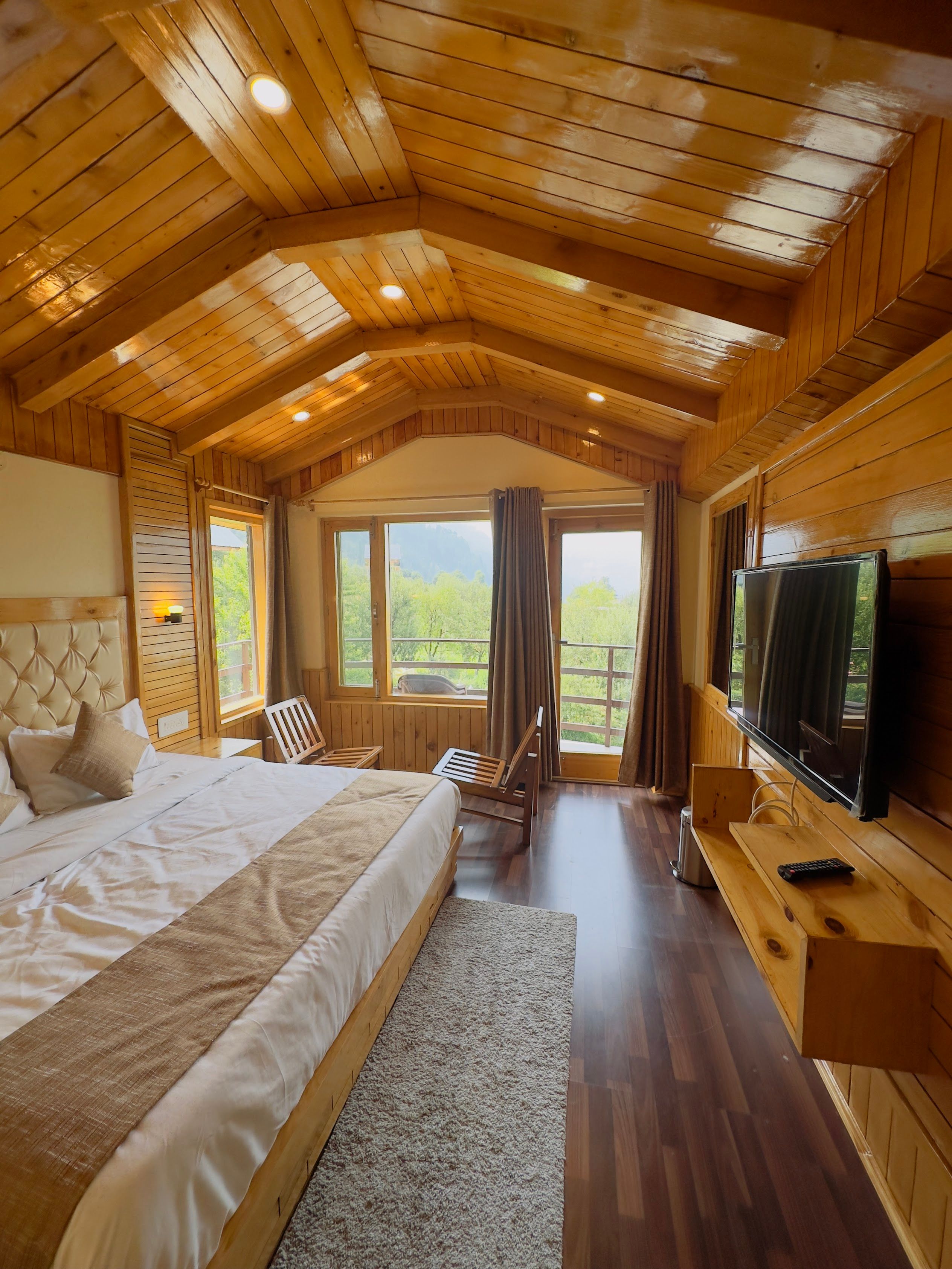
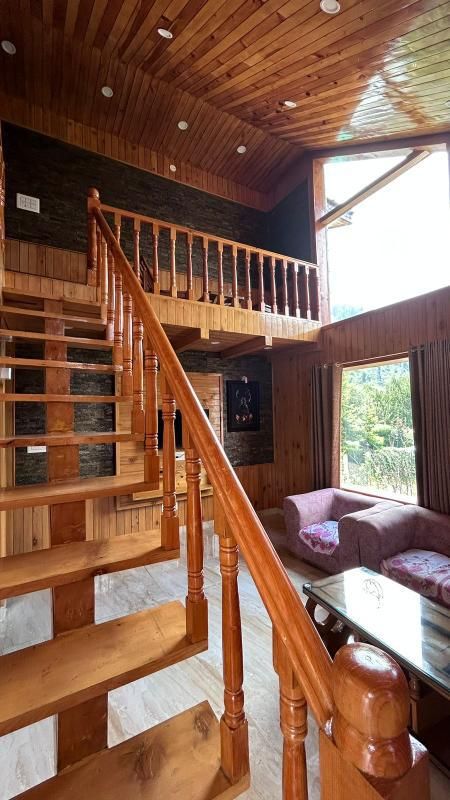
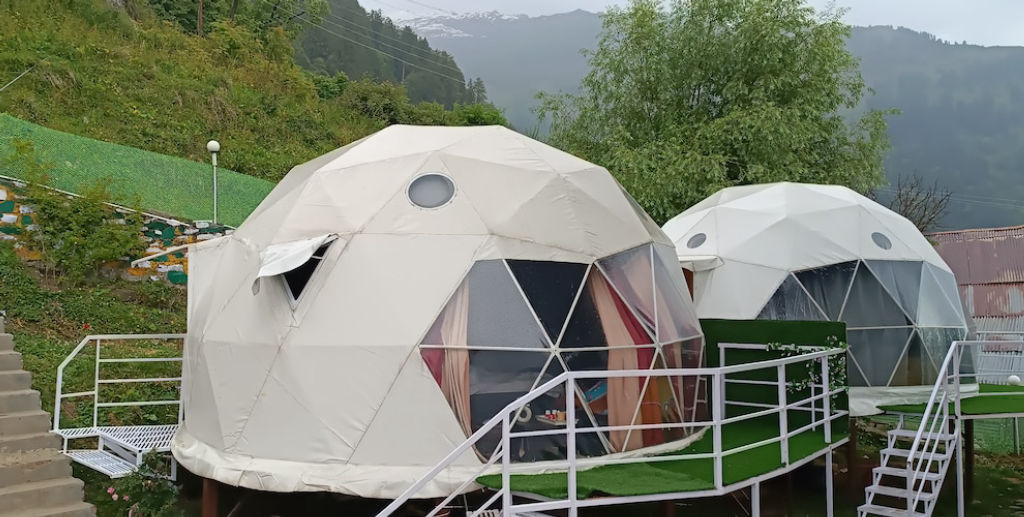
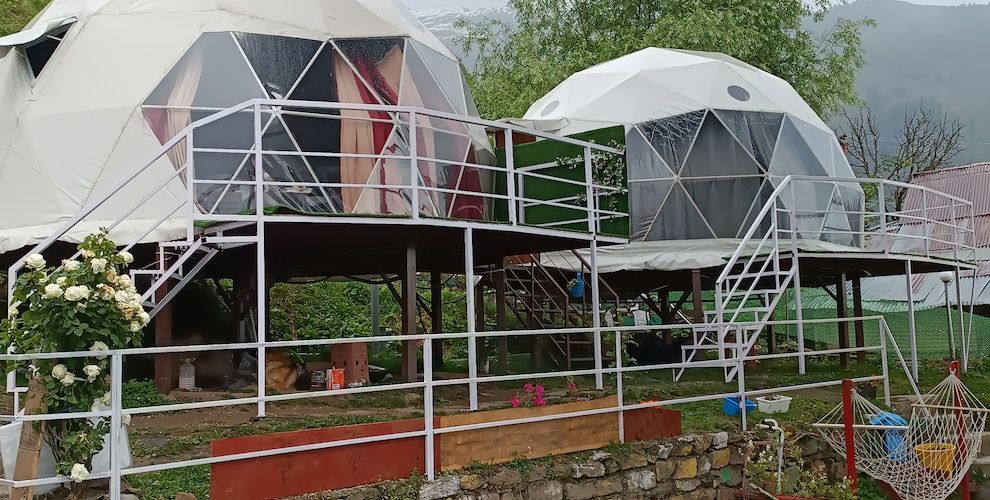
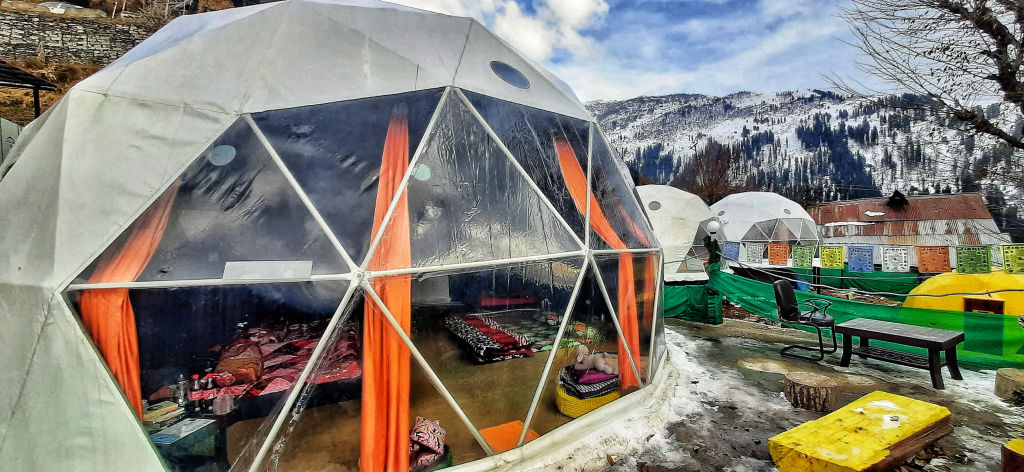
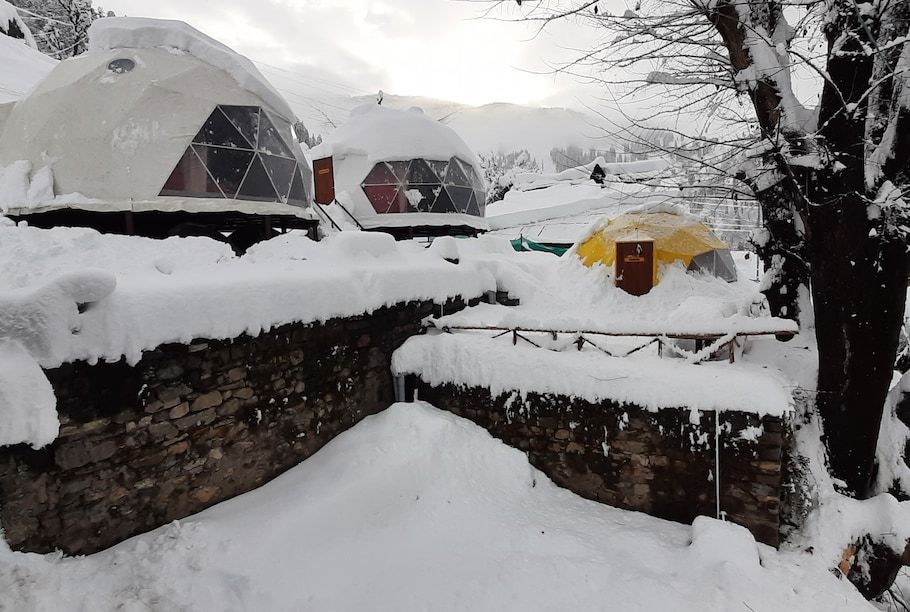
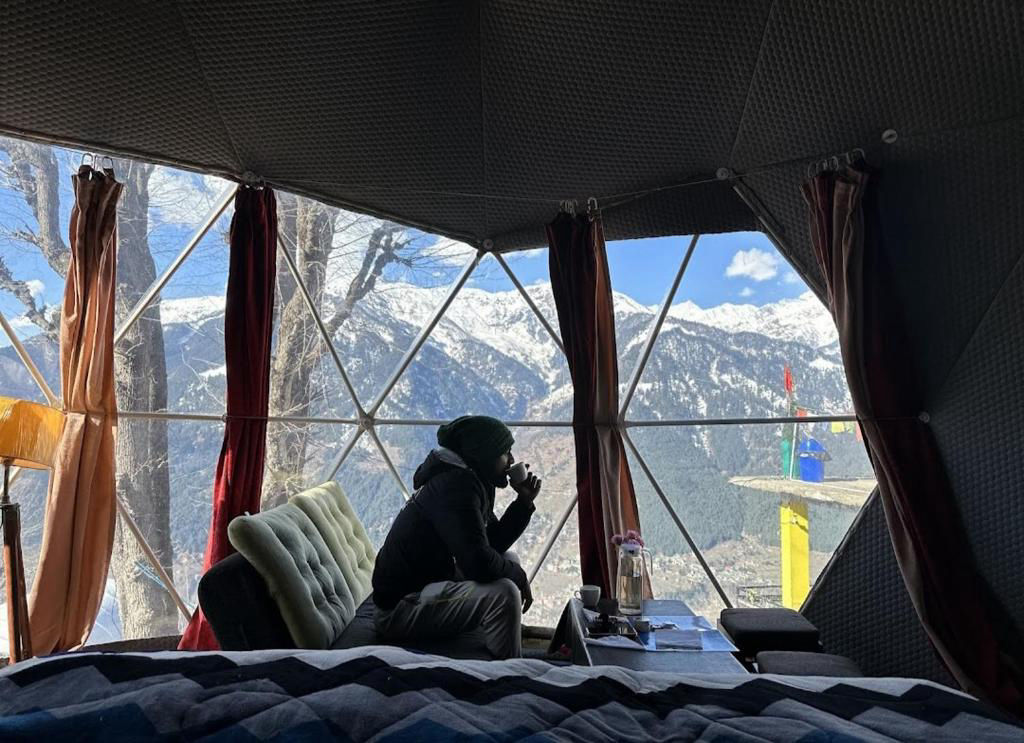
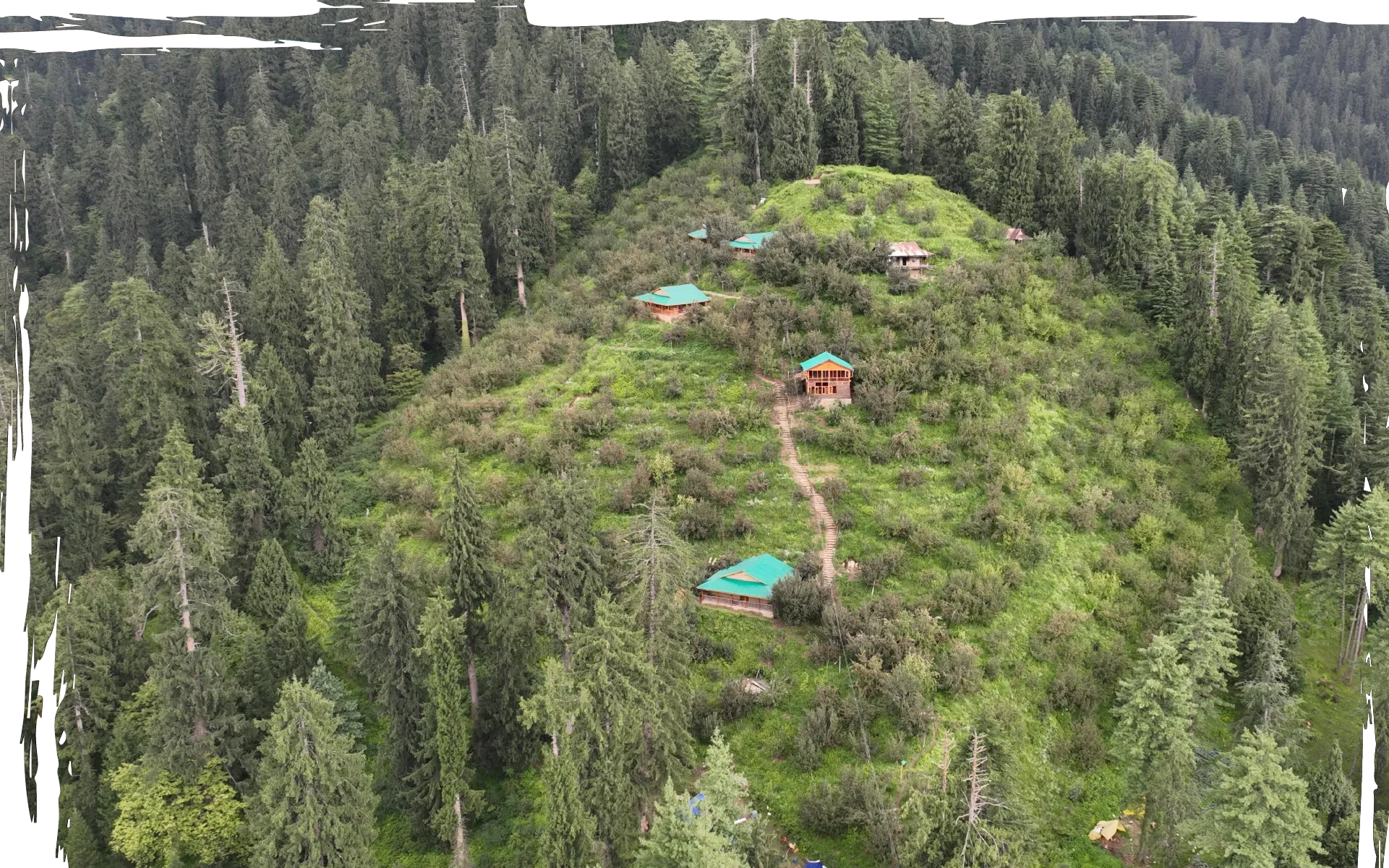
A wide selection of accommodations, including mountain campsites, traditional homestays, and rustic wooden cottages nestled among apple groves, can be found and booked directly on HireACamp. Booking your stay in advance is advisable during the peak trekking months of May, June, and October.
Frequently asked questions
How long does it take to hike to Lama Dugh?
The uphill walk from the Log Huts area usually takes around three to four hours depending on your walking pace and fitness. The return journey takes roughly two to three hours.
Is the trail to Lama Dugh difficult?
The trail is moderately demanding due to a steady, steep uphill incline through the forest. It is suitable for beginners with basic physical fitness and comfortable hiking footwear.
Are there food stalls or water sources at Lama Dugh?
No, there are no commercial stalls, cafes, or shops on the meadow or along the forest path. You must bring all your water, meals, and snacks with you from Manali.
Do I need a local guide to reach Lama Dugh?
While the trail is walked regularly, the forest path has multiple branches used by local shepherds. Hiring a local guide or consulting residents in Old Manali helps ensure you stay on the correct route.
Can I visit Lama Dugh during the winter?
During peak winter, Lama Dugh receives heavy snowfall that blankets the path and the clearing. Trekking during this time is challenging and should only be undertaken with suitable winter clothing and local guidance.
Where you'll be
1000 Feet Up From Log Huts, Manali · 12 stays nearby shown with prices
Stays near Lama Dugh
Book a place to stay close by
More places near Lama Dugh
Within 20 km


Built from 0 Instagram posts by 0 creators. Every tip links back to the post it came from, and where creators disagree we show both sides.






