
Manu Temple
Temple near Vashisht, Himachal Pradesh
1.6 km from Vashisht
The nearest town, for stays, food and fuel.
Manu Temple is a sacred Hindu shrine located in the tranquil village quarter of Old Manali in Himachal Pradesh. Dedicated to the legendary sage Manu, who is revered as the creator of humankind in Indian mythology, it is believed to be one of the rare temples in the country built in his honour. Travellers visit to explore its traditional wooden architecture, pay their respects, and enjoy quiet views over the mountains and the valley below.
Getting there
By road
- From VashishtNearest town13 min · 5.1 km
- From Chandigarh5 hr 40 min · 269 km
- From Ludhiana6 hr 10 min · 299 km
- From Amritsar8 hr 10 min · 410 km
Typical drive times without traffic. Stations and airports from OLA Maps; distances and typical drive times from OpenStreetMap (© OpenStreetMap contributors); notes from creators' Reels.
About Manu Temple
Written with AI from map data and general knowledge. Check prices and timings locally before you go.
History and Legend of Manu Temple
Manu Temple holds deep cultural and spiritual importance in the Kullu Valley. According to local folklore and ancient Hindu scriptures, Sage Manu stepped onto dry ground here to re-establish human civilization following a great deluge that submerged the Earth. The town of Manali itself derives its name from 'Manu-Alaya', which translates literally to the abode of Manu. While shrines dedicated to prominent deities are found across the region, temples solely honouring Sage Manu are exceptionally uncommon, making this sanctuary a profound focal point for pilgrims and visitors.
Over the centuries, the shrine has remained central to the communal identity of Old Manali. Local villagers gather here during regional festivals and seasonal rituals to seek blessings for family well-being, good harvests, and safe passage through the harsh winter months. For visitors walking through the quiet stone pathways of the village, standing at the temple grounds offers an immediate sense of connection to the legendary past that helped shape the entire valley.
Architecture and Setting in Old Manali
The temple stands proudly on an elevated ridge in Old Manali, surrounded by apple orchards, rustic mud-and-timber houses, and towering deodar trees. The structure displays traditional Himachali architectural aesthetics, featuring multi-tiered, pagoda-style wooden gables and finely carved slate roofs. Elaborately carved wooden lintels, pillars, and doorframes showcase the enduring craftsmanship of local wood artisans who have passed these skills down through generations.
Stepping into the temple courtyard, visitors are greeted by refreshing breezes blowing down from the snow-capped mountain crests of the upper valley. Below the village, the murmuring flow of the Manalsu stream adds a calming background rhythm to the experience. The quiet courtyard provides an ideal vantage point to gaze out at the terraced slopes, verdant hillsides, and the shifting plays of light and shadow across the Pir Panjal range.
Read more
Best Time to Visit Manu Temple
The experience of visiting Manu Temple changes with the turn of each season in the Himalayas. The spring and summer months, from April to June, offer pleasant daytime temperatures and clear skies, making it a comfortable time for walking uphill through the lanes of Old Manali. During these months, apple orchards surrounding the temple burst into pale blossoms before fruiting, and wildflowers cover the mountain slopes.
The monsoon months between July and August bring heavy rains to Himachal Pradesh. While the surrounding landscapes turn a dramatic emerald green, hillside roads in the region can become slick, so extra care is advised during travel. Autumn, spanning September and October, brings crisp mountain air, brilliant clear horizons, and golden foliage, creating delightful conditions for walking and sightseeing.
Winter arrives in November and lasts through February, transforming Old Manali into a cold wonderland with regular spells of snowfall. The pagoda roof of Manu Temple looks striking draped in thick white snow. If you travel during this period, be sure to wear warm thermal layers and insulated footwear, as the stone pathways can be icy.
How to Reach Manu Temple
Manu Temple is situated in Old Manali, approximately three kilometres from the bustling central bus stand and main bazaar of Manali town. Most travellers arrive in Manali by overnight buses or private taxis from major transport hubs like Delhi, Chandigarh, or Bhuntar. The nearest airport is at Bhuntar in Kullu, from where travellers can hire local cabs or take state transport buses up the valley.
From the town centre of Manali, you can take a local auto-rickshaw or taxi up to the lower edge of Old Manali. The final stretch to the temple involves a moderately steep uphill walk along narrow, cobbled stone alleyways lined with traditional village homes and small shops. This stroll is scenic and provides a close look at everyday rural life in the Kullu Valley. Comfortable walking shoes with good grip are recommended, particularly in wet or snowy weather.
Tips for Your Visit to Manu Temple
Because Manu Temple is an active place of worship with deep sanctity for local residents, visitors are expected to maintain quiet decorum. Dress modestly with shoulders and knees covered before entering the sacred enclosure. You will be required to take off your footwear before stepping onto the temple floor, so carrying a pair of warm socks is helpful during colder months when the stone tiles can be freezing underfoot.
Photography policies inside the sanctum sanctorum can vary, so it is best to ask local attendants before taking pictures. Avoid loud conversations or using mobile phones within the inner prayer areas. Temple opening hours and daily aarti timings can shift according to seasonal daylight, so it is recommended to check the exact timings locally upon your arrival in the village.
Exploring the Surrounding Area
Old Manali itself is filled with charm and is worth exploring on foot at an easy pace. As you wander along the paths near Manu Temple, you will notice centuries-old wooden granaries, slate-roofed houses, and local craft shops offering woven shawls, handmade woollen socks, and hand-carved souvenirs. A short walk downward leads to the banks of the Manalsu stream, where you can sit near clear glacial waters surrounded by tall pine groves.
For travellers interested in nature walks and extended excursions, the broader region offers fantastic opportunities. You can venture out on day hikes along nature trails winding through the deodar woods of the national park area nearby, or head further up the valley toward scenic waterfalls and high-altitude hamlets. Longer road trips can take you into adjacent mountain valleys like the Parvati Valley, where classic hiking paths and traditional villages like Pulga await explorers who want to experience the wider wilderness of Himachal Pradesh.
Where to Stay Near Manu Temple
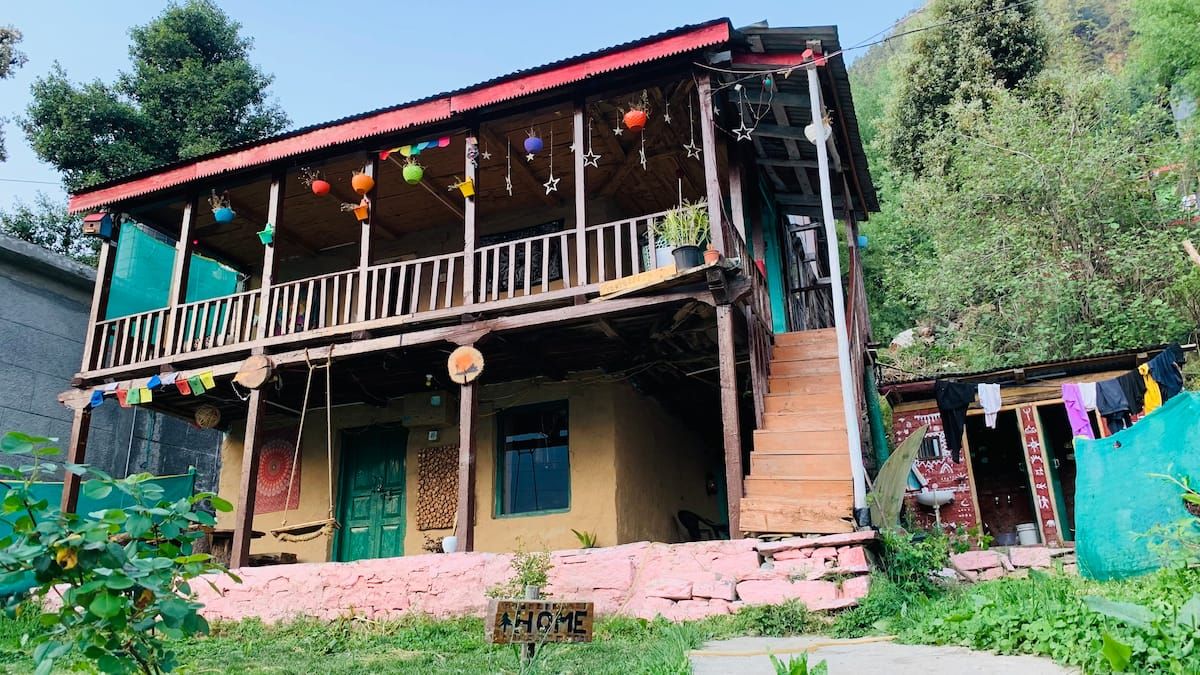
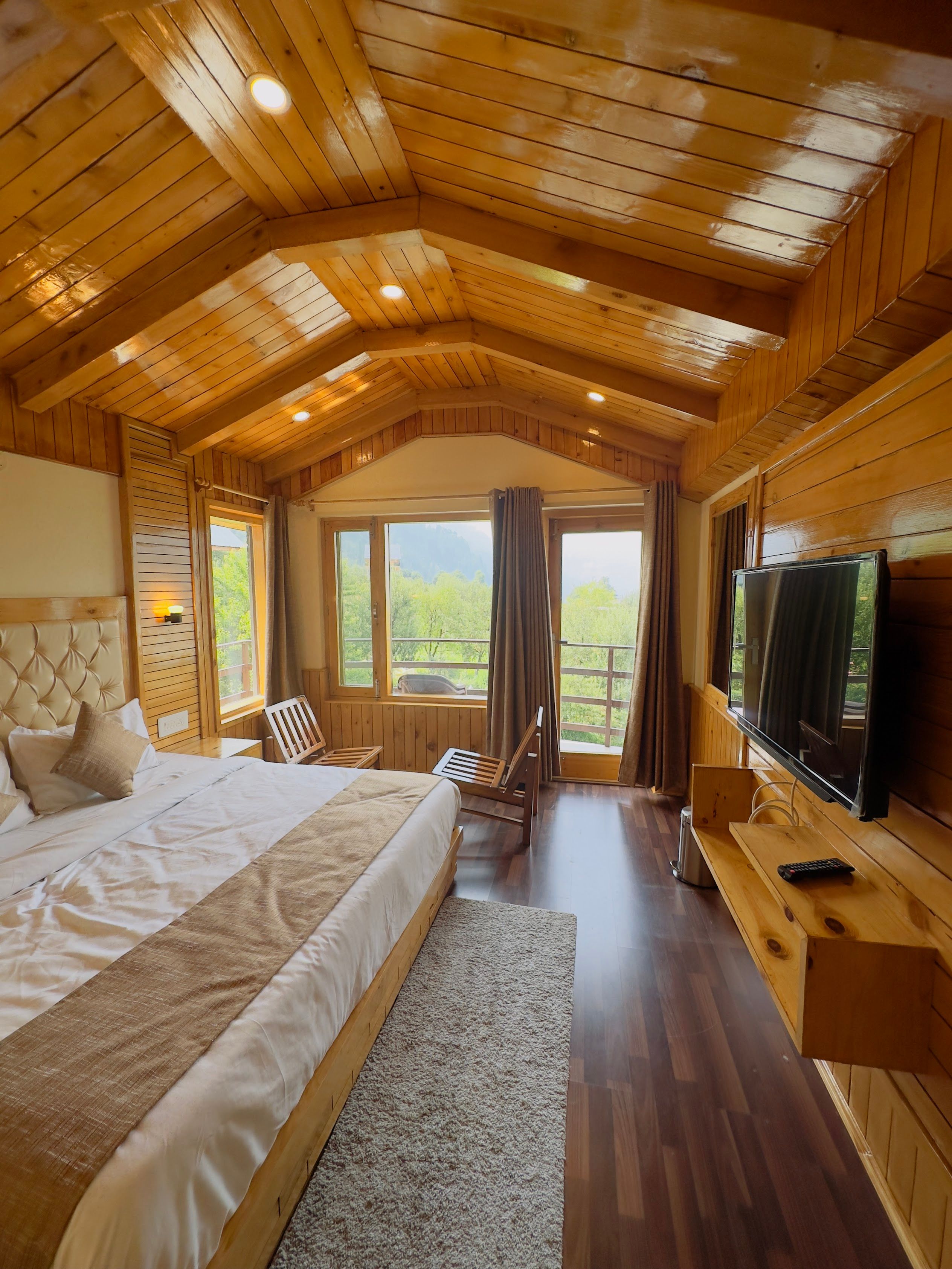
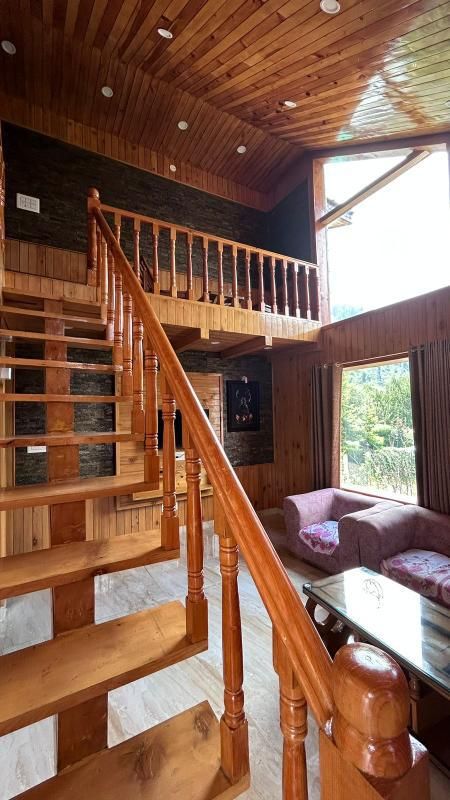
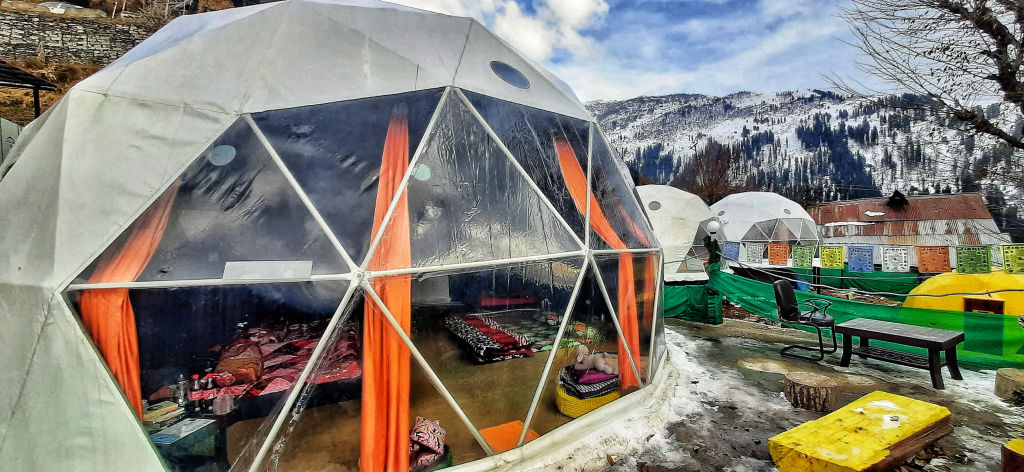
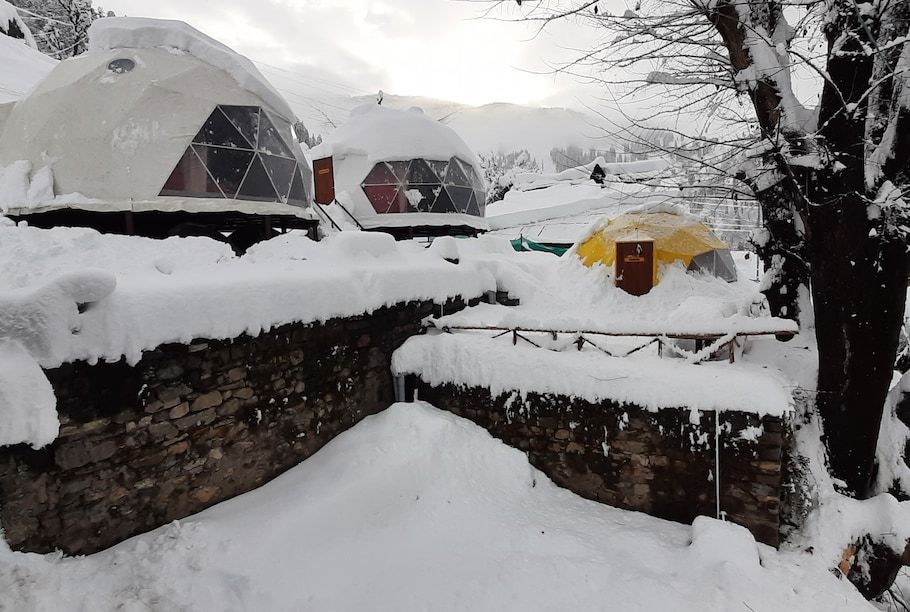
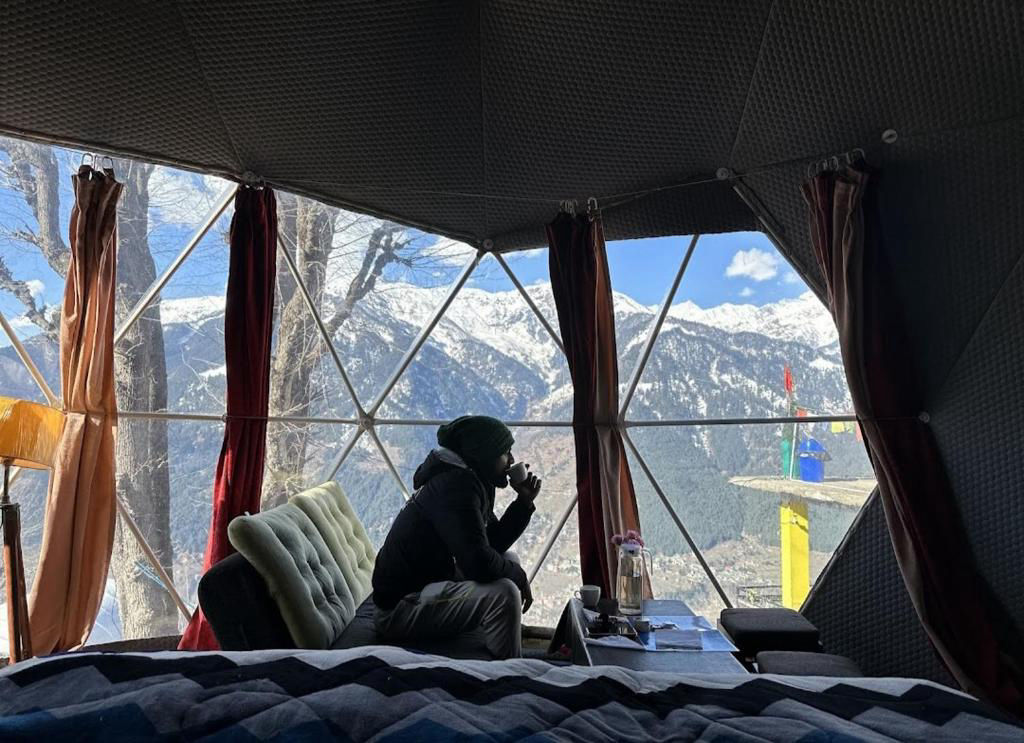
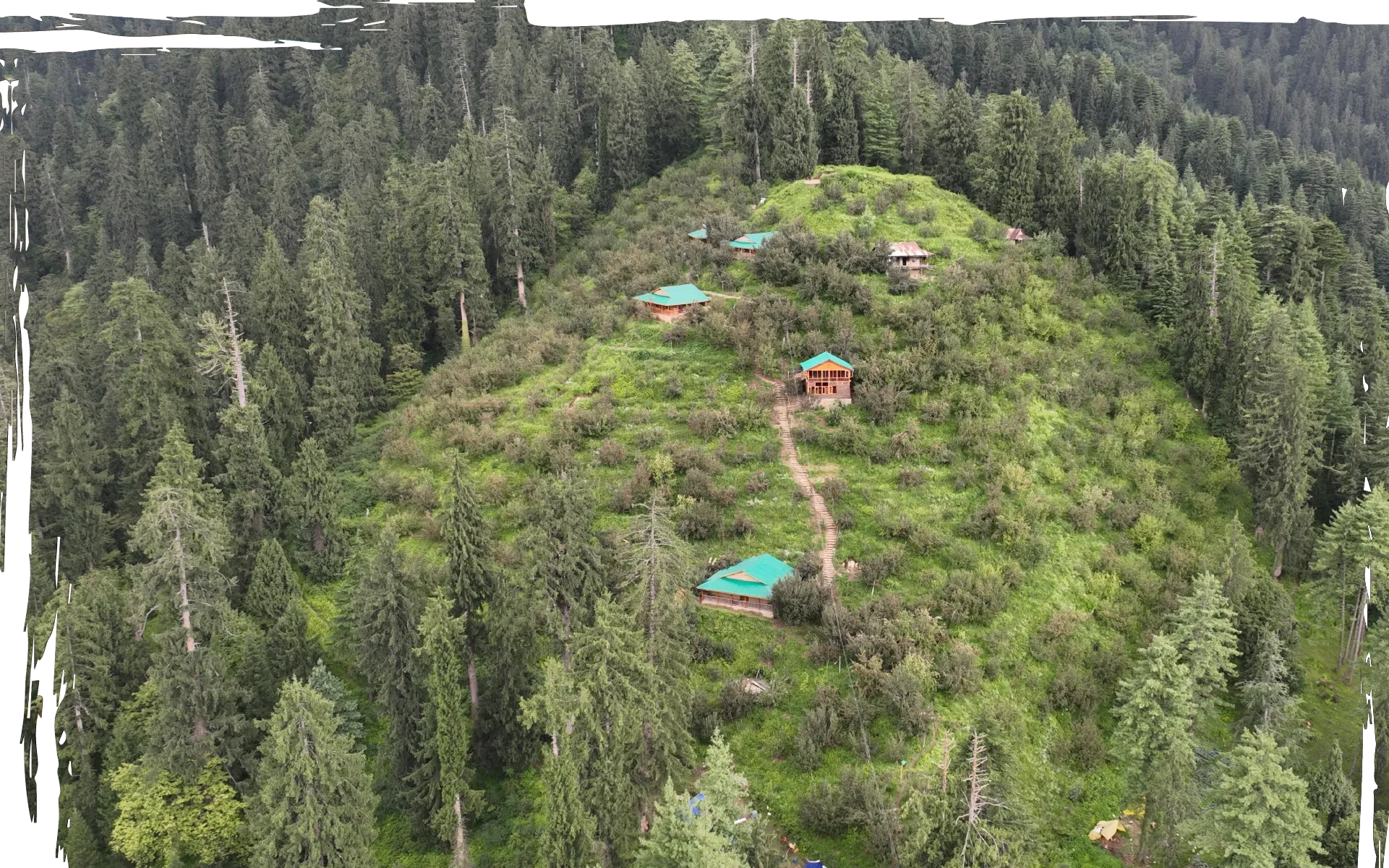
Old Manali and its neighbouring hamlets offer a diverse selection of restful accommodations suited to travellers who prefer natural surroundings over crowded town centres. Traditional wooden homestays operated by local families give you a firsthand experience of mountain hospitality, home-cooked regional cuisine, and views across apple orchards.
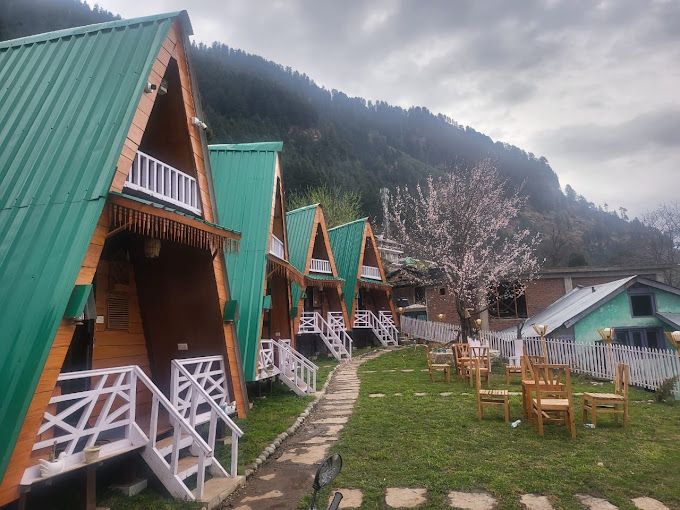
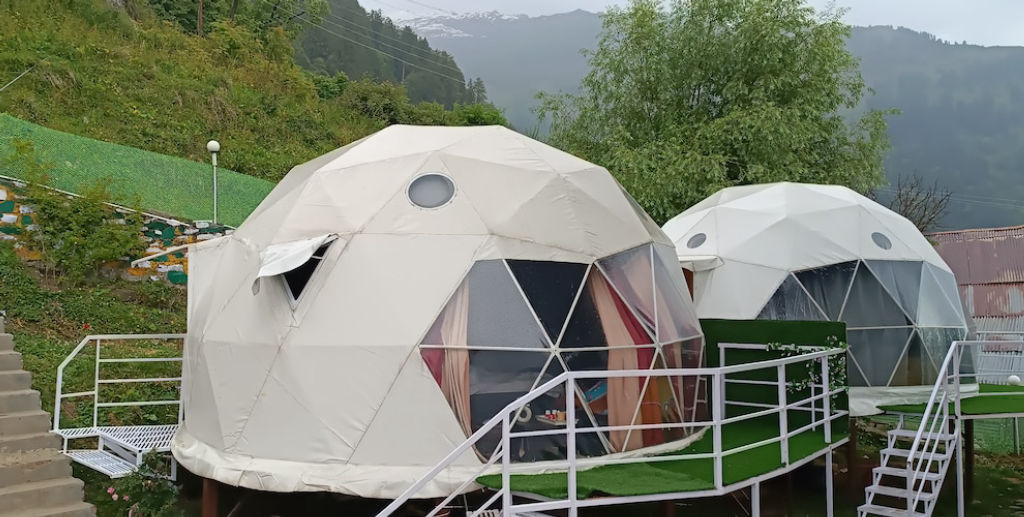
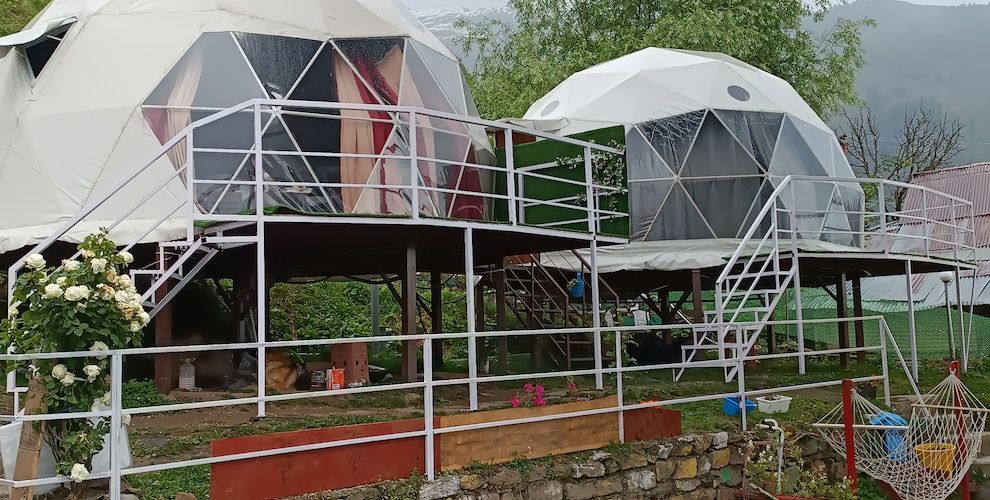
For those who prefer open-air experiences, scenic riverside campsites and quiet rural retreats are tucked away in the pine-scented valleys surrounding Manali. You can easily find and book verified homestays, eco-friendly cottages, and outdoor camps near Manu Temple on HireACamp to make your mountain journey smooth and authentic.
Frequently asked questions
Who is Manu Temple dedicated to?
Manu Temple is dedicated to Sage Manu, who is revered in Hindu belief as the divine creator of the human race and the author of the Manusmriti. Manali gets its name from Sage Manu.
Can I reach Manu Temple by car?
Vehicles can drop you off at the main entry point of Old Manali, but the final approach to the temple involves a short uphill walk through narrow, pedestrian village alleys. Walking is the most convenient way to navigate this final section.
Is there an entry fee to visit Manu Temple?
Entry requirements and donation customs should be confirmed locally upon arrival, as traditional village temples in the region generally do not require commercial entry tickets.
What should I wear when visiting the temple?
Modest clothing that covers your shoulders and knees is recommended out of respect for local customs. You must remove your shoes before stepping into the inner shrine, so wearing comfortable shoes that slip off easily is ideal.
How far is Manu Temple from Manali's main market?
Manu Temple is located about three kilometres from the central bazaar and bus stand of Manali, in the village area of Old Manali.
Where you'll be
Old Manali, 3 Km From Main Bazaar, Manali · 12 stays nearby shown with prices
Stays near Manu Temple
Book a place to stay close by
More places near Manu Temple
Within 20 km


Built from 0 Instagram posts by 0 creators. Every tip links back to the post it came from, and where creators disagree we show both sides.






