
Leh
Destination in Ladakh
Leh is the high-altitude capital town of Ladakh in northern India, situated at an elevation of roughly 3,500 metres above sea level along the Indus River valley. Surrounded by the rugged, wind-carved crags of the Karakoram and Himalayan ranges, it has evolved from an ancient Silk Route trading post into the cultural and logistical centre of the trans-Himalayan region. Travellers visit Leh to experience its centuries-old Tibetan Buddhist monasteries, wander through its historic mud-brick alleys, and use it as a launchpad for overland expeditions across high mountain passes.
Getting there
About Leh
Written with AI from map data and general knowledge. Check prices and timings locally before you go.
The High-Altitude Heart of Ladakh
Leh sits in a wide mountain bowl north of the Indus River, backdropped by the stark, arid slopes of the Ladakh Range. For centuries, this settlement served as an essential stopover on the trans-Himalayan caravan routes connecting India with Central Asia and Tibet. Traders, pilgrims, and artisans once met here to barter salt, wool, silk, and spices, leaving behind a rich syncretic heritage visible in the town's architecture, cuisine, and diverse neighbourhoods.
Today, Leh is the cultural and administrative nerve centre of Ladakh. Despite its modern growth, the town retains its distinctive rhythm. Whitewashed stupas stand at crossroads, prayer flags flutter in the dry mountain breeze, and traditional mud-brick houses cling to the rocky slopes beneath the crumbling ramparts of the old royal quarters. Life in Leh is deeply tied to the seasons, bursting into vibrant activity during the warm summer months and slowing down to an intimate, peaceful pace when winter sets in.
Things to See and Do in Leh
A classic exploration of Leh begins in the Old Town, a dense network of narrow pedestrian alleys, traditional Ladakhi residences, and historic mosques tucked below Leh Palace. The palace itself, a nine-storey structure built in the seventeenth century, offers sweeping views over the mud roofs of the town towards the snow-dusted peaks of the Stok Kangri massif across the valley. Nearby, the Central Asian Museum provides thoughtful context on the caravan trade that once passed through these valleys.
Rising above the western edge of town is the Shanti Stupa, a white-domed Buddhist monument perched on a steep hill in Changspa. Reaching it in the late afternoon rewards you with an uninterrupted view of the sun setting over the Indus Valley and the surrounding mountain ranges. Down in the valley, the Leh Main Bazaar is a pedestrian-only thoroughfare where local women sell fresh vegetables and dried apricots, while small handicraft shops offer pashmina shawls, woollen rugs, and traditional Ladakhi metalware.
Just outside the town proper lie some of the region's most prominent monasteries. Thiksey Monastery, with its tiered red-and-white architecture resembling the Potala Palace of Lhasa, houses a colossal statue of Maitreya Buddha. Shey Palace, the former summer residence of Ladakhi royalty, features a giant seated copper-gilt Buddha and peaceful reflection pools surrounded by willow groves.
Read more
Day Trips and Getaways Around Leh
Leh is the natural base for exploring the wider landscapes of Ladakh. Driving west along the Indus takes you through the Sham Valley, home to the dramatic confluence of the mud-brown Indus and the turquoise Zanskar River near Nimmu. Along this route, you will also encounter Magnetic Hill and the ancient monastery at Likir. Further west, the eleventh-century temple complex at Alchi preserves rare Indo-Tibetan wall paintings and wood carvings that differ strikingly from the newer Tibetan-style gompas.
For longer adventures, mountain roads lead across some of the highest motorable passes in the world. To the north lies the Khardung La, which crosses into the broad, dune-filled expanse of the Nubra Valley, where cold desert sands meet snow-fed rivers. Eastward, crossing the Chang La brings you to the immense, high-altitude waters of Pangong Tso, whose deep blue hues shift with the light throughout the day. To the south, high alpine valleys lead toward Tso Moriri and the vast, wind-scoured Changthang plateau.
Best Time to Visit Leh
The primary travel season in Leh runs from late May through September, when daytime temperatures are pleasant and high-altitude roads are generally clear of snow. July and August bring the warmest weather, with clear skies and lush green barley terraces contrasting against the barren mountain slopes. While Ladakh lies in the rain shadow of the Himalayas and receives minimal monsoon rain, occasional cloud bursts or heavy rains in foothill regions can affect overland transit routes during peak summer.
October brings crisp autumn air, golden poplar foliage, and thinner crowds, though nights become sharply cold and high passes can see early snow closures. Winter, lasting from November to April, turns Leh into an intensely cold and quiet town, with temperatures dropping far below freezing. Winter visits appeal primarily to intrepid travellers interested in snow leopard expeditions, frozen river treks, and witnessing traditional monastery festivals without the crowds.
How to Reach Leh
The quickest way to reach Leh is by flying into Kushok Bakula Rimpochee Airport, which operates direct flights from major northern Indian cities including Delhi. The flight offers dramatic views over the snow-covered Himalayan peaks, but landing directly at 3,500 metres requires strict rest immediately afterward to adjust to the thin air.
Travellers looking for a road journey can choose between two overland routes open during the summer months. The Srinagar-Leh highway follows the traditional route through the Kashmir Valley, Kargil, and across the Zoji La pass, offering a gradual gain in altitude. The Manali-Leh highway cuts through high valleys and crosses multiple passes above 4,500 metres, providing some of the most dramatic mountain scenery in the country. Both road corridors typically open in late spring and close by mid-to-late autumn depending on snowfall.
Acclimatization and Practical Tips for Leh
Because Leh sits at significant altitude, altitude sickness is a genuine concern for every visitor. Regardless of your physical fitness, dedicate at least the first forty-eight hours after arrival to resting, avoiding strenuous walks, and staying well hydrated. Do not attempt to cross higher passes like Khardung La or Chang La until your body has adjusted to Leh's baseline altitude.
Ladakh's high-altitude sun is extremely strong, so carry broad-spectrum sunscreen, high-protection sunglasses, and a wide-brimmed hat. The mountain air is exceptionally dry, making lip balm and moisturiser indispensable. Even in midsummer, temperatures can fall rapidly once the sun sets, so pack thermal base layers and a warm fleece or down jacket. Most remote areas beyond Leh, including Nubra and Pangong, require inner line permits for travel; ensure you check current regional regulations and permit requirements upon arriving in town.
Where to Stay in Leh
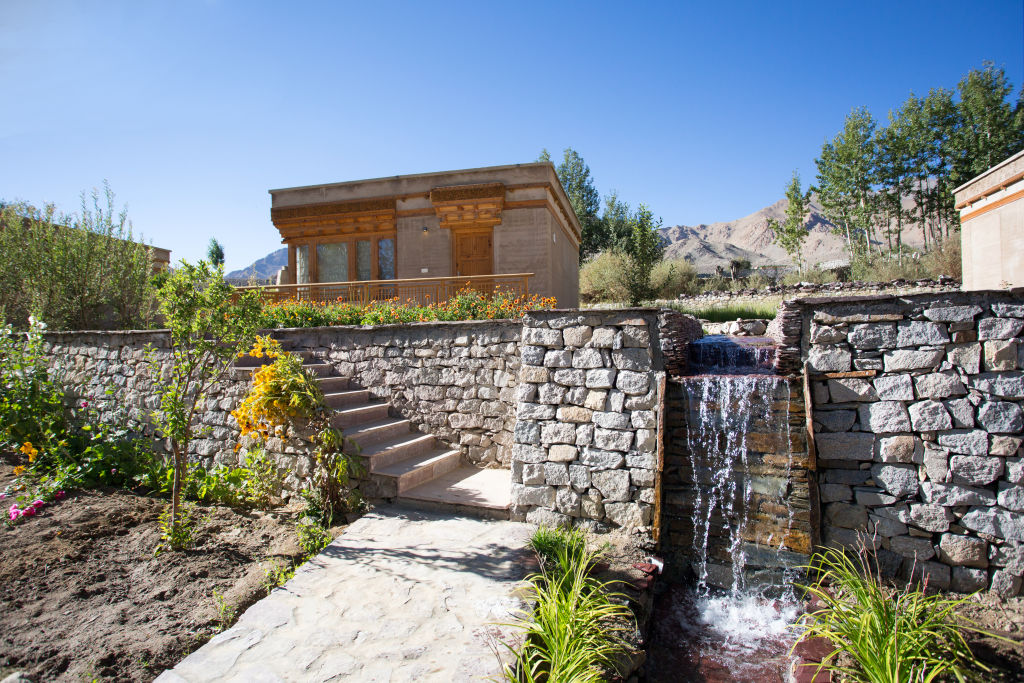
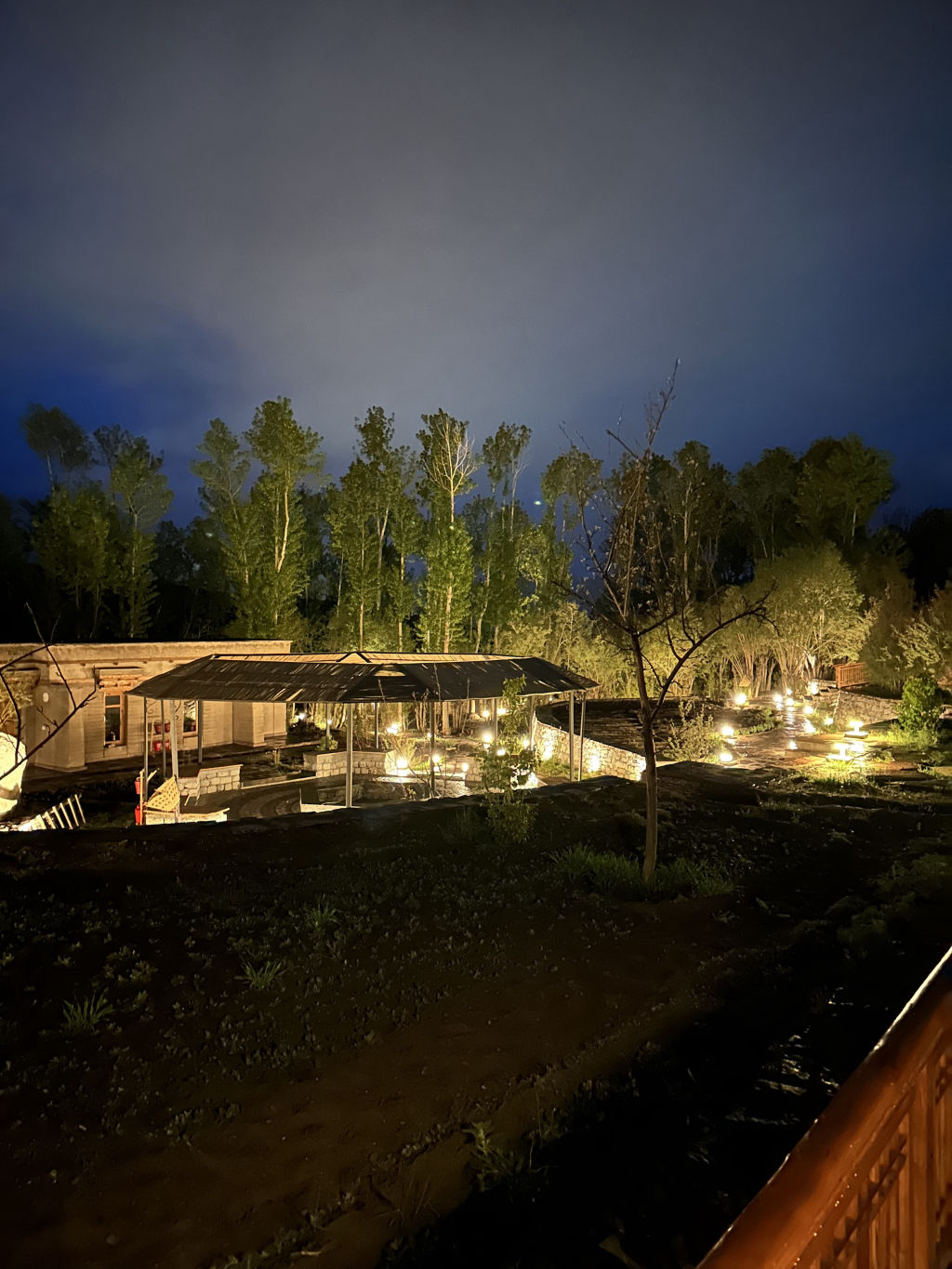
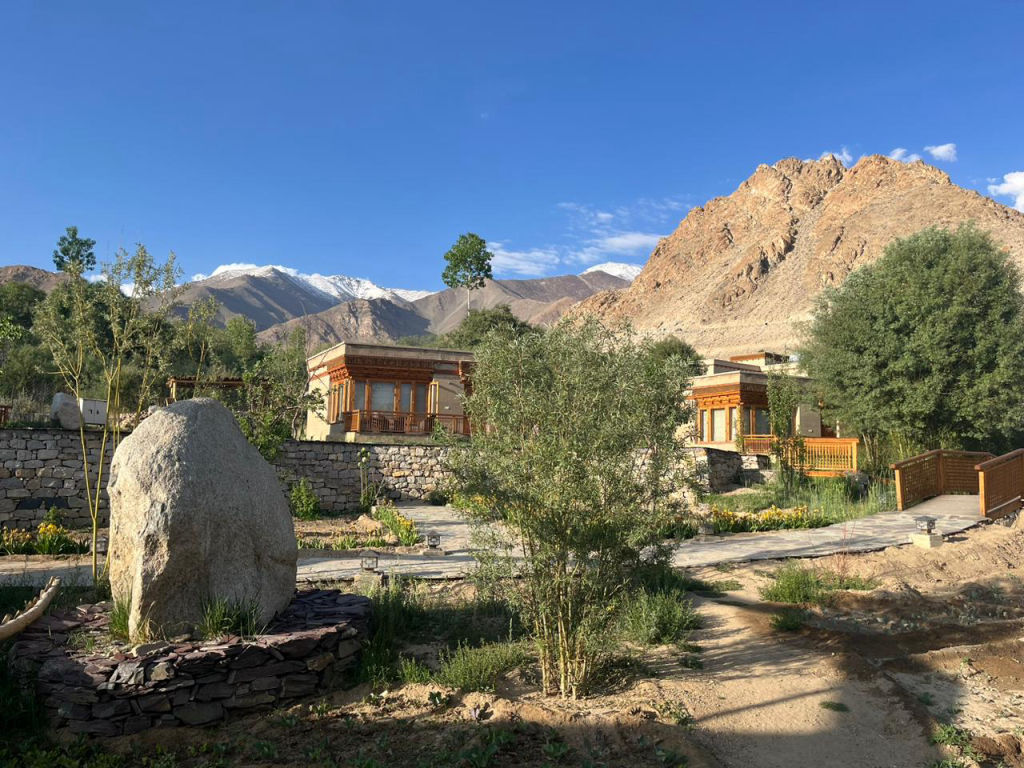
Leh offers a diverse spectrum of accommodation styles spread across different neighbourhoods. Areas like Changspa and Upper Karzoo are popular for their quiet lanes, shaded apple orchards, and family-run guesthouses within walking distance of the market. Those seeking total seclusion can look to the villages along the Indus riverbank, such as Choglamsar, Shey, or Saboo, where traditional Ladakhi homes offer peaceful mountain views.
Homestays run by local families provide a warm introduction to Ladakhi hospitality, seasonal cooking, and traditional architecture. For travellers eager to sleep under the open sky, seasonal outdoor camps operate across the outskirts of the town and in neighbouring valleys. You can browse and book handpicked homestays, rural retreats, and nature camps in and around Leh on HireACamp.
Frequently asked questions
How many days are needed to explore Leh and Ladakh?
A trip of seven to ten days allows enough time to acclimatize properly in Leh, visit local sights and monasteries, and take multi-day trips into Nubra Valley and to Pangong Tso.
Do I need permits to visit areas around Leh?
While the town of Leh itself does not require entry permits, visits to protected border regions like Nubra Valley, Pangong Tso, and Tso Moriri require inner line permits. You can arrange these through local administrative portals or travel counters in Leh.
How bad is altitude sickness in Leh?
Most people arriving by air will feel some symptoms such as mild headache, shortness of breath, or fatigue. Resting for forty-eight hours upon arrival, drinking plenty of water, and avoiding alcohol helps the body acclimatize safely.
Are mobile networks reliable in Leh?
Only postpaid SIM connections from major Indian telecom providers work in the Union Territory of Ladakh. Connectivity is generally reliable within Leh town, though signal coverage becomes intermittent or disappears entirely in remote valleys and mountain passes.
Can I visit Leh during winter?
Yes, Leh is accessible by air year-round, but winter temperatures regularly drop far below freezing. Overland mountain passes close due to snow, and services in town operate on a reduced seasonal schedule.
Where you'll be
3 stays nearby shown with prices
Stays near Leh
Book a place to stay close by
Things to do in Leh
48 places creators recommend within 30 km
Built from 0 Instagram posts by 0 creators. Every tip links back to the post it came from, and where creators disagree we show both sides.






