
Sangam Point
Riverside spot near Leh, Ladakh
1.3 km from Leh
The nearest town, for stays, food and fuel.
Sangam Point is a picturesque river confluence near Leh in Ladakh, where the waters of the Indus and Zanskar rivers merge against a dramatic mountain backdrop. Visitors come to witness the distinct color contrast between the two waterways, photograph the sweeping desert gorge, and embark on thrilling river rafting excursions. Its accessible roadside location makes it one of the most rewarding day trips in central Ladakh.
Getting there
By road
- From LehNearest town4 min · 1.9 km
- From Leh Ladakh4 min · 1.9 km
Typical drive times without traffic. Stations and airports from OLA Maps; distances and typical drive times from OpenStreetMap (© OpenStreetMap contributors); notes from creators' Reels.
About Sangam Point
Written with AI from map data and general knowledge. Check prices and timings locally before you go.
The landscape and waters of Sangam Point
Sangam Point marks the meeting place of two of Ladakh's most prominent river systems: the Indus and the Zanskar. Rising in the Tibetan plateau, the Indus River flows gently through wide valleys, while the Zanskar River cuts a swift, tumultuous path through narrow gorges before reaching this junction. What makes the location particularly memorable to travelers is the distinct visible line separating the two rivers. Depending on the season and weather, the Indus appears as a deep bluish-green hue, whereas the Zanskar often carries glacial silt and takes on a turbid, muddy brown or yellowish-gray shade.
The surrounding terrain enhances the visual drama of the scene. Towering, dry rock faces and gravel-strewn cliffs flank the riverbanks, with distant snow-dusted ridges standing out against Ladakh's famously clear sky. The sheer contrast between the barren, ochre-tinted mountains and the flowing rivers creates an impressive natural spectacle that draws travelers venturing out along the highway west of Leh.
Things to do at Sangam Point
The primary draw of Sangam Point is the sheer visual beauty of the confluence, which makes it a favorite stop for landscape photographers and road-trippers. A viewing area set on a ridge above the river gives visitors an elevated perspective of the meandering water channels and the dramatic canyon walls. Taking time to watch the currents swirl and merge into a single stream is an absorbing experience that rewards patient observation.
For those interested in adventure, the stretch of the Zanskar and Indus rivers around Sangam Point is a prime hub for whitewater rafting during the warm summer months. Rapids along this route range from gentle floats to spirited white water, offering an exhilarating perspective of the towering gorges from river level. Even if you choose to stay dry on the banks, walking down closer to the water allows you to feel the cold glacial spray and appreciate the sheer scale of the landscape.
Read more
Best time to visit Sangam Point
The best time to visit Sangam Point is generally between May and October, when high-altitude roads across Ladakh are open and the daytime temperatures are pleasant. During the summer, the contrast between the rivers is especially distinct, as glacial melting increases the sediment load in the Zanskar while the Indus remains comparatively clear. This period also coincides with the peak season for outdoor excursions and rafting activities on the water.
Winter, which stretches from November to April, brings sub-zero temperatures and a completely different atmosphere to the valley. The Zanskar River often partially freezes over, taking on shades of jade and icy white beneath dramatic winter frost. While summer offers convenience and comfortable travel conditions, winter at Sangam Point appeals to travelers seeking solitude, stark snowy vistas, and a chance to witness the high desert in its rawest state.
How to reach Sangam Point
Sangam Point is situated along the main highway leading west from Leh toward Kargil and Srinagar, making it one of the easiest excursions to plan in the region. Most visitors travel by hiring a private taxi or riding a motorcycle or rented scooter from Leh. The drive follows a smooth, well-maintained asphalt highway winding through high-altitude valleys, with the journey typically taking around an hour under normal driving conditions.
Public transport, including regional buses heading toward Nimmu, Basgo, or Kargil, also travels along this route, though services can be infrequent compared to dedicated transport. Cycling is another option for experienced high-altitude cyclists looking for a rewarding day ride, as the highway features gradual gradients and sweeping canyon views. Regardless of how you travel, it is best to leave Leh in the morning to allow ample time for sightseeing along the way.
Essential tips for your visit
Because Sangam Point sits at an altitude exceeding 3,000 meters above sea level, acclimatization is critical. Travelers should avoid making an excursion out of Leh on their first day of arrival. Give your body at least a full day or two to adapt to the thin mountain air before embarking on road trips and engaging in physically demanding activities like river rafting.
The high-altitude sun can be intense even on cooler days. Carry broad-spectrum sunscreen, UV-blocking sunglasses, and a wide-brimmed hat to protect yourself from exposure. Weather conditions in the mountains can shift rapidly, bringing brisk winds through the canyon in the afternoon, so dressing in layers and carrying a windproof jacket is recommended. Lastly, please carry your trash back with you and avoid leaving plastic bottles or food wrappers along the fragile riverbanks.
Places to explore near Sangam Point
A trip to Sangam Point can be seamlessly paired with several cultural and natural attractions located along the same travel corridor. Just a short drive back toward Leh lies Gurudwara Patthar Sahib, a revered Sikh shrine cared for by the Indian Army, which holds an intriguing historical boulder associated with Guru Nanak. Near the shrine, travelers can also stop at the mysterious Magnetic Hill to witness the optical illusion that makes vehicles appear to roll uphill against gravity.
Historic Buddhist monasteries are scattered across the surrounding hills. Phyang Monastery, known for its ancient artwork and expansive hilltop location, sits slightly east of Sangam. Continuing further west past the confluence brings you to Basgo Monastery, where crumbling mud-brick fortresses evoke Ladakh's royal heritage, as well as the culturally significant complexes of Likir and Alchi Monastery. Nature enthusiasts can also plan expeditions into Hemis National Park to explore broader wildlife habitats and rugged valleys.
Where to stay near Sangam Point
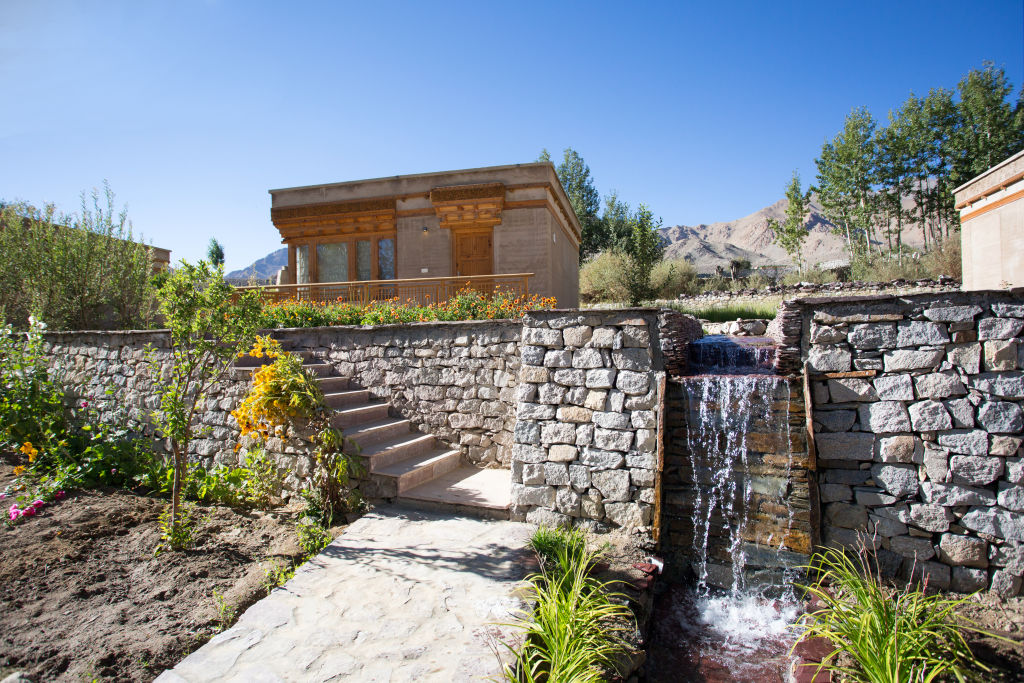
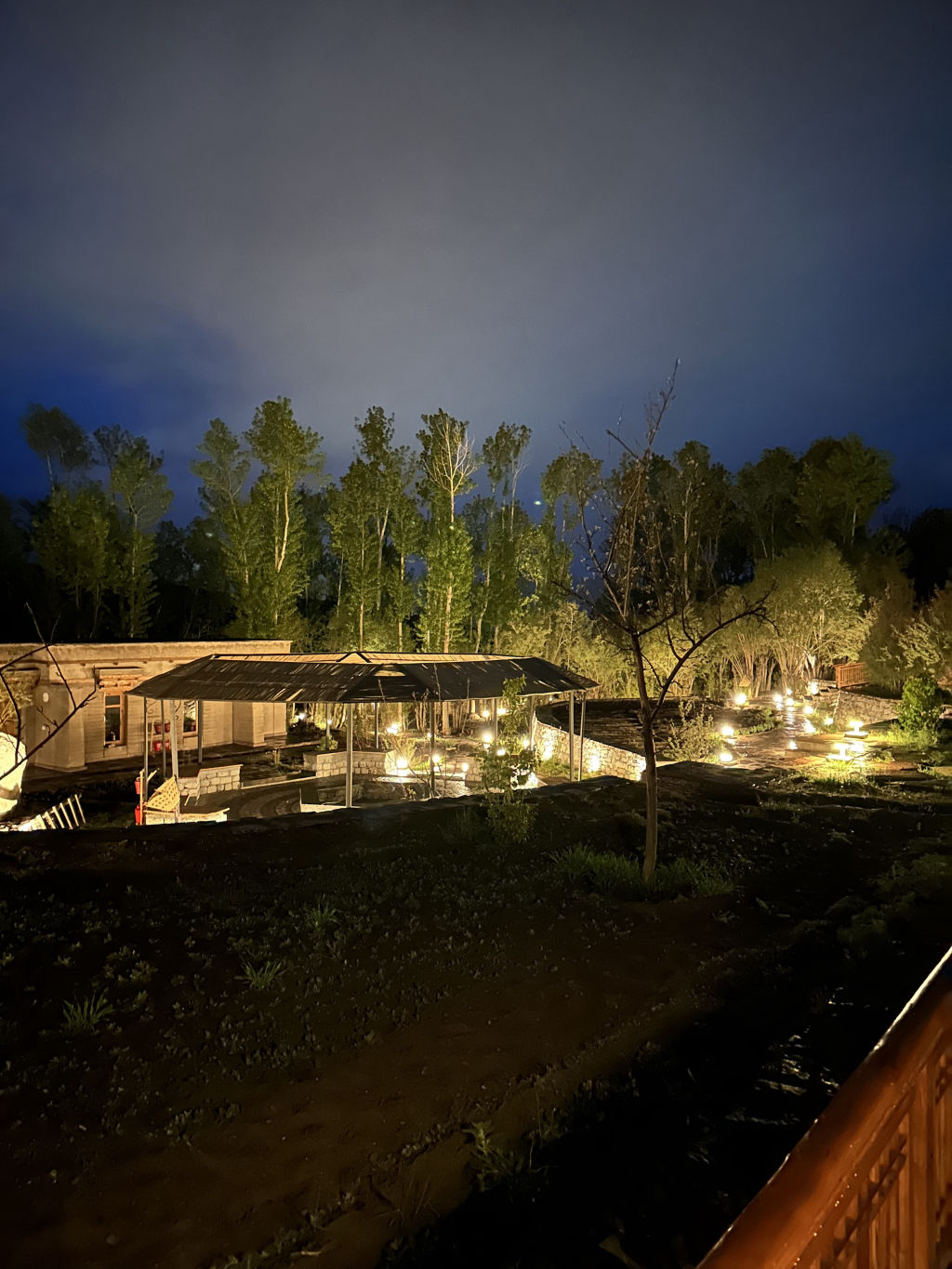
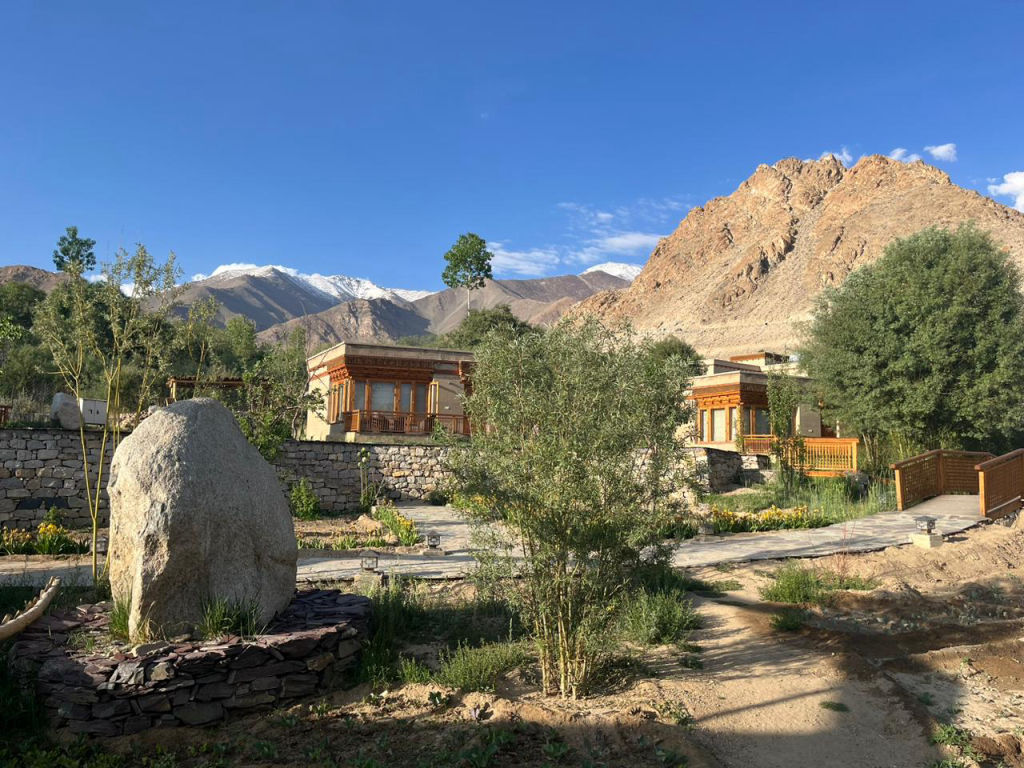
While most travelers choose to visit Sangam Point as a half-day or full-day trip while based in the town of Leh, staying in the quieter rural surroundings nearby provides a more peaceful Himalayan experience. Traditional village homestays and seasonal riverside camps can be found in neighboring settlements along the Indus and Zanskar corridors, offering an authentic glimpse of local life, homegrown Ladakhi food, and clear night skies for stargazing.
Whether you prefer a cozy room in an authentic mountain homestay or a tranquil tent pitched near the river, you can explore and book suitable options on HireACamp. Staying nearby allows you to visit Sangam Point early in the morning before daytime tour groups arrive.
Frequently asked questions
How far is Sangam Point from Leh?
Sangam Point is situated roughly 30 to 35 kilometers west of Leh, taking approximately 45 minutes to an hour by car or motorcycle along the highway.
Which two rivers meet at Sangam Point?
The Indus River and the Zanskar River merge at Sangam Point, displaying a distinct contrast in their water colors.
Can you go river rafting at Sangam Point?
Yes, river rafting is a popular activity around the confluence, primarily available during the warmer summer months between June and September.
Do I need a special permit to visit Sangam Point?
Indian nationals do not need special inner-line permits to visit Sangam Point since it lies directly along the Leh-Srinagar Highway, though foreign travelers should verify current regional permit rules in Leh.
Is there an entry fee to see Sangam Point?
There is no fee to view the confluence from the roadside viewpoints, though adventure activities like rafting operate under independent local operators.
Where you'll be
Zanskar Valley Road, Jammu · 3 stays nearby shown with prices
Stays near Sangam Point
Book a place to stay close by
More places near Sangam Point
Within 20 km
Built from 0 Instagram posts by 0 creators. Every tip links back to the post it came from, and where creators disagree we show both sides.






