
Leh Ladakh
Destination in Ladakh
Leh is the high-altitude capital town of the Ladakh region, situated in the upper Indus River valley framed by the dramatic peaks of the Himalayas and the Karakoram range. Travellers journey here to explore ancient Buddhist gompas, experience trans-Himalayan culture, and use the settlement as a staging ground for expeditions across rugged mountain passes. Its blend of traditional mudbrick architecture, bustling markets, and stark desert landscapes makes it one of the most distinctive destinations in northern India.
Getting there
About Leh Ladakh
Written with AI from map data and general knowledge. Check prices and timings locally before you go.
About Leh and Its High-Altitude Setting
Perched at an elevation of approximately 3,500 metres above sea level, Leh sits in a dramatic rain-shadow desert surrounded by barren crags and snow-streaked ridges. For centuries, this mountain town served as a vital junction on the ancient Silk Route network, connecting caravans travelling between the plains of India, the high plateau of Tibet, and the oasis towns of Central Asia. That deep commercial and cultural heritage remains visible in the fabric of the old settlement, where flat-roofed sun-dried mudbrick homes cluster along narrow stepped alleys.
The town is dominated by the rocky spur supporting the historic royal palace, while the fertile valley floor below is fed by glacial meltwater, supporting groves of willow, poplar, and terraced barley fields. Life here moves to the rhythm of the seasons, characterised by brilliant sunshine, crisp mountain air, and a cultural tapestry woven from Tibetan Buddhism, ancient trade links, and Ladakhi traditions.
Things to Do in Leh
Begin by exploring the old town on foot, making your way up through winding alleyways to the multi-storey Leh Palace. This seventeenth-century fortress of stone and timber provides panoramic views across the town rooftops, the green belt of the Indus valley, and the jagged Stok range in the distance. Above the palace, the Tsemo Fort and its small shrine cling to the ridge crest, rewarding hikers with even wider mountain vistas.
A visit to the Shanti Stupa, set on a steep hill in the Changspa quarter, is particularly rewarding in the early morning or at sunset when the surrounding peaks take on shades of gold and deep violet. In the town centre, the pedestrian-only Main Bazaar is an active hub where local farmers sit with fresh herbs and dried apricots alongside craft stalls offering woollen carpets, brass butter lamps, and carved woodwork. Spending an unhurried afternoon drinking butter tea and exploring the quiet corners of the town allows you to adjust naturally to the pace of mountain life.
Read more
Historic Monasteries Around Leh
The stretch of the Indus Valley surrounding Leh is home to some of the most celebrated Buddhist monasteries in Ladakh. Thiksey Monastery, dramatically tiered up a standalone hillside, closely resembles Lhasa's Potala Palace and houses a magnificent two-storey statue of the Maitreya Buddha. Arriving at sunrise allows travellers to witness morning prayers, where the deep reverberation of long brass horns and chanting fills the assembly hall.
Further up the valley lies Hemis Monastery, hidden within a quiet gorge. As one of the wealthiest and largest monastic complexes in the region, Hemis is renowned for its vast courtyard, sacred relics, and historic museum. Downriver, Spituk Monastery overlooks the broad valley floor and riverbed, while Shey Palace preserves the ruins of an ancient summer capital with a giant copper-gilt Buddha figure. Visiting these monastic settlements provides profound insight into centuries of living Himalayan spiritual traditions.
Getaways and Day Trips from Leh
Leh serves as the ideal springboard for excursions across the wider Ladakh territory. A popular short journey leads west along the highway to the confluence of the Indus and Zanskar rivers at Nimmu, where the contrasting colours of the two torrents meet beneath sheer canyon walls. Along the way, travellers often pause at the gravity-defying stretch known as Magnetic Hill, as well as the historic Basgo ruins perched precariously on eroded clay formations.
For longer adventures, mountain roads climb over high passes to remote valleys. Crossing the Khardung La pass brings you down into the broad Nubra Valley, known for its sand dunes, double-humped Bactrian camels, and orchards. Eastward across the high Chang La pass lies Pangong Tso, an immense endorheic lake stretching across the border, famous for its changing shades of turquoise and deep blue against barren ridgelines.
Best Time to Visit Leh
The primary travel season in Leh runs from late May through September, when summer temperatures are comfortable, roads are clear of snow, and local flora is in full bloom. Daytime temperatures during these months are warm and pleasant under bright sun, though nights remain chilly. Summer is also the season of vibrant monastery festivals, filled with costumed cham dances and community gatherings.
October brings crisp autumn days, turning the poplars brilliant shades of gold, but night-time temperatures drop sharply below freezing. From November through April, the high-altitude winter sets in with harsh sub-zero conditions and heavy snowfall across the surrounding mountain passes. While winter travel requires serious thermal preparation, it attracts travellers seeking quiet landscapes, frozen rivers, and unique winter wildlife tracking.
How to Reach Leh
Air travel is the fastest way into the region, with regular domestic flights operating into Kushok Bakula Rimpochee Airport in Leh from major northern Indian hubs. The landing is notable for sweeping aerial views across snowbound Himalayan massifs, but because you land directly at high altitude, taking it easy immediately upon arrival is essential.
Overland journeys are possible during the warmer months when the major trans-Himalayan highways open. The route from Manali crosses several high mountain passes and expansive plateaus, while the highway from Srinagar winds through lush Kashmiri valleys, over the Zoji La pass, and through the towns of Dras and Kargil. Both overland approaches take multiple days and require careful route planning, but they offer gradual altitude gain and unforgettable scenery.
Tips for Acclimatisation and High-Altitude Travel
Because Leh sits at 3,500 metres, acute mountain sickness is a real concern for arriving travellers, particularly those who fly directly in. It is critical to dedicate the first two days strictly to rest and light walking within the town, avoiding strenuous physical effort and resisting the urge to cross higher passes immediately. Staying well-hydrated, drinking warm water or herbal teas, and avoiding alcohol will support your body as it adapts.
The high-altitude atmosphere is thin, meaning ultraviolet radiation is intense throughout the year. Wear wide-brimmed hats, high-SPF sunscreen, and protective sunglasses even on overcast days. Dressing in breathable layers is essential, as the contrast between sunlit warmth and shadow or evening cold can be sudden and dramatic. Always check current road conditions and permit guidelines locally before heading out toward border areas.
Where to Stay in Leh
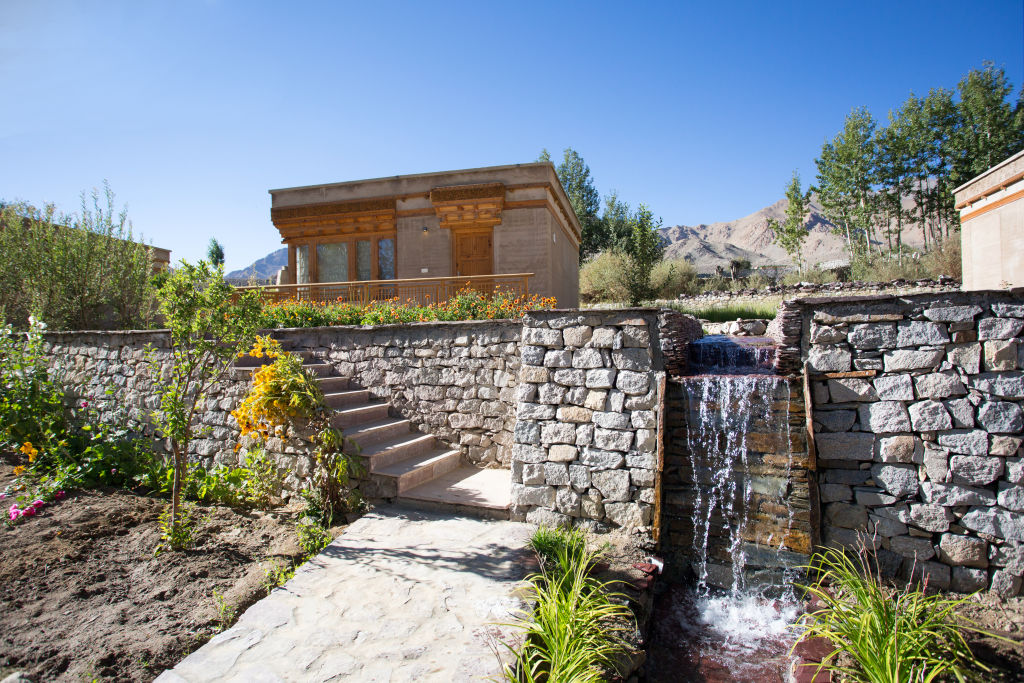
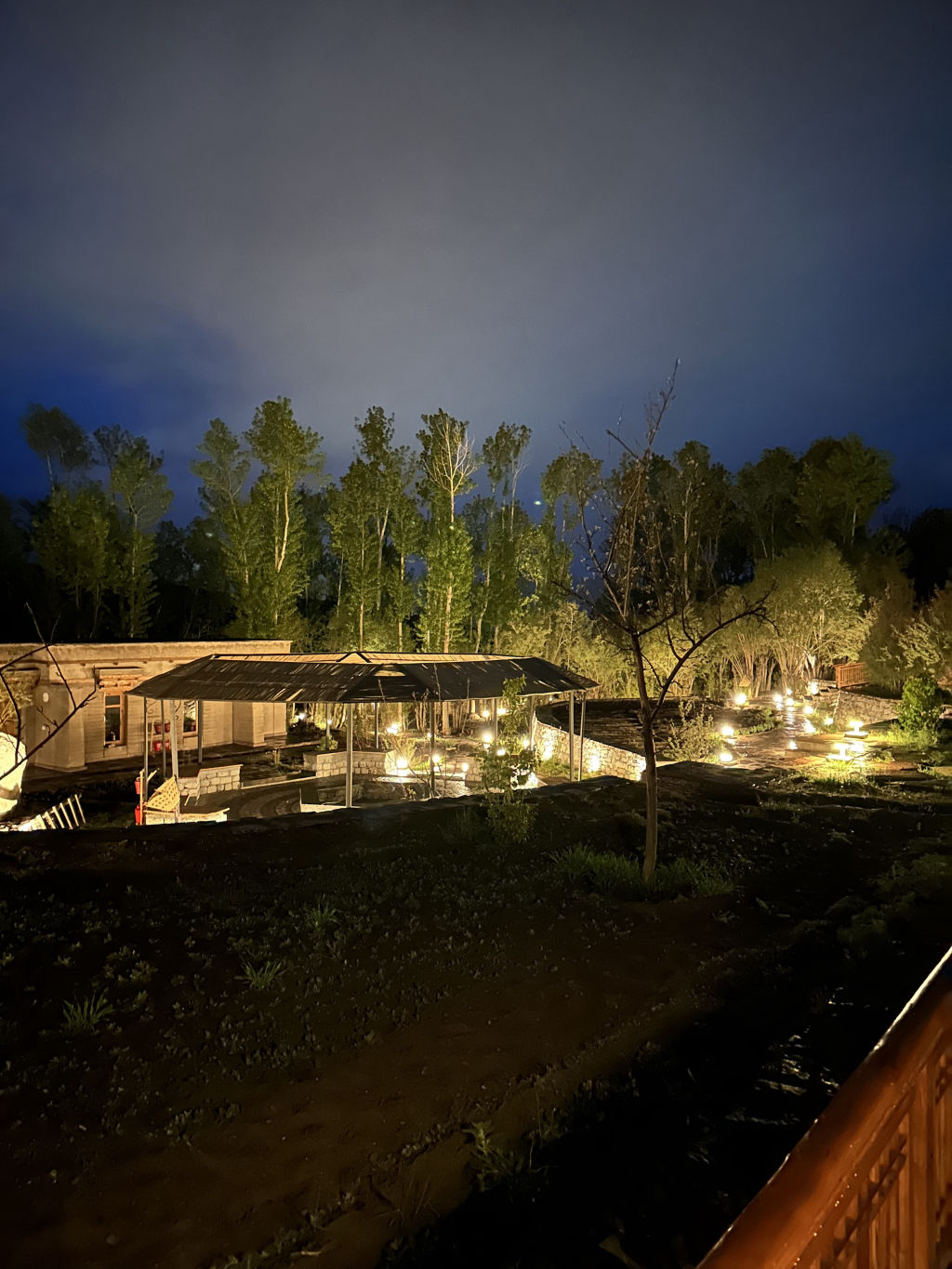
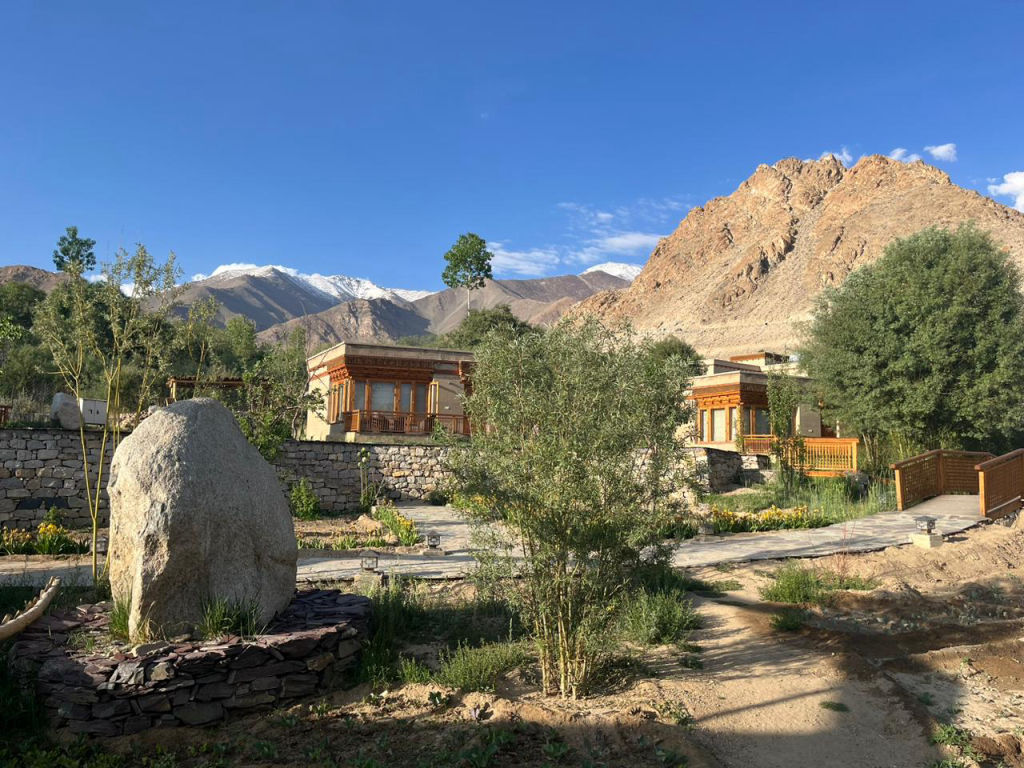
Leh offers diverse accommodation options tailored to outdoor travellers and culture seekers alike. Staying slightly outside the market centre, in peaceful neighbourhoods such as Changspa, Karzoo, or Upper Leh, provides quiet surroundings with views of kitchen gardens and poplar groves. Many lodgings are built in traditional Ladakhi style, incorporating wood-framed windows, thick insulation, and sunny rooftop terraces.
For an authentic and grounded experience, homestays in and around Leh allow you to share meals prepared from homegrown produce and connect directly with local families. Travellers looking for outdoor camps, eco-cottages, and independent homestays across Leh and the surrounding valley can find curated bookings directly on HireACamp.
Frequently asked questions
How many days are needed to acclimatise in Leh?
Travellers arriving by air should plan to spend at least forty-eight hours resting in Leh before taking on steep hikes or crossing higher mountain passes. This allows your body to adjust to the lower oxygen levels and helps avoid acute mountain sickness.
Can I visit Leh by road throughout the year?
No, the overland highways from Manali and Srinagar are generally closed during the winter months due to heavy snow on the high passes. Road access typically opens in late spring and remains operational until early autumn, depending on local weather conditions.
What should I pack for a summer trip to Leh?
Pack multiple clothing layers, including lightweight fleece jackets, thermal base layers, a windproof outer shell, and sturdy walking shoes. Sunscreen, UV-rated sunglasses, a sun hat, and a reusable water bottle are also essential due to the intense mountain sun.
Do I need special permits to travel around Leh?
While the town of Leh itself does not require inner-line permits for standard sightseeing, visits to protected border areas such as Pangong Tso, Nubra Valley, and Tso Moriri require specific travel permits. It is best to verify current requirements and arrange documentation locally before heading to these destinations.
Where you'll be
3 stays nearby shown with prices
Stays near Leh Ladakh
Book a place to stay close by
Things to do in Leh Ladakh
48 places creators recommend within 30 km
Built from 0 Instagram posts by 0 creators. Every tip links back to the post it came from, and where creators disagree we show both sides.






