
Leh Palace
Palace near Leh Ladakh, Ladakh
1.7 km from Leh Ladakh
The nearest town, for stays, food and fuel.
Leh Palace is a seventeenth-century royal fortress perched on the rocky ridge of Namgyal Hill overlooking the town of Leh in Ladakh. Built during the reign of King Sengge Namgyal, the nine-storey monument stands as a prominent example of medieval Himalayan and Tibetan architecture. Travellers visit to wander through its restored chambers, learn about royal Ladakhi history, and take in panoramic views across the Indus Valley.
Getting there
By road
- From Leh5 min · 2.9 km
- From Leh LadakhNearest town5 min · 2.9 km
Typical drive times without traffic. Stations and airports from OLA Maps; distances and typical drive times from OpenStreetMap (© OpenStreetMap contributors); notes from creators' Reels.
About Leh Palace
Written with AI from map data and general knowledge. Check prices and timings locally before you go.
History and Architecture of Leh Palace
Constructed in the early 1600s by King Sengge Namgyal, Leh Palace served as the seat of the royal Namgyal dynasty until the royal family moved to Stok Palace in the mid-nineteenth century. The structure rises nine storeys high against the barren rock face of Namgyal Hill. It was built using massive mud-brick, stone masonry, and timber beams, a traditional Himalayan construction style that allows monumental structures to withstand high winds, seismic activity, and severe desert winters.
The palace bears a strong architectural resemblance to the Potala Palace in Lhasa, Tibet, which was begun slightly later. Its towering, inward-sloping walls taper as they climb toward the open terraces at the top. The lower levels were historically used as stables, storehouses, and quarters for palace guards and servants, while the upper floors housed royal reception halls, ceremonial chambers, and private shrines for the royal household.
What to See Inside Leh Palace
Today, Leh Palace is maintained as a heritage site, with many of its interior rooms preserved or restored. Exploring the palace takes you through dimly lit corridors, narrow wooden stairways, and high-ceilinged ceremonial halls. The palace museum exhibits royal attire, ceremonial crowns, traditional Ladakhi jewellery, old manuscripts, and centuries-old thangkas painted on fine silk that depict Buddhist deities and philosophical teachings.
One of the main highlights of the interior is the small royal shrine, where ancient murals painted with mineral pigments remain visible on the plaster walls. As you climb towards the upper levels, you emerge onto spacious open-air wooden balconies and the palace rooftop. From these vantage points, visitors get an unobstructed panoramic view of the entire Leh town, the green oasis of the valley floor, the whitewashed dome of Shanti Stupa, and the rugged, snow-dusted peaks of the Stok range in the distance.
Read more
Best Time to Visit Leh Palace
The ideal period to visit Leh Palace is between May and September. During these summer and early autumn months, Ladakh enjoys warm and sunny daytime weather, and the mountain passes connecting Leh to the rest of India remain open. The skies are clear, making the rooftop views across the valley sharp and expansive.
From late October through April, winter grips the region, bringing freezing temperatures and occasional snowfall. While the palace remains accessible to those who fly into Leh during winter, temperatures drop drastically, and strong icy winds blow across Namgyal Hill. If you choose to visit during the colder months, dress in heavy layers and prepare for sub-zero weather.
How to Reach Leh Palace
Leh Palace is located directly above the Old Town of Leh. Travellers arriving by air land at Kushok Bakula Rimpochee Airport in Leh, which operates regular flights from major Indian cities such as Delhi, Srinagar, and Chandigarh. If travelling by road during the summer season, Leh can be reached via the scenic Manali-Leh Highway or the Srinagar-Leh Highway.
From the Leh Main Bazaar, you can reach the palace either on foot or by vehicle. Walking up from the Old Town requires a steep walk of fifteen to twenty minutes along traditional stone paths and stairs winding between historic mud-brick houses. For a more relaxed journey, local taxis and private vehicles can drive up via the winding paved road that leads directly to the palace entrance parking area.
Tips for Exploring Leh Palace
Because Leh sits at an altitude of over 3,500 metres above sea level, acclimatisation is essential. Spend your first day or two resting before attempting the steep walk up Namgyal Hill, as climbing stairs and slopes at high altitude can cause shortness of breath. Take slow, deliberate steps while navigating the palace.
The interior of the palace contains uneven stone steps, low timber doorways, and dim corridors, so comfortable walking shoes with good grip and a small flashlight or phone light are helpful. Carry a refillable water bottle and protect yourself from the intense high-altitude sun with a hat and sunscreen. Remember to check local guidelines regarding photography inside the prayer halls and exhibition rooms.
Places to Visit Around Leh Palace
Directly above Leh Palace on the crest of the hill stands Namgyal Tsemo Gompa, a fifteenth-century monastery housing a golden statue of Maitreya Buddha and offering an even higher vantage point over the valley. Exploring the labyrinth of alleys in Leh Old Town below the palace reveals historic Ladakhi architecture, community bakeries, and small prayer wheels built into ancient walls.
A short drive along the Indus River brings you to scenic outdoor spots like Sindhu Ghat, known for its tranquil riverbank setting, and Sangam Point, where the turquoise waters of the Indus River meet the darker waters of the Zanskar River. Travellers also frequently visit the hilltop Shanti Stupa and various historic monasteries scattered across the surrounding valley.
Where to Stay Near Leh Palace
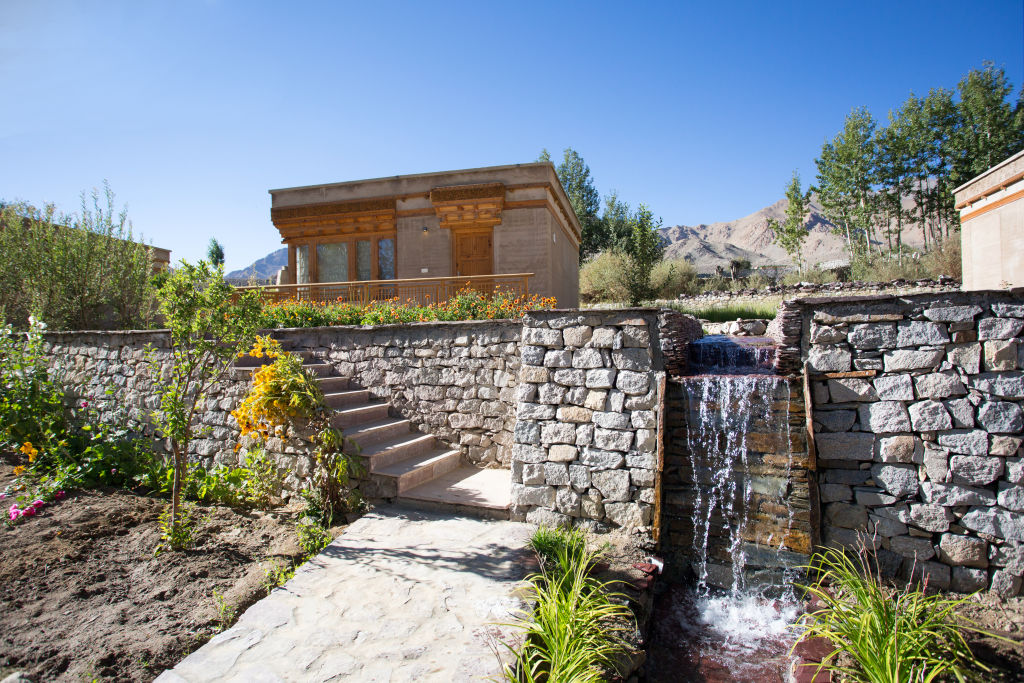
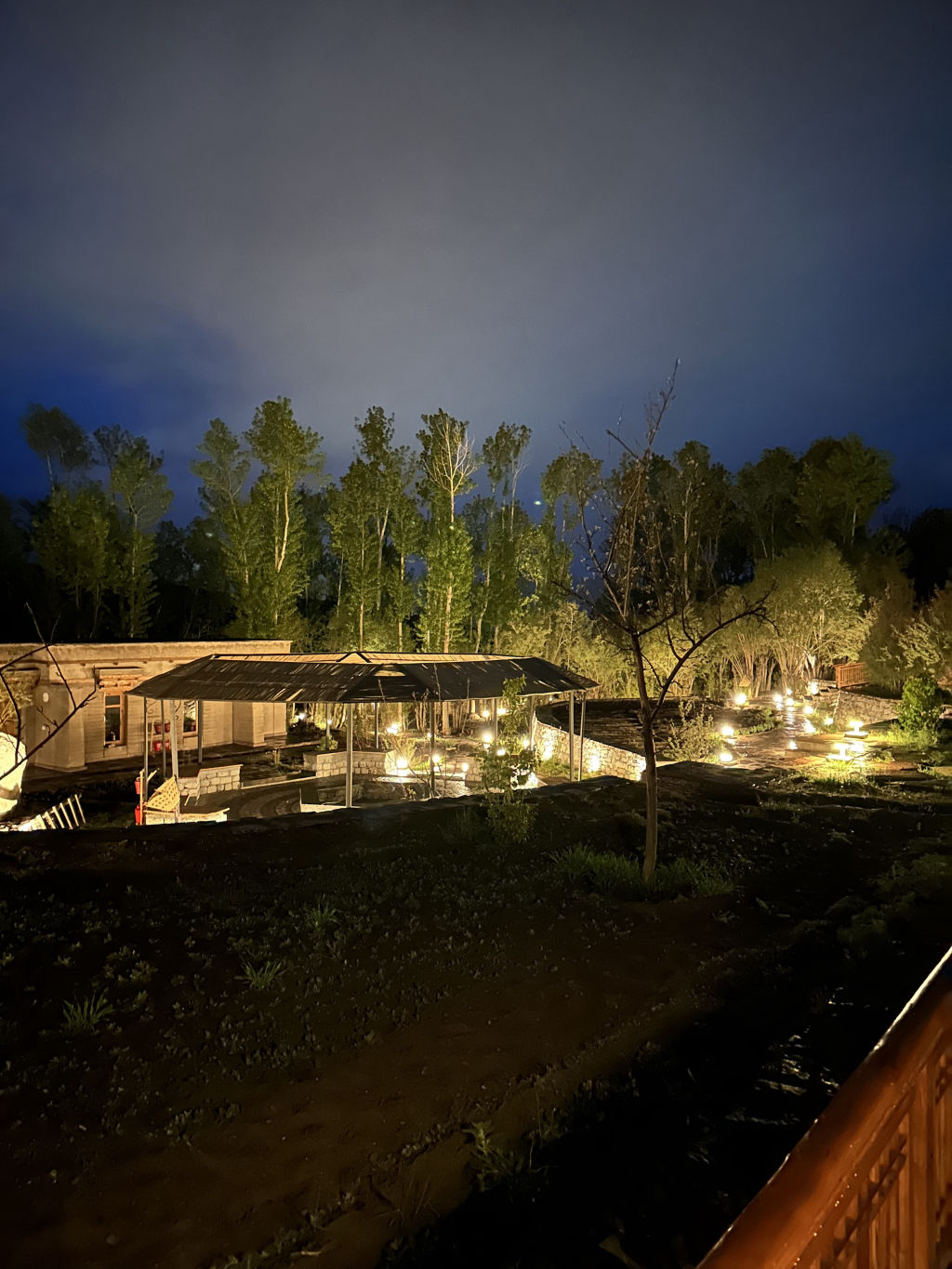
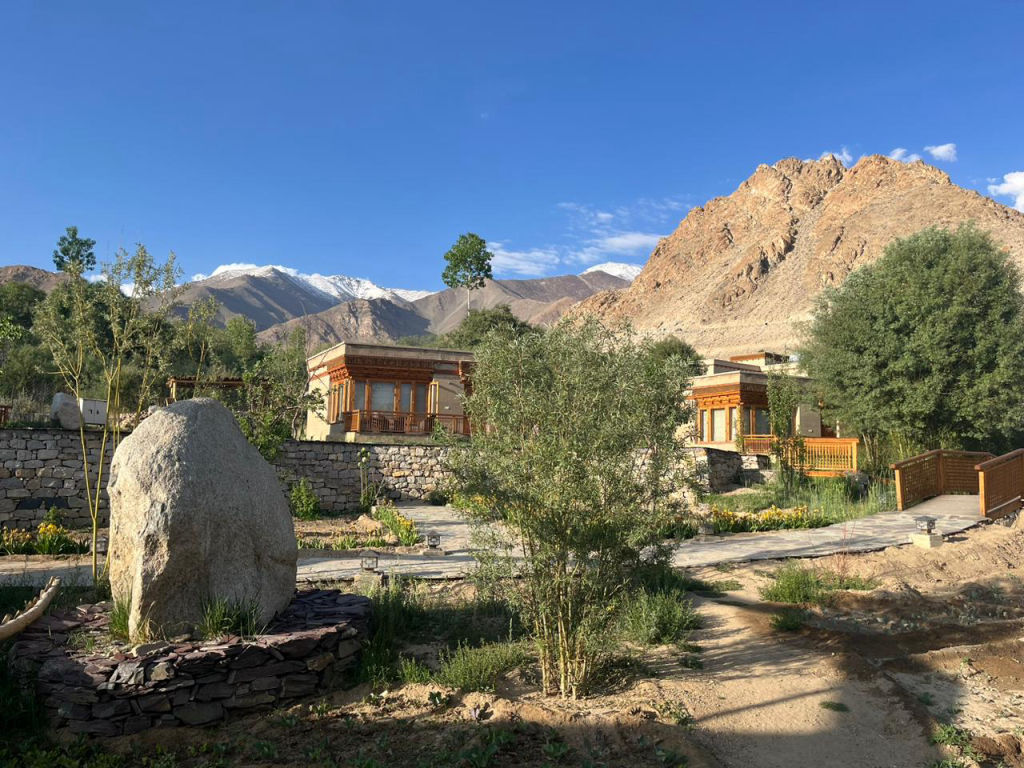
Leh offers a diverse array of accommodations suitable for every style of travel, ranging from quiet traditional mud-brick homestays in nearby rural settlements to peaceful wilderness campsites along the Indus Valley. Staying in or around Leh provides convenient access to the palace, local markets, and cultural heritage sites. You can discover and book verified camps, homestays, and unique local stays near Leh on HireACamp.
Frequently asked questions
How many storeys does Leh Palace have?
Leh Palace rises nine storeys high, with the lower floors historically used for stables and storage, while the upper levels served as the royal residence and shrines.
Can you walk to Leh Palace from the main market?
Yes, you can walk to the palace from Leh Main Bazaar by following the pedestrian paths through the Old Town, which takes around fifteen to twenty minutes of uphill walking.
How much time should I spend at Leh Palace?
Most visitors spend between one to two hours exploring the interior museum rooms, prayer halls, and open rooftop viewing areas.
Is Leh Palace accessible during the winter?
Leh Palace remains accessible during the winter, though visitors must dress in heavy thermal layers to handle severe sub-zero temperatures and cold winds.
Where you'll be
Namgyal Hill Leh Jammu and Kashmir, Leh · 3 stays nearby shown with prices
Stays near Leh Palace
Book a place to stay close by
More places near Leh Palace
Within 20 km
Built from 0 Instagram posts by 0 creators. Every tip links back to the post it came from, and where creators disagree we show both sides.






