
Mahabaleshwar Temple
Temple near Jaoli, Maharashtra
4.7 km from Jaoli
The nearest town, for stays, food and fuel.
The Mahabaleshwar Temple is an ancient shrine dedicated to Lord Shiva, nestled in the village of Old Mahabaleshwar amidst the forested Sahyadri range of Maharashtra. Revered for its deep spiritual heritage and distinctive stone architecture, it serves as a central pilgrimage landmark in the region. Visitors come to seek blessings, admire the historic Hemadpanti craftsmanship, and experience the quiet atmosphere of the surrounding hills.
Getting there
By road
- From JaoliNearest town27 min · 17 km
- From Mahabaleshwar29 min · 18 km
- From Pune2 hr 45 min · 118 km
- From Mumbai 4 hr 30 min · 222 km
Typical drive times without traffic. Stations and airports from OLA Maps; distances and typical drive times from OpenStreetMap (© OpenStreetMap contributors); notes from creators' Reels.
About Mahabaleshwar Temple
Written with AI from map data and general knowledge. Check prices and timings locally before you go.
History and significance of Mahabaleshwar Temple
The Mahabaleshwar Temple stands as one of the most revered spiritual sites in the Western Ghats of Maharashtra. Dedicated to Lord Shiva, known here as Mahabali or the Great Power, the shrine has deep roots in regional history and folklore. According to local belief, the sanctuary is centered around a self-manifested stone lingam, revered by devotees who travel from across the country to pay homage.
Historically, the temple was developed under the patronage of the Chanda Rao More dynasty in the sixteenth century, though the spiritual roots of the site trace back much earlier. The temple grounds have witnessed centuries of dynastic transitions, including the period of the Maratha Empire under Chhatrapati Shivaji Maharaj. Over generations, the temple has retained its traditional aura, maintaining rituals that connect present-day worshippers to the ancient heritage of the mountain sanctuary.
Architecture and temple design
The temple showcases the classic Hemadpanti architectural style that flourished in medieval Maharashtra. Built primarily of dark local basalt stone, the complex features a solid, unadorned exterior that has withstood centuries of torrential monsoon rains and mountain winds. Its design emphasizes strength, simplicity, and geometric symmetry, reflecting the ascetic ethos of Shaivism.
Inside, the inner sanctum is deliberately dark and intimate, drawing the focus of devotees entirely toward the sacred Shiva lingam. A carved stone figure of Nandi, the sacred bull, sits in quiet reverence facing the entrance of the shrine. Stone pillars support the low-ceilinged hall, while the courtyard outside provides a paved, peaceful space where pilgrims gather before and after offering their prayers.
Read more
Best time to visit Mahabaleshwar Temple
Because Mahabaleshwar is located high in the Sahyadri mountains, the weather varies dramatically between seasons, each lending a different character to the temple surroundings.
The period from October to February is widely considered the most comfortable time to visit. During these months, the air is crisp, temperatures are cool, and the post-monsoon greenery remains vivid across the valleys. Winter mornings can be chilly, often accompanied by a light mountain mist that adds a quiet charm to early temple visits.
The monsoon season, from June to September, brings intense rainfall to this part of the Western Ghats. Dense fog often envelopes the temple complex, and water flows through every ravine in the hills. While the atmosphere is extraordinarily lush and dramatic, visitors should expect slippery stone steps and persistent moisture. The summer months, spanning March through May, bring warmer daytime temperatures, though the hill station remains significantly cooler than the surrounding lowlands.
How to reach Mahabaleshwar Temple
The temple is located in Old Mahabaleshwar, situated just a short drive from the main Mahabaleshwar market area. The approach road winds through dense forest patches, offering scenic viewpoints of the surrounding valleys along the way.
Travellers arriving from major cities such as Pune or Mumbai generally reach Mahabaleshwar by road via Satara or Wai. State transport buses, private coaches, and personal vehicles travel regularly up the mountain ghats. From the Mahabaleshwar town centre, local taxis and auto-rickshaws are readily available to transport visitors directly to the temple entrance. Parking areas are located near the complex, though walking through the pedestrian pathways is required to reach the sanctum.
Tips for your visit
As with any functioning Hindu temple, visitors are expected to observe traditional customs. Footwear must be removed before entering the courtyard and inner sanctum, and modest dress is advised out of respect for local religious practices. Photography may be restricted in certain parts of the inner shrine, so it is best to check signs or ask temple attendants before using cameras or phones.
Because the temple paths and courtyard are constructed of stone, they can become quite slick during the rainy season, making sturdy footwear with good grip essential for the walk up. During peak holiday seasons and major religious festivals like Mahashivratri, the temple experiences high footfall, so planning your visit early in the morning can provide a much quieter and more contemplative experience.
Places to visit nearby
The highland region surrounding the Mahabaleshwar Temple is filled with dramatic landscapes, historic fortifications, and panoramic viewpoints. A visit to the temple can easily be combined with exploring the wider geography of the Sahyadri range.
A short drive down toward Panchgani reveals Table Land, a vast volcanic plateau that provides sweeping views of the valleys below and the distant waters of Dhom Lake. For trekking enthusiasts, the rugged battlements of Kamalgad Fort and Kenjalgad Fort lie within the surrounding hills, offering challenging day hikes across rocky ridges and ancient stone ramparts.
Further afield, travellers can explore historical strongholds such as Torna Fort and Raigad Fort, which showcase the storied military heritage of the Maratha kingdom. In the late monsoon, the famous Kaas Plateau, located to the south, transforms into a vibrant carpet of seasonal wildflowers, making it a compelling excursion for nature lovers.
Where to stay
The Mahabaleshwar and Panchgani region offers diverse accommodation options suited to different travel styles, ranging from hill-town cottages to quiet countryside retreats. If you are looking for an immersive outdoor experience close to nature, you can discover riverside campsites, rustic homestays, and plantation cabins on HireACamp. Staying amidst the strawberry fields or forested ridges allows you to enjoy cool mountain evenings and early access to the temple.
Frequently asked questions
Which deity is worshipped at Mahabaleshwar Temple?
The temple is dedicated to Lord Shiva, worshipped here in the form of a swayambhu, or self-originated stone lingam.
Where is the temple located relative to the main town?
Mahabaleshwar Temple is situated in the heritage village of Old Mahabaleshwar, located a short drive north of the modern town centre.
Is there a specific dress code for entering the temple?
Visitors should dress modestly with covered shoulders and knees out of respect for religious customs, and all footwear must be left outside the temple complex.
Can senior citizens visit the temple easily?
Yes, vehicles can access parking near the temple entrance, though visitors must walk across stone courtyards and negotiate a few small steps to enter the sanctum.
What are the primary seasons for visiting the area?
The winter months from October to February offer cool, clear weather, while the monsoon from June to September brings heavy rains and lush, misty scenery.
Where you'll be
Mahabaleshwar, MH · 7 stays nearby shown with prices
Stays near Mahabaleshwar Temple
Book a place to stay close by
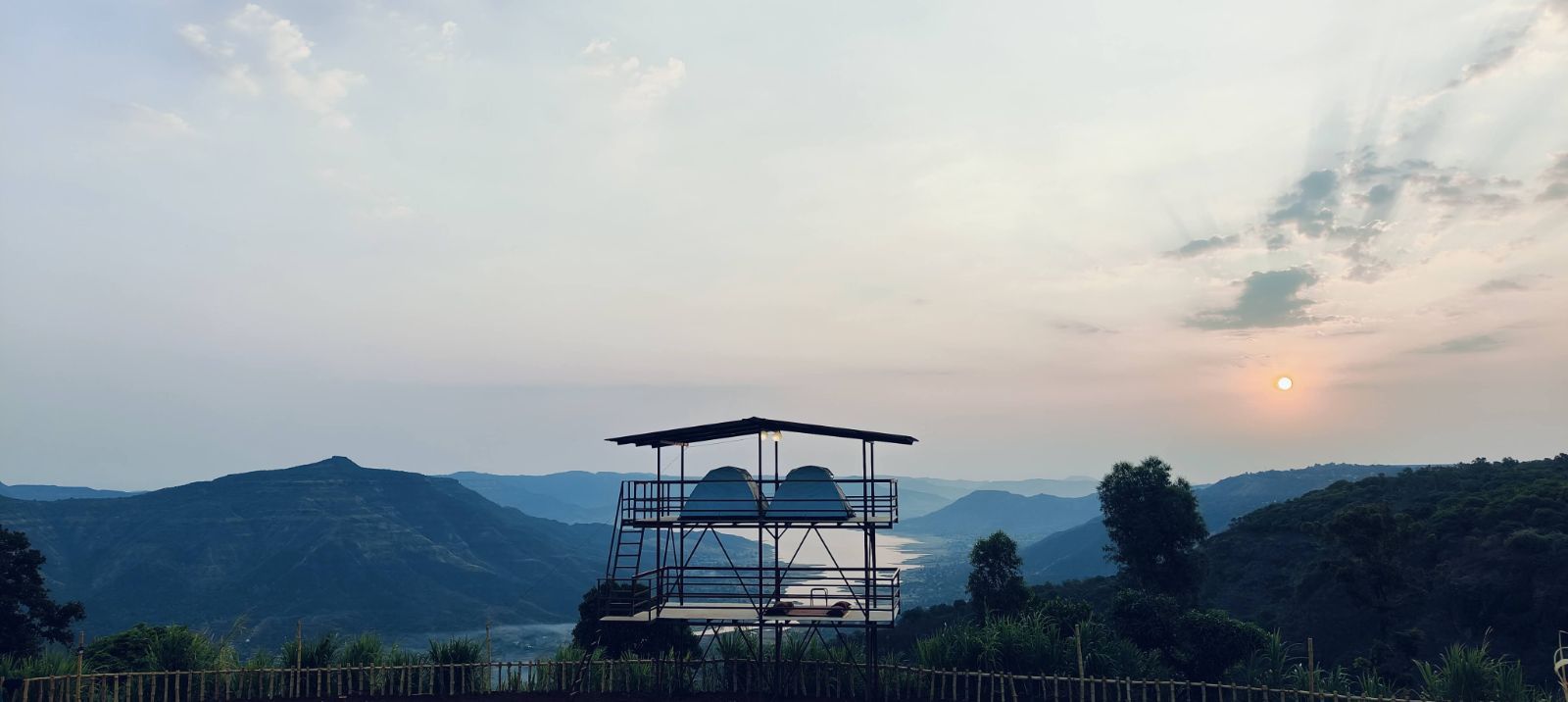
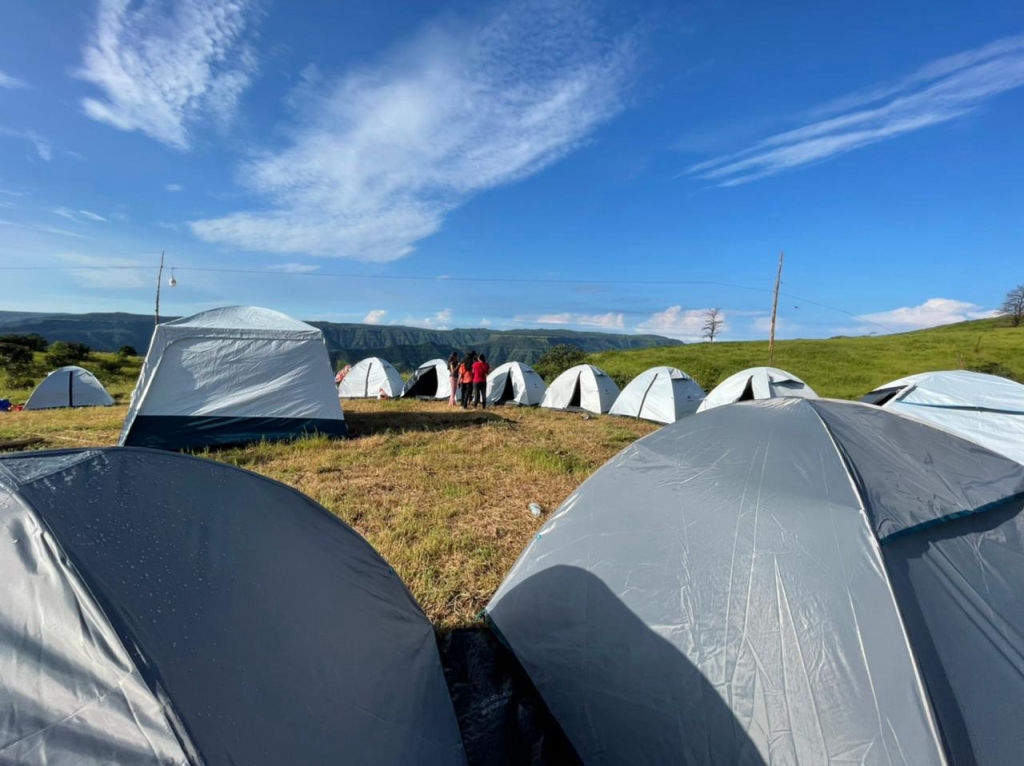
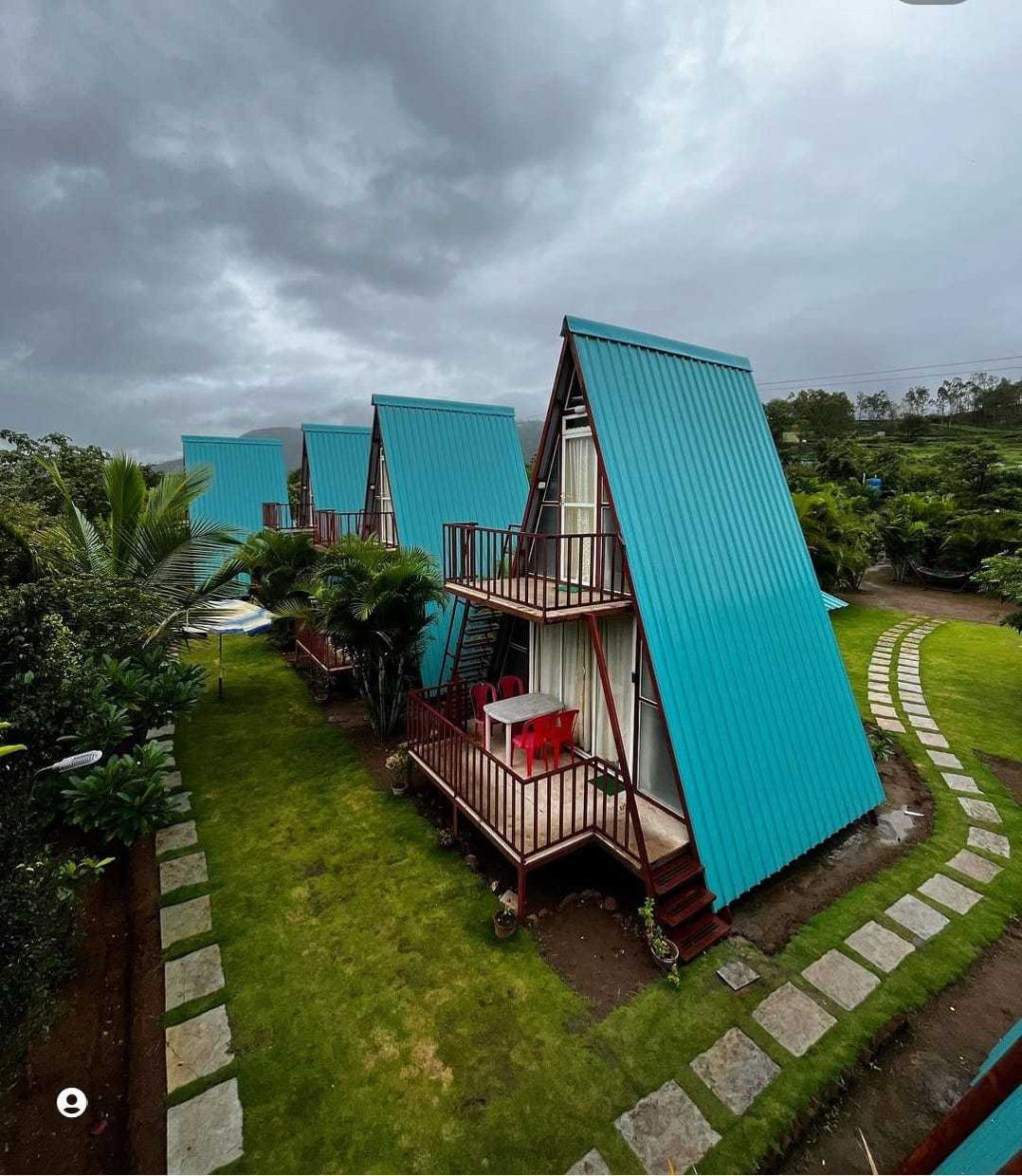
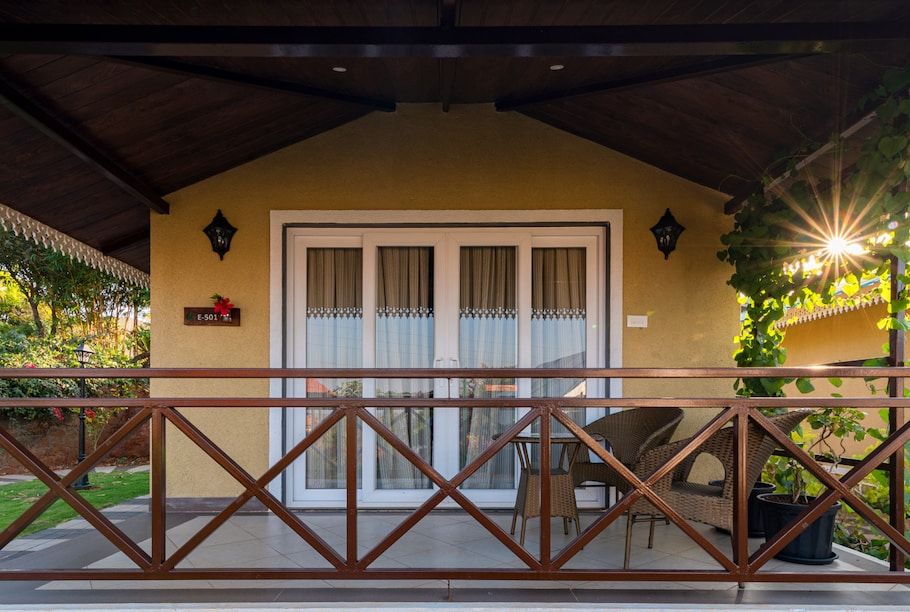
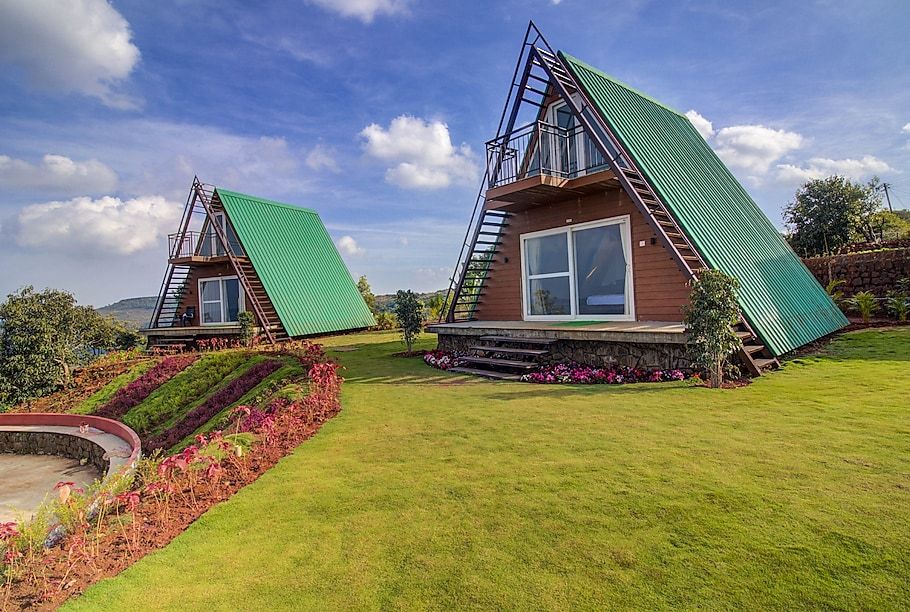
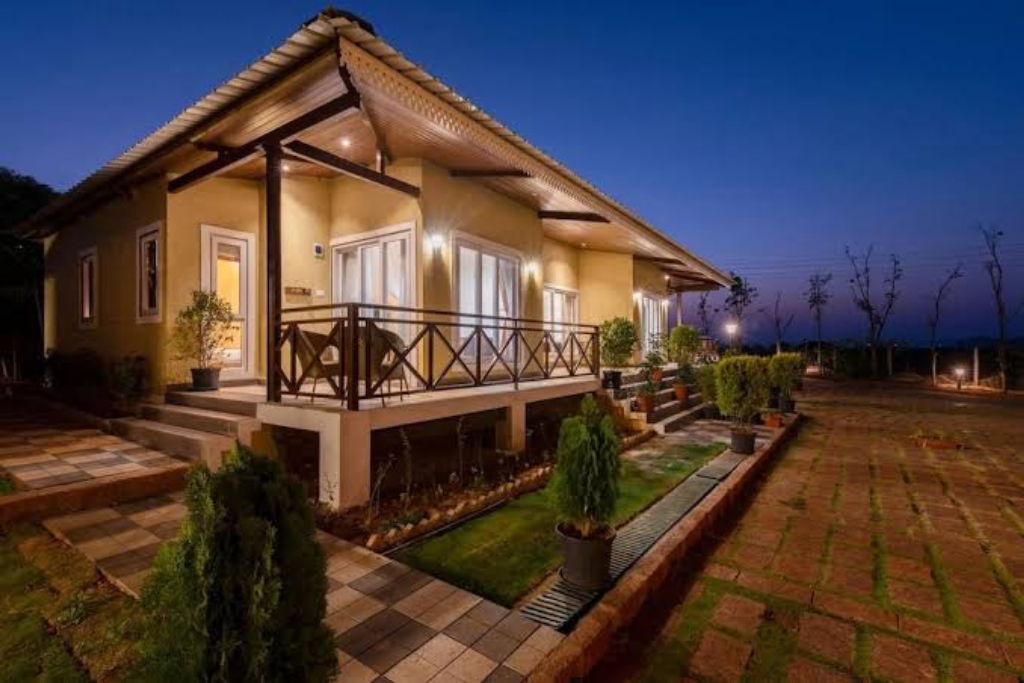
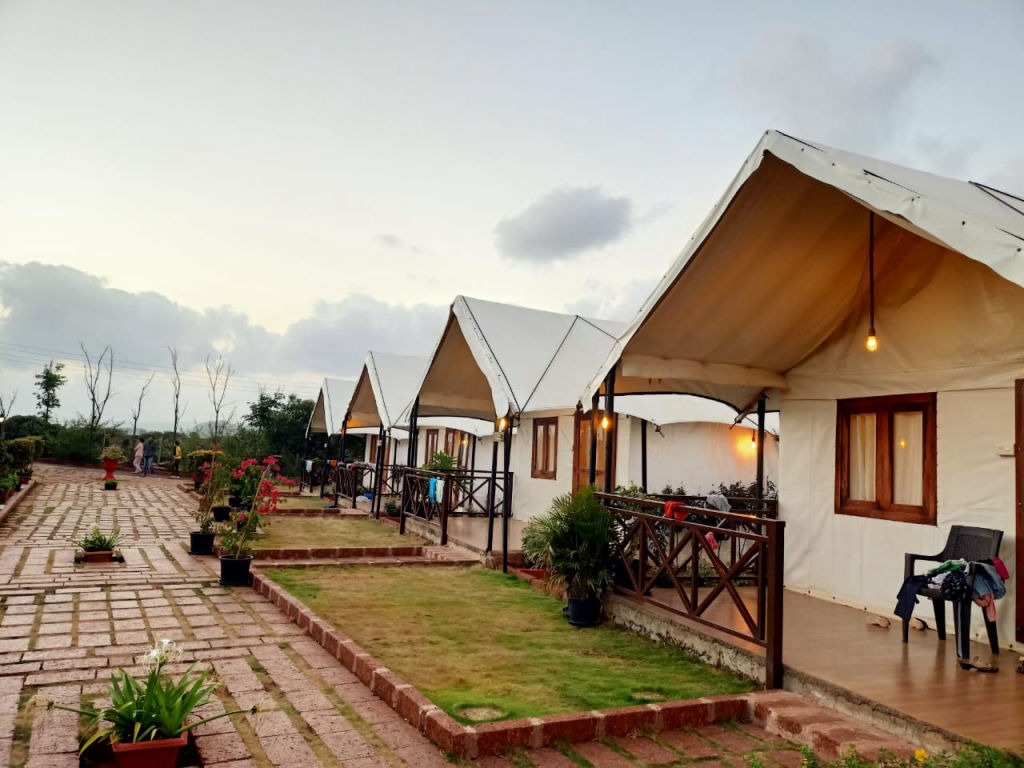
More places near Mahabaleshwar Temple
Within 20 km


Lists for this area
Ranked by how many creators recommend each place


Built from 0 Instagram posts by 0 creators. Every tip links back to the post it came from, and where creators disagree we show both sides.






