
Shri Panchganga temple
Temple near Jaoli, Maharashtra
4.6 km from Jaoli
The nearest town, for stays, food and fuel.
Shri Panchganga Temple is an ancient stone sanctuary located in Old Mahabaleshwar within the Western Ghats of Maharashtra. Revered as the holy convergence point of five sacred rivers—Krishna, Koyna, Venna, Savitri, and Gayatri—it holds deep spiritual significance for pilgrims. Travellers and history lovers visit to witness its continuous natural spring flowing through a carved stone spout and to experience the quiet heritage of the Sahyadris.
Getting there
By road
- From JaoliNearest town27 min · 17 km
- From Mahabaleshwar29 min · 18 km
- From Pune2 hr 45 min · 118 km
- From Mumbai 4 hr 30 min · 222 km
Typical drive times without traffic. Stations and airports from OLA Maps; distances and typical drive times from OpenStreetMap (© OpenStreetMap contributors); notes from creators' Reels.
About Shri Panchganga temple
Written with AI from map data and general knowledge. Check prices and timings locally before you go.
The sacred origin of five rivers
Shri Panchganga Temple holds immense religious importance in western India as the revered origin point of five distinct rivers. According to regional beliefs and Hindu lore, the Krishna, Koyna, Venna, Savitri, and Gayatri rivers emerge from this sacred hill site before charting their respective courses across peninsular India. Four of these rivers travel east and south to eventually discharge into the Bay of Bengal, while the Savitri charts a westward path through the Konkan region toward the Arabian Sea.
The central focus of devotional life at the temple is the natural mountain spring that emerges steadily from a carved stone spout shaped like a cow's mouth, known locally as the Gomukh. Devotees collect and sprinkle this fresh spring water on themselves, considering it purifying and auspicious. The spiritual atmosphere has remained rooted in centuries of pilgrimage traditions, offering an authentic glimpse into the religious landscape that predates modern tourism in the hill station.
Architecture of Shri Panchganga Temple
Built primarily in the traditional Hemadpanthi style of architecture, the stone structure of Shri Panchganga Temple displays the rugged durability characteristic of medieval Deccan shrines. Regional records trace its early foundation to Raja Singhandeo, a thirteenth-century monarch of the Yadava dynasty. In later centuries, the structure was maintained, expanded, and repaired under Maratha rulers who held sway over the Sahyadri hill forts and passes.
The exterior is constructed from dark basalt blocks cut and fitted to withstand centuries of heavy monsoon rain and hill moisture. Inside, modest carved stone pillars enclose a central courtyard containing the sacred spring. The water pours continuously from the Gomukh into a stepped square water tank known as a kunda. It then spills into secondary reservoirs before being guided out through ancient channels. A carved shrine dedicated to Lord Krishna stands beside the spring, giving the interior a tranquil, reflective character.
Read more
Best time to visit Shri Panchganga Temple
Shri Panchganga Temple is accessible throughout the year, but the surrounding landscape changes dramatically depending on the season. The winter period, from October through February, brings pleasant daylight conditions, cool breezes, and chilly nights. With clear roads and crisp mountain air, this is the most popular time for visitors wanting to pair temple exploration with scenic sightseeing around the Mahabaleshwar plateau.
The monsoon season between June and September envelops the area in thick mist, cool winds, and continuous downpours. The surrounding forests turn exceptionally lush, and the natural water springs flow with vigor, although the stone steps can become slick and visibility often drops on the ghat roads. The summer months from March to May bring warmer days, yet the high elevation maintains much cooler temperatures than the nearby lowland plains of Maharashtra.
How to reach Shri Panchganga Temple
The temple is located in Old Mahabaleshwar, approximately six kilometres north of the primary Mahabaleshwar town centre. Local taxis, auto-rickshaws, and private vehicles travel the paved route that winds past forested stretches toward Satara Road and the old village settlement. Parking is available near the approach path leading down to the temple complex.
Pune is the nearest major transit hub with an airport and extensive rail connections, situated around one hundred and twenty kilometres away, which typically takes three to four hours by road. Mumbai lies roughly two hundred and thirty kilometres away, requiring an approximate drive of five to six hours via the highway network and mountain ghats. State transport buses run frequently to the central Mahabaleshwar bus stand from major cities in Maharashtra, from where local transport can easily be hired.
Tips for visiting Shri Panchganga Temple
Because Shri Panchganga Temple is an active centre of daily worship, visitors should observe standard temple customs. Footwear must be taken off and left outside the stone gateway before entering the courtyard. Wearing modest clothing that covers the shoulders and knees is appropriate out of respect for worshippers and resident priests.
The stone flooring near the water cisterns and Gomukh stays damp throughout the year and can get slippery, especially during the monsoon months. Walking cautiously is recommended for young children and elderly travellers. Photography rules inside the inner sanctorum can vary, so it is wise to look for local guidance or ask on site before taking pictures. Planning your visit early in the morning allows you to experience the temple in peace before tour groups arrive.
Places to visit near Shri Panchganga Temple
Old Mahabaleshwar itself holds additional historical sites within short walking distance, such as the ancient Mahabaleshwar Temple dedicated to Lord Shiva and the scenic Krishnabai Temple overlooking the green valley. Those interested in mountain landscapes and history can find several notable landmarks within an easy day trip across the plateau.
Adventurous hikers can explore Kamalgad Fort, located about nine kilometres away, or Kenjalgad Fort, situated eleven kilometres from the site, both offering expansive vantage points over the Deccan valleys. Dhom Lake, approximately fifteen kilometres distant, is a scenic spot to enjoy open water views against rugged mountain backdrops. Near Panchgani, roughly sixteen kilometres away, lies Table Land, an immense flat laterite plateau. Travellers visiting during late monsoon can also journey about thirty-two kilometres south toward the Kaas Plateau, famous for its seasonal wildflower blooms.
Where to stay near Shri Panchganga Temple
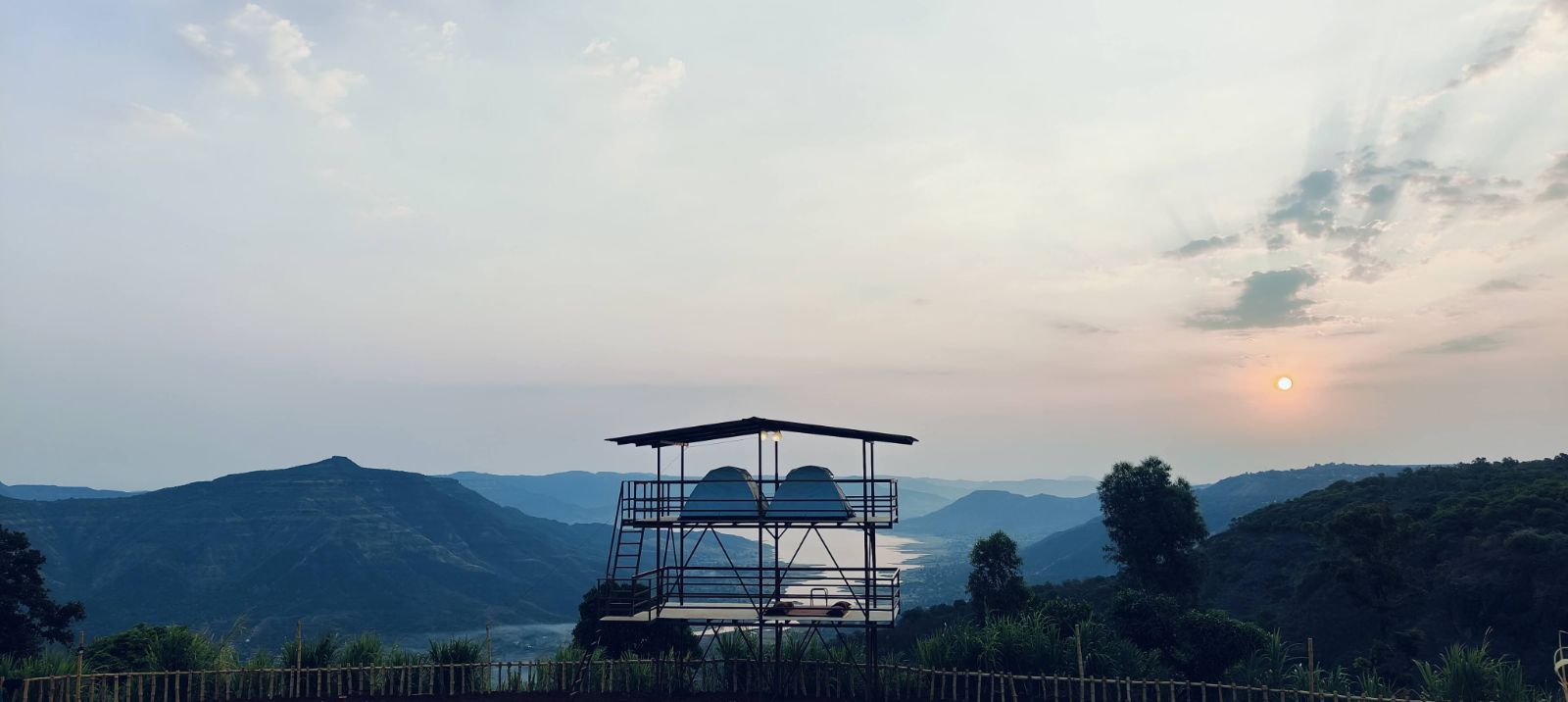
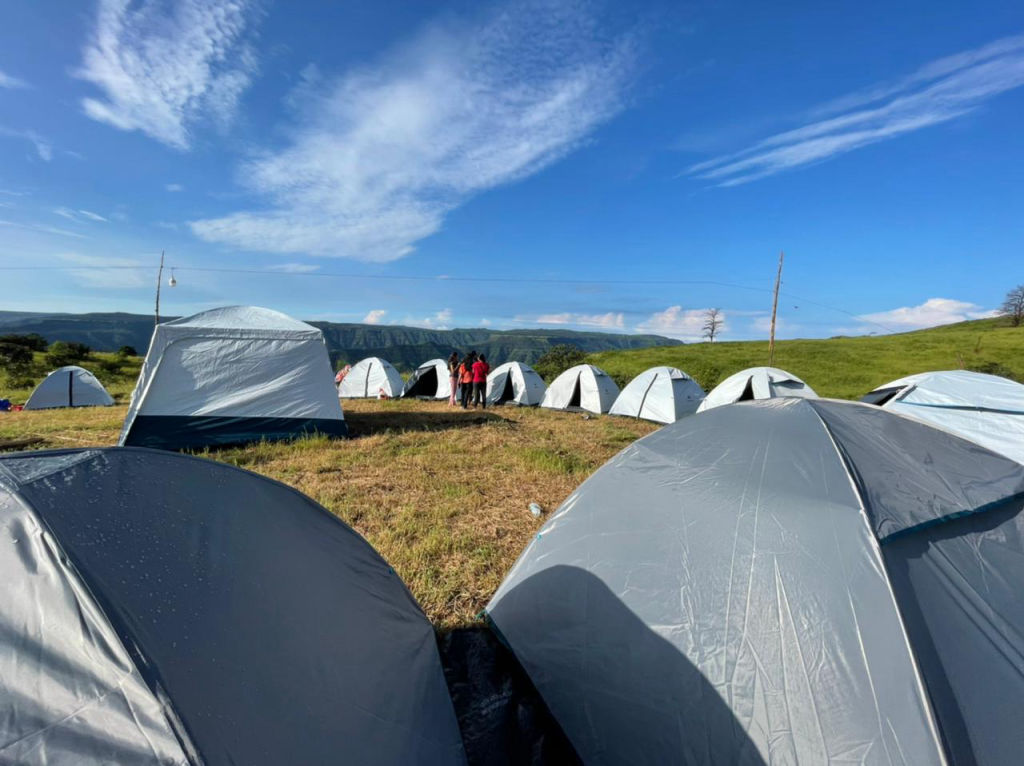
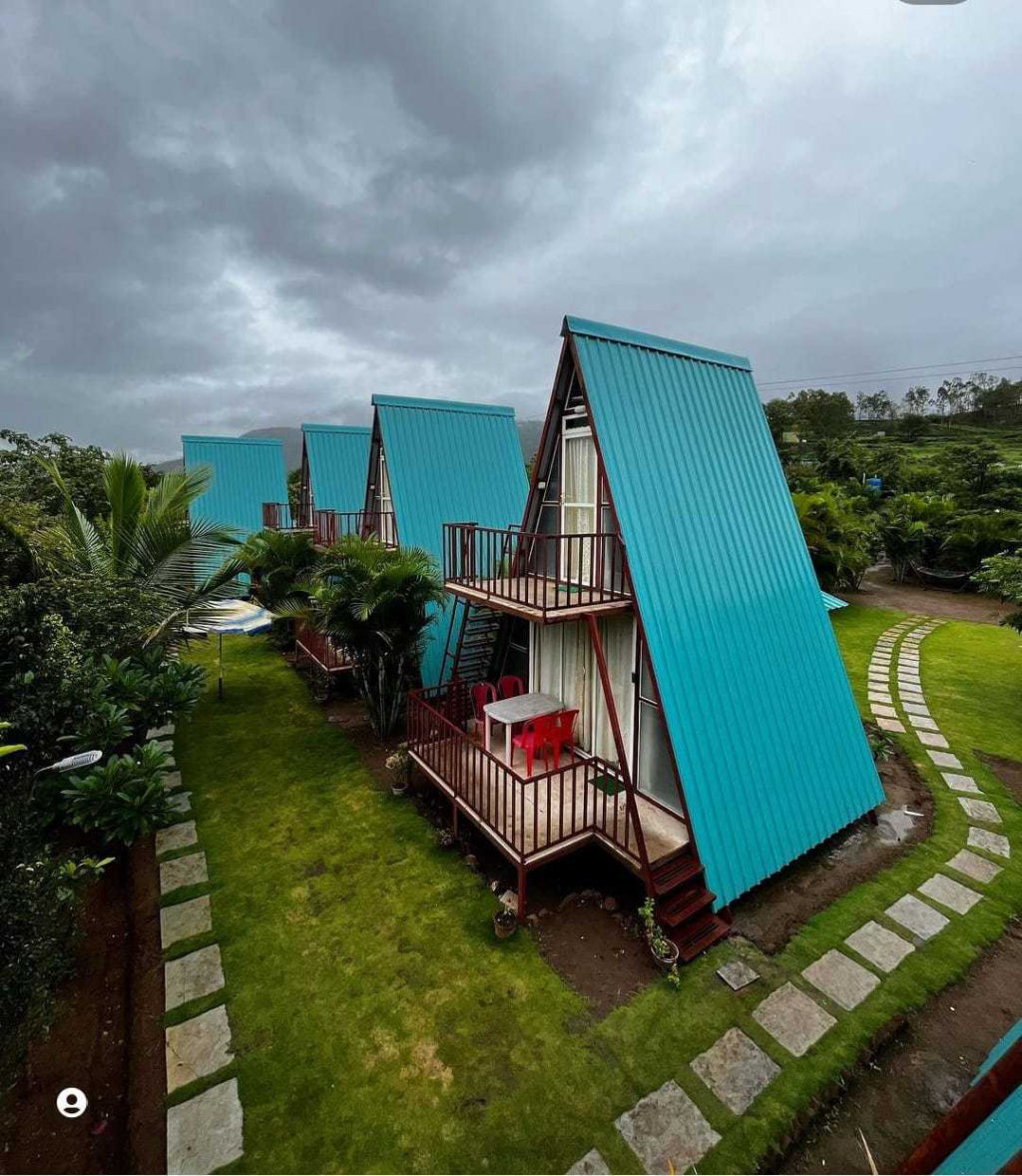
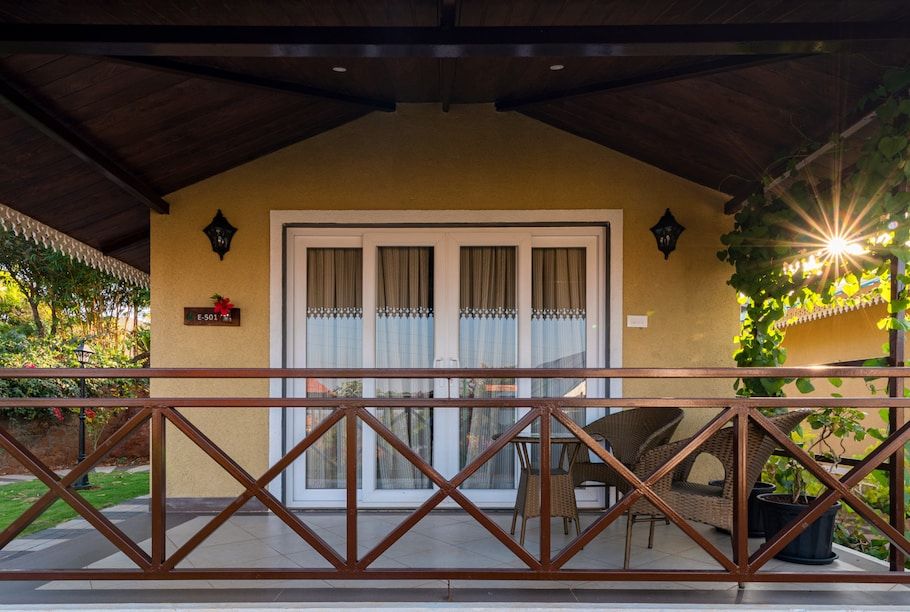
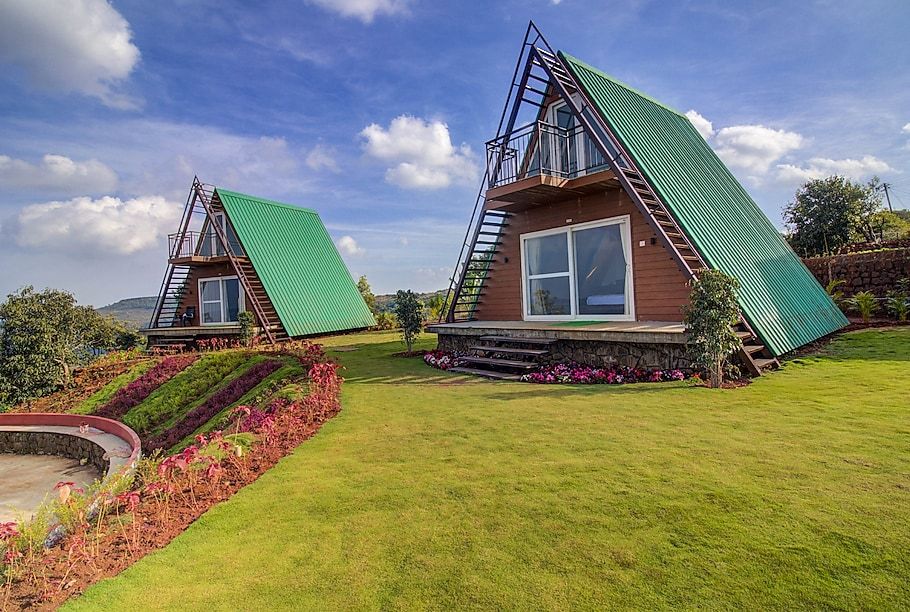
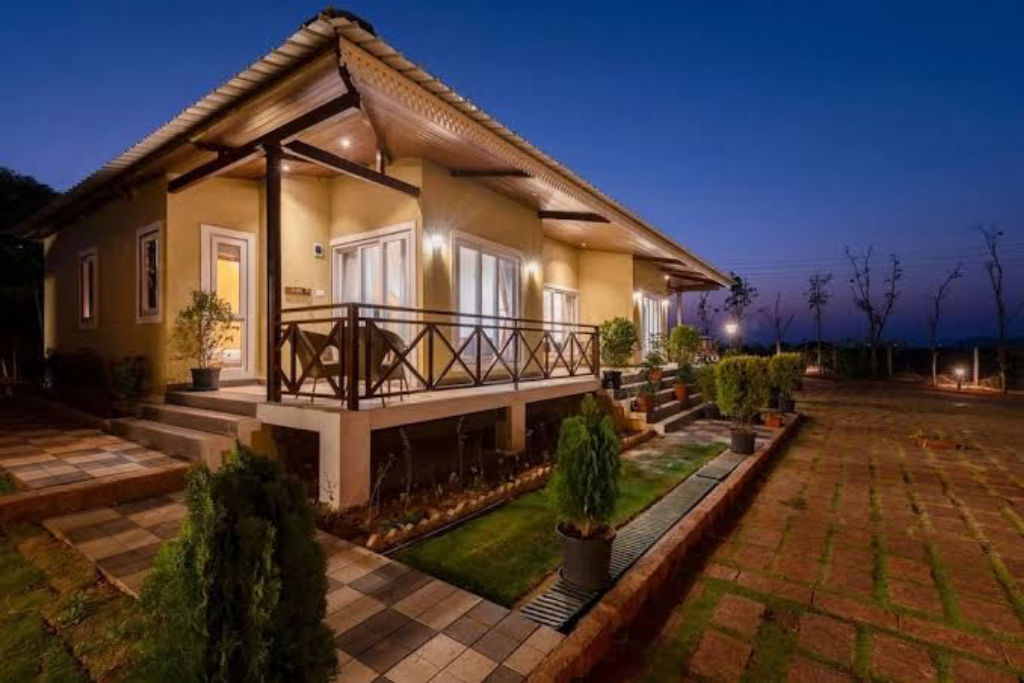
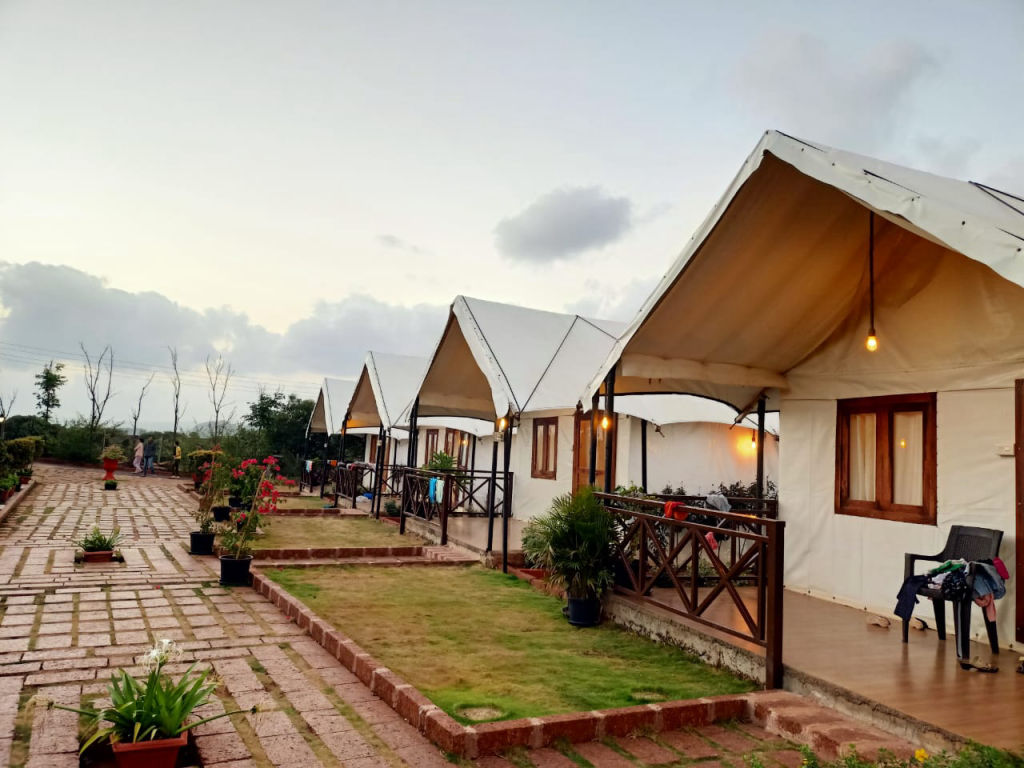
The areas around Mahabaleshwar and its neighbouring valleys offer a broad range of lodging options, from quiet hillside cottages to rural farmstays set within strawberry plantations. Staying in or near Old Mahabaleshwar provides a tranquil alternative to the busier commercial zone of the town, allowing you to wake up to birdsong and mountain mist.
Travellers interested in outdoor getaways, nature-immersed cottages, or peaceful family homestays in the area can discover and book properties through HireACamp. Making reservations in advance is wise during festival breaks, long weekends, and peak monsoon travel periods when visitors travel to the Western Ghats.
Frequently asked questions
Where is Shri Panchganga Temple located?
Shri Panchganga Temple is situated in Old Mahabaleshwar, approximately six kilometres from the main Mahabaleshwar town centre in the Satara district of Maharashtra.
Which five rivers are associated with Shri Panchganga Temple?
According to regional tradition, the temple marks the sacred origin point of five rivers: the Krishna, Koyna, Venna, Savitri, and Gayatri.
What architectural style is Shri Panchganga Temple built in?
The temple is constructed primarily in the medieval Hemadpanthi architectural style, featuring hand-cut basalt stone, carved pillars, and natural stone water cisterns.
Is photography permitted inside Shri Panchganga Temple?
Photography may be restricted inside the inner sanctum and around active prayer rituals, so it is best to check signs on site or ask the local caretakers before using a camera.
How should visitors dress when visiting the temple?
Visitors should dress modestly with shoulders and knees covered, and remove footwear at the entrance before walking into the stone courtyard.
Where you'll be
Satara Rd, Mahabaleshwar, MH · 7 stays nearby shown with prices
Stays near Shri Panchganga temple
Book a place to stay close by
More places near Shri Panchganga temple
Within 20 km


Lists for this area
Ranked by how many creators recommend each place


Built from 0 Instagram posts by 0 creators. Every tip links back to the post it came from, and where creators disagree we show both sides.


