
Maharishi Parashar Temple
Temple near Pandoh, Himachal Pradesh
5.4 km from Pandoh
The nearest town, for stays, food and fuel.
Maharishi Parashar Temple is a multi-tiered wooden shrine perched beside the alpine Prashar Lake in the Mandi district of Himachal Pradesh. Dedicated to the sage Parashar, it attracts pilgrims and mountain lovers alike for its three-story pagoda architecture and sprawling alpine pastures. Visitors travel here to experience the serene lake setting and take in panoramic views of the snow-clad Dhauladhar and Pir Panjal ranges.
Getting there
By road
- From PandohNearest town21 min · 9.2 km
- From Chandigarh4 hr 10 min · 186 km
- From Ludhiana4 hr 35 min · 216 km
- From Amritsar6 hr 40 min · 327 km
Typical drive times without traffic. Stations and airports from OLA Maps; distances and typical drive times from OpenStreetMap (© OpenStreetMap contributors); notes from creators' Reels.
About Maharishi Parashar Temple
Written with AI from map data and general knowledge. Check prices and timings locally before you go.
The story and architecture of Maharishi Parashar Temple
Standing at an elevation of roughly 2,730 metres above sea level, Maharishi Parashar Temple is deeply intertwined with local folklore and classical Indian mythology. Tradition holds that the revered sage Parashar meditated along this grassy mountain ridge, captivated by the stillness of the high Himalayas. The temple is believed to have been constructed during the fourteenth century under the patronage of Raja Ban Sen of Mandi, who dedicated the structure to honour the sage's presence.
The temple is an extraordinary example of classical Himachali pagoda-style architecture. Built predominantly from local deodar wood and stone without the use of metal joints or mortar, it features three receding tiers of slate-covered roofs that blend harmoniously into the mountain landscape. Intricate carvings adorn the wooden pillars, doors, and lintels, showcasing traditional motifs of serpents, animals, celestial figures, and floral scrollwork. Walking through the inner courtyard reveals the deep woodworking heritage of the Mandi region, kept alive across centuries of mountain weather.
The sacred setting of Prashar Lake
The temple stands right on the edge of Prashar Lake, an oval body of water enclosed within a natural bowl of rolling green pastures. The lake is considered holy by the communities of the surrounding valleys, who believe that its depths are bottomless and that its waters remain spiritually tethered to the sage.
One of the most remarkable natural phenomena here is the presence of a small, floating circular island composed of reed and soil that drifts across the lake's surface throughout the year. Depending on the season and prevailing wind patterns, the island steadily shifts position from one end of the water to the other. During clear weather, the calm surface reflects the tiered eaves of the temple alongside the snow-crusted peaks on the northern horizon.
Read more
Best time to visit Maharishi Parashar Temple
The experience at Maharishi Parashar Temple shifts dramatically across the four seasons, making it an appealing destination for most of the year depending on your preferences.
Spring and summer, extending from April to June, bring mild daytime temperatures and lush green turf across the meadows. The snow melts away from the trails, making the road journey comfortable and providing excellent conditions for outdoor exploration and ridge walks. During July and August, the monsoon transforms the surrounding valleys into deep shades of green, though heavy showers can cause soil erosion and occasional roadblocks, requiring careful travel planning.
Autumn arrives in September and lasts through November, offering some of the clearest skies of the year. Visibility is at its peak during these months, revealing sharp views of distant Himalayan summits against deep blue skies. By late December, winter settles over the ridge, turning the entire bowl into a pristine white snowfield. While freezing temperatures and heavy snowfall can shut the final stretch of the motorable road, winter appeals strongly to trekkers looking for snow-covered trails.
How to reach Maharishi Parashar Temple
The primary gateway to Maharishi Parashar Temple is the historic town of Mandi in Himachal Pradesh. Mandi is well connected to major transit hubs including Chandigarh and Delhi by regular long-distance buses and well-maintained national highways. From Mandi, the route to the temple climbs steadily through the hills, passing through scenic farming villages and pine forests.
Travel from Mandi can be completed by hiring a private taxi or boarding seasonal public buses that travel towards the upper villages such as Baggi or Bagi. The road winds along mountain curves, steadily gaining altitude before reaching the parking area near the lake basin.
Outdoor enthusiasts often choose to hike the final stretch rather than driving all the way. A popular walking trail begins from the village of Baggi, ascending through dense stands of rhododendron, oak, and deodar trees. The trek requires a moderate level of fitness and rewards hikers with quiet forest paths that open up into the vast alpine bowl of the temple.
Things to do around the temple
Spending time at Maharishi Parashar Temple is primarily about quiet contemplation and absorbing the mountain atmosphere. Visitors often begin by paying their respects inside the sanctuary before taking a slow walk around the sacred perimeter of the lake.
The high grassy ridges that encircle the lake bowl serve as magnificent natural vantage points. A brief walk up to the ridge crest provides sweeping, uninterrupted views across the Dhauladhar, Pir Panjal, and Kinnaur ranges. On clear days, several prominent snow peaks appear almost within arm's reach.
The open slopes are also ideal for leisurely photography, birdwatching, and enjoying a quiet picnic on the turf. After sunset, the absence of urban light pollution makes the temple area a wonderful location for stargazing, where the Milky Way can often be seen stretching across the mountain sky.
Places to visit nearby
A trip to Maharishi Parashar Temple can easily be combined with exploring the natural and cultural attractions of the wider Mandi and Kullu districts. Mandi itself is known as the town of temples, home to historical stone shrines such as the Bhimakali Temple and ancient riverside sanctuaries along the Beas River.
To the southwest lies Rewalsar Lake, an important pilgrimage hub revered by Hindu, Buddhist, and Sikh communities for its monasteries, tranquil water, and the nearby Gurudwara Sri Guru Gobind Singh Ji. Travellers interested in river valleys can explore the Uhl River near Barot, known for its terraced fields and fast-flowing mountain waters. Further south and east, regional hiking paths lead towards the forested slopes of Thachi Valley, the high ridge of Shikari Devi Temple, and the scenic mountain pass at Jalori Pass, which connects the outer Seraj belt with the lush expanses of the Tirthan Valley.
Tips for your visit to Maharishi Parashar Temple
Because of its high elevation, the weather at Maharishi Parashar Temple can shift rapidly within a matter of hours. Even in summer, afternoons can turn breezy and evenings grow chilly, so carrying warm layers and windproof jackets is essential. In winter, heavy woollens, thermal wear, and insulated footwear are necessary.
Respect local customs within the temple precinct. Visitors are required to remove their shoes and leather items before stepping onto the temple platform, and stepping into the lake waters or disturbing the floating island is strictly forbidden. Facilities on the ridge are minimal, so carry sufficient cash, personal medication, and a reusable water bottle. Remember to practice responsible tourism by carrying all plastic wrappers and waste back down the mountain to keep the alpine pastures clean.
Where to stay near Maharishi Parashar Temple
Accommodations directly beside the lake are limited to simple rest shelters and basic guesthouses maintained for pilgrims. Most visitors prefer to stay in the lower hamlets along the approach road or base their trip in Mandi town, which offers a broader range of amenities.
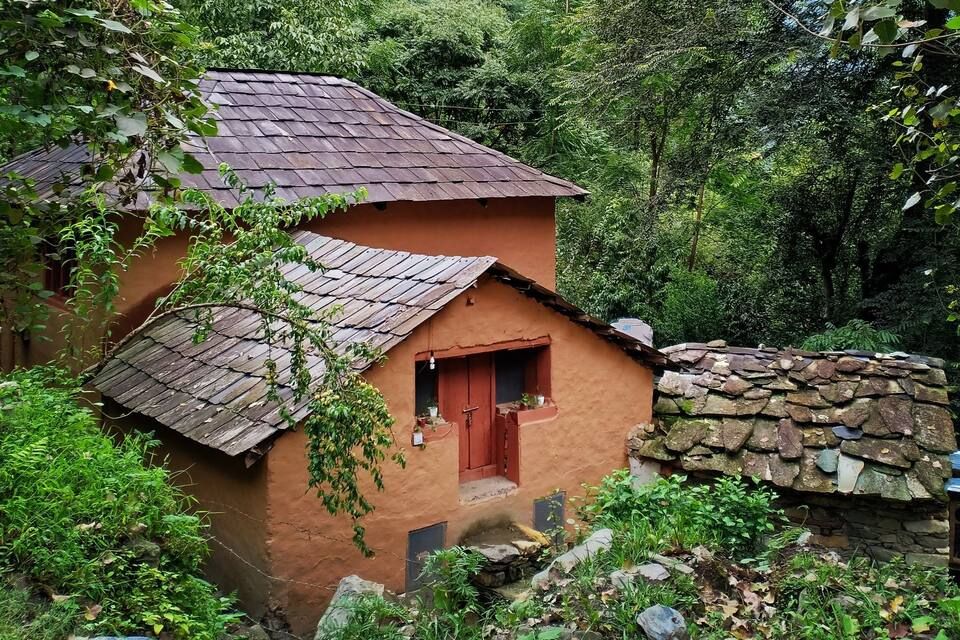
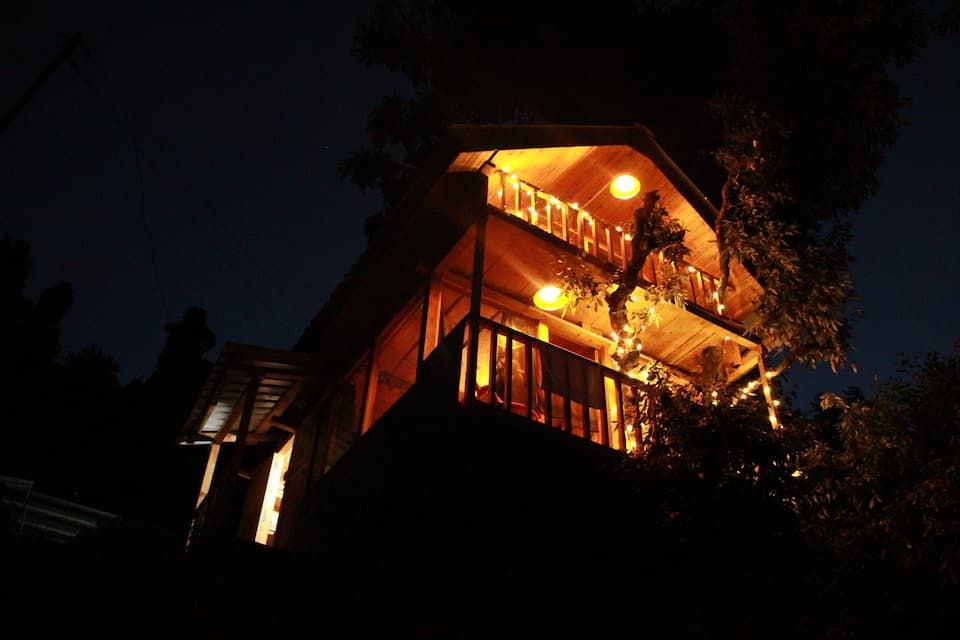
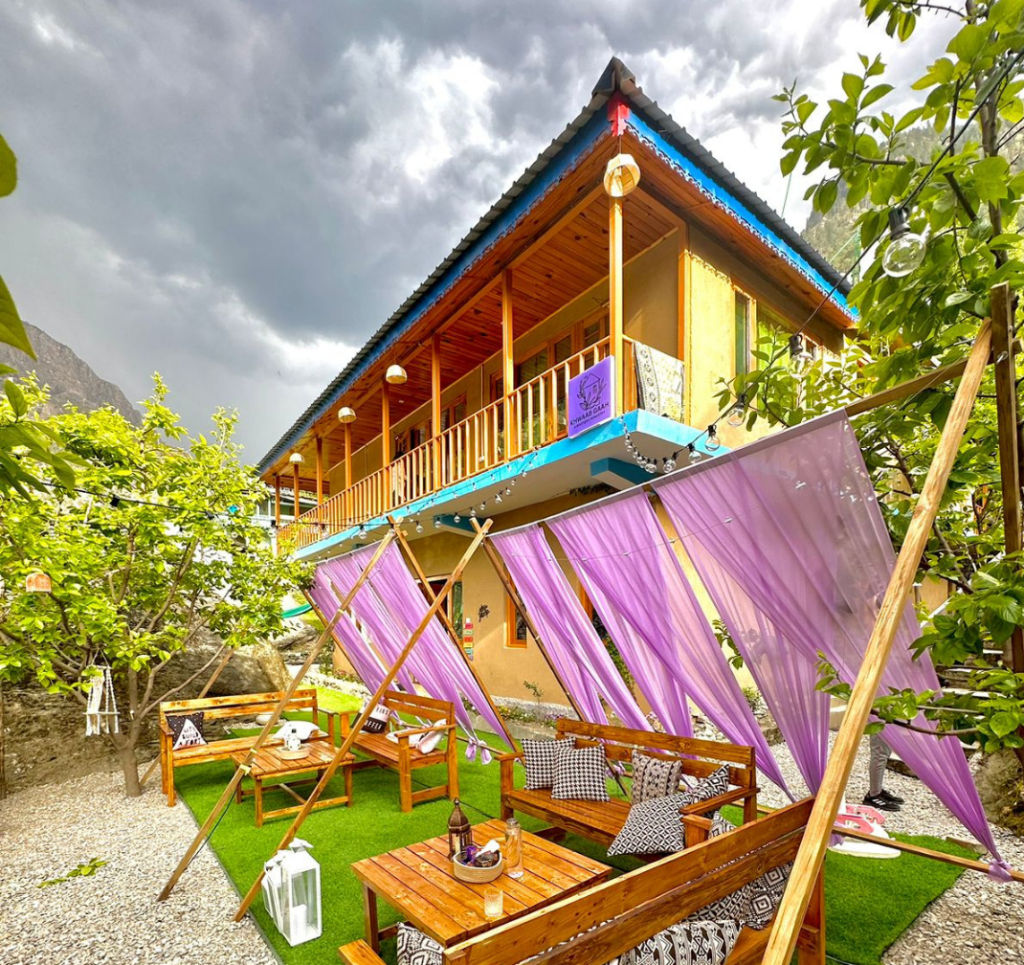
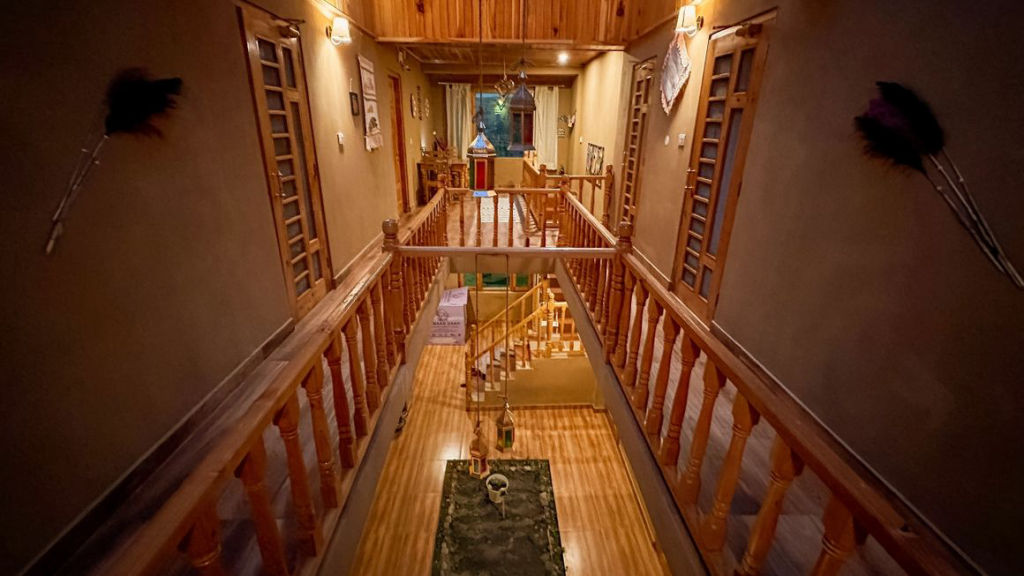
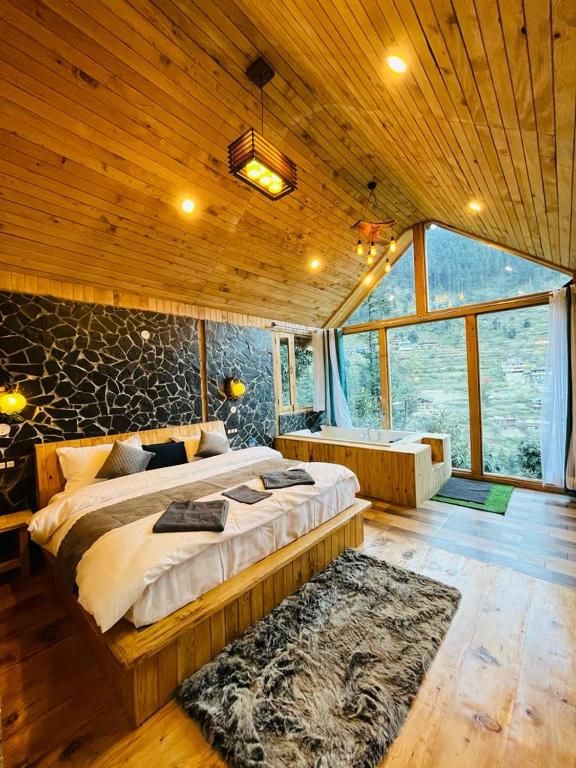
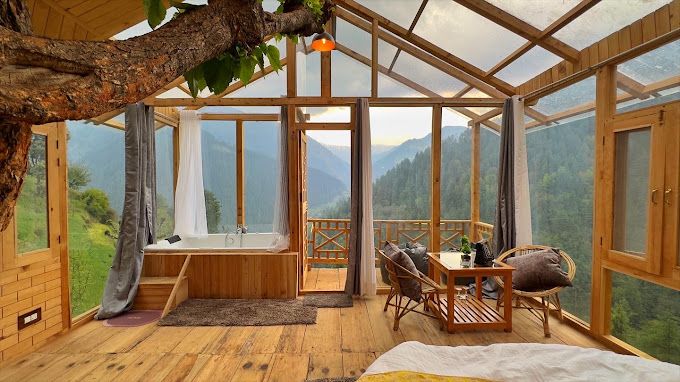
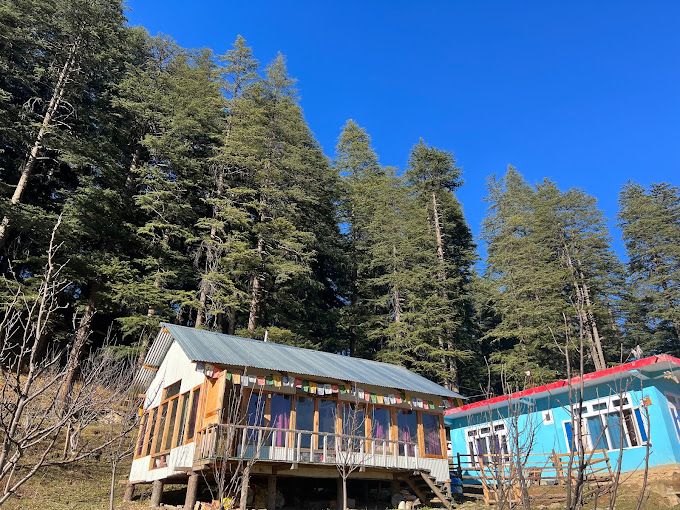
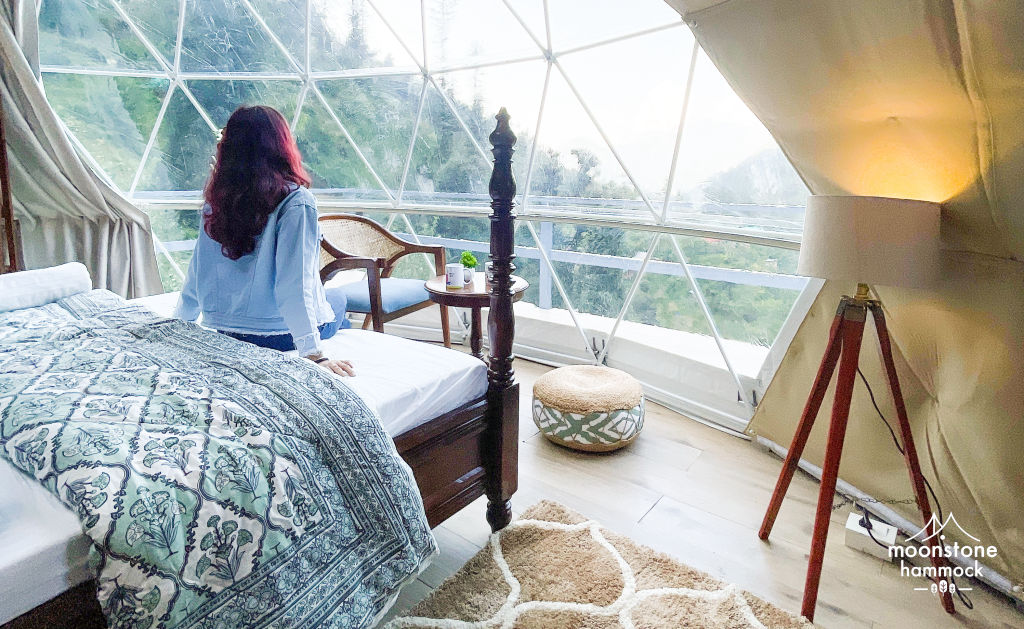
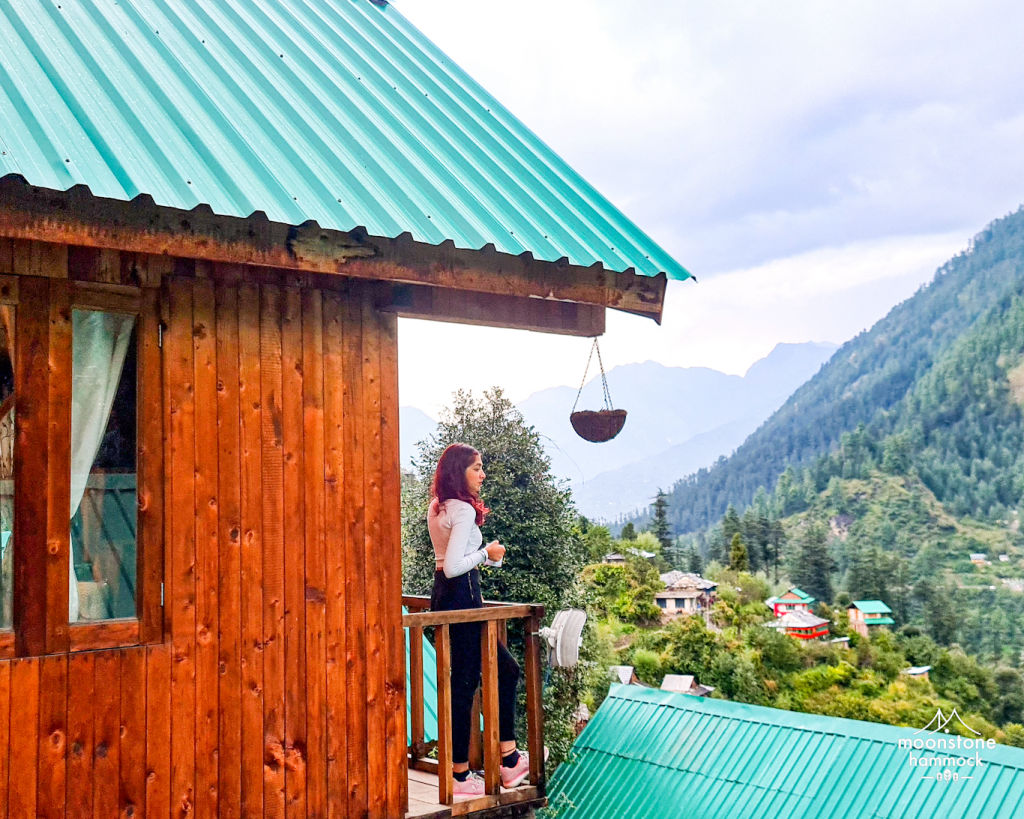
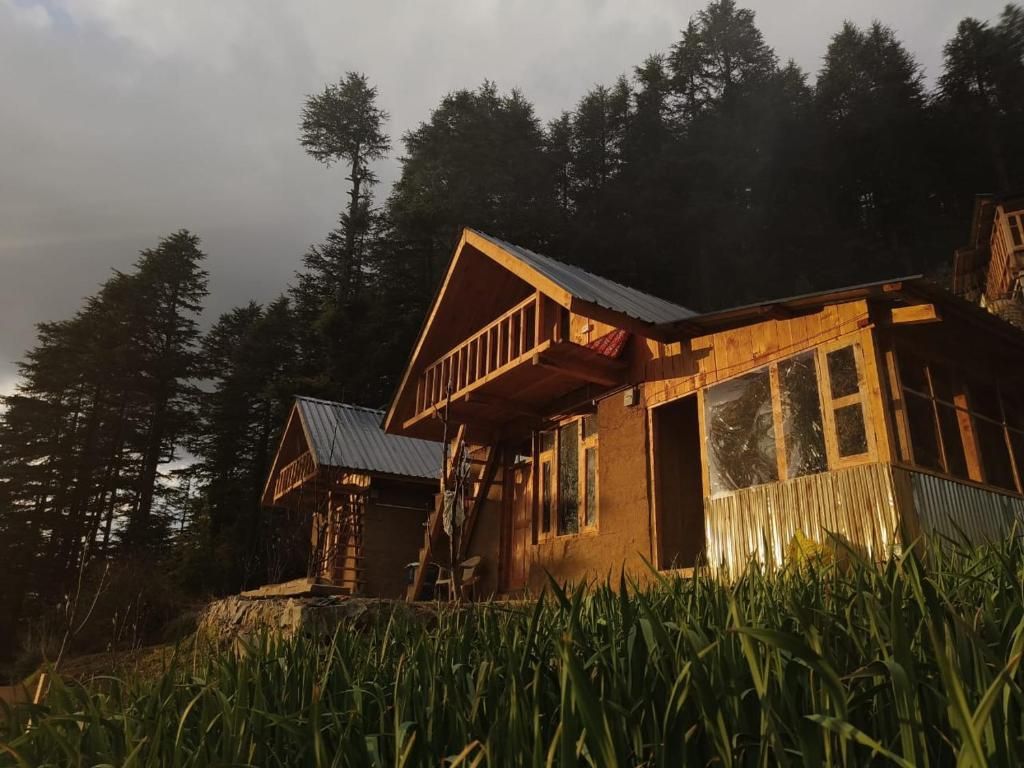
For travellers who want to stay closer to nature, the surrounding valleys feature scenic camping sites, village homestays, and countryside retreats surrounded by orchards and pine forests. You can browse and book camps, homestays, and other stays nearby on HireACamp to match your travel style.
Frequently asked questions
Where is Maharishi Parashar Temple located?
Maharishi Parashar Temple is situated beside Prashar Lake at an altitude of approximately 2,730 metres in the Mandi district of Himachal Pradesh, India.
What is the architectural style of Maharishi Parashar Temple?
The temple is built in the traditional three-tiered pagoda architectural style native to Himachal Pradesh, constructed using local deodar wood, slate shingles, and intricately carved wooden panels.
Can I visit Maharishi Parashar Temple during the winter?
Yes, but winter brings heavy snowfall from late December through February. While the snow makes the landscape scenic, the final section of the road may be closed to vehicles, requiring visitors to trek the last few kilometres.
What is unique about the lake next to the temple?
Prashar Lake features a small circular floating island of reed and soil that moves naturally across the water's surface throughout the seasons.
How do I reach Maharishi Parashar Temple from Mandi?
You can reach the temple by driving or taking a local bus from Mandi towards Baggi and the lake parking area, or by undertaking a scenic uphill day trek starting from the village of Baggi.
Where you'll be
Mandi, HP · 10 stays nearby shown with prices
Stays near Maharishi Parashar Temple
Book a place to stay close by
More places near Maharishi Parashar Temple
Within 20 km
Built from 0 Instagram posts by 0 creators. Every tip links back to the post it came from, and where creators disagree we show both sides.






