
Pandoh
Destination in Himachal Pradesh
Pandoh is a scenic settlement in the Mandi district of Himachal Pradesh, situated along the banks of the Beas River. It is best known for the dramatic Pandoh Dam and its striking emerald-green reservoir set against steep forested slopes. Travellers visit to break their journey between Mandi and Kullu, admire the river gorge, and explore the tranquil valleys and high-altitude temples of the surrounding lower Himalayas.
Getting there
By road
- From Chandigarh3 hr 55 min · 177 km
- From Ludhiana4 hr 20 min · 208 km
- From Amritsar6 hr 20 min · 318 km
- From Dehradun7 hr 15 min · 360 km
Typical drive times without traffic. Stations and airports from OLA Maps; distances and typical drive times from OpenStreetMap (© OpenStreetMap contributors); notes from creators' Reels.
About Pandoh
Written with AI from map data and general knowledge. Check prices and timings locally before you go.
About Pandoh and the Beas River Valley
Pandoh is a hillside town in Himachal Pradesh, positioned along a natural cleft carved by the Beas River as it descends from the upper Himalayas toward the plains. The settlement sits downstream of the Kullu Valley and a short drive upstream from the historic town of Mandi. Surrounded by pine-covered ridges, terraced farms, and craggy cliffs, the landscape here represents the rugged charm of the middle Himalayan foothills.
The town rose to prominence with the construction of the Pandoh Dam, an earth-and-rockfill embankment built across the Beas River as part of a major hydroelectric project. The dam diverts water from the Beas through a network of tunnels and channels toward the Satluj River basin. This diversion has created a sprawling, calm reservoir with deep green waters that stand out sharply against the rocky slopes of the canyon. Beyond the dam, Pandoh serves as an important junction point for rural routes branching into the interiors of the Seraj region and scenic highland hamlets.
Things to Do in and around Pandoh
A trip to Pandoh revolves around nature, river valley views, and exploring the rural tracks running up the slopes. One of the main attractions is observing the Pandoh Dam and its reservoir. Designated viewpoints along the highway allow visitors to gaze down at the massive spillway and the calm water spread out between narrow hill faces. The reflection of the skies and dense conifers across the green surface provides brilliant opportunities for landscape photography.
Walking along the village paths that wind above the river gives travellers a closer look at traditional mountain living. You can explore orchard fringes, terraced fields of seasonal crops, and quiet forests of chir pine and oak. Angling enthusiasts often head to designated spots along feeder streams entering the river, though safety guidelines and local permissions must be observed. The quiet riverside locations also make restful day-picnic spots, provided you stay well clear of active dam discharge channels where water levels can shift rapidly.
Read more
Places to Visit Nearby
Pandoh is well positioned for exploring diverse cultural, spiritual, and wilderness destinations across Mandi and the lower Kullu ranges. About twenty-one kilometres to the west lies Rewalsar Lake, a revered water body surrounded by monasteries, gurudwaras, and Hindu temples, famous for its floating reed islands and calm mountain setting.
High above the valley to the south and east sits the mystical ridge of Kamrunag Dhar and the sacred Kamrunag Temple, located roughly twenty-one kilometres away. Revered by locals, this high-altitude shrine overlooks a small lake where devotees have traditionally offered coins and ornaments for generations. Further along the high ridges lies Shikari Wildlife Sanctuary, home to thick stands of deodar, rich birdlife, and the hilltop shrine of Shikari Devi. Culturally significant shrines like Mahu Naag Temple, Jalpa Mata Mandir, and Murari Devi Temple are scattered across the surrounding hilltops, each offering panoramic views of alpine peaks and rolling valleys.
Those looking to venture toward serene hamlets can take the mountain roads leading south toward Gadagushaini, or journey eastward across thirty-odd kilometres into the meadows of Shangarh and its ancient wooden Shangchul Mahadev Temple. The road connecting toward Tirthan Valley and the high crossover at Jalori Pass is also accessible from this corridor, making Pandoh a natural gateway to multiple outdoor routes.
Best Time to Visit Pandoh
Pandoh can be visited throughout the year, but the experience changes considerably across seasons. Spring and summer, spanning from March to June, offer pleasant weather with clear skies and moderate daytime temperatures. This is the ideal window for sightseeing, forest walks, and travelling onward into the surrounding valleys, as high-altitude passes and trails are generally free of snow.
The monsoon months between July and August bring heavy rainfall to the catchment of the Beas River. During this period, the reservoir fills up, the hills turn vivid green, and waterfalls cascade down the roadside cliffs. However, heavy rains can trigger landslides, sudden river surges, and highway disruptions, so travellers must monitor weather forecasts and exercise caution. Autumn, running from September through November, brings crisp air, stable road conditions, and brilliant views of the Himalayan ridges. Winter sets in from December to February, bringing cold temperatures and morning mist along the river, while the higher ridges around Pandoh occasionally receive snowfall.
How to Reach Pandoh
Pandoh is located directly along National Highway 21, the primary trunk route linking Chandigarh and Mandi to Kullu and Manali. This central highway position makes it easily accessible by private vehicle, taxi, or public transport. State transport buses running along the Delhi-Chandigarh-Manali corridor pass directly through Pandoh at all hours of the day and night.
For those travelling by air, the closest airport is Bhuntar Airport near Kullu, situated roughly fifty kilometres to the north. Another option is Kangra Airport near Gaggal, located around one hundred and twenty kilometres away. Both airports offer regional domestic flights, though services can be weather dependent. The nearest broad-gauge railway stations are located in the plains at Kiratpur Sahib and Chandigarh, from where taxis and buses frequently run up into the hills via Bilaspur and Mandi.
Tips for Your Visit
When travelling to Pandoh, bear in mind that the Beas is a regulated river subject to water releases from the dam. Never walk down onto exposed sandbars or riverbeds near the dam structure or downstream channels, as water levels can rise swiftly without visual warning. Heed all posted warning boards and sirens along the banks.
The highway stretch through the gorge experiences steady freight and tourist traffic, so drive cautiously and respect passing zones. If you plan to hike up to regional ridgeline temples such as Kamrunag or Shikari Devi, wear sturdy trekking shoes with good grip and carry sufficient water, as steep paths can be rocky and slippery. Even in summer, evenings by the water can turn chilly, so keeping a light fleece or windbreaker in your daypack is always a sensible idea.
Where to Stay around Pandoh
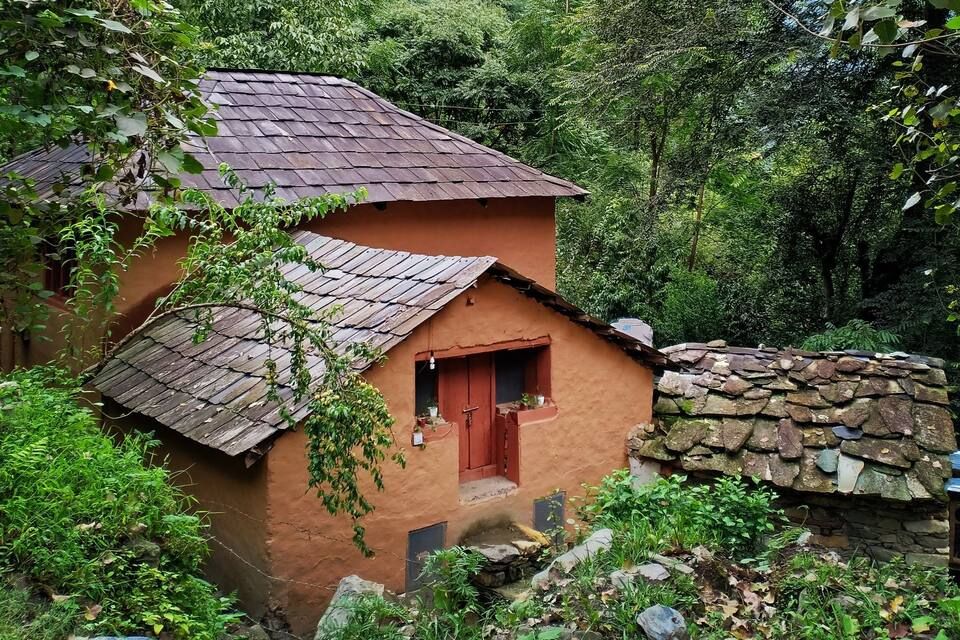
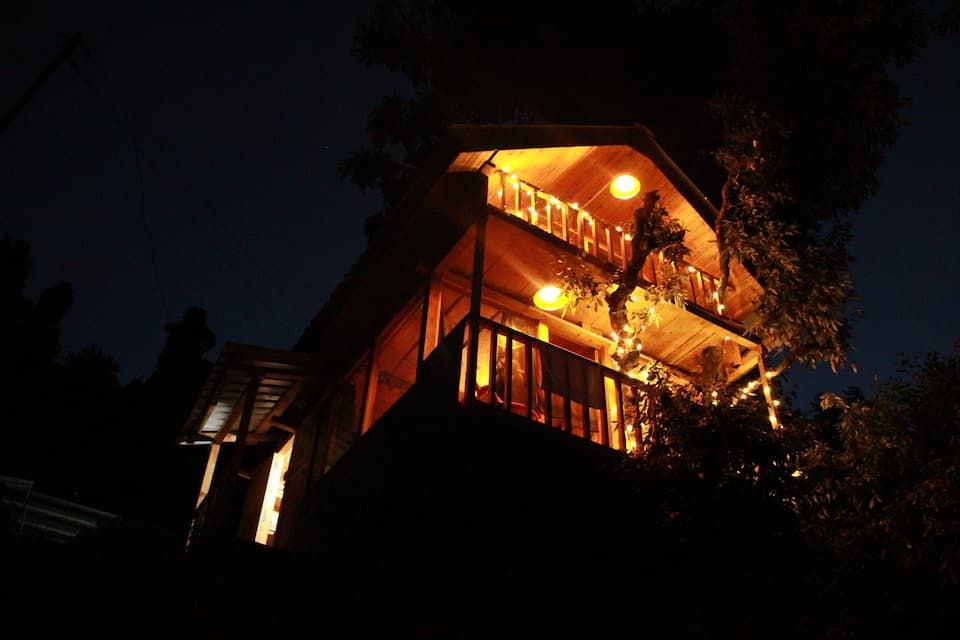
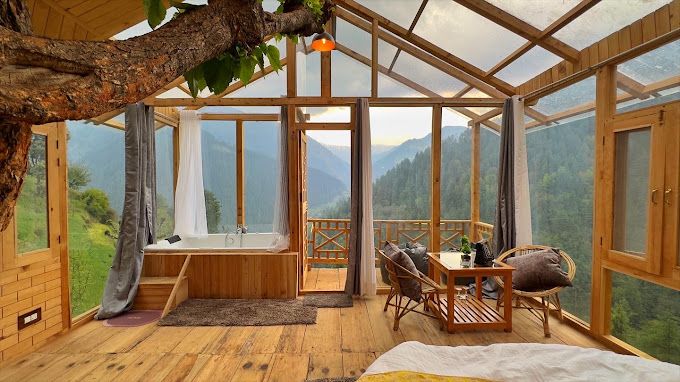
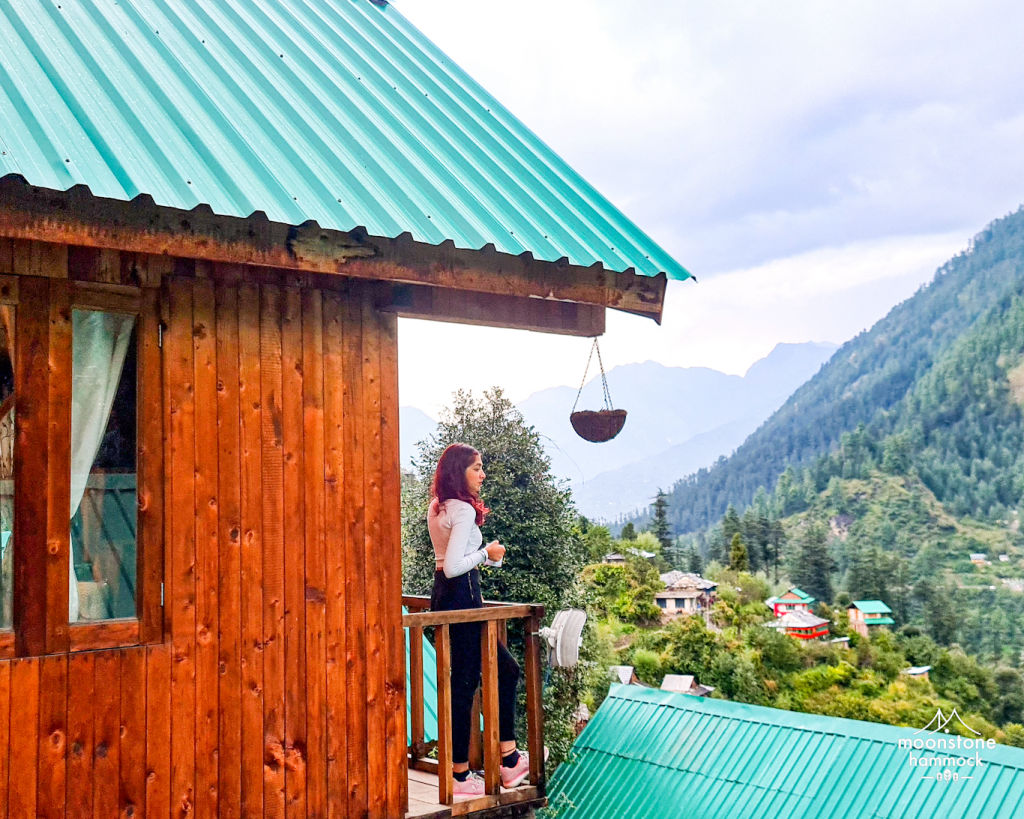
Accommodation options right in the town are modest, consisting mostly of small highway lodges and family-run guesthouses catering to travellers in transit. For a more peaceful experience immersed in nature, travellers often look to the orchards and small villages on the slopes above Pandoh or slightly further along the river towards Aut and the Seraj hills.
You can find authentic homestays, rural retreats, and scenic riverside camps in and around Pandoh listed on HireACamp. Staying in these nearby homestays offers a taste of authentic Himachali hospitality, home-cooked regional meals, and easy access to hidden village trails away from main road traffic.
Frequently asked questions
What is Pandoh famous for?
Pandoh is most famous for the Pandoh Dam built across the Beas River, which forms a striking green reservoir nestled between steep mountain slopes. It is also well known as a key transit point along the highway between Mandi and Kullu.
Can tourists visit the Pandoh Dam?
Tourists can view the dam, spillway, and reservoir from viewpoints along the national highway. Entry onto the operational infrastructure of the dam is generally restricted for security reasons.
Is Pandoh safe to visit during the monsoon?
While the surrounding green hills look magnificent during the monsoon, travel along the river gorge requires caution due to occasional landslides and rapid water discharge from the dam. It is best to check local weather and road updates before visiting between July and August.
How far is Pandoh from Mandi town?
Pandoh is situated approximately fifteen to eighteen kilometres upstream from the main town of Mandi along National Highway 21, easily covered within a short drive.
What are some good places to explore near Pandoh?
Nearby attractions include Rewalsar Lake, the high-altitude Kamrunag Temple, the meadows of Shangarh, Shikari Wildlife Sanctuary, and the scenic route toward Tirthan Valley and Jalori Pass.
Where you'll be
6 stays nearby shown with prices
Stays near Pandoh
Book a place to stay close by


Things to do in Pandoh
48 places creators recommend within 30 km


Built from 0 Instagram posts by 0 creators. Every tip links back to the post it came from, and where creators disagree we show both sides.






