
Pandoh Dam
Dhaba near Pandoh, Himachal Pradesh
1.3 km from Pandoh
The nearest town, for stays, food and fuel.
Pandoh Dam is an impressive earth-and-rockfill dam built on the Beas River in the Mandi district of Himachal Pradesh. Surrounded by towering forested hills and steep canyon walls, it diverts water through tunnels into the Sutlej River for hydroelectric generation. Travelers frequently pause along this mountain highway route to admire the vivid turquoise reservoir, take photographs, and rest at local roadside eateries.
Getting there
By road
- From PandohNearest town4 min · 2.6 km
- From Chandigarh3 hr 55 min · 179 km
- From Ludhiana4 hr 20 min · 209 km
- From Amritsar6 hr 20 min · 320 km
Typical drive times without traffic. Stations and airports from OLA Maps; distances and typical drive times from OpenStreetMap (© OpenStreetMap contributors); notes from creators' Reels.
About Pandoh Dam
Written with AI from map data and general knowledge. Check prices and timings locally before you go.
About Pandoh Dam
Pandoh Dam sits tucked within the dramatic lower Himalayan ranges of Mandi district in Himachal Pradesh. Commissioned as an essential component of the Beas-Sutlej Link project, the dam diverts the waters of the upper Beas River towards the Sutlej, feeding major hydroelectric plants downstream. Over the decades, the resulting reservoir has transformed the narrow mountain canyon into an eye-catching blue-green waterbody embraced by rugged slopes.
The topography surrounding Pandoh is characterized by steep pine-studded ridges, terraced farms, and deep gorges typical of the middle Himalayas. Even though the primary purpose of the dam is power generation and water diversion, the scenic character of the river valley makes it one of the most recognizable landmarks on the road connecting the plains with the high valleys of Kullu and Manali.
Things to do at Pandoh Dam
Most visitors stop at the designated viewpoints and wide shoulder areas along the highway that skirts the rim of the reservoir. Watching the emerald-hued water sit calmly against the dramatic backdrop of raw mountain slopes provides a welcome break from winding mountain driving. Photographers will appreciate the interplay of sunlight and shadows across the gorge, particularly during the early morning and late afternoon hours.
Taking time to enjoy local food is another highlight of stopping near the dam. Traditional dhabas and food stalls line segments of the roadway nearby, serving piping hot chai, freshly cooked noodles, steamed momos, and traditional North Indian thalis. Sitting with a cup of mountain tea while overlooking the river gorge gives travelers a classic Himalayan road trip experience.
While direct access to the dam structure and water edge is strictly regulated for security and safety reasons, birdwatchers can frequently spot riverine birds, cormorants, and birds of prey gliding along the canyon thermals. A short detour also allows visitors to explore quieter footpaths in nearby village clusters and riverside clearings.
Read more
Best time to visit Pandoh Dam
Pandoh Dam can be visited throughout the year, but the experience changes substantially across different seasons. The post-monsoon months of September, October, and November are widely considered the most pleasant time to visit. During this period, the reservoir is full, the surrounding mountainsides are lush green, and the skies are typically clear, providing magnificent panoramas for photography.
Spring and summer, from March through June, offer comfortable daytime temperatures and respite from the sweltering heat of the northern plains. The road conditions are generally stable, making it an easy and relaxing transit stop. Winter brings a sharp chill from December to February, when temperatures drop considerably and the reservoir is often veiled in soft morning mist.
During the peak monsoon months of July and August, the Beas basin receives heavy rainfall, causing river volumes to swell and reservoir gates to open. While the roaring water releases can be dramatic to witness, travelers should exercise heightened caution during this season, as landslides, heavy downpours, and road disruptions are common across the lower Himalayan belt.
How to reach Pandoh Dam
Pandoh Dam is located directly alongside the major highway corridor connecting Mandi to Kullu and Manali, making it readily accessible for road travelers. The nearest administrative hub is the town of Mandi, situated approximately twenty kilometers to the west. Regular public buses, state transport coaches, and private taxis ply this stretch throughout the day.
For those traveling from major cities like Chandigarh or New Delhi, overnight and daytime buses run frequently along the highway toward Manali and pass right by Pandoh. Driving by private car or motorbike is also very common, following well-paved national highway segments that wind gradually into the hills.
The closest airport is Bhuntar Airport near Kullu, located further north up the valley, while the nearest broad-gauge railway terminus is at Chandigarh. Travelers arriving by air or train typically hire a private cab or board an interstate bus to complete the scenic journey through the Beas valley.
Places to visit near Pandoh Dam
The area around Pandoh Dam is filled with cultural and ecological points of interest that can easily be combined into a day of sightseeing. Just a short distance from the reservoir lies the Baglamukhi Temple, an important pilgrimage shrine dedicated to the goddess Baglamukhi that draws devotees from across the region. Nearby, the Bakhli Eco Tourism Nature Park offers quiet wooded trails and open riverside zones ideal for gentle walks and family picnics.
For those willing to venture further into the surrounding highlands, the sacred lake and historic pagoda-style temple of Maharishi Prashar sit perched high on a ridge north of the valley. To the southwest lies Rewalsar Lake, a revered center of pilgrimage for Buddhists, Sikhs, and Hindus alike. Travelers heading further east toward the Great Himalayan National Park fringe can also transition through the gateway routes leading toward Gadagushaini, Shangarh, and the Tirthan Valley.
Travel tips for your visit
Because Pandoh Dam is an operational hydroelectric installation, entry directly onto the crest or near the mechanical gates is restricted. Visitors should strictly observe all posted warning signs and avoid attempting to scramble down the steep reservoir embankments to touch the water, as water levels can fluctuate unpredictably.
When stopping by car along the highway to take pictures or eat at the dhabas, ensure that your vehicle is pulled completely into designated parking areas or wide pull-offs. Mountain roads carry heavy commercial and tourist traffic, and sudden stops around blind curves can create hazardous driving conditions.
Carry layers of warm clothing if traveling during late autumn, winter, or early spring, as mountain shadows keep the gorge brisk even when the sun is out. Lastly, remember to practice responsible travel by packing out any plastic bottles, snack wrappers, and trash, helping keep the fragile Himalayan river ecosystem clean.
Where to stay near Pandoh Dam
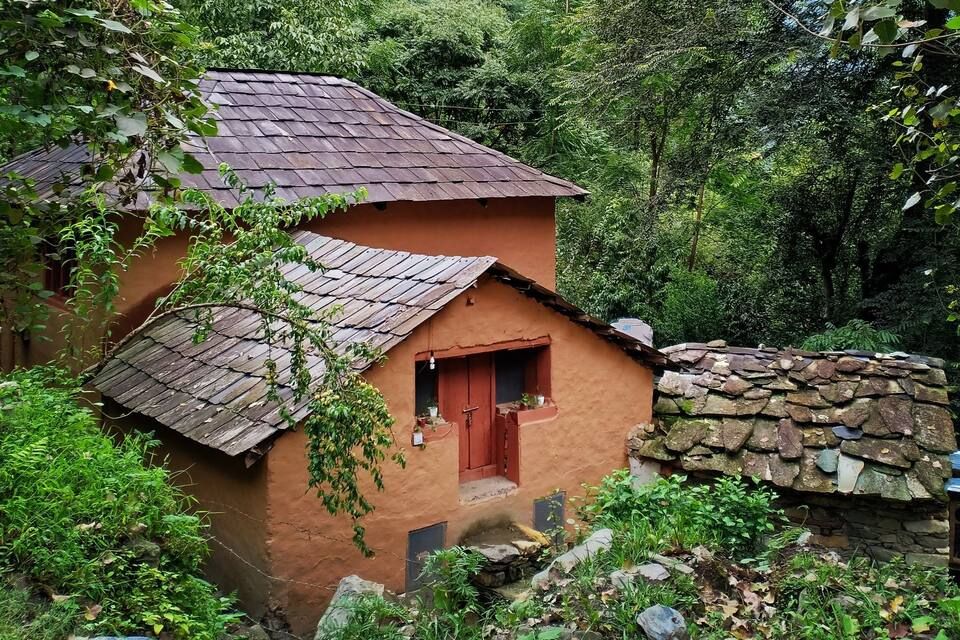
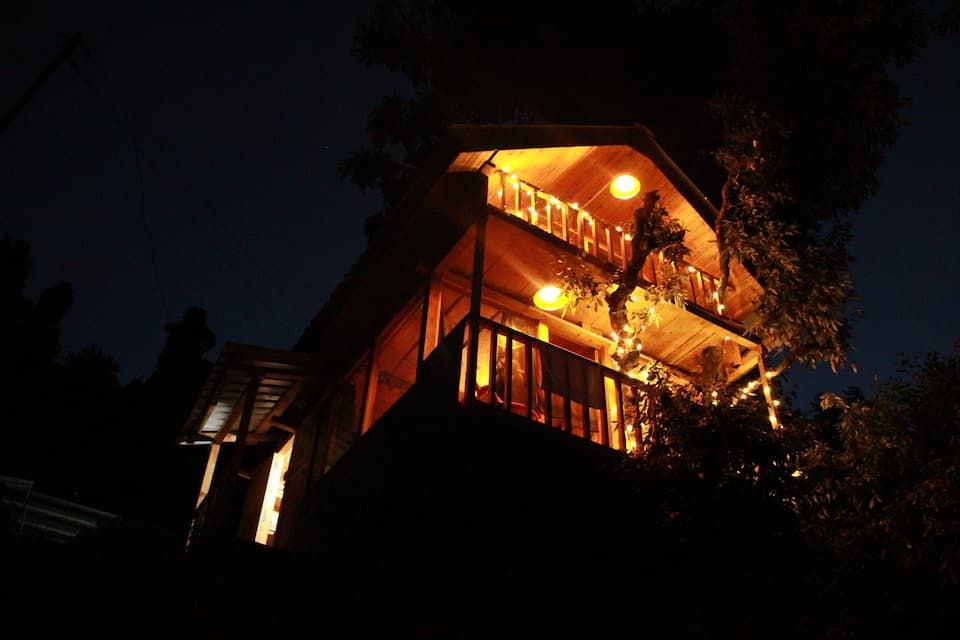
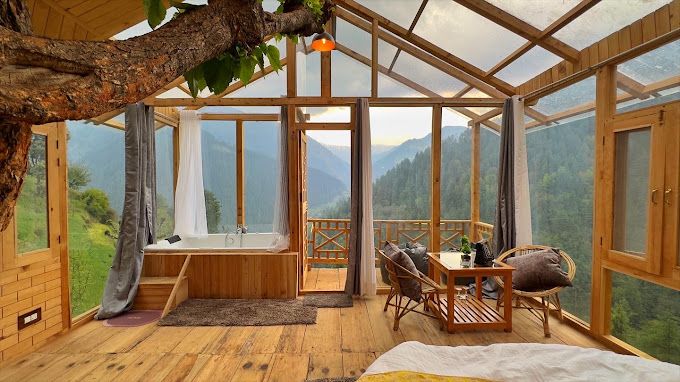
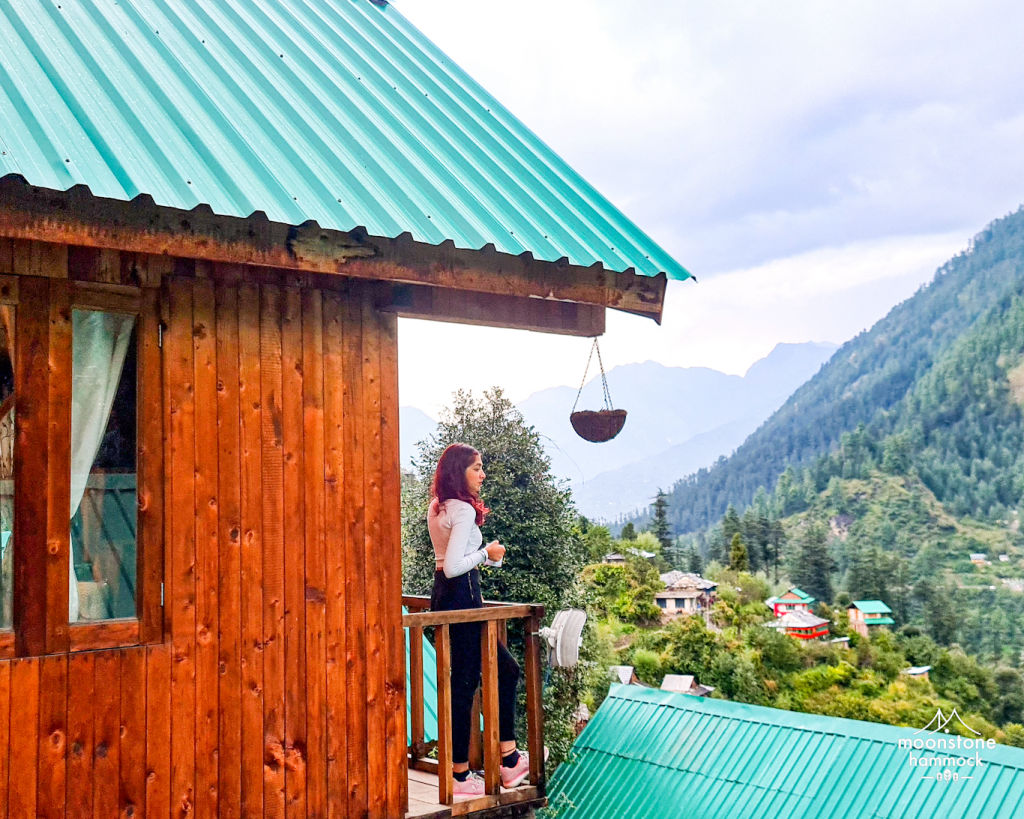
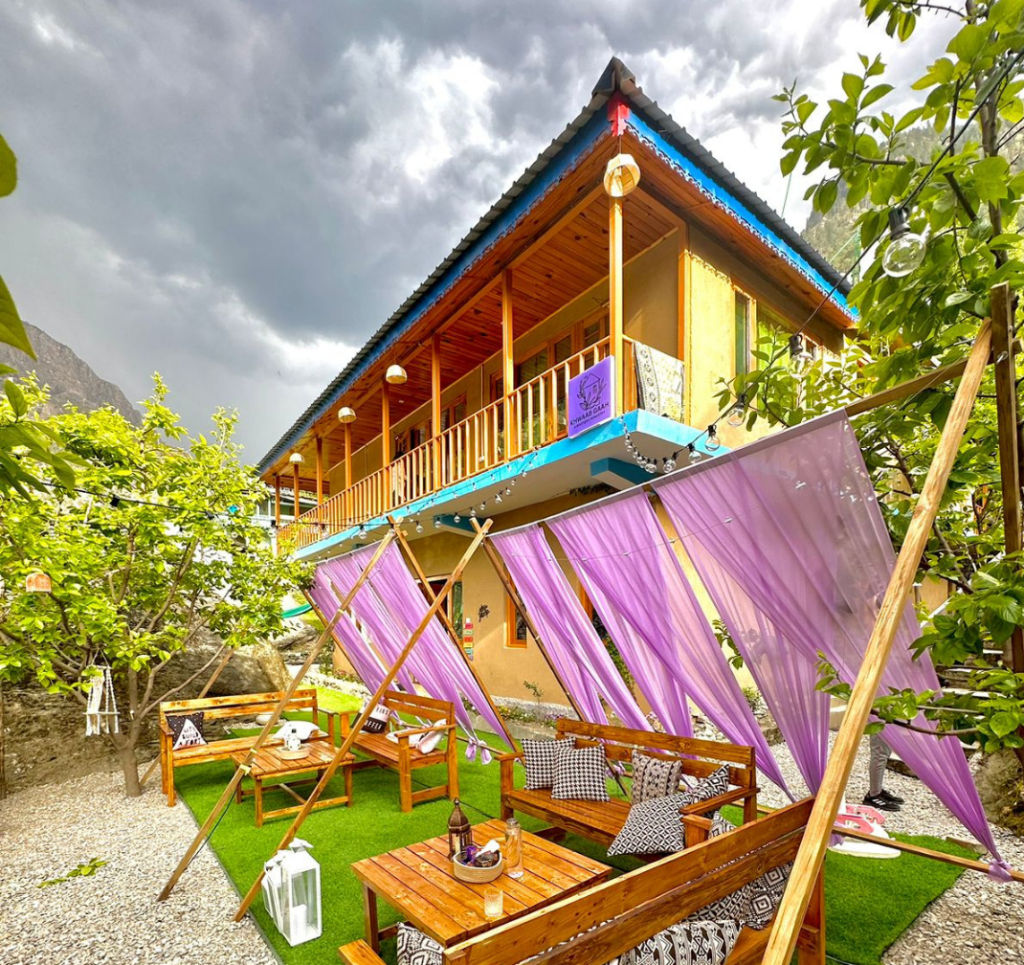
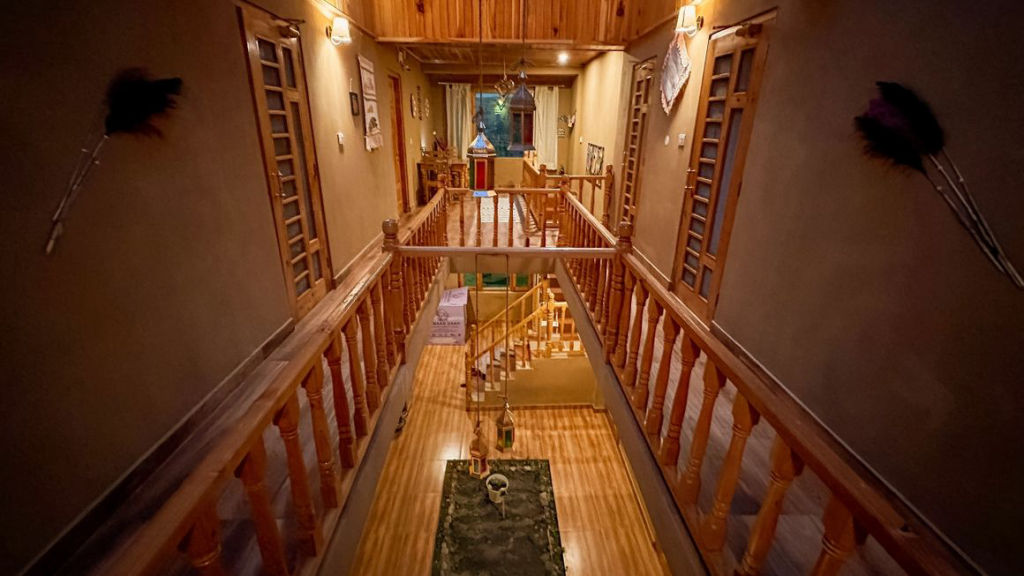
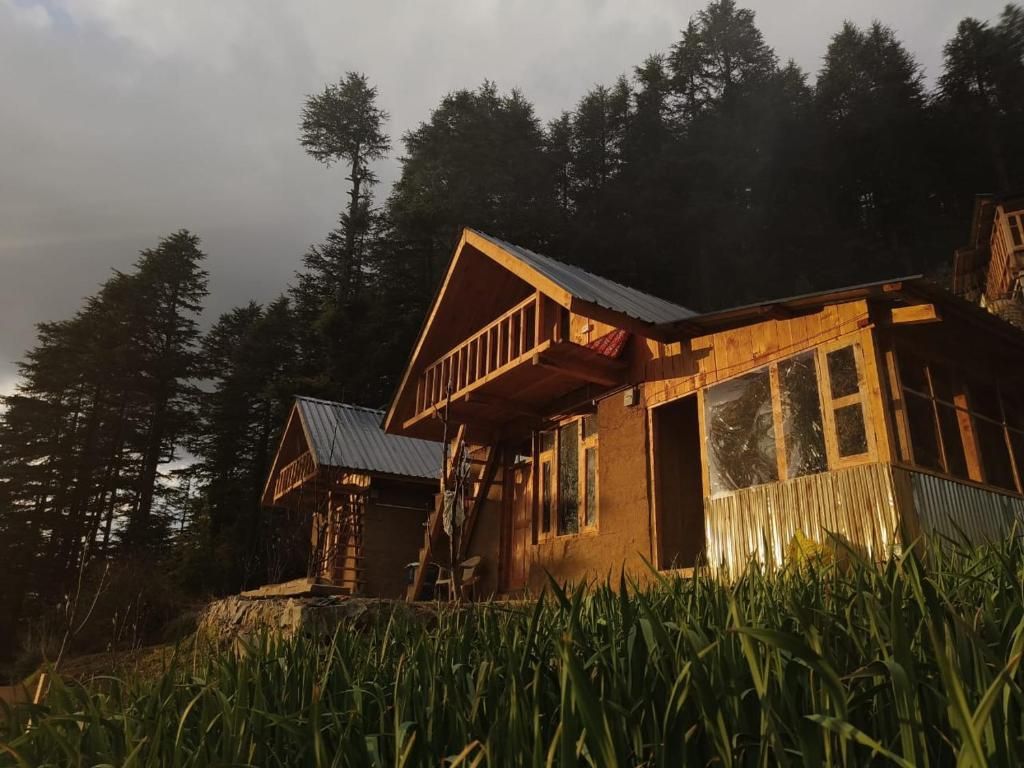
While many visitors explore Pandoh Dam as an enriching waypoint on a road trip, staying a night or two in the area provides a peaceful escape away from busier tourist hubs. A variety of rural homestays, rustic riverside camps, and traditional mountain cottages can be found across the surrounding valleys and highland hamlets.
To discover authentic homestays, scenic riverside campsites, and welcoming outdoor retreats in and around Mandi and the Beas valley, browse the curated property listings available on HireACamp.
Frequently asked questions
Where is Pandoh Dam located?
Pandoh Dam is located on the Beas River near the settlement of Pandoh in the Mandi district of Himachal Pradesh, situated along the highway route leading up toward Kullu and Manali.
Can tourists walk on the Pandoh Dam structure?
Direct access onto the dam structure and waterworks is restricted due to security and safety protocols. However, visitors can enjoy expansive views of the dam and its emerald reservoir from several viewpoints and road shoulders along the adjacent highway.
Are there places to eat near Pandoh Dam?
Yes, there are numerous roadside dhabas and local eateries in the immediate vicinity serving hot tea, freshly prepared snacks, noodles, and classic North Indian dishes.
Is Pandoh Dam safe to visit during the monsoon?
Pandoh Dam can be viewed during the monsoon, but extra caution is necessary. The Beas River carries significant volume during heavy rains, and the surrounding hill roads are prone to occasional landslides and travel delays.
What attractions are nearby Pandoh Dam?
Notable nearby spots include the Baglamukhi Temple, Bakhli Eco Tourism Nature Park, the alpine Prashar Lake, and Rewalsar Lake.
Where you'll be
Pandoh, Mandi Sub-District · 9 stays nearby shown with prices
Stays near Pandoh Dam
Book a place to stay close by


More places near Pandoh Dam
Within 20 km
Built from 0 Instagram posts by 0 creators. Every tip links back to the post it came from, and where creators disagree we show both sides.






