
Pangna Fort
Fort near Karsog, Himachal Pradesh
5.5 km from Karsog
The nearest town, for stays, food and fuel.
Pangna Fort is an ancient multi-storey timber and stone tower fort situated in the village of Pangna near Karsog in Himachal Pradesh. It once served as the early capital of the historical Suket kingdom and stands out as a remarkable example of classical Western Himalayan vernacular architecture. Travellers visit Pangna to admire its centuries-old craftsmanship, immerse themselves in quiet village life, and explore the verdant landscapes of the Karsog Valley.
Getting there
By road
- From KarsogNearest town35 min · 21 km
- From Chandigarh4 hr 50 min · 206 km
- From Ludhiana5 hr 20 min · 247 km
- From Dehradun6 hr 50 min · 324 km
Typical drive times without traffic. Stations and airports from OLA Maps; distances and typical drive times from OpenStreetMap (© OpenStreetMap contributors); notes from creators' Reels.
About Pangna Fort
Written with AI from map data and general knowledge. Check prices and timings locally before you go.
The Legacy and Architecture of Pangna Fort
Pangna Fort stands as an enduring monument to the early political and architectural history of Himachal Pradesh. Founded in the eighth century as the original seat of the rulers of Suket before their capital shifted elsewhere in the valley, the complex centers around an imposing multi-storey tower fort. Rather than sprawling outward with vast defensive curtain walls, hill forts in this part of the Himalayas were typically built vertically as fortified redoubts, watchtowers, and treasury houses designed to withstand siege and seismic activity.
The tower is constructed in the traditional Kath-Kuni technique, an indigenous architectural method combining alternating layers of interlocking cedar beams and dry stone masonry without mortar. This technique lends the structure remarkable flexibility and strength, allowing it to withstand high winds and earthquakes for generations. Ornate wood carvings flank the balconies, eaves, and window frames of the upper levels, crowned with a gently sloping slate roof that sheds heavy mountain rain and winter snow. The fort courtyard also holds religious significance for the community, retaining shrines and echoes of old local folklore that remain an integral part of life in the village.
The Setting in Karsog Valley
Pangna is nestled in the undulating folds of the Karsog Valley, an agricultural haven filled with step-terraced fields, pine ridges, and extensive apple orchards. Unlike busier tourist hubs in the state, the surrounding countryside retains a slow, unhurried pace where agrarian traditions and temple festivals still define the rhythm of the year.
The approach to Pangna leads travellers through quiet mountain villages where stone and timber houses dot the hillsides. During the spring and summer months, the valley floor glows in shades of jade and emerald as maize and wheat crops flourish, while the higher slopes are ringed by dense deodar and oak forests. The clear mountain air and wide horizons make simply strolling through Pangna and its surrounding fields a deeply rejuvenating experience.
Read more
Best Time to Visit Pangna Fort
Pangna can be visited across multiple seasons, each offering a distinct atmosphere. Spring and summer, stretching from April to June, bring pleasant temperatures and clear mountain breezes. During this time, daytime conditions are comfortable for exploring the village and surrounding ridges, while the nights remain cool and crisp.
Monsoon season runs from July through late August, bringing heavy rainfall that blankets the Karsog region in mist and vivid greenery. While the hills turn exceptionally lush, mountain roads in the area can become vulnerable to landslides and travel delays, meaning visitors during this window should allow extra time and check weather advisories before setting out.
Autumn, from September through November, is widely considered one of the most rewarding times to travel here. The monsoon rains retreat, leaving pristine skies and exceptional visibility of the surrounding peaks, while apple orchards are ripe for harvest. Winter, from December to February, brings cold conditions and occasional frost, with snow blanketing the higher elevations nearby, requiring heavy woollens and thermal clothing.
How to Reach Pangna Fort
Pangna is situated off State Highway 13 in the Karsog region of Himachal Pradesh and can be reached by road from either Shimla or Mandi. The journey from Shimla takes travellers northward via Sunni and Tatapani along the banks of the Sutlej River before climbing steadily into the Karsog Valley. The drive typically takes between four and five hours depending on road conditions and stops.
If approaching from Mandi, the route winds southward past Rohanda and Chail Chowk through scenic forested cols before descending into Karsog and continuing onward to Pangna. Both routes feature winding mountain terrain that rewards cautious driving and offers plenty of viewpoints along the way. While local Himachal Road Transport buses connect Karsog with major regional towns, hiring a private taxi or driving personal transport gives you the flexibility to stop and explore the surrounding countryside at your own pace.
Things to Do Around Pangna Fort
A visit to Pangna Fort naturally extends into discovering the rich temple architecture and natural trails of the Karsog region. Within the village itself, take time to appreciate the ancient stonework, timber carvings, and the intimate courtyard life surrounding the fort. Local residents are often proud to share stories about the folklore associated with the tower and the historic rulers of Suket.
Beyond Pangna, the wider Karsog Valley is renowned for its sacred shrines. Prominent pilgrimage stops such as the Jalpa Mata Mandir, Mahu Naag Temple, and Kamru Nag hold great reverence across the district and feature classic hill-style architecture. For outdoor lovers, the high ridges surrounding the valley, including paths heading toward the forested ridges of Shikari Wildlife Sanctuary and Jalori Pass further north, offer day hiking opportunities through deodar woodlands and sweeping views over the lower Himalayas.
Tips for Travellers Visiting Pangna
Pangna is an authentic rural village rather than an enclosed commercial museum, so respectful and mindful conduct is essential. Portions of the fort complex serve sacred functions, and visitors should dress modestly and remove their footwear before stepping onto sanctified stone platforms or shrine precincts. Always seek permission before photographing local residents or private residential homes.
Amenities in Pangna are modest. While Karsog town has pharmacies, small markets, and standard fuel outlets, small shops in the village stock only everyday essentials. Carrying sufficient cash is advisable, as electronic payment networks can be intermittent due to remote connectivity. Keep reusable water bottles handy and pack away all personal rubbish to help preserve the pristine mountain environment.
Where to Stay near Pangna Fort
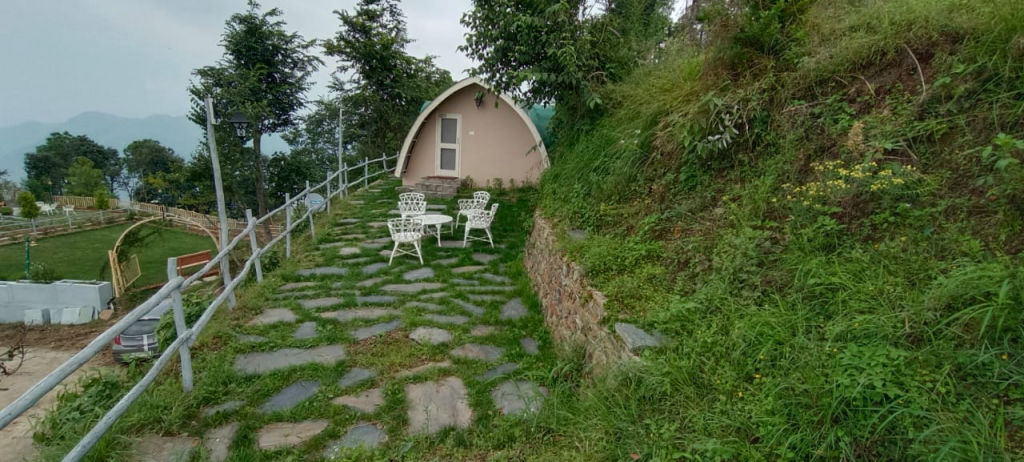
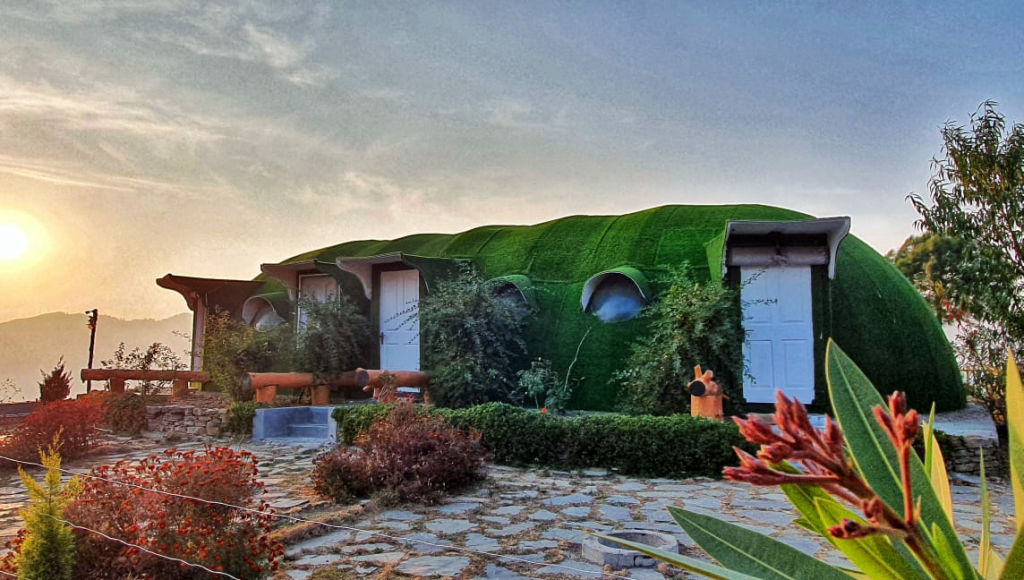
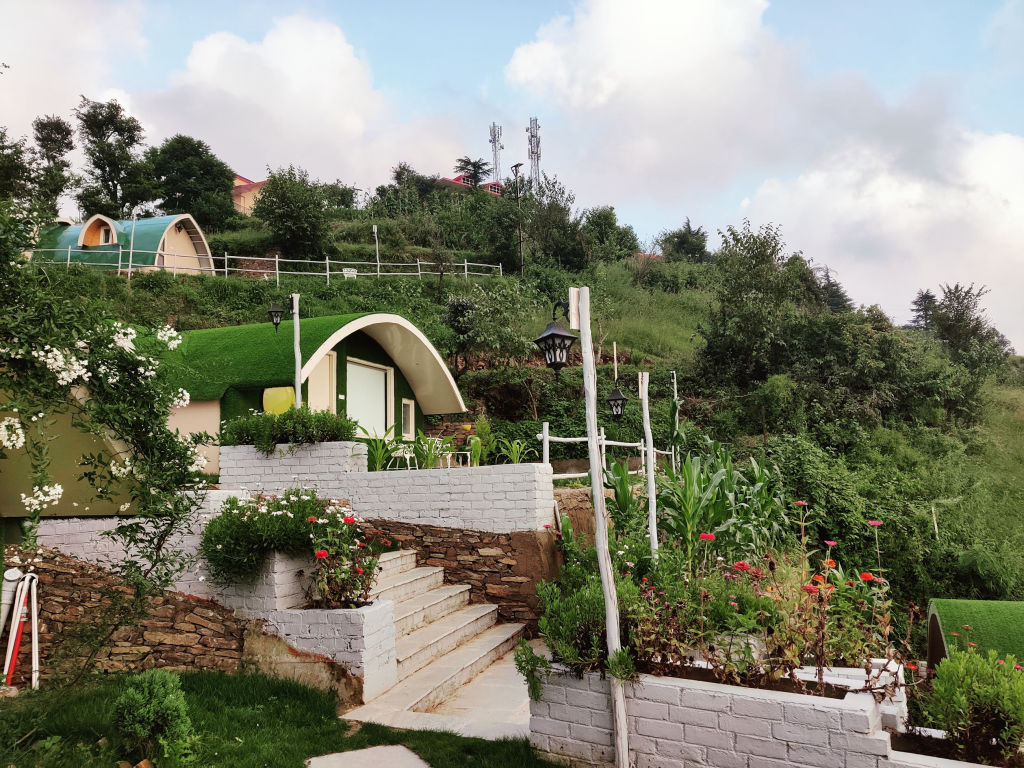
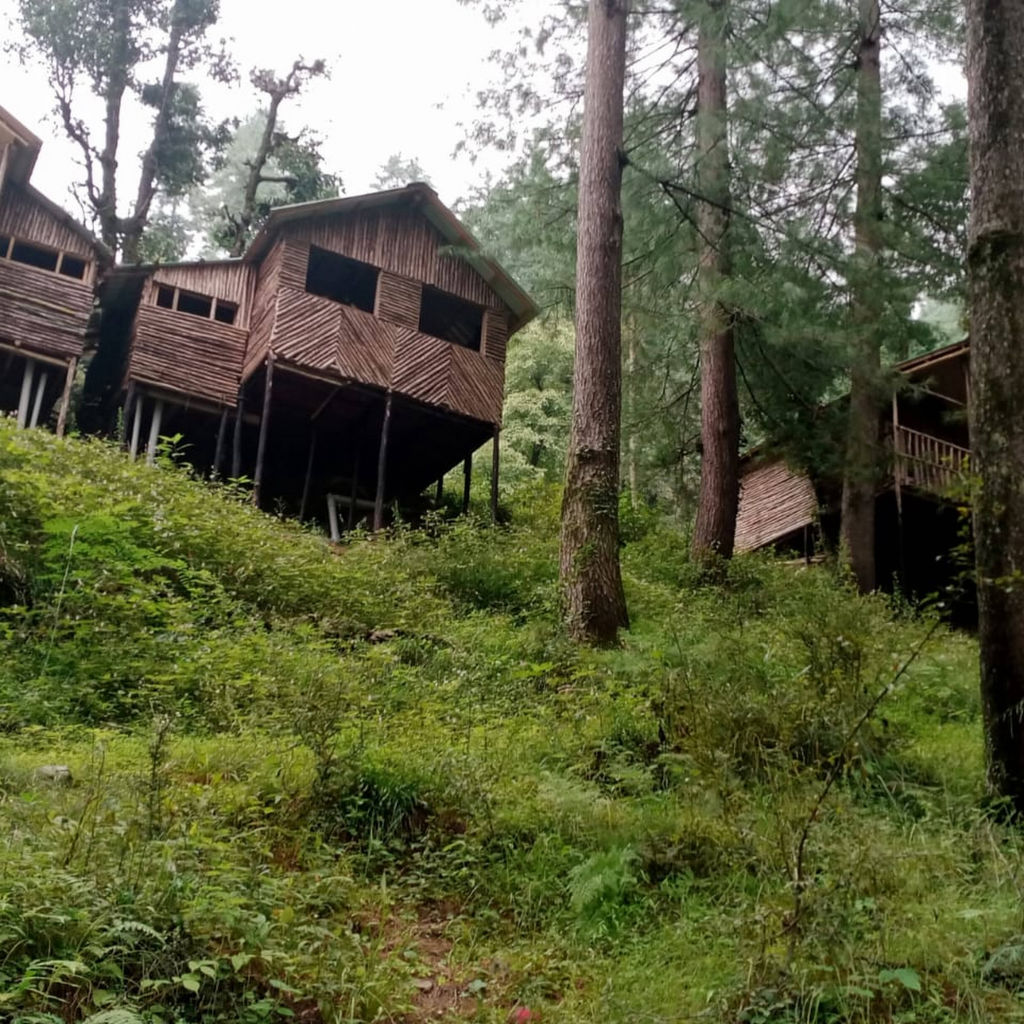
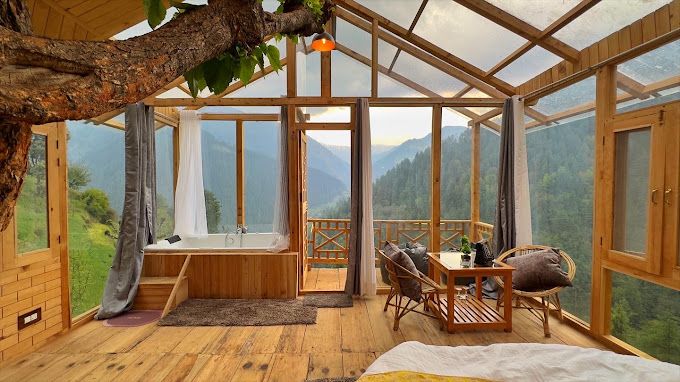
Visitors looking to spend a few days around Pangna Fort will find comfortable accommodations scattered across the Karsog Valley. Staying in the valley allows you to experience traditional Himachali warmth, home-cooked regional meals, and peaceful evenings away from urban noise. A variety of boutique homestays, rural cottages, and experiential camps in and around Karsog can be discovered and reserved on HireACamp to suit your travel style.
Frequently asked questions
What is the historical significance of Pangna Fort?
Pangna Fort was the early capital and fortress of the princely state of Suket, established in the eighth century. Its multi-storey Kath-Kuni tower represents one of the region's finest surviving examples of indigenous Himalayan fort architecture.
How far is Pangna Fort from Karsog town?
Pangna is located within short driving distance of Karsog, roughly twenty to twenty-five kilometres away along local mountain roads that take about an hour to navigate.
What is the architectural style of Pangna Fort?
The fort is built in the Kath-Kuni style, a vernacular construction technique using interlocking wooden cedar beams and chiseled stone without mortar, designed for structural flexibility against earthquakes.
Can Pangna Fort be visited throughout the year?
Yes, Pangna Fort is accessible year-round, though the spring months from April to June and clear autumn days between September and November offer the most pleasant weather for travel.
Are there entry fees or set timings to visit Pangna Fort?
Pangna Fort stands openly within the village of Pangna and generally does not follow commercial ticketing systems, but visitors should check locally upon arrival and plan to visit during daylight hours.
Where you'll be
SH-13, Karsog · 5 stays nearby shown with prices
Stays near Pangna Fort
Book a place to stay close by
More places near Pangna Fort
Within 20 km


Built from 0 Instagram posts by 0 creators. Every tip links back to the post it came from, and where creators disagree we show both sides.






