
Mangan View Point
Viewpoint near Mangan, Sikkim
2.5 km from Mangan
The nearest town, for stays, food and fuel.
Mangan View Point is a peaceful vantage point situated in Mangan, the headquarters of North Sikkim. Travellers visit to take in wide views of the Eastern Himalayas, terraced valleys, and the winding course of the Teesta River below. It serves as an ideal introduction to the natural grandeur and mountain culture of North Sikkim.
Getting there
By road
- From ManganNearest town27 min · 12 km
Typical drive times without traffic. Stations and airports from OLA Maps; distances and typical drive times from OpenStreetMap (© OpenStreetMap contributors); notes from creators' Reels.
About Mangan View Point
Written with AI from map data and general knowledge. Check prices and timings locally before you go.
About Mangan View Point
Perched above the town of Mangan in the northern district of Sikkim, Mangan View Point provides an elevated perspective across the Eastern Himalayas. Mangan is historically recognized as the market town and administrative center of North Sikkim, positioned on hillsides that look out over dramatic river gorges and rugged ridges. The view point acts as a welcoming introduction for travellers heading further into the higher reaches of the district, as well as a standalone destination for those looking to experience Sikkim outside the busier hub of Gangtok. The surrounding area is characterised by traditional Sikkimese settlements, terraced agricultural plots, and dense mountain foliage that shifts in character as the altitude changes. Visitors often spend unhurried hours here taking in the tranquil pace of mountain life, observing the changing daylight across the slopes, and appreciating the vast openness that defines this section of the state.
Mountain views and landscape
On clear mornings, the vantage point reveals an impressive panorama of snow-dusted summits that form part of the Kanchenjunga range. The foreground features steep emerald valleys etched by winding streams that eventually feed into the Teesta River basin. The interplay of clouds and light against the high-altitude peaks creates an ever-changing visual display throughout the day, drawing photographers and landscape enthusiasts alike. In addition to the grand Himalayan ridge lines, the view point overlooks lower valley settlements where tiny hamlets dot the green contours of the mountains. The vegetation around the viewpoint is rich with temperate flora, including varieties of ferns, mountain oaks, and seasonal wildflowers that thrive in the cool, moist atmosphere typical of mid-altitude Sikkim. The absence of heavy urban development around the site ensures that the natural mountain sounds, from bird calls to the rustle of leaves in the breeze, remain undisturbed.
Read more
Best time to visit Mangan View Point
The experience at Mangan View Point varies significantly across the seasons, making timing an essential factor for planning a trip. Autumn, stretching from October through December, is widely considered one of the best times to visit due to consistently clear skies and sharp visibility across the mountain ranges. During these months, the air is crisp, rainfall is minimal, and the snow-clad peaks stand out vividly against deep blue skies. Springtime, from March to May, brings a different charm as warmer temperatures encourage rhododendrons, magnolias, and wild orchids to bloom across the surrounding slopes. While spring can occasionally bring hazy afternoons, early mornings typically offer clear views. In contrast, the monsoon season from June to September brings heavy precipitation to North Sikkim, often shrouding the viewpoint in thick cloud cover and causing road disruptions due to landslides. Winter, from late December to February, can be quite cold, but it offers quiet surroundings and picturesque snow scenes on the higher ridges visible in the distance.
How to reach Mangan View Point
Mangan serves as the primary gateway to North Sikkim and is connected by mountain highways to other major towns in the region. Travellers usually begin their journey from Gangtok, following the winding road that traces the Teesta River northward through changing terrain. The nearest major railway station is New Jalpaiguri, and the closest domestic airport is Bagdogra in West Bengal. From these transit hubs, travellers can hire vehicles or use shared transport to reach Mangan before continuing to the viewpoint. Because travel conditions and driving hours can fluctuate considerably depending on regional road repairs, seasonal weather events, and traffic along single-lane mountain passages, visitors should check locally for up-to-date travel estimates rather than relying on strict schedules. The approach to the viewpoint is easily navigated from Mangan town center, making it accessible by local taxis or on foot for those who enjoy a brisk uphill walk.
Practical tips for your visit
When planning an excursion to Mangan View Point, preparation ensures a comfortable and rewarding experience. Because North Sikkim falls under special administrative regulations, non-local visitors generally require travel permits to enter and explore parts of the district; it is advisable to check current permit requirements and obtain necessary documentation in advance through official channels or local administration. Weather in the mountains can change unexpectedly within an hour, so carrying a warm windbreaker or fleece jacket is recommended even on sunny days. Sturdy walking shoes with reliable grip are beneficial if you plan to walk along the roadsides or explore short footpaths around the viewpoint. Binoculars enhance the sightseeing experience by bringing distant ridgelines and traditional monastery rooftops into focus. As with any outdoor destination in the sensitive Himalayan ecosystem, travellers should practice responsible waste management by packing out all plastic containers, wrappers, and personal litter.
Places to visit nearby
A visit to Mangan View Point can easily be paired with several notable cultural and religious sites situated close by. Just one kilometre away lies Ringhem Monastery, an important spiritual landmark for the local community that offers quiet courtyards and intricate traditional architecture. Further along the mountain routes, Labrang Monastery sits roughly nine kilometres away, renowned for its distinct octagonal construction and historical significance. Phensang Monastery is situated approximately eleven kilometres from the area, nestled amidst serene forested slopes and known for its vibrant annual masked dances. Travellers traveling towards the state capital can also stop near Gonjang Monastery at around sixteen kilometres, or explore Hanuman Tok and the Himalayan Zoological Park located about eighteen to nineteen kilometres away. Each of these destinations offers insight into the spiritual heritage and natural biodiversity that make North Sikkim a compelling region to explore.
Where to stay near Mangan
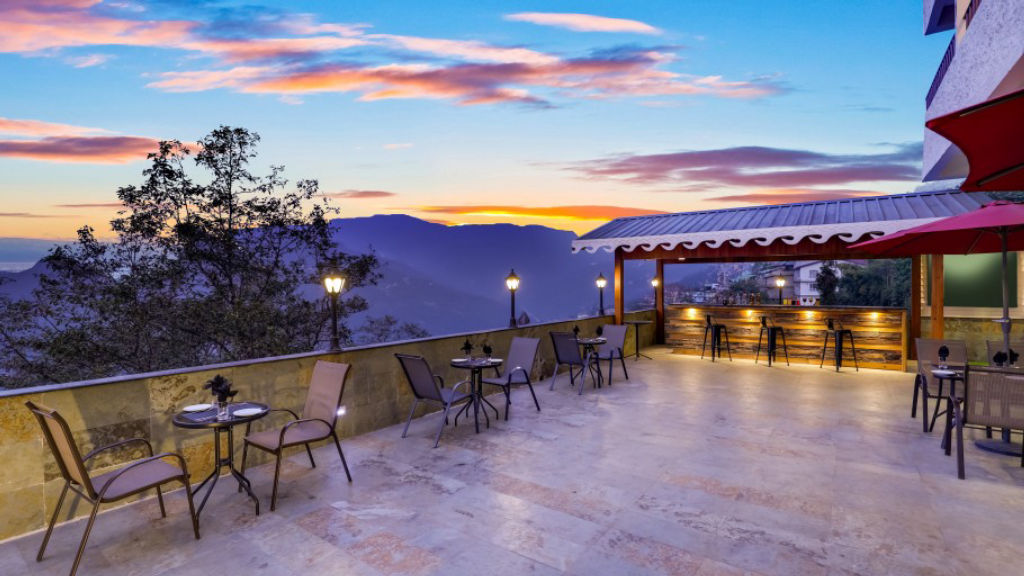
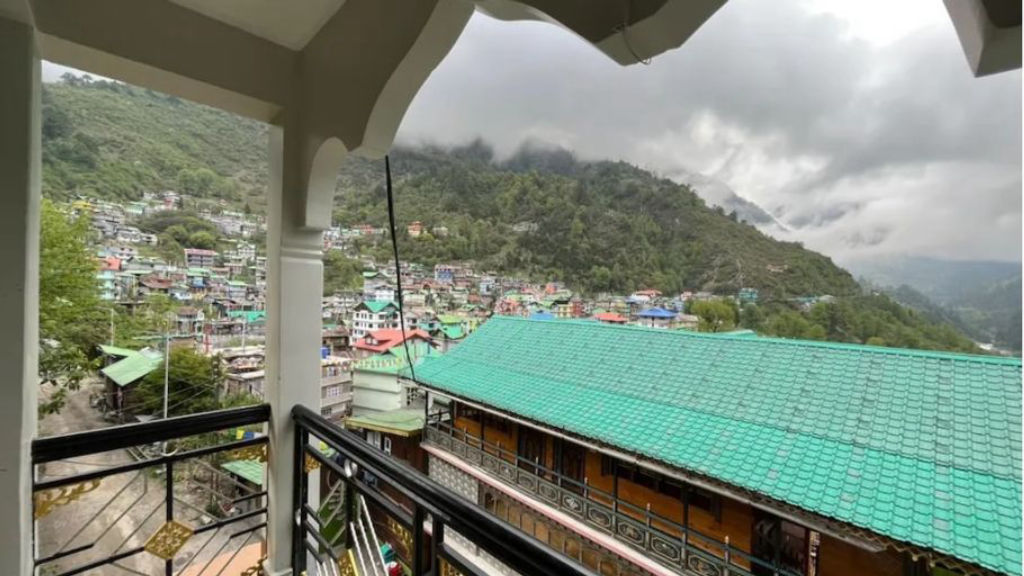
Mangan and its surrounding hillsides provide a peaceful base for travellers who prefer a more relaxed environment compared to larger tourist centers. The area features a variety of authentic homestays run by local families, offering guests the chance to experience warm Sikkimese hospitality, traditional architecture, and home-cooked regional meals made with locally grown produce. For those who enjoy spending time outdoors beneath starry mountain skies, riverside camps and eco-friendly retreats can also be found scattered throughout the district. You can discover a curated selection of camps, homestays, and rustic outdoor accommodations near Mangan on HireACamp. Booking in advance is recommended during the peak autumn and spring travel windows when North Sikkim experiences a higher influx of mountain travellers.
Frequently asked questions
Where is Mangan View Point located?
Mangan View Point is located in Mangan, the administrative headquarters of North Sikkim, overlooking the surrounding Himalayan ranges and the Teesta River valley.
What can you see from Mangan View Point?
Visitors can see panoramic views of the Kanchenjunga range on clear days, along with terraced hillsides, winding valleys, and distant monastery settlements.
What is the best time of year to visit Mangan View Point?
The ideal months to visit are from October to December for clear mountain vistas, and from March to May for pleasant weather and blooming spring flora.
Do I need a permit to visit Mangan?
Certain parts of North Sikkim require inner line permits for visitors. You should check the latest permit guidelines and documentation rules with local authorities or tour organizers before travel.
Where can I stay when visiting Mangan View Point?
A selection of family-run homestays, local lodges, and scenic campsites around Mangan can be found and booked directly through HireACamp.
Where you'll be
Mangan · 2 stays nearby shown with prices
Stays near Mangan View Point
Book a place to stay close by
More places near Mangan View Point
Within 20 km
Built from 0 Instagram posts by 0 creators. Every tip links back to the post it came from, and where creators disagree we show both sides.






