
Gurudongmar Lake
Lake near Chungthang, Sikkim
300 m from Chungthang
The nearest town, for stays, food and fuel.
Gurudongmar Lake is one of the highest alpine lakes in the world, sitting amidst the stark, windswept plateau of North Sikkim near the international border. Revered as sacred by Buddhists, Sikhs, and Hindus, the lake is celebrated for its startlingly clear waters that mirror the glaciated peaks of the surrounding Himalayas. Travellers undertake the challenging high-altitude journey here to witness its surreal, cold-desert landscape and experience the profound stillness of the Tibetan plateau.
Getting there
By road
- From ChungthangNearest town2 min · 1 km
Typical drive times without traffic. Stations and airports from OLA Maps; distances and typical drive times from OpenStreetMap (© OpenStreetMap contributors); notes from creators' Reels.
About Gurudongmar Lake
Written with AI from map data and general knowledge. Check prices and timings locally before you go.
The Landscape and Spiritual Significance of Gurudongmar Lake
Perched at an extreme altitude in North Sikkim, Gurudongmar Lake occupies an environment radically different from the lush green valleys of southern and central Sikkim. Here, the landscape transitions into an expansive, barren cold-desert plateau reminiscent of the Tibetan plains. Surrounded by snow-dusted, craggy mountain ridges, the lake appears like a radiant turquoise mirror set in stony earth. The stark contrast between the vivid blue water and the dry, ochre-tinted moraines leaves a deep impression on every visitor.
The lake carries enormous spiritual value across multiple traditions. Buddhists associate the site with Guru Padmasambhava, also known as Guru Rinpoche, who is believed to have visited the lake on his journey across the Himalayas in the eighth century. According to local lore, because the high-altitude lake froze completely during winter and deprived nearby pastoralists of drinking water, the Guru touched a section of the lake to keep it unfrozen year-round. Sikhs also hold the water sacred, associating it with Guru Nanak's travels through Sikkim. A small shrine sits near the perimeter, where prayer flags flutter in the bitter mountain wind, adding to the silent reverence of the high valley.
Best Time to Visit Gurudongmar Lake
The window for visiting Gurudongmar Lake is dictated heavily by the severe climate of high-altitude North Sikkim. The most favourable periods are spring, running from April to early June, and autumn, from late September through November. In spring, the lower valleys are alive with blooming rhododendrons and alpine wildflowers, while the frozen lake begins to thaw, showing brilliant blues against melting white edges. The weather during these months is relatively mild during the middle of the day, though temperatures remain close to freezing.
Autumn offers the clearest skies and the most stable road conditions. During October and November, dry weather sweeps across the Himalayan plateau, granting razor-sharp visibility of towering peaks and crystal-clear reflections in the lake. Winter brings intense snowfall, blocking roads past Thangu and Lachen, with temperatures plunging far below zero. The monsoon months of July and August present serious risks of landslides along the mountain highways between Gangtok, Mangan, and Chungthang, making travel unpredictable and hazardous.
Read more
How to Reach Gurudongmar Lake
Reaching Gurudongmar Lake is a multi-stage journey that cannot be completed in a single day. Most journeys begin from Gangtok, the capital of Sikkim. From Gangtok, the road winds north through the administrative center of Mangan and the river confluence town of Chungthang before ascending to Lachen, a quiet mountain hamlet where visitors must spend the night to adjust to the altitude.
From Lachen, travellers set out very early in the morning, typically before dawn, to complete the drive through Thangu Valley and the military outpost of Gaigaon before reaching the lake basin. Starting before sunrise is crucial because intense, biting winds and cloud cover rapidly develop across the high plateau by midday. Because of its proximity to international borders and its sensitive ecosystem, the area requires inner line permits for Indian travellers, while foreign nationals face restricted access to this region. Travellers must check local government regulations and arrange the necessary permits through registered transport services before departing from Gangtok.
High Altitude and Health Precautions
At an elevation approaching 17,800 feet, the air at Gurudongmar Lake contains substantially less oxygen than at sea level. Acute Mountain Sickness (AMS) is a very real danger for anyone who ascends too quickly. The compulsory overnight halt at Lachen helps your body begin adapting to the elevation, but you should still remain alert to symptoms such as throbbing headaches, nausea, dizziness, shortness of breath, and fatigue.
While at the lake itself, it is essential to keep movements slow, calm, and deliberate. Avoid running, jumping, or climbing steep banks around the water's edge, as sudden physical exertion can bring on severe altitude sickness within minutes. Staying well hydrated, eating light meals, and avoiding alcohol or smoking in the days leading up to the trip are vital steps to ensure safe acclimatisation. Many travellers carry portable oxygen cans as a sensible precaution. Due to the extreme altitude and thin air, individuals with chronic respiratory or cardiac conditions, as well as very young children, are generally advised by medical experts to consult their doctor before planning a visit.
What to Pack for the Trip
The high plateau is notorious for its sub-zero temperatures and biting winds, even during midday in late spring or autumn. Dressing in multiple layers is far more effective than relying on a single heavy coat. You will want a thermal base layer, a warm fleece or woolen mid-layer, and a windproof, waterproof outer shell to block the gusts sweeping over the open lake basin.
Warm woolen beanies that cover your ears, high-quality fleece-lined gloves, and neck gaiters are mandatory to prevent windburn and rapid heat loss. The ultraviolet radiation at extreme altitudes is exceptionally fierce, amplified by the surrounding snow and open water, so carry UV-protective sunglasses, high-SPF sunscreen, and a hydrating lip balm. A vacuum-insulated water flask filled with warm water will ensure your drinking supply does not freeze during the long morning drive from Lachen.
Places to Explore around North Sikkim
A trip to Gurudongmar Lake naturally links with other remarkable landscapes and historic sites across North Sikkim. On the return drive from the lake, the high valley of Chopta opens out into sweeping grazing grounds bordered by meandering glacial streams. Closer to Chungthang, the waters of the Lachen Chu and Lachung Chu meet, and the Gurudwara Nanak Lama Sahib commemorates historic journeys through this corridor.
Travellers often combine a visit to Lachen with a detour to Lachung in the adjoining valley, home to the centuries-old Lachung Monastery and the gateway to Yumthang Valley and Zero Point. Farther south toward Mangan, scenic outlooks like Mangan View Point offer broad vistas over the Teesta river valley, while cultural landmarks such as Ringhem Monastery, Phensang Monastery, and Seven Sisters Waterfall enrich the drive back toward Gangtok.
Where to Stay near Gurudongmar Lake
Because the terrain immediately surrounding Gurudongmar Lake is barren, protected, and far too high for civilian overnight stays, all visitors stay further down the valley. The traditional village of Lachen serves as the universal base camp for the lake excursion. Accommodations in Lachen are modest and rustic, reflecting the remote mountain environment where hot water and steady electricity can be seasonal luxuries.
Staying in a family-run homestay or locally managed mountain lodge in Lachen gives travellers an authentic look into the lives of the indigenous Lachenpa community. A variety of camps, homestays, and rustic guesthouses around Lachen, Chungthang, and Lachung can be discovered on HireACamp. Booking in advance is recommended during peak spring and autumn periods when high-altitude permits and accommodation in North Sikkim fill up quickly.
Frequently asked questions
Where is Gurudongmar Lake located?
Gurudongmar Lake is located in the far northern reaches of Sikkim, India, near the Tibetan border, and is accessed by road via the base town of Lachen.
Can I visit Gurudongmar Lake in one day from Gangtok?
No, it is not safe or practical to visit in one day due to road distances and the steep altitude gain. Travellers must stay overnight in Lachen to acclimatise before driving up to the lake early the following morning.
Do I need a permit to visit Gurudongmar Lake?
Yes, because the lake is located in a sensitive border region of North Sikkim, special inner line travel permits are mandatory for visitors. You should check current government guidelines and arrange permits through local transport operators in advance.
Does Gurudongmar Lake freeze completely in winter?
Most of the lake freezes solid during the severe winter months, although local belief and observation hold that a small sacred section of the water remains liquid year-round.
Is oxygen low at Gurudongmar Lake?
Yes, oxygen levels are significantly lower than at lower elevations due to the extreme altitude. Visitors must keep physical exertion to a minimum and descend immediately if acute mountain sickness symptoms develop.
Where you'll be
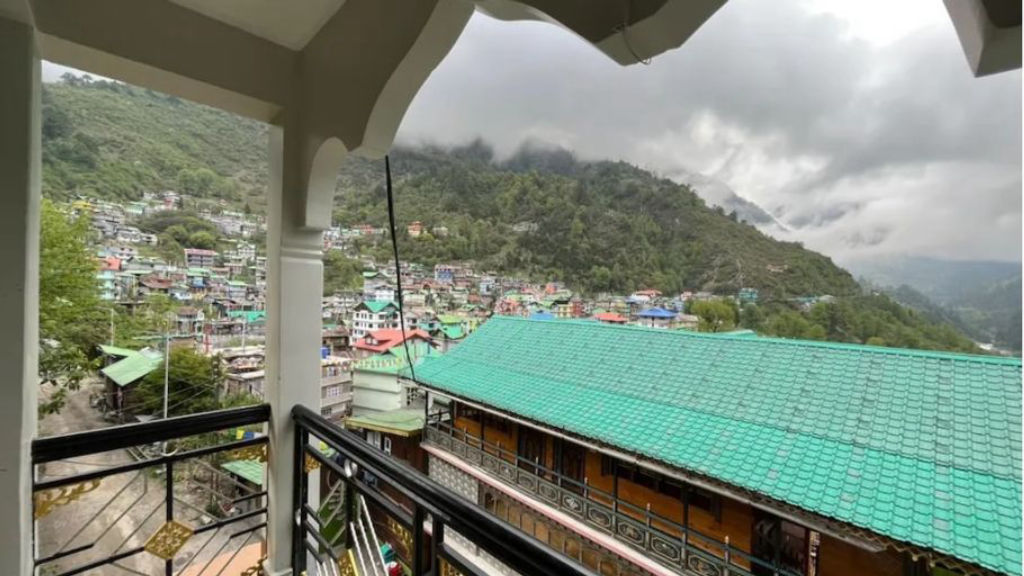
Chungthang · 1 stay nearby shown with prices
Stays near Gurudongmar Lake
Book a place to stay close by
More places near Gurudongmar Lake
Within 20 km
Built from 0 Instagram posts by 0 creators. Every tip links back to the post it came from, and where creators disagree we show both sides.






