
Mangan
Destination in Sikkim
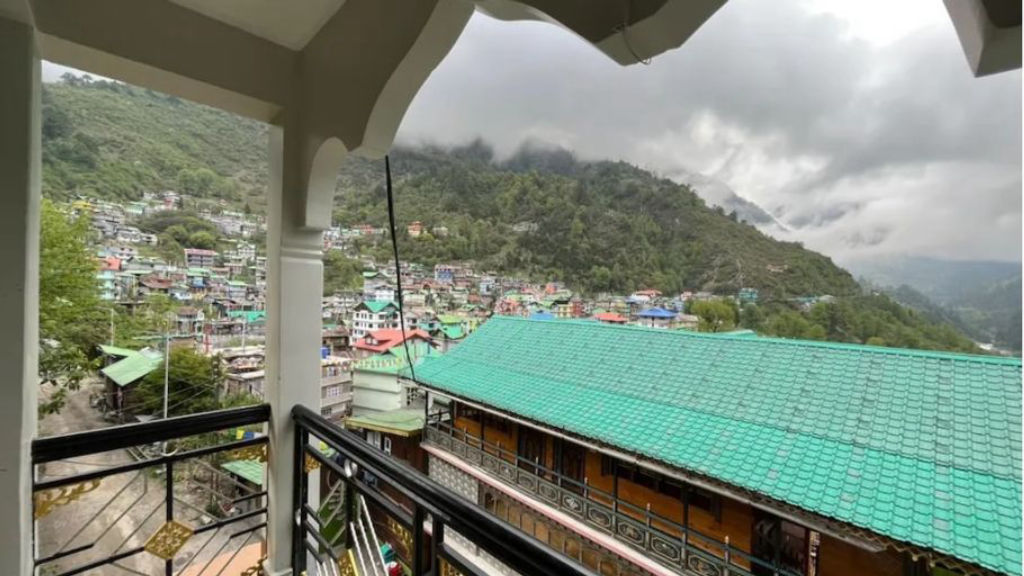
Mangan is a quiet mountain town serving as the administrative headquarters of North Sikkim. Perched on hillsides overlooking the Teesta River basin, it is widely recognized as a major trading hub for large cardamom and the primary transit point for journeys heading deeper into northern Sikkim. Visitors come to experience its unhurried mountain life, panoramic Himalayan views, and rich cultural heritage.
Getting there
About Mangan
Written with AI from map data and general knowledge. Check prices and timings locally before you go.
What Mangan is known for
Mangan sits in the rugged terrain of northern Sikkim, resting at an elevation of roughly 1,300 meters above sea level. For decades, it has served as the commercial and administrative center of the North Sikkim district. The surrounding hills are carpeted with shade trees sheltering extensive undergrowths of large black cardamom, earning the town a reputation as one of the leading cardamom trading centers in India. During harvest periods, the aroma of smoked cardamom drying in traditional kilns drifts across the mountain paths.
Beyond its agricultural prominence, Mangan is known for its dramatic setting. On clear days, the town commands sweeping vistas of the snow-clad peaks of the Eastern Himalayas, including prominent views of Mount Kanchenjunga. Its position also makes it a vital cultural crossroads where Lepcha, Bhutia, and Nepali communities live side by side, creating a distinct blend of traditions, festivals, and architecture.
Things to do in and around Mangan
Exploring Mangan is largely about slowing down and tuning into everyday life in the mountains. Walking through the town market gives you an intimate look at local trade, where mountain farmers bring fresh organic produce, seasonal herbs, and spices from surrounding villages. The pace of life here is unhurried compared to larger urban centers, making it a peaceful destination to wander on foot.
A visit to the local viewpoints provides uninterrupted outlooks across deep valleys carved by mountain rivers and streams. Nature trails wind out from the settlement into nearby forested ridges where native bird species and blooming rhododendrons can be spotted in spring. You can also spend quiet hours visiting the small traditional shrines and monasteries perched on the hillsides around the town, listening to the flutter of prayer flags and rhythmic chanting during morning or evening prayers.
Read more
Getaways and places to explore nearby
Mangan serves as the launching pad for journeys into North Sikkim and its surrounding valleys. Just across the river lies Dzongu, a designated reserve for the indigenous Lepcha community. Dzongu offers untouched landscapes, bamboo bridges, cascading waterfalls, and traditional village life where travelers can learn about ancient animist traditions and indigenous folklore.
Heading further north along the mountain highway leads toward the high-altitude hamlets of Lachen and Lachung, which grant access to alpine meadows, cold desert expanses, and sacred glacial lakes. Traveling south toward Gangtok brings you past historically significant monasteries such as Phodong and Labrang, both celebrated for their architectural heritage, intricate murals, and tranquil courtyards. For travelers interested in monastic culture, visiting Rumtek Monastery further down towards the capital region offers a deeper appreciation of Tibetan Buddhist monastic art and philosophy.
Best time to visit Mangan
The most favorable months to visit Mangan are from March to May and from October to December. Spring brings mild temperatures and vibrant flora, as wild orchids and rhododendrons bloom across the surrounding slopes. The weather during these months remains pleasant for walking and village excursions, with crisp air and mostly clear morning skies.
Autumn, spanning October and November, is generally considered the best period for mountain visibility. The monsoon clears out, leaving washed-blue skies and sharp views of distant snow-capped peaks. Winter settles in from December to February, bringing cold temperatures, particularly after sundown, though days are often bright and sunny. The monsoon season from June to September brings heavy rainfall across Sikkim, frequently causing landslides along mountain routes; travelers during this period should expect travel disruptions and exercise caution.
How to reach Mangan
Reaching Mangan involves a picturesque road journey through the hills of Sikkim. The nearest airport is Pakyong Airport, while the closest major domestic and international air terminal is Bagdogra in West Bengal. If traveling by train, the nearest broad-gauge railway junction is New Jalpaiguri near Siliguri.
From Siliguri, Bagdogra, or New Jalpaiguri, vehicles travel north along the Teesta River via national highways toward Singtam and Gangtok before branching toward North Sikkim. Most travelers reach Mangan by road from Gangtok, which serves as the primary transit point. Shared jeeps and private taxis operate regularly between Gangtok and Mangan, navigating winding mountain roads lined with lush green ridges and river valleys. Travel times depend heavily on road conditions and weather, so plan for flexible schedules.
Tips for your visit
Travelers venturing through Mangan should be mindful that parts of North Sikkim require designated inner line or protected area permits, especially if you plan to proceed toward upper valleys or border areas. It is advisable to organize your documents, including multiple passport-sized photographs and government identification proofs, well in advance through local tourism authorities or registered tour agencies.
Layered clothing is essential throughout the year. Even during warmer months, evenings in the hills can turn chilly, while winter calls for heavy woolens, thermal innerwear, and windproof outer layers. Pack sturdy walking shoes with reliable grip for navigating uneven footpaths and village stone steps. Carrying sufficient cash is also recommended, as digital payment connectivity and automated teller machines in high-altitude zones can be intermittent.
Where to stay in Mangan
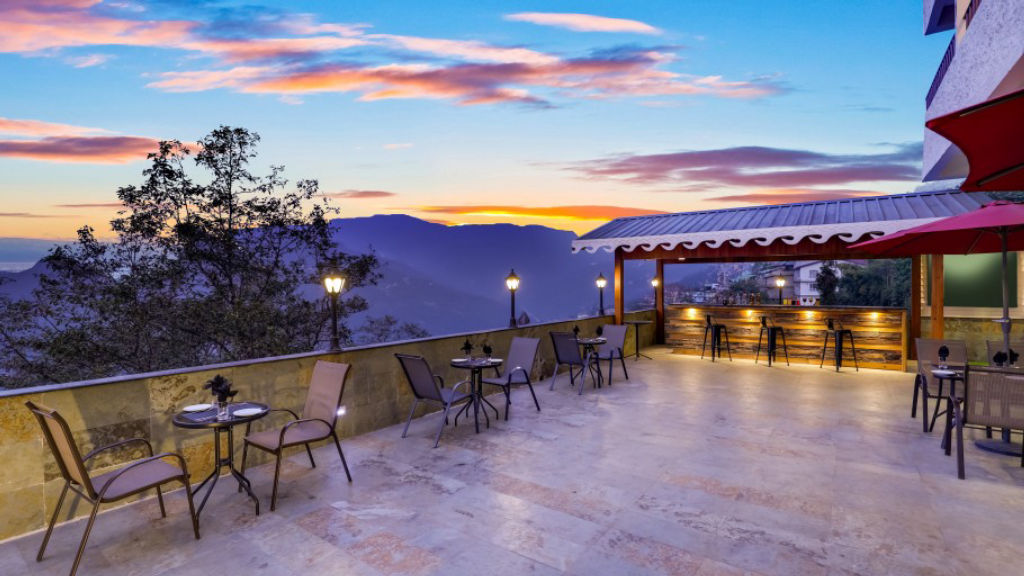
Accommodation in and around Mangan focuses primarily on authentic local hospitality. Staying in a family-run homestay is one of the most rewarding ways to experience the region, giving you a chance to sample homemade Sikkimese cuisine, learn about native farming practices, and hear stories from local residents.
For outdoor lovers, riverside and valley campsites set amidst orchards and cardamom fields offer an immersive way to enjoy the mountain quiet. You can find and book homestays, nature retreats, and eco-camps around Mangan on HireACamp.
Frequently asked questions
What is Mangan famous for?
Mangan is famous as the cardamom capital of India due to its extensive trade in large black cardamom. It is also renowned as the administrative gateway to North Sikkim and for its open views of Mount Kanchenjunga.
Do I need a permit to visit Mangan?
While general travel through Mangan may not always require specialized permits, traveling onward to upper North Sikkim destinations like Lachung, Lachen, or Dzongu requires protected area permits. Check current guidelines with local authorities before heading out.
Which is the best season to see snow peaks from Mangan?
The clearest mountain views occur between October and December, after the monsoon rains have cleared the air and before heavy winter clouds gather.
Can Mangan be used as a base for exploring North Sikkim?
Yes, many travelers use Mangan as a transit stop or a quiet base before traveling deeper into the high-altitude valleys of North Sikkim or into the cultural reserve of Dzongu.
Where you'll be
2 stays nearby shown with prices
Stays near Mangan
Book a place to stay close by
Things to do in Mangan
48 places creators recommend within 30 km

Built from 0 Instagram posts by 0 creators. Every tip links back to the post it came from, and where creators disagree we show both sides.






