
Morjim Turtle Nesting Site
Wildlife sanctuary near Chapora, Goa
1.5 km from Chapora
The nearest town, for stays, food and fuel.
Morjim Turtle Nesting Site is a protected coastal habitat in the Pernem region of North Goa, known for welcoming endangered Olive Ridley sea turtles during their breeding cycle. Travellers and nature enthusiasts visit to experience a quieter side of Goa's coastline, observe wildlife conservation in action, and explore the tranquil meeting point of the Chapora River and the Arabian Sea. The stretch represents an important community-driven effort to preserve marine life alongside seasonal coastal living.
Getting there
By road
- From ChaporaNearest town23 min · 12 km
- From Pune8 hr 35 min · 410 km
- From Mumbai 10 hr 10 min · 524 km
Typical drive times without traffic. Stations and airports from OLA Maps; distances and typical drive times from OpenStreetMap (© OpenStreetMap contributors); notes from creators' Reels.
About Morjim Turtle Nesting Site
Written with AI from map data and general knowledge. Check prices and timings locally before you go.
About Morjim Turtle Nesting Site
The Morjim Turtle Nesting Site occupies a protected strip along the southern end of Morjim Beach in Pernem, North Goa. Positioned right where the Chapora River flows into the sea, this expansive stretch of shoreline is defined by broad sand banks, gentle tides, and a significantly quieter atmosphere than many of Goa's commercial tourist strips. The wide intertidal zone and soft sand provide the essential natural conditions required by marine turtles for laying eggs.
Over the years, the site has gained national prominence as an ecological reserve under local wildlife protection directives. In addition to serving as a vital sanctuary for visiting marine life, the adjoining estuary and sand dunes support a healthy ecosystem of shorebirds, mud crabs, and coastal vegetation. For travellers interested in wildlife preservation and sustainable travel, Morjim offers an inspiring look at how environmental stewardship can thrive on an active coastline.
The Olive Ridley nesting cycle
Every year, female Olive Ridley sea turtles travel across the open ocean to reach the sands of Morjim to lay their eggs. These turtles crawl ashore primarily at night, digging deep pits above the high-water line using their flippers. Each female deposits a clutch of up to a hundred or more soft-shelled eggs before carefully burying them and returning to the sea.
To safeguard the clutches from high tides, stray animals, and incidental human disturbance, local forest wardens and volunteers monitor the stretch closely. Vulnerable nests are often transferred to fenced hatcheries located directly on the beach, where the temperature of the sand naturally incubates the eggs over roughly fifty to sixty days. Once the hatchlings emerge, field monitors ensure they are safely guided down the beach to make their journey into the ocean.
Read more
Best time to visit
The turtle nesting and hatching period runs through Goa's dry winter and spring months, spanning from November to April. Peak nesting activity generally occurs between December and February, while emerging hatchlings are frequently seen making their way to the water from January through April. The winter climate in Pernem is warm, dry, and comfortable, with mild sea breezes that make early mornings and evenings ideal for beach walks.
During the monsoon months from June to September, heavy rains and turbulent seas reshape the coastline. High waves submerge large sections of the sand, and regular coastal access is restricted for safety reasons. Travellers hoping to witness conservation efforts or spot marine activity should schedule their trip between December and March, remembering that wildlife sightings remain entirely subject to natural rhythms.
Visitor etiquette and conservation rules
Because the nesting zone is an active wildlife reserve, all visitors are expected to maintain strict environmental discipline. Sea turtles and their hatchlings rely on natural starlight and moonlight reflecting off the ocean to find their way. Any form of artificial illumination, including phone screens, torches, and camera flashes, severely disorients the animals and can cause hatchlings to crawl inland toward danger.
Loud music, commercial beach shacks, and large nocturnal gatherings are restricted along the protected section of the sand. If you encounter a nesting female or hatchlings during your visit, keep a generous distance, stay quiet, and avoid walking directly in their path. Entering cordoned-off hatchery compounds is strictly prohibited. It is equally important to leave no plastic waste behind, as marine debris poses a lethal hazard to sea life.
How to reach Morjim Turtle Nesting Site
The nesting site is situated in the coastal village of Morjim within Pernem taluka. For rail passengers, Pernem railway station is the nearest railhead, while Thivim is another well-connected option slightly further inland. Local taxis and auto-rickshaws are readily available at these stations to drive you toward the coast.
Travellers flying into Goa can land at the international airport in Mopa, which is situated conveniently within North Goa, or at Dabolim Airport further south. Both airports connect to Pernem via highway routes. Rented vehicles, self-drive scooters, and private cabs offer the most flexible means of travelling between the beach, neighboring villages, and other parts of the state.
Places to explore nearby
The Pernem region and its surrounding coastline offer plenty of cultural and outdoor sights within easy driving distance. Directly inland, the village of Parcem showcases traditional Goan rural architecture, lush fields, and historic residential estates. Across the mouth of the Chapora River and heading slightly south, travellers can visit historic fortifications such as Aguada Fort and Reis Magos Fort, both of which command panoramic vantage points over coastal waters and shipping channels.
Those looking for additional beach excursions can head toward Coco Beach or Sinquerim Beach, while birdwatchers can spend early mornings along the Chapora estuary looking for egrets, plovers, and sea eagles. The interior roads of Pernem also lead to quiet river landings, shaded groves, and centuries-old chapels tucked away from the main coastal thoroughfares.
Where to stay
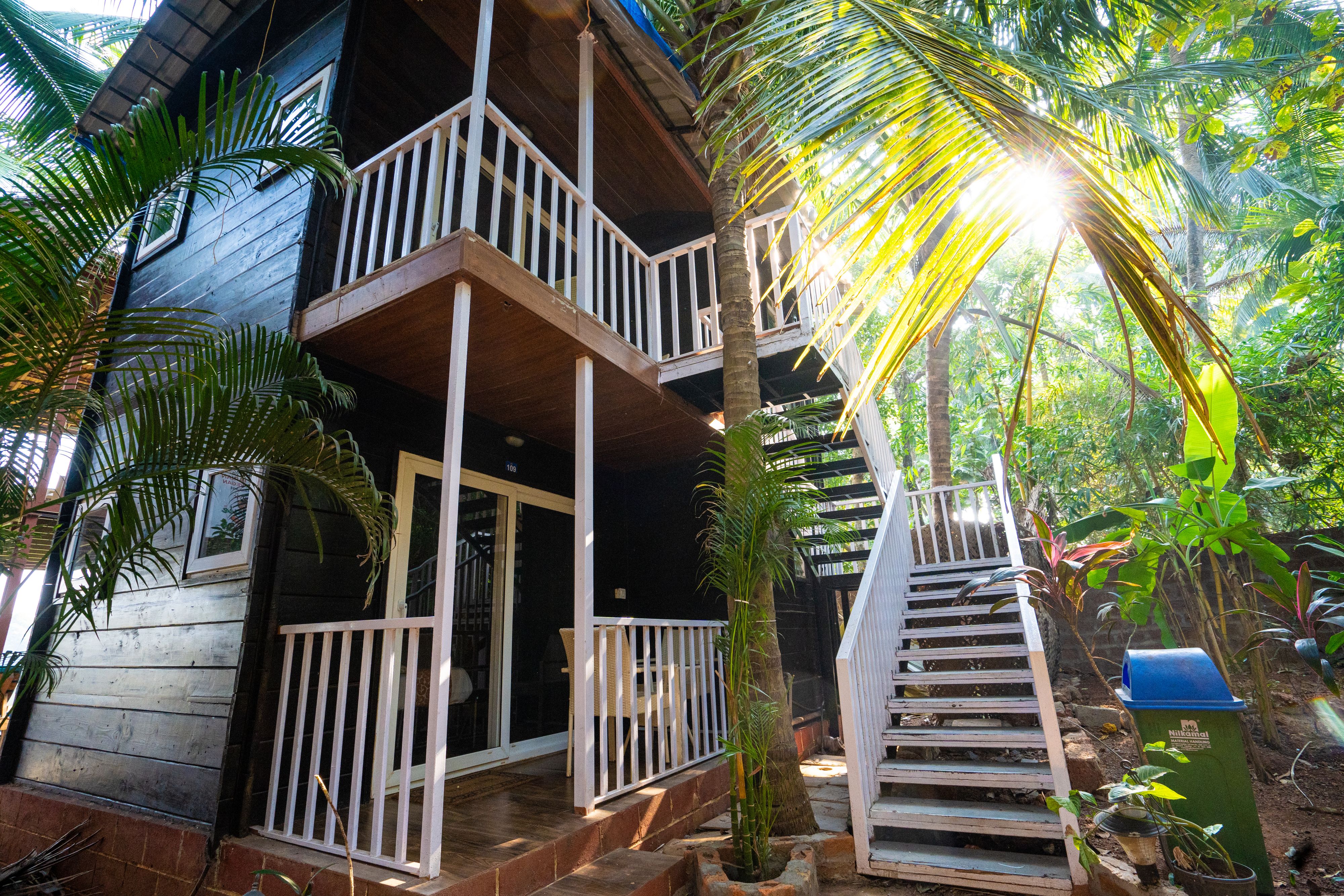
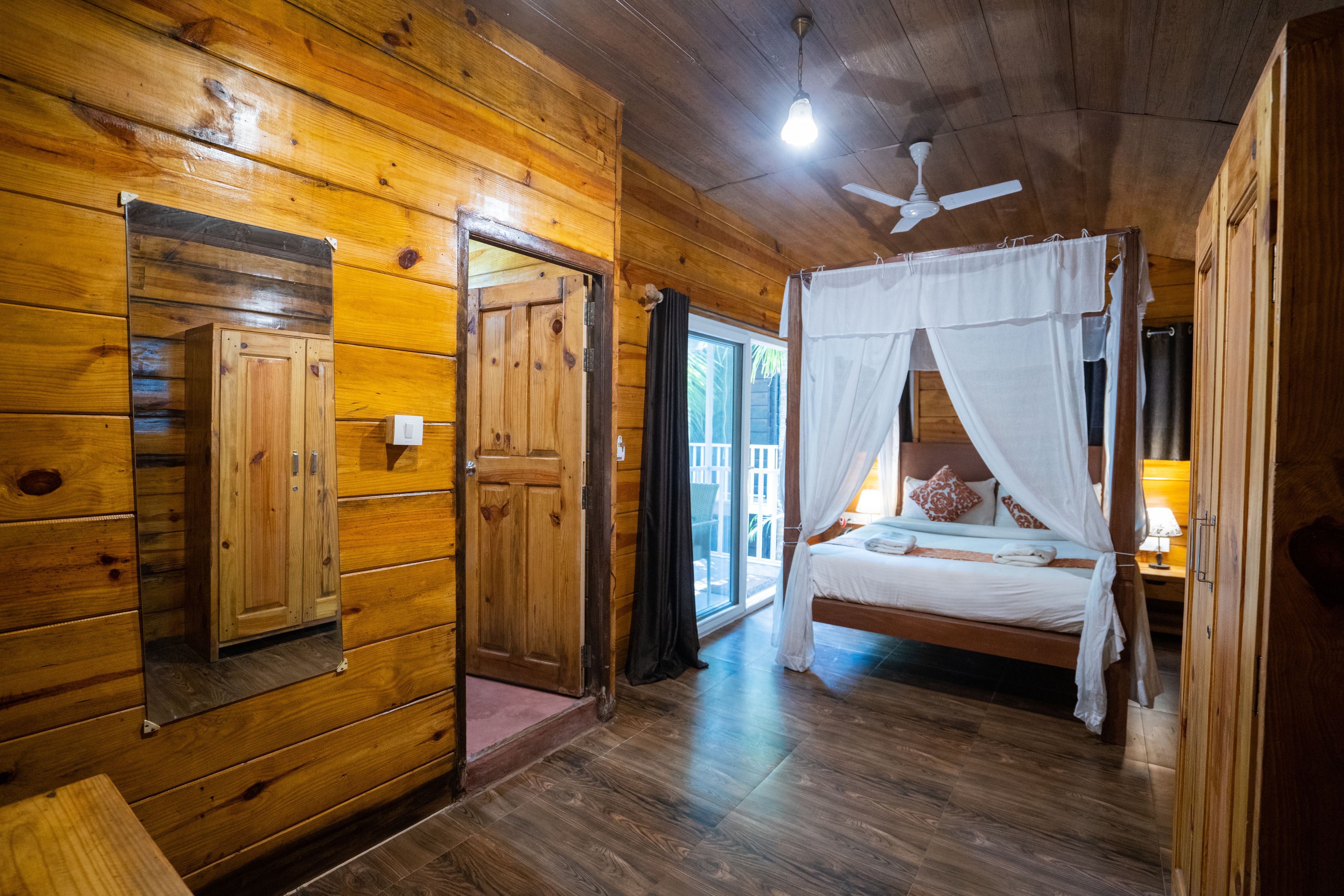
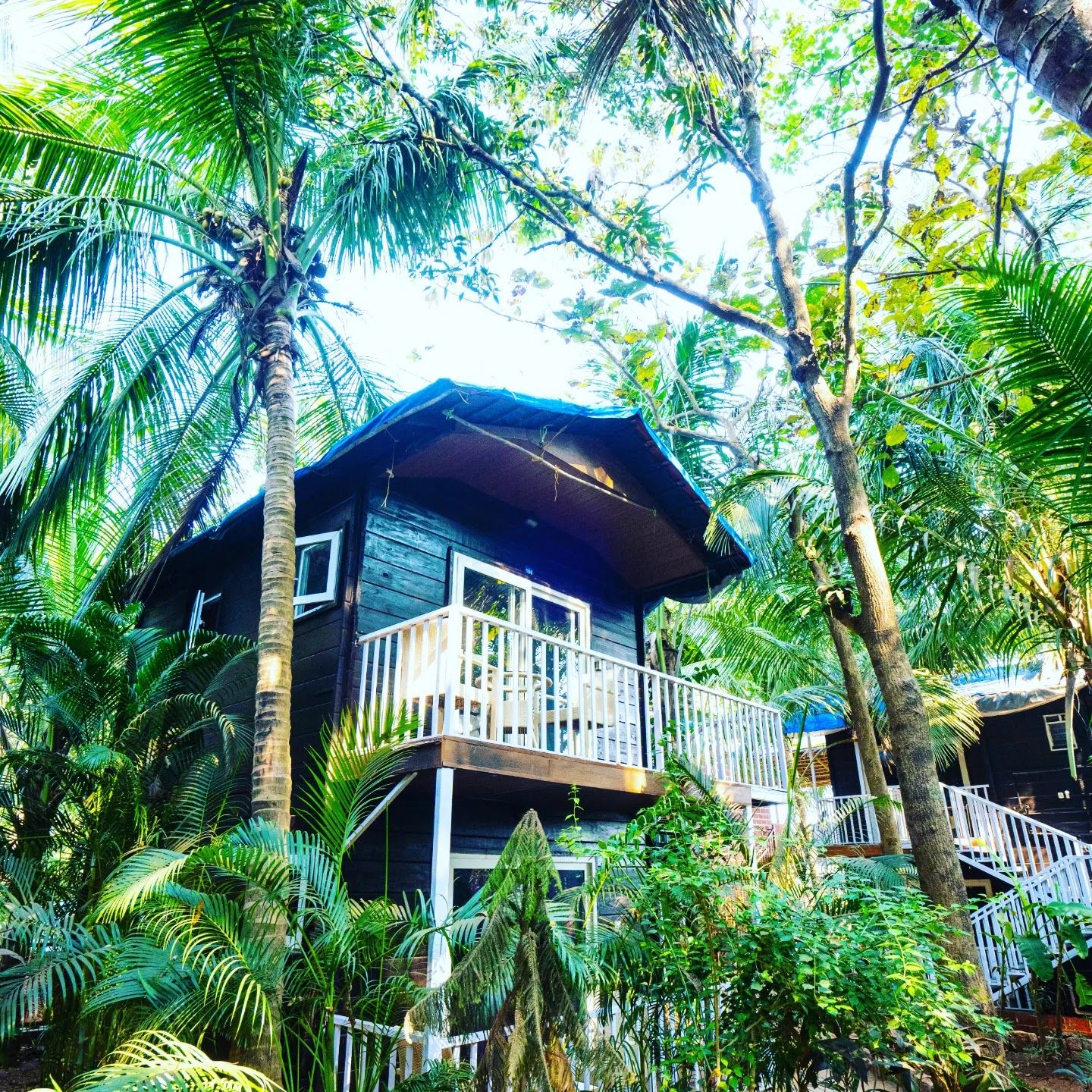
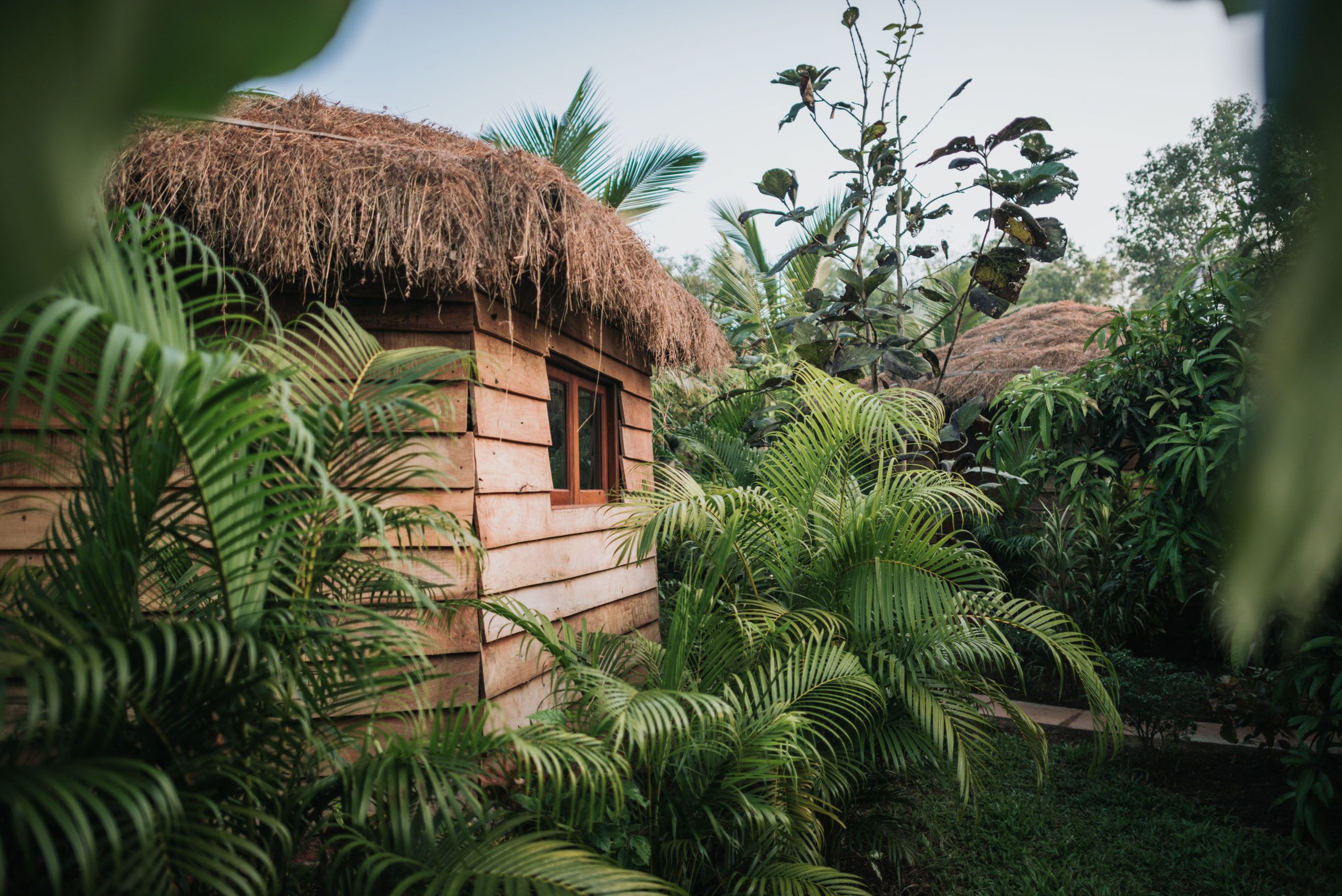
Travellers visiting Morjim have access to a variety of accommodation options that respect the serene character of the area. Low-impact homestays, rustic cottages, and eco-friendly stays are scattered through Morjim village, neighboring Parcem, and the inland rural stretches of Pernem.
Choosing mindful accommodations helps ensure that nighttime noise and light pollution remain low near the turtle habitat. To find verified camps, homestays, and nature-friendly retreats near the Morjim Turtle Nesting Site, check HireACamp to plan a quiet, sustainable coastal stay.
Frequently asked questions
When is the best time to see Olive Ridley turtles at Morjim?
The nesting season runs from November to April, with the highest concentration of nesting occurring between December and February, and hatchling releases taking place through April.
Are visitors allowed on the beach at night during nesting season?
Visitors can access public beach areas, but strict restrictions apply to the protected zone. Artificial lighting, flash photography, bonfires, and loud noise are completely barred after dark.
Can I touch or hold the baby turtles when they hatch?
No. Touching or handling sea turtles and hatchlings is strictly forbidden under Indian wildlife protection laws to prevent contamination and stress to the animals.
How do I reach Morjim from the nearest airport or railway station?
Pernem railway station is the closest train stop, while North Goa's Mopa airport is the nearest flight terminal. Taxis and rental vehicles connect both hubs directly to Morjim via local roads.
What should I do if I find a turtle laying eggs on the sand?
Keep a quiet distance, never use flashlights or cameras, do not block the path between the turtle and the water, and notify local forest guards or beach wardens immediately.
Where you'll be
Pernem · 12 stays nearby shown with prices
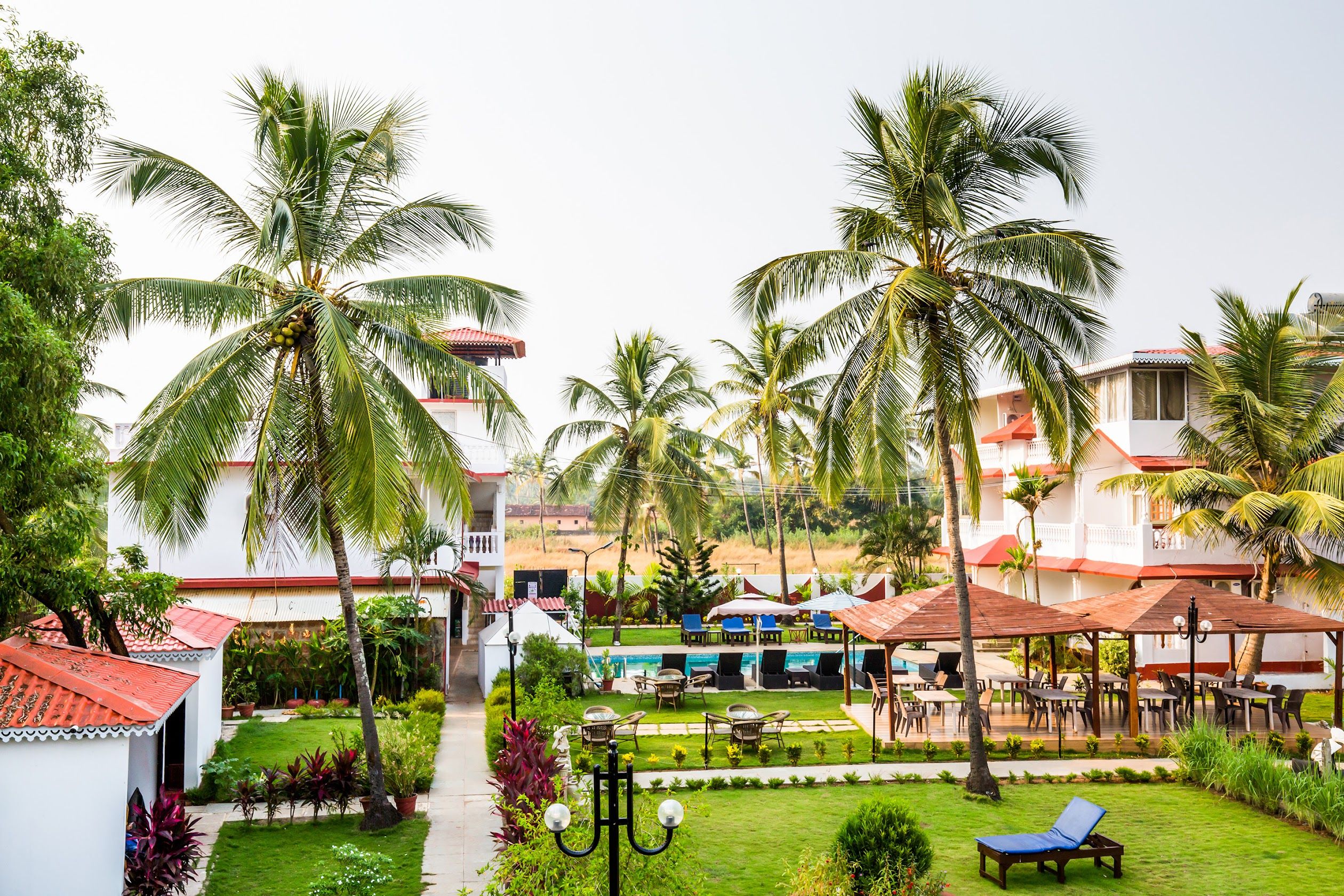
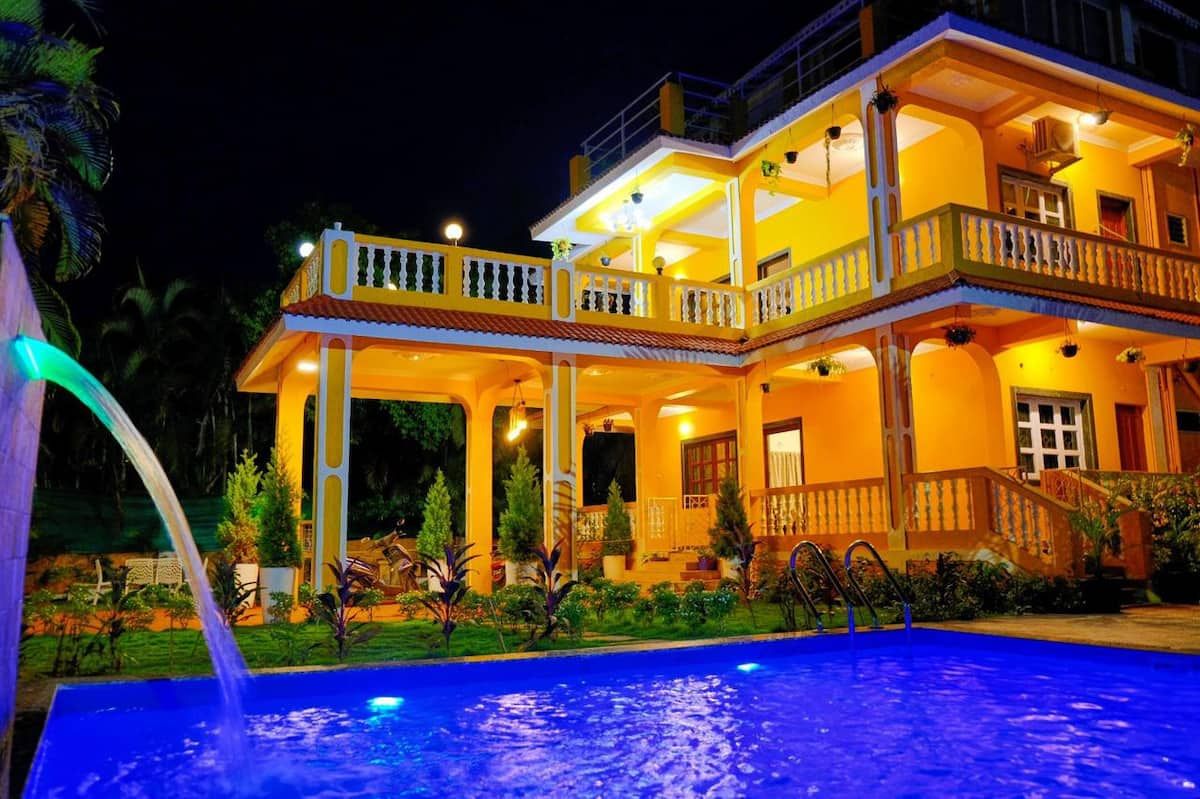
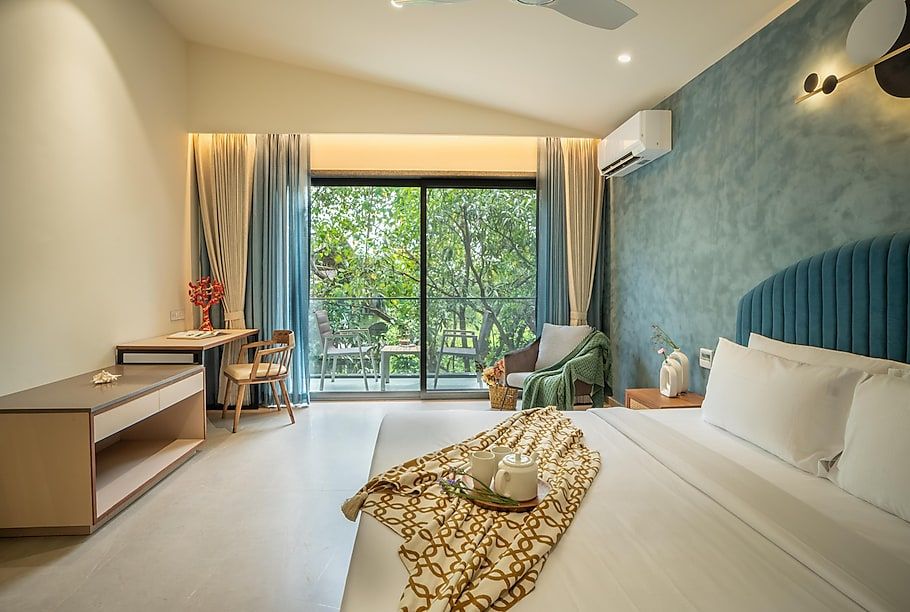
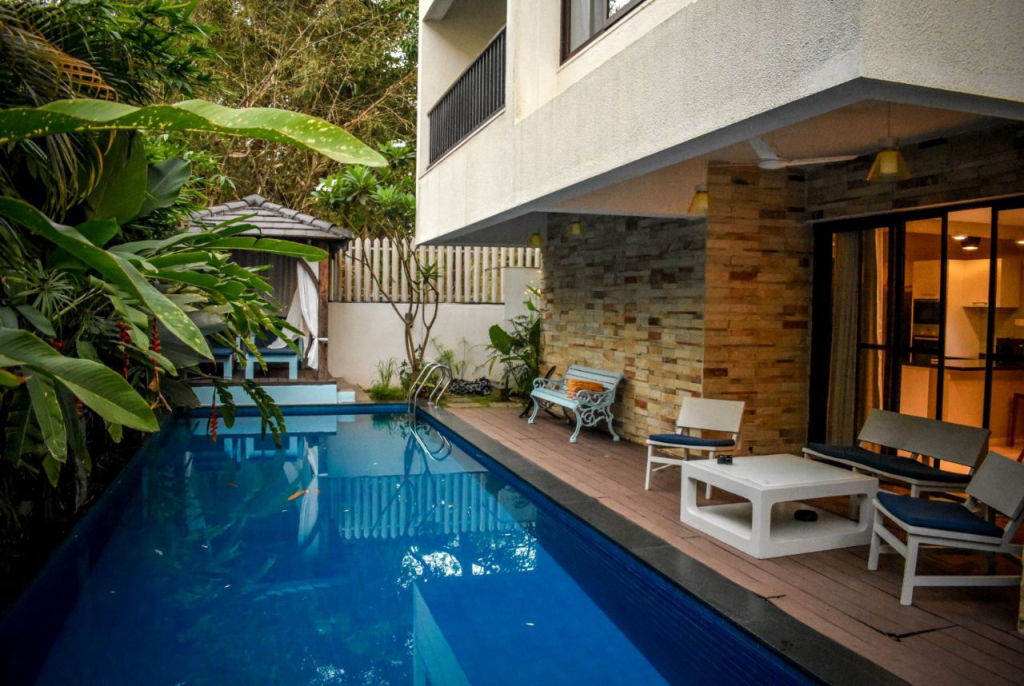
Stays near Morjim Turtle Nesting Site
Book a place to stay close by



More places near Morjim Turtle Nesting Site
Within 20 km
Built from 0 Instagram posts by 0 creators. Every tip links back to the post it came from, and where creators disagree we show both sides.






