
Nag Tibba
Peak near Chamba, Uttarakhand
1.4 km from Chamba
The nearest town, for stays, food and fuel.
Nag Tibba, or the Serpent's Peak, is the highest ridge in the lower Himalayas of the Garhwal region in Uttarakhand. Situated within Tehri Garhwal district and easily accessible from Dehradun, it offers panoramic vistas of prominent Himalayan peaks framed by oak and rhododendron woodlands. Trekkers and campers flock here year-round to experience an accessible mountain ascent that delivers expansive ridgeline views without demanding technical mountaineering skills.
Getting there
By road
- From ChambaNearest town2 min · 1.8 km
- From Dehradun1 hr 55 min · 83 km
- From New Delhi5 hr 30 min · 311 km
- From Chandigarh5 hr 45 min · 271 km
Typical drive times without traffic. Stations and airports from OLA Maps; distances and typical drive times from OpenStreetMap (© OpenStreetMap contributors); notes from creators' Reels.
About Nag Tibba
Written with AI from map data and general knowledge. Check prices and timings locally before you go.
Understanding the landscape of Nag Tibba
Rising to an altitude of roughly 3,022 metres, Nag Tibba stands as the prominent crown of the Nag Tibba range in the lesser Himalayas. The peak is steeped in local folklore and takes its name from the local deity, Nag Devta or the snake god, revered by regional pastoralist communities who have grazed their livestock on these slopes for generations. A small open shrine dedicated to the deity sits near the base of the summit, where villagers continue to offer prayers for the safety of their herds.
The mountain's geographic position creates a natural vantage point that looks out across the vast Garhwal divide. From the summit ridge, the eye travels across a breathtaking panorama of snow-laden giants including Bandarpoonch, Kalanag, the Gangotri cluster, Kedarnath, and the Doon valley sprawling below. The changing topography transforms quickly from open terrace fields and stony paths into dense canopies of ban oak, buransh rhododendron, and deodar trees, making the trek aesthetically diverse across every altitude band.
The trail to Nag Tibba summit
The standard route to Nag Tibba begins in the quiet agricultural village of Pantwari, reached by driving past the hill settlements of the Tehri region. The initial stretch leads uphill through stone-walled mountain homesteads, small water channels, and cultivated fields before entering wild scrub and rocky hillside paths. While steady and steep at moments, the gradient is forgiving and well-suited for novice trekkers and weekend adventurers.
As you climb higher, the trail plunges into enchanting oak and rhododendron forests that provide cooling shade. The intermediate clearing, widely used as the Nag Tibba base camp, opens up to gentle grassy slopes where travellers often rest before pushing towards the crest. The final push to the summit takes you past the Nag Devta temple and climbs along a scenic ridgeline. At the highest point, marked by a rustic stone pillar and prayer flags, the forest clears completely to present uninterrupted views of the Greater Himalayas.
Read more
Best time to visit Nag Tibba
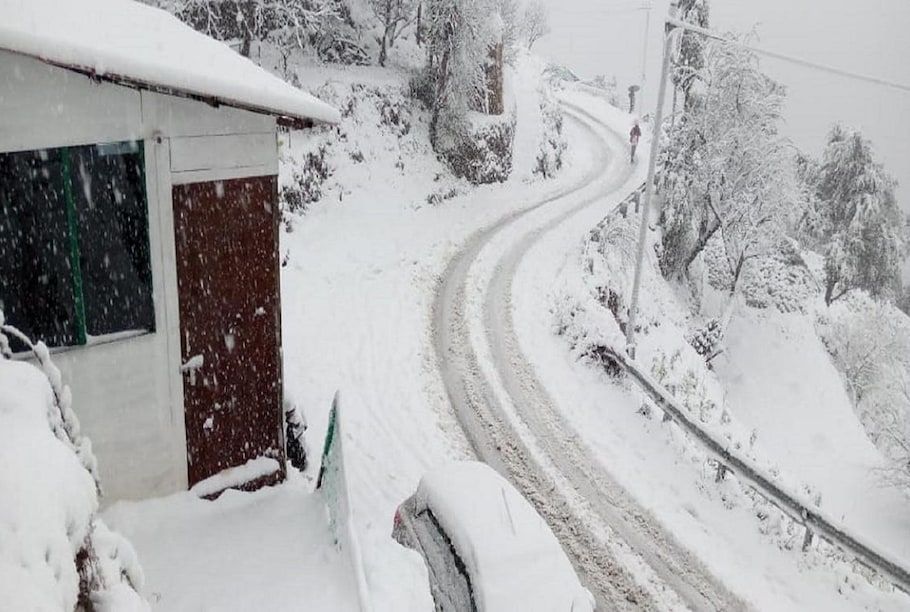
Nag Tibba is one of the few Himalayan peaks that can be visited across almost all four seasons, with each period offering a noticeably distinct personality. The winter months from December to February draw winter trekking enthusiasts looking for snow. During this time, the forest trails and the summit ridge often sit under a thick white mantle, providing a quintessential winter wonderland experience within easy reach of north Indian cities.
Spring, spanning March and April, brings warming temperatures and the vibrant blooming of wild rhododendrons, which paint the slopes in vivid crimson and pink hues. Summer offers cool alpine relief from the plains, accompanied by lush forest undergrowth and long daylight hours. Autumn, particularly October and November, is celebrated for crystal-clear blue skies, crisp mountain air, and the sharpest panoramic views of the distant high peaks. The monsoon months of July and August bring dense mists and heavy rainfall, requiring extra caution on muddy paths.
How to reach Nag Tibba
Travellers heading towards Nag Tibba typically begin their journey from Dehradun, which serves as the primary transit hub with strong rail, road, and air connections via the Jolly Grant Airport. From Dehradun, the drive winds uphill past Mussoorie, Nainbagh, and into the scenic mountainous backroads of Tehri Garhwal before reaching the traditional trailhead village of Pantwari.
The mountain roads pass through deep river valleys and terraced hillsides. It is best to arrange private or shared mountain taxis from major transit hubs early in the morning to arrive at the trailhead with ample daylight. Because road conditions can vary according to seasonal weather, travellers should verify local road statuses in advance, particularly after heavy winter snowfalls or summer showers.
Tips for planning your trek
While Nag Tibba is approachable, it remains a high-altitude Himalayan ridge that demands proper preparation and sensible gear. Weather in the mountains can shift rapidly; sunny afternoons can quickly give way to chilly winds or freezing night temperatures, especially during winter and early spring. Dressing in adaptable layers, including a thermal base layer, an insulating fleece, and a windproof jacket, is essential for staying warm.
Sturdy trekking shoes with dependable ankle support and grip are vital for navigating rocky paths and loose scree. During winter months, microspikes or gaiters may be required to walk safely through snow drifts. There are limited natural water sources along the higher reaches of the ridge, so carry sufficient reusable water bottles and hydration packs. Always follow leave-no-trace guidelines by packing out all non-biodegradable waste, keeping the trails and alpine meadows clean.
Places to explore around the region
A journey to Nag Tibba can easily be paired with visits to scenic destinations in the surrounding foothills. Closer to the base of the mountains, the historic colonial settlement of Landour offers serene walking lanes lined with deodar forests, heritage estates, and relaxed dining at places like the Landour Bakehouse. The nearby tourist hubs of Mussoorie and the viewpoint at Dalai Hills present sweeping valley panoramas without the rigours of a backcountry hike.
Lower down near Dehradun, visitors can spend time exploring the bubbling natural springs of Sahastradhara, the limestone river formation at Gucchupani Robbers' Cave, or the tranquil environs around Maldevta Road and the Mindrolling Monastery. For those continuing their travels east towards Rishikesh, the evening Ganga Aarti at Triveni Ghat offers a deeply cultural conclusion to an outdoor expedition.
Where to stay near Nag Tibba
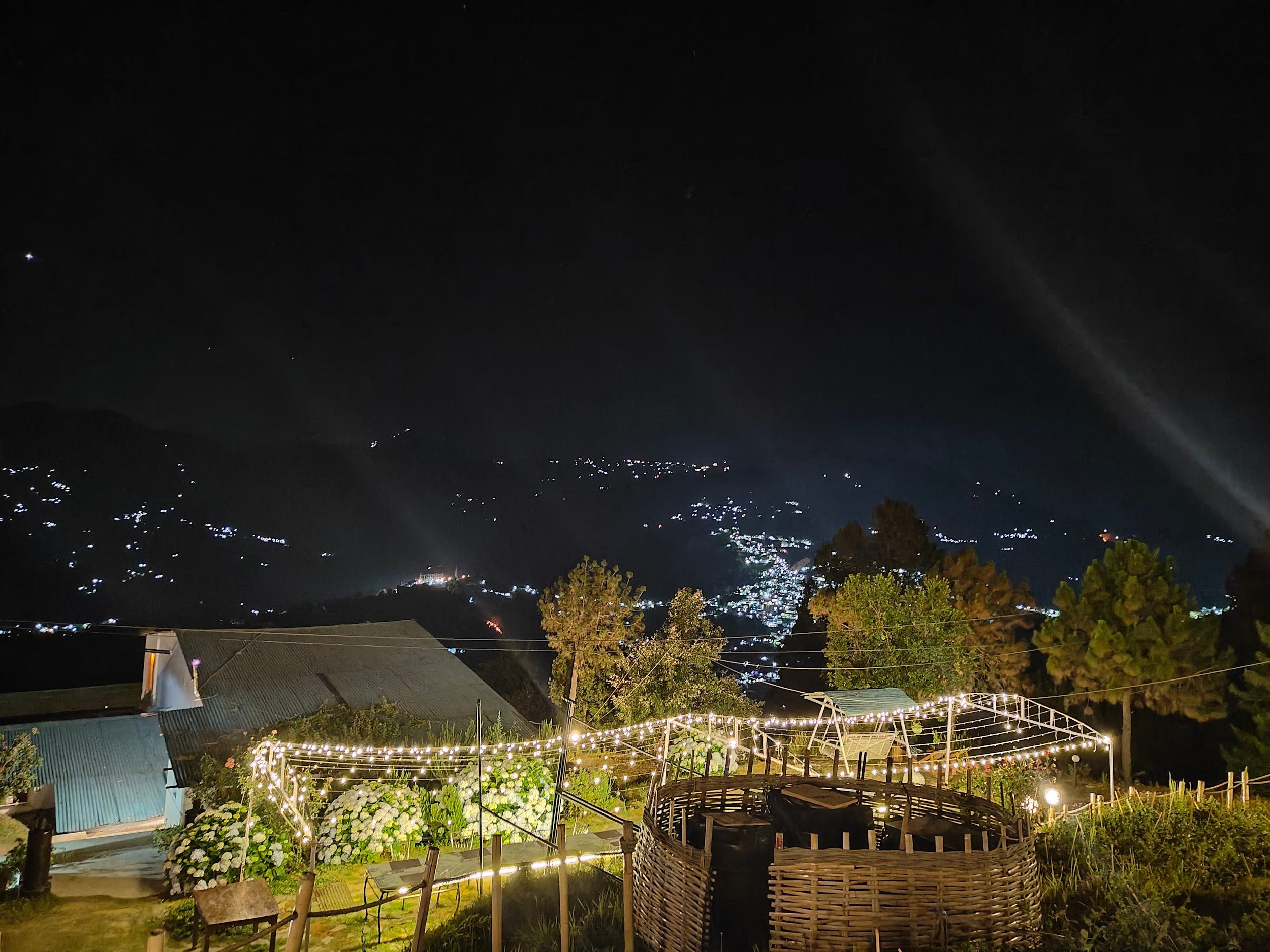
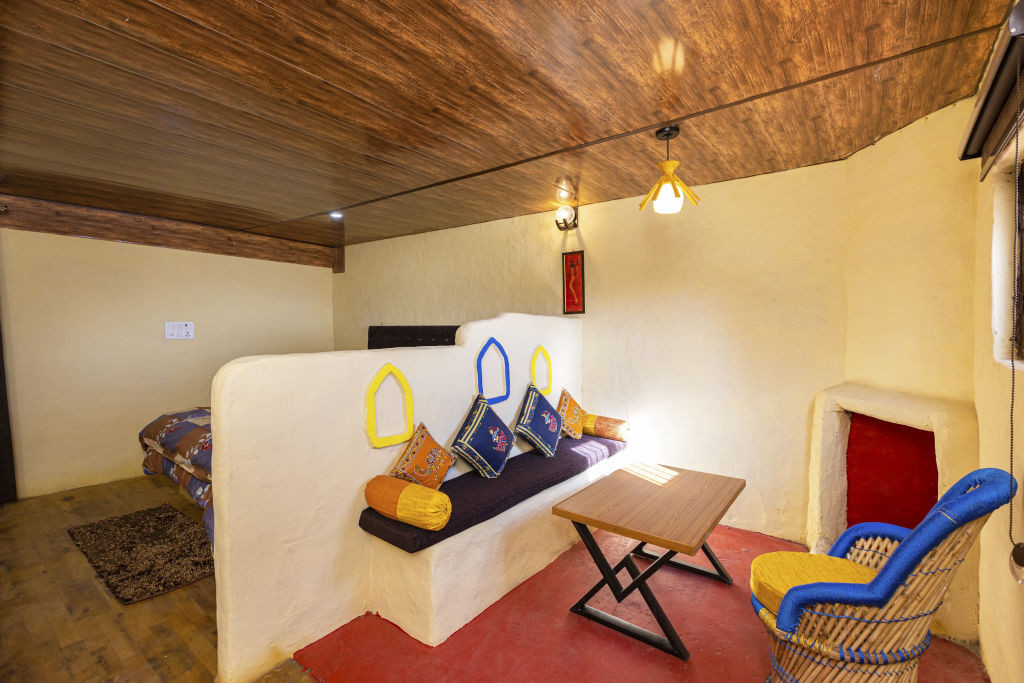
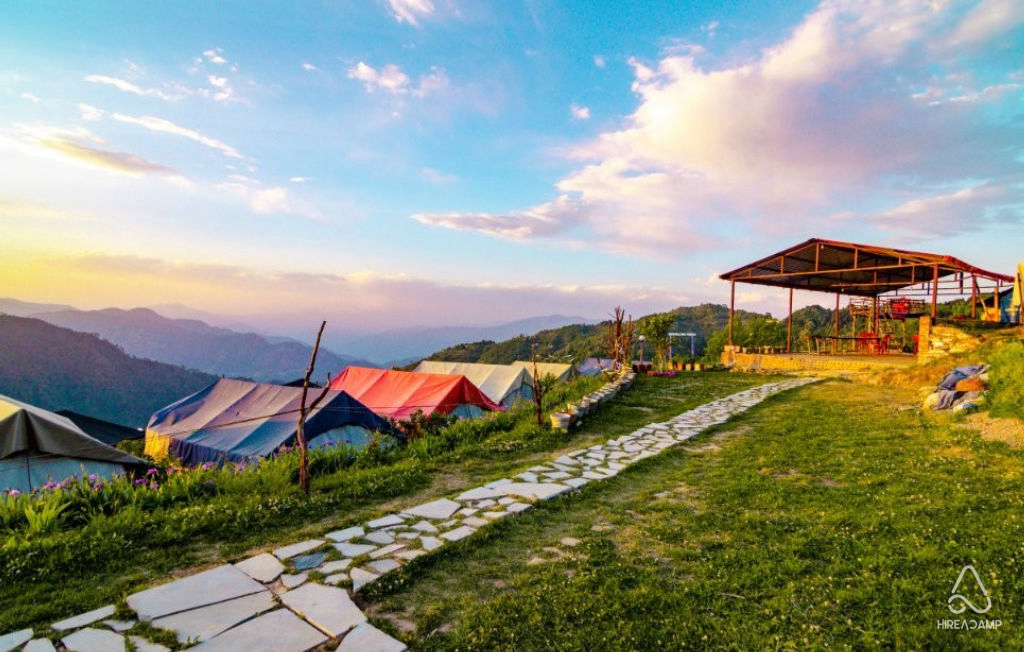
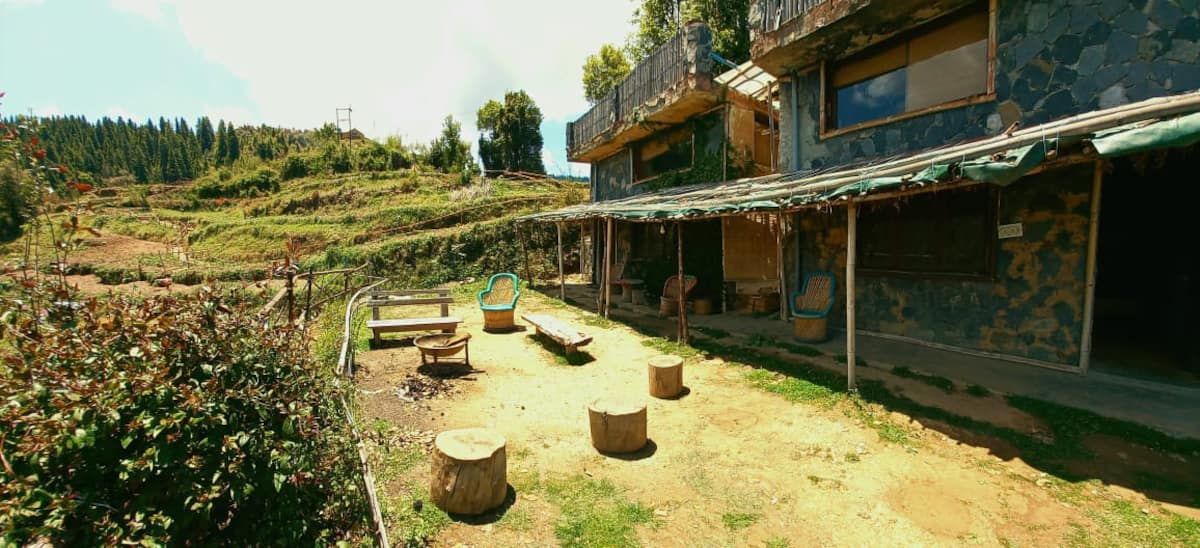
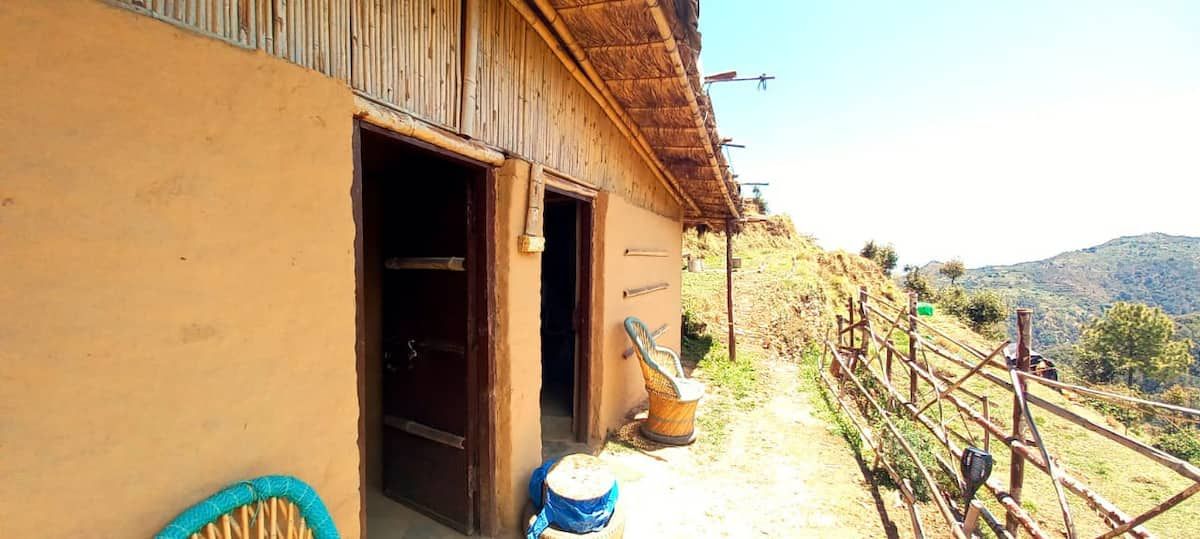
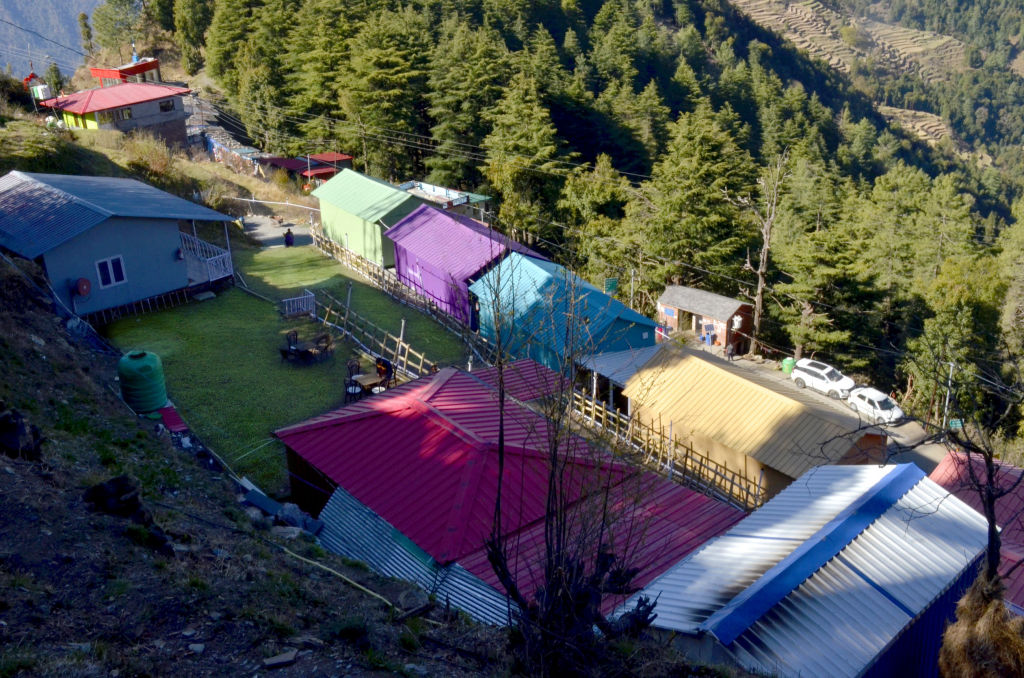
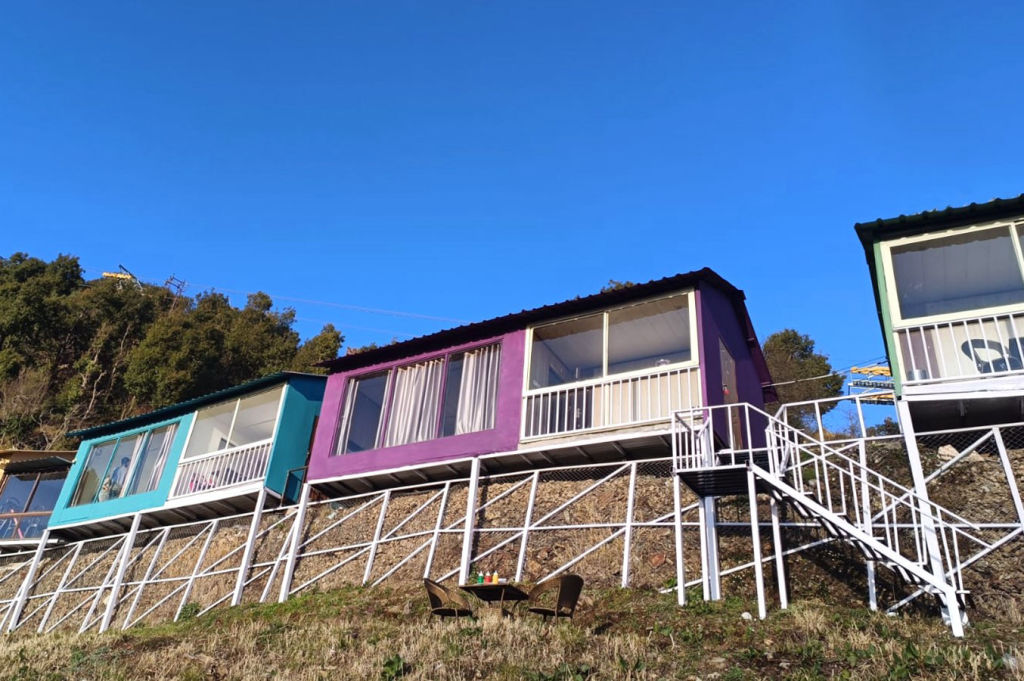
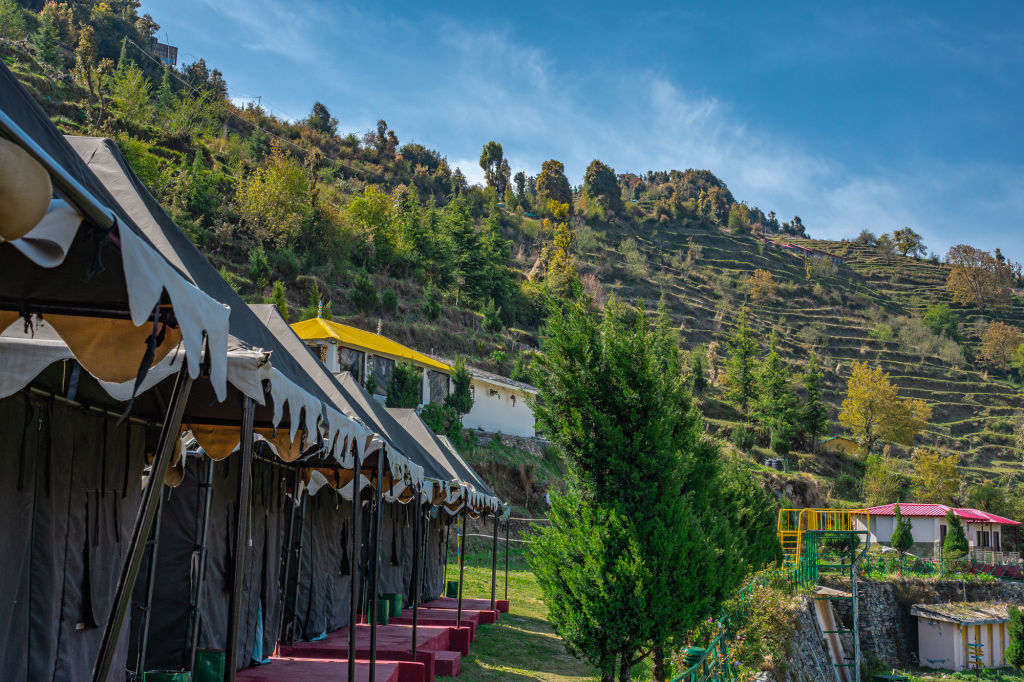
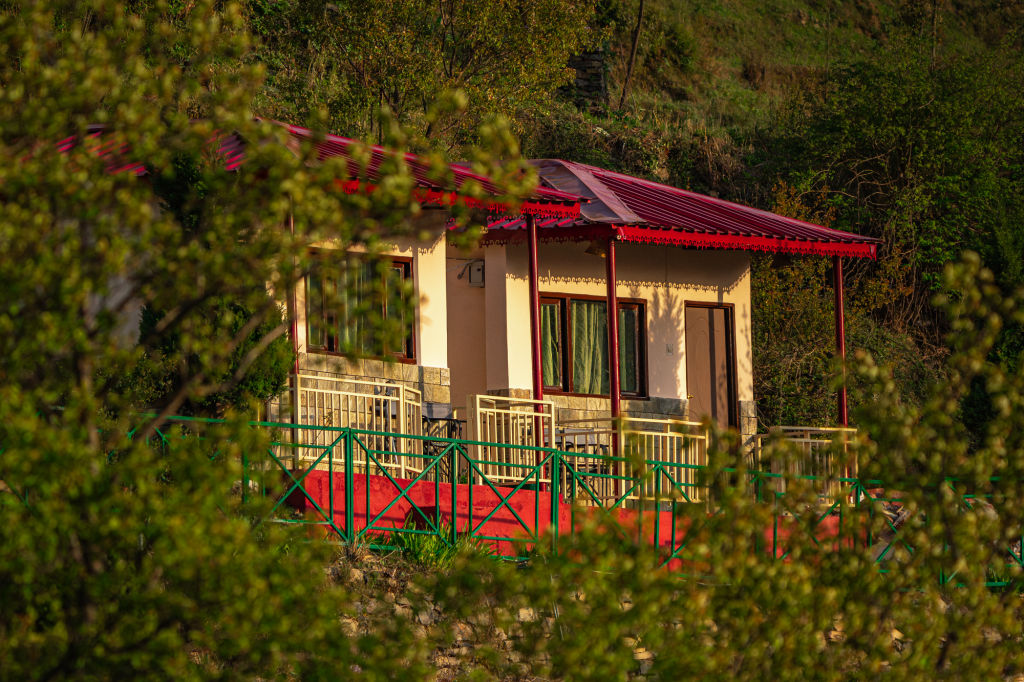
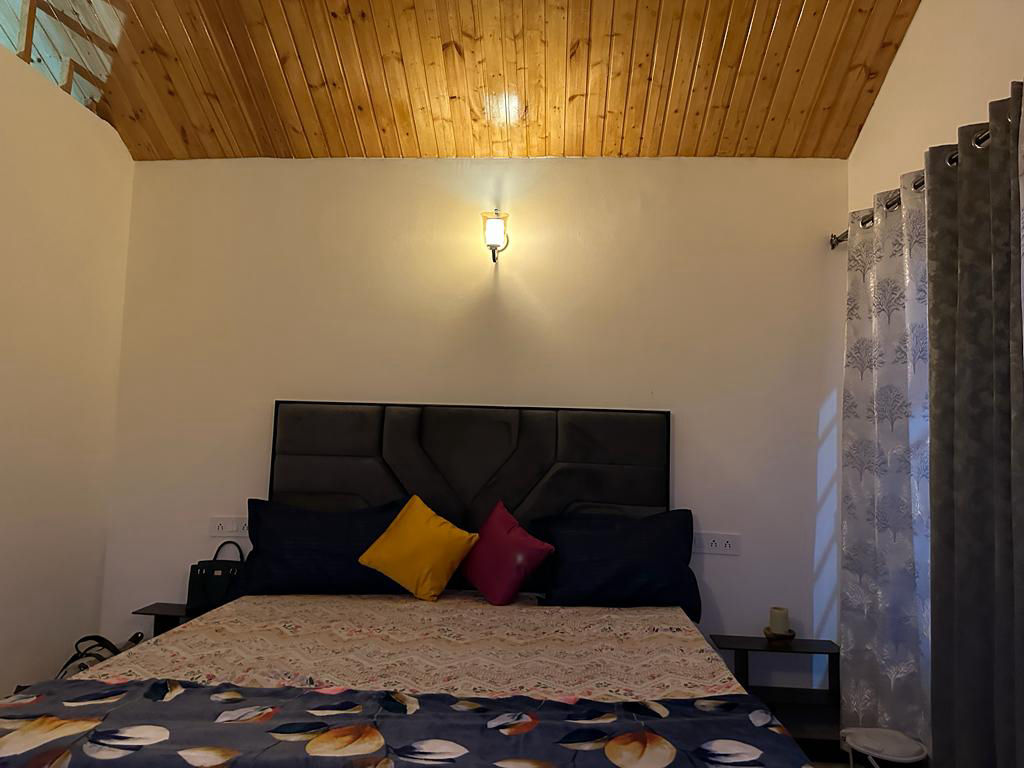
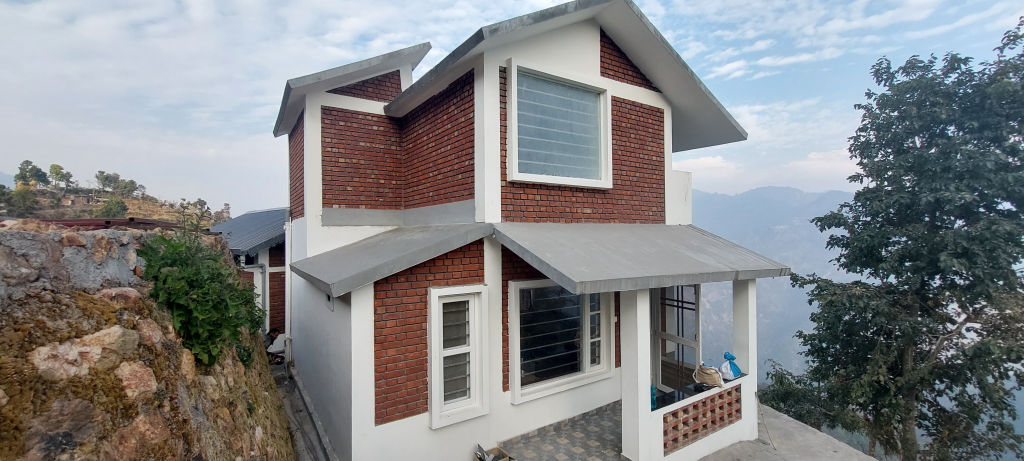
Accommodations around Nag Tibba cater to lovers of open skies and mountain hospitality. Many trekkers opt for wilderness camping on the designated clearings near the base camp, spending the night under expansive starry skies before an early summit push. For those who prefer solid walls, the lower villages near the trailhead feature quiet rural homestays and guesthouses run by welcoming Garhwali families.
Whether you are searching for scenic alpine campsites pitched on lush meadows, village homestays steeped in local traditions, or peaceful hillside retreats nestled in the nearby valleys, a wide collection of stays can be discovered and booked on HireACamp to suit your travel style.
Frequently asked questions
Is the Nag Tibba trek suitable for beginners?
Yes, Nag Tibba is considered one of the best Himalayan treks for beginners and families with basic physical fitness. The trail has a gradual gradient and can comfortably be completed over a weekend.
Does it snow at Nag Tibba during the winter?
Yes, Nag Tibba regularly experiences snowfall from late December through February. It is widely recognised as an accessible winter snow-trekking destination in Uttarakhand.
Where does the trek to Nag Tibba start?
The most common and established route to Nag Tibba starts from Pantwari village, which is reached by road via Nainbagh from Dehradun or Mussoorie.
What Himalayan peaks can be seen from the Nag Tibba summit?
On clear days, the summit offers panoramic views of the Garhwal range, including Bandarpoonch, Swargarohini, Kalanag, Kedarnath, and the Gangotri group of peaks.
Are there water sources available along the Nag Tibba trail?
Water sources on the mountain are limited and can freeze or run thin depending on the season. It is advisable to carry adequate water from the base village and check local advice before climbing.
Where you'll be
Uttarakhand · 12 stays nearby shown with prices
Stays near Nag Tibba
Book a place to stay close by
More places near Nag Tibba
Within 20 km


Lists for this area
Ranked by how many creators recommend each place


Built from 0 Instagram posts by 0 creators. Every tip links back to the post it came from, and where creators disagree we show both sides.






