
Nalknad Palace
Palace near Kakkabe
2.6 km from Kakkabe
The nearest town, for stays, food and fuel.
Nalknad Palace is a historic royal lodge constructed in the late eighteenth century, set amidst the rolling greenery and coffee estates near Kakkabe in Kodagu, Karnataka. It served as a secluded refuge for the rulers of the Haleri dynasty during periods of war and conflict before the British annexation of the region. Today, visitors travel here to admire its regional wooden architecture, quiet countryside setting, and proximity to the trekking routes of Tadiandamol Peak.
Getting there
By road
- From KakkabeNearest town9 min · 4.2 km
- From Mysuru3 hr 10 min · 132 km
- From Mangaluru3 hr 30 min · 162 km
- From Bengaluru5 hr 25 min · 278 km
Typical drive times without traffic. Stations and airports from OLA Maps; distances and typical drive times from OpenStreetMap (© OpenStreetMap contributors); notes from creators' Reels.
About Nalknad Palace
Written with AI from map data and general knowledge. Check prices and timings locally before you go.
History and significance of Nalknad Palace
Nalknad Palace holds a distinct place in the history of Kodagu. Built between 1792 and 1794 by Dodda Virarajendra, the ruler of Haleri, the structure was envisioned primarily as a protected forest retreat rather than an ostentatious royal seat. After escaping captivity by the forces of Tipu Sultan, Dodda Virarajendra sought a safe location deep within the forested foothills of the Western Ghats to coordinate his military operations and conduct court affairs without exposing himself to easy ambush.
Decades later, in 1834, the palace witnessed the closing chapter of the Haleri dynasty. Chikka Veerarajendra, the final king of Kodagu, retreated to Nalknad Palace before eventually surrendering to the British army, leading to the formal British takeover of the kingdom. Because of its quiet and strategic location, the palace remains one of the few surviving secular monuments from this turbulent era of Kodagu's history, preserving the memories of local sovereignty.
Architecture and design of Nalknad Palace
Unlike the sprawling stone complexes common in northern and central India, Nalknad Palace reflects the vernacular building traditions of the malnad and coastal belts. The palace is a two-storeyed building built with stone, lime plaster, and an abundance of heavy timber. It features a sloping roof covered in clay tiles, designed to withstand the relentless downpours of the monsoon season.
The interiors include a central courtyard, a small durbar hall, and private royal chambers. Slender carved wooden pillars support the verandas, showing fine craftsmanship from regional artisans. Traces of historical murals and decorative plasterwork can still be seen on certain interior walls and ceilings, depicting floral motifs and traditional patterns. The building feels understated and functional, emphasizing shelter, ventilation, and security over grand ornamentation.
Read more
Best time to visit Nalknad Palace
The palace is open to visitors throughout the year, but the post-monsoon and winter months from October to March offer the most pleasant climate. During this period, the surrounding forests and coffee plantations are lush and green, while daytime temperatures remain mild and comfortable for walking around the grounds.
The monsoon months between June and September transform the region into a vibrant, rain-swept landscape with heavy mist and surging mountain streams. While the atmosphere is dramatic, heavy rainfall can make rural roads slippery, and walking through the vegetation requires caution due to leeches. The summer months from March to May bring slightly warmer afternoons, though the area remains noticeably cooler than the lowlands and plains of Karnataka.
How to reach Nalknad Palace
Nalknad Palace is situated along Nalknad Palace Road near the small town of Kakkabe in Kodagu district. It lies roughly equidistant from Madikeri and Virajpet, both of which serve as the main transit hubs for the sub-district.
Travelers arriving by car or private taxi can take the state highways connecting Madikeri or Virajpet to Kakkabe, branching off onto the narrow rural road that leads directly toward the palace. The approach passes through winding rural lanes lined with shaded coffee plantations and tall silver oak trees. The closest railway hubs are in Mysuru and Hassan, while the nearest domestic and international airports are located at Kannur, Mangalore, and Bengaluru. Public buses run periodically between major Kodagu towns and Kakkabe, from where local auto-rickshaws can be hired.
Things to do around Nalknad Palace
A visit to Nalknad Palace can easily be combined with other outdoor and cultural excursions in the Kakkabe valley. The trailhead for Tadiandamol Peak, the highest mountain summit in Kodagu, lies just a short distance past the palace. Trekkers frequently combine an early-morning summit hike with a stop at Nalknad Palace to break up their journey.
Those interested in local heritage can visit the historic Padi Sri Subraya Temple located nearby, an important sacred site revered by the Kodava community. The quiet country roads around Kakkabe are also ideal for birdwatching, gentle nature walks, and exploring the flora of mixed coffee, pepper, and cardamom plantations that characterize the surrounding hills.
Tips for visiting Nalknad Palace
The palace is a protected heritage structure, so visitors are expected to maintain decorum and avoid touching or defacing historic murals, wooden pillars, or walls. Because local operating schedules and access rules can change according to state conservation work or weather conditions, it is wise to verify visiting hours locally in Kakkabe before setting out.
Carry drinking water and wear sturdy walking shoes, as the paths around the compound and nearby viewpoints are uneven. If you plan to visit during or immediately after the rainy season, carry leech repellent or salt and check your shoes regularly when walking near grass and damp earth.
Where to stay near Nalknad Palace
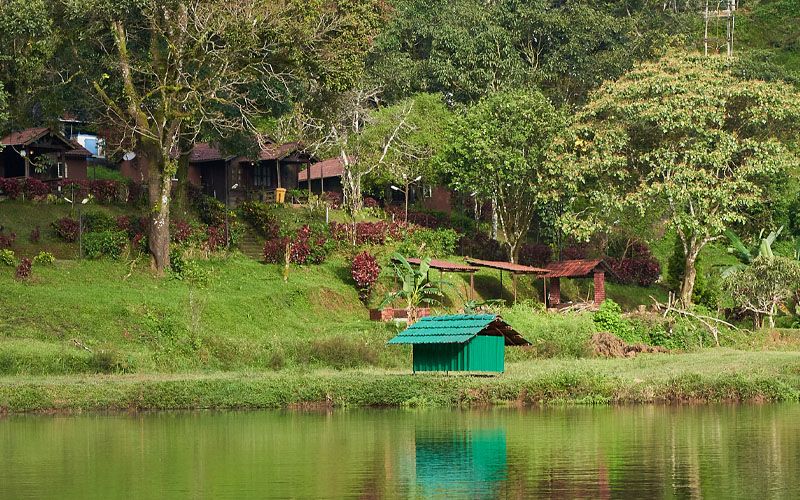
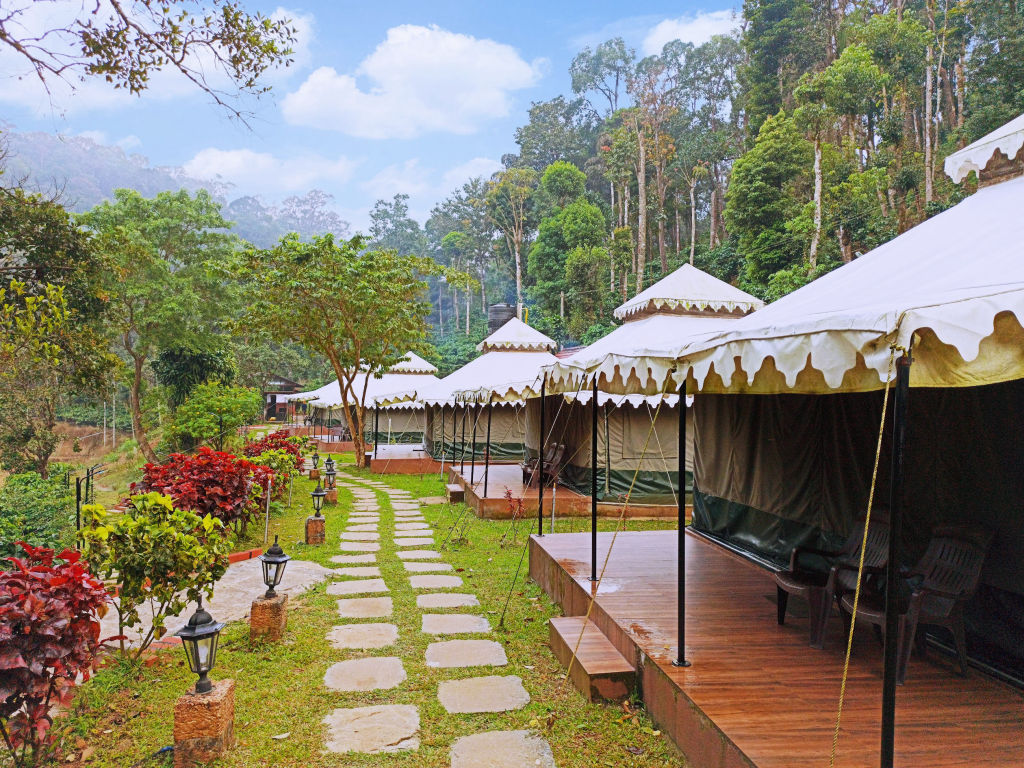
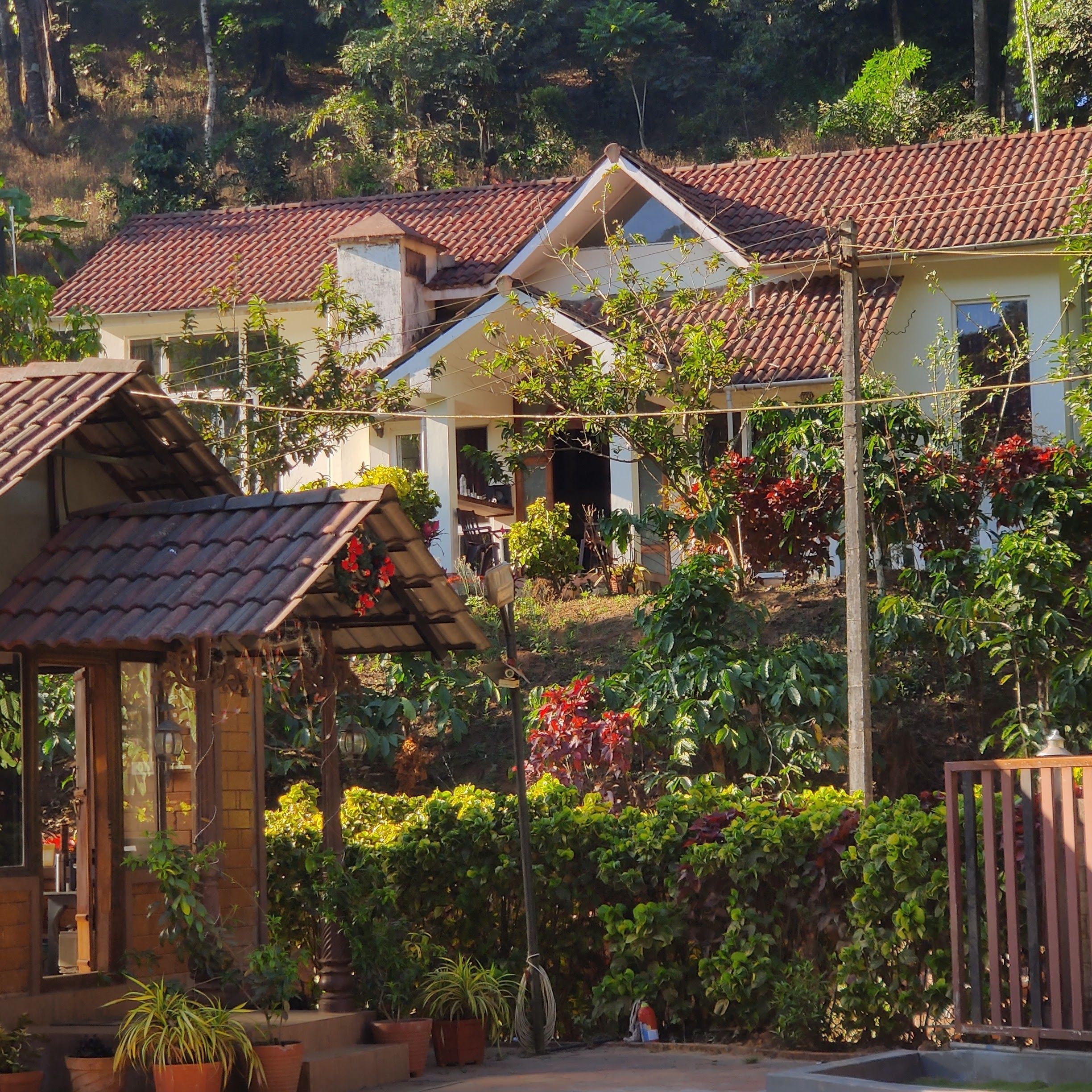
The area surrounding Kakkabe and the base of Tadiandamol is known for its peaceful rural environment, far removed from busy town centers. Staying close to the palace allows you to experience cool mountain mornings and easy access to both trekking routes and heritage sites.
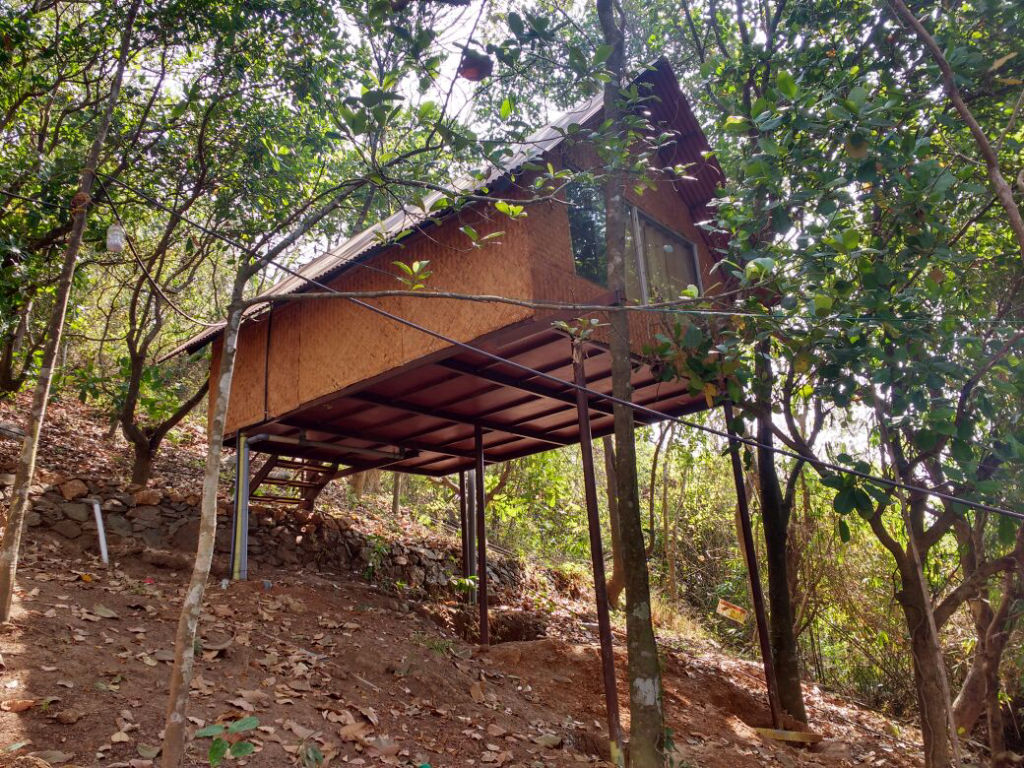
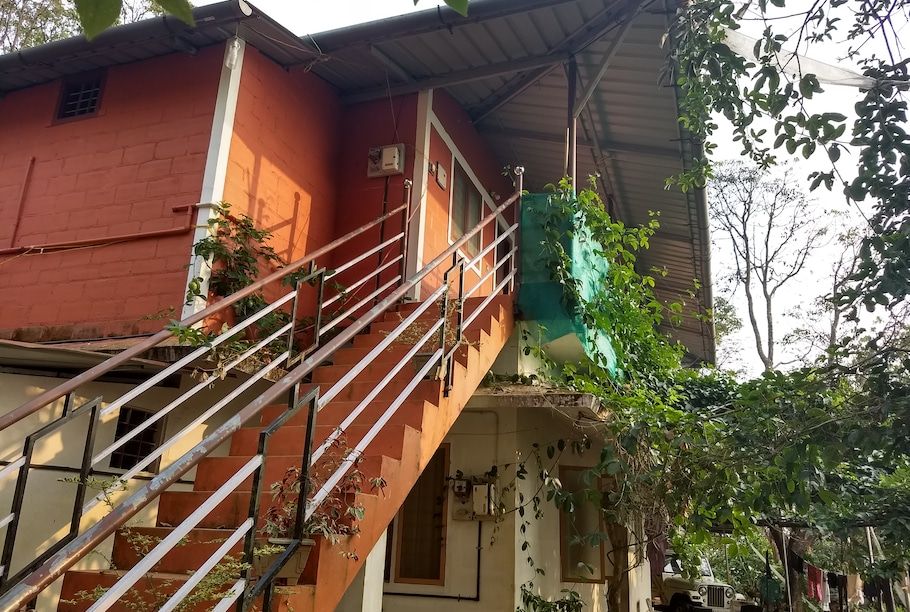
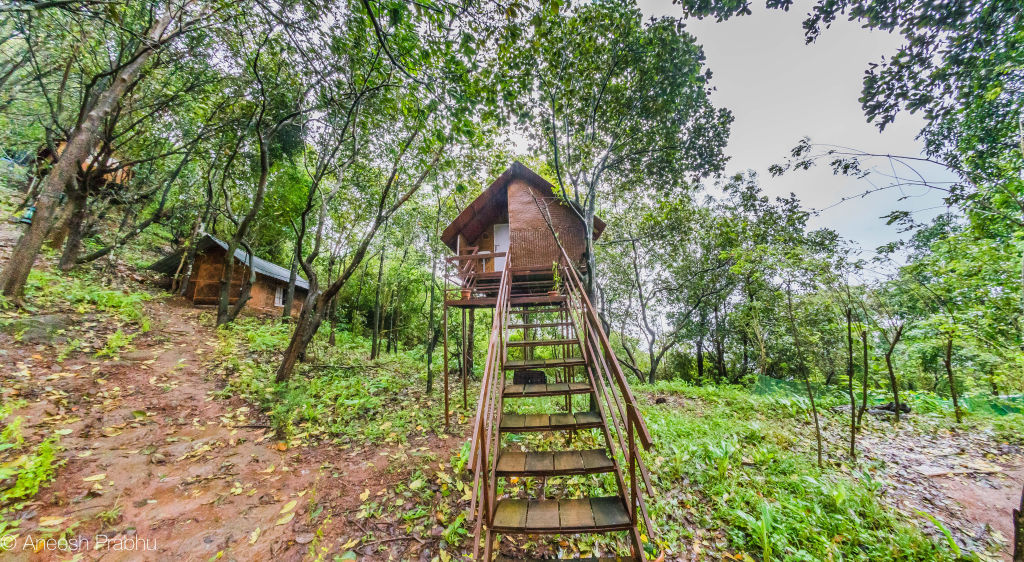
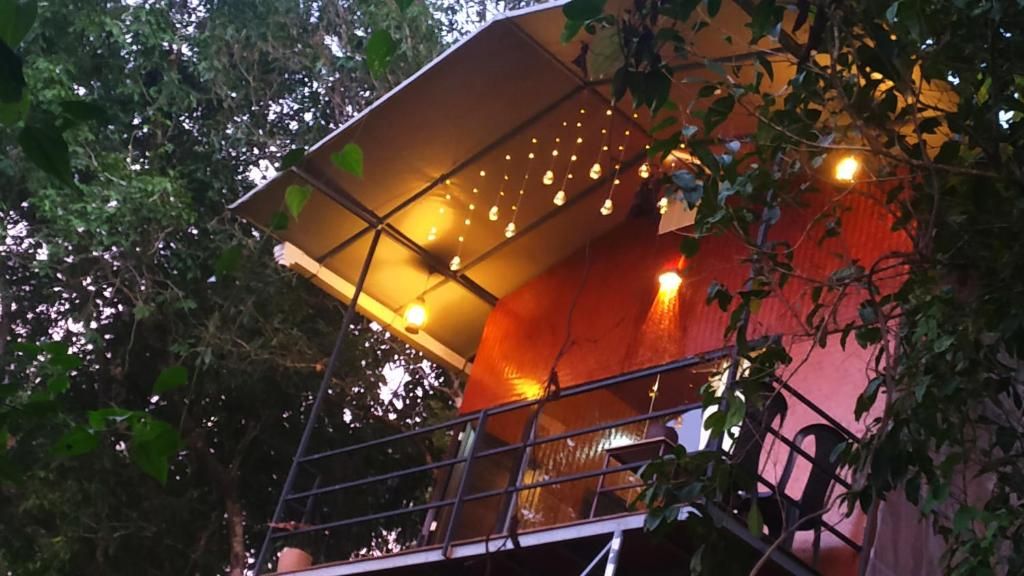
Travelers can find comfortable plantation homestays, rustic nature camps, and serene hillside cottages in and around Kakkabe on HireACamp. Booking in advance is recommended, particularly on holiday weekends and during the prime winter trekking season.
Frequently asked questions
Who constructed Nalknad Palace?
Nalknad Palace was built between 1792 and 1794 by Dodda Virarajendra, a king of the Haleri dynasty of Kodagu, to serve as a secure forest refuge during his military struggles.
Can I visit Nalknad Palace on the way to Tadiandamol Peak?
Yes, Nalknad Palace lies very close to the base approach for the Tadiandamol trek, making it easy to visit both on the same day.
How much time is required to see the palace?
Most visitors spend between forty-five minutes to an hour exploring the interior rooms, reading historical information, and walking around the grounds.
Are there food options at Nalknad Palace?
There are no major dining facilities at the palace itself, but small local tea shops and eateries can be found along the road and in nearby Kakkabe village.
Where you'll be
Nalknad Palace Rd, Madikeri Sub-District, KA · 7 stays nearby shown with prices
Stays near Nalknad Palace
Book a place to stay close by
More places near Nalknad Palace
Within 20 km

Built from 0 Instagram posts by 0 creators. Every tip links back to the post it came from, and where creators disagree we show both sides.






