
Nilambur
Destination in Kerala
Nilambur is a scenic town situated on the banks of the Chaliyar River in the Malappuram district of Kerala, nestled along the base of the Western Ghats. Renowned globally for its expansive teak plantations and verdant rainforests, the town offers a quiet retreat deeply rooted in forestry heritage and biodiversity. Travellers visit Nilambur to explore ancient teak woodlands, walk beneath dense rainforest canopies, and discover untamed landscapes that transition steadily into the Nilgiri hills.
Getting there
By road
- From Mysuru3 hr 25 min · 157 km
- From Coimbatore3 hr 30 min · 141 km
- From Kochi4 hr 30 min · 188 km
- From Bengaluru5 hr 35 min · 302 km
Typical drive times without traffic. Stations and airports from OLA Maps; distances and typical drive times from OpenStreetMap (© OpenStreetMap contributors); notes from creators' Reels.
About Nilambur
Written with AI from map data and general knowledge. Check prices and timings locally before you go.
Understanding Nilambur and its heritage
Nilambur holds a unique place in the environmental and forestry history of India. Flanked by the towering ridges of the Western Ghats to its east, the town developed around the timber trade and forestry research during the nineteenth century. It is home to some of the oldest systematically planted teak trees in the world, nurtured by rich alluvial soils and heavy monsoon rains.
Beyond its reputation for timber, Nilambur has long been an ecological frontier. The town serves as a transitional zone between the coastal plains of northern Kerala and the high-altitude montane ecosystems of the Nilgiris. Rivers and mountain streams weave through the surrounding countryside, sustaining indigenous communities, dense wet evergreen forests, and rich farmland. For visitors, the town combines a slow, tranquil rhythm with immediate access to some of the most intact wilderness corridors in southern India.
Things to do in Nilambur
Exploring the town starts naturally with its forestry legacy. A visit to the Teak Museum provides insight into the history, botany, and cultural value of teak cultivation in the region. The museum compound includes informational exhibits, historical forestry artefacts, and landscaped nature trails that showcase diverse plant species.
Nature lovers can spend time at the Bioresources Nature Park, which preserves indigenous flora and offers peaceful walking pathways surrounded by shaded green pockets. A short drive away lies the Nedunkayam Rainforest, an expansive stretch of dense moist deciduous and semi-evergreen forest. Walking along the designated trails in Nedunkayam offers glimpses of clear jungle streams, vintage wooden architecture from the colonial era, and rich birdlife.
Water plays a central role in the local landscape. The Karimbuzha River and the Chaliyar River offer calm riverbanks where visitors can sit by the water, watch local life, and take in the cool breeze drifting down from the hills. Cultural explorers can also pay a visit to local heritage sites and places of worship, including the centuries-old Kotta Temple, which reflects traditional Kerala temple architecture and local community history.
Read more
Getaways and wildlife reserves nearby
Nilambur serves as an ideal base for exploring significant conservation areas across Kerala and the borderlands of Tamil Nadu. The adjoining New Amarambalam Wildlife Sanctuary forms an essential part of the Nilgiri Biosphere Reserve. This contiguous wilderness protects deep river valleys, steep escarpments, and rare flora and fauna, making it a critical habitat for elephants, tigers, and endemic birds of the Western Ghats.
Further south and east lie Karimpuzha National Park and Silent Valley National Park. Silent Valley preserves one of the last undisturbed tracts of South Western Ghats montane rain forests, famous for its population of lion-tailed macaques and pristine natural setting. Towards the high ranges, the slopes rise toward Mukurthi National Park and Nilgiri Peak, offering dramatic changes in climate, vegetation, and topography. For visitors interested in conservation and botany, the Genepool Eco Park offers educational experiences highlighting regional plant conservation.
Best time to visit Nilambur
The best time to visit Nilambur is from October to March when the weather is mild, pleasant, and well-suited for outdoor exploration. Post-monsoon, the rivers are full, the foliage is exceptionally vibrant, and daytime temperatures remain comfortable. During the winter months of December and January, early mornings can be delightfully cool and misty.
The monsoon season, extending from June through September, brings intense rainfall to Nilambur and the surrounding hills. While the landscape turns intensely green and waterfalls roar to life, heavy rain can occasionally lead to roadblocks and restrict forest trail access. The summer months from March to May can become hot and humid, though forest reserves and riverside locations remain cooler than the urban centres of the plains.
How to reach Nilambur
Nilambur is well connected by road and rail, making it easily accessible from major cities across Kerala and neighbouring states. The town has its own railway station, Nilambur Road, which sits at the terminus of a picturesque branch line connecting to Shoranur Junction. The train journey through this forested stretch is widely admired for its scenic surroundings.
By road, regular bus services and well-maintained state highways link Nilambur to Kozhikode, Manjeri, Palakkad, and Thrissur. It is also connected via scenic mountain passes leading upward into Wayanad and across to the Nilgiris district in Tamil Nadu. The nearest airport is Calicut International Airport in Karipur, situated approximately forty-five kilometres away, from where taxis and public buses can be easily arranged to complete the journey.
Where to stay in Nilambur
Nilambur offers varied accommodation choices suited to independent travellers, families, and outdoor enthusiasts. Options within the town include modest guesthouses and comfortable lodges close to transport hubs and local markets.
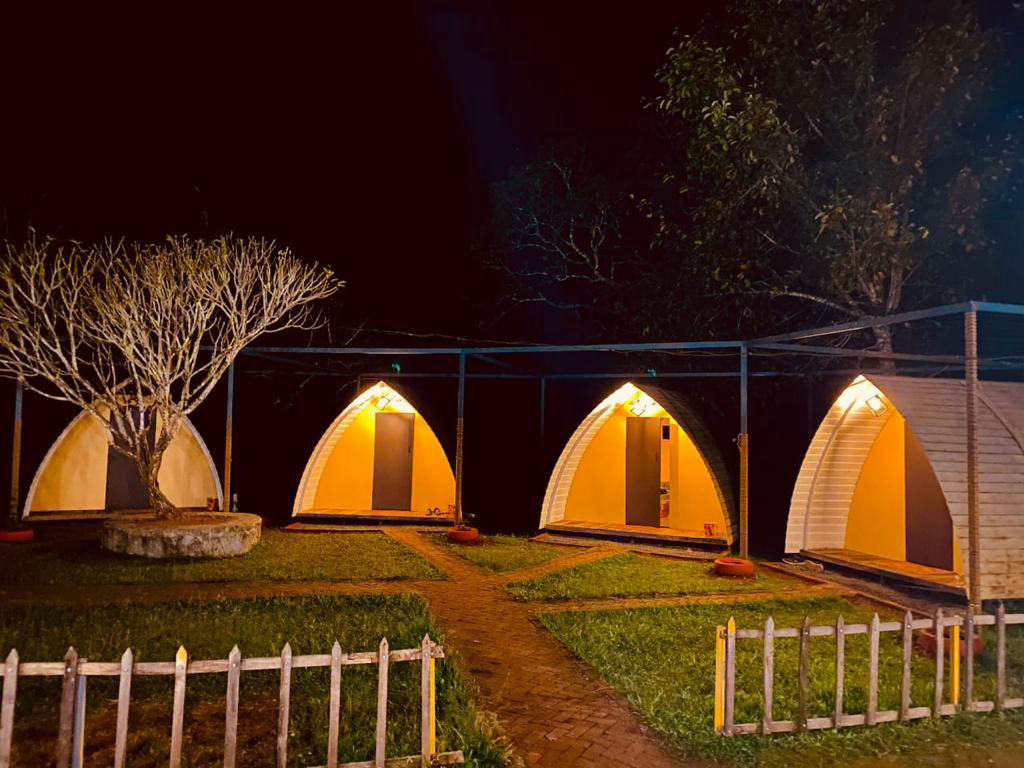
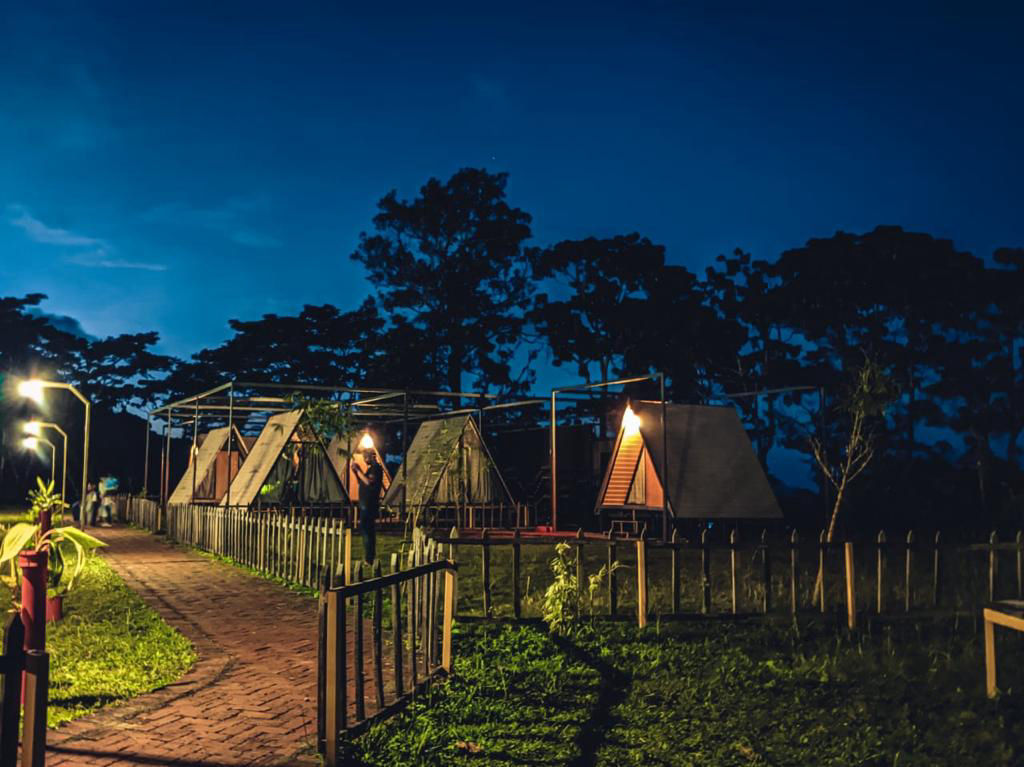
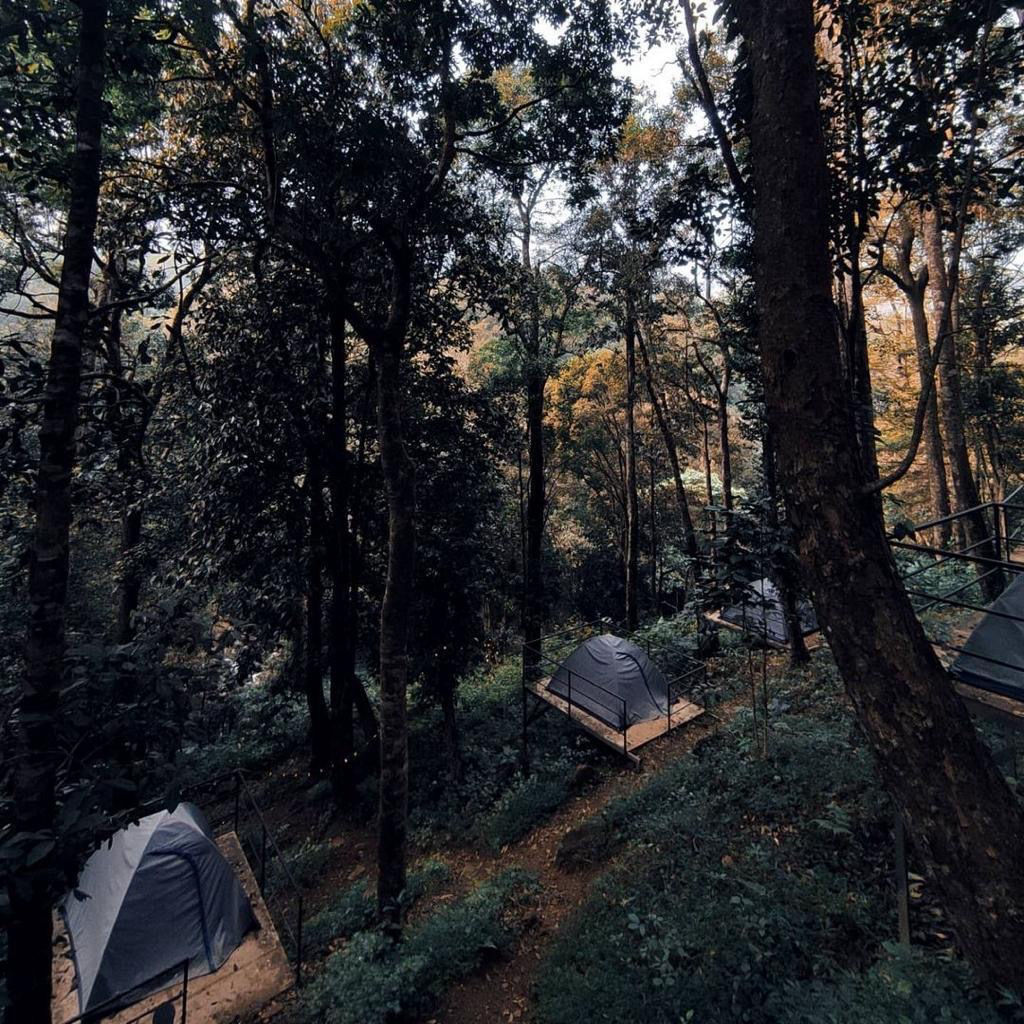
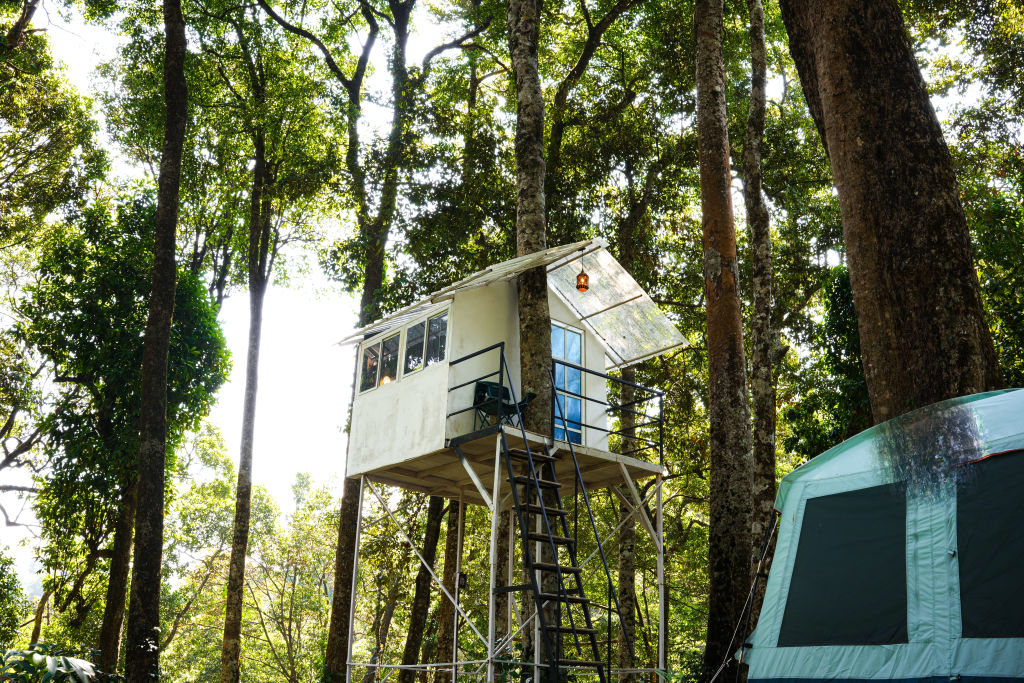
For travellers seeking a closer connection to nature, the outskirts of Nilambur and the fringes of the surrounding forests host charming plantation stays and rural retreats. Stays along quiet riverbanks or bordering teak estates allow guests to enjoy birdwatching, starry nights, and local Malabar cuisine. You can find camps, homestays, and outdoor stays around Nilambur on HireACamp to suit your travel style.
Tips for travellers visiting Nilambur
When planning your trip to Nilambur, remember that several forested areas and nature reserves require permissions or have designated timings. Forest department checkpoints manage access to sensitive ecosystems such as Nedunkayam, so it is best to check locally upon arrival for current entry protocols.
Carry lightweight cotton clothes for daytime travel and keep sturdy walking shoes ready if you plan on trekking or exploring nature parks. If visiting during or shortly after the monsoon months, pack dependable rain gear and insect repellent, as leeches are common in dense vegetation and wet paths. Always respect local wildlife, avoid littering inside forest tracts, and stay on marked paths when traversing wilderness areas.
Frequently asked questions
What is Nilambur famous for?
Nilambur is world-famous for its historic teak plantations, including the renowned Conolly Plot, as well as the Teak Museum, the Nedunkayam rainforest, and its scenic location along the Chaliyar River.
Is Nilambur connected by train?
Yes, Nilambur has its own railway station, Nilambur Road, which is connected to Shoranur Junction via one of Kerala's most picturesque rail routes.
Can I visit the rainforests around Nilambur?
Yes, areas like the Nedunkayam Rainforest can be visited, though some forest tracts require permits or have regulated visiting hours, so it is advisable to check locally before planning your excursion.
What is the best time of year to explore Nilambur?
The ideal time to visit is between October and March, when the post-monsoon weather is pleasant, the forests are lush, and outdoor activities are comfortable.
Which airport is closest to Nilambur?
Calicut International Airport at Karipur is the closest airport, located roughly forty-five kilometres from Nilambur.
Where you'll be
6 stays nearby shown with prices
Stays near Nilambur
Book a place to stay close by


Things to do in Nilambur
48 places creators recommend within 30 km


Built from 0 Instagram posts by 0 creators. Every tip links back to the post it came from, and where creators disagree we show both sides.






