
Teak Museum
Museum near Nilambur, Kerala
4.1 km from Nilambur
The nearest town, for stays, food and fuel.
The Teak Museum in Nilambur, Kerala, is a specialised institution dedicated to the history, cultivation, and ecological significance of teak wood. Situated along State Highway 28 at the foothills of the Western Ghats, it is maintained by the Kerala Forest Research Institute. Visitors travel here to explore its informative galleries, forestry heritage exhibits, and surrounding nature trails.
Getting there
By road
- From NilamburNearest town10 min · 4.7 km
- From Mysuru3 hr 20 min · 153 km
- From Coimbatore3 hr 40 min · 145 km
- From Kochi4 hr 40 min · 192 km
Typical drive times without traffic. Stations and airports from OLA Maps; distances and typical drive times from OpenStreetMap (© OpenStreetMap contributors); notes from creators' Reels.
About Teak Museum
Written with AI from map data and general knowledge. Check prices and timings locally before you go.
About the Teak Museum in Nilambur
The Teak Museum is located roughly four kilometres outside Nilambur town along State Highway 28, set within a sub-centre campus of the Kerala Forest Research Institute. Nilambur has long been celebrated across the subcontinent for its historic association with teak, dating back to early institutional forestry efforts in the nineteenth century. The museum was established to document and present this extensive relationship between human enterprise, scientific forestry, and natural teak ecosystems.
Housed in a spacious two-storey building, the museum serves as an educational and interpretive centre. It appeals equally to botanists, students, naturalists, and general travellers who want to understand how a single tree species shaped the socio-economic and ecological landscape of this region in northern Kerala. The campus itself is verdant and serene, framed by mature trees that give visitors an immediate sense of the forest canopy typical of the Nilambur valley.
Exhibits and Galleries Inside the Teak Museum
The museum's exhibits are structured systematically to walk visitors through the natural life cycle, historical trade, and technical uses of teak. Right at the entrance lobby, visitors are greeted by an extensive, intact root system of an ancient teak tree, which has been preserved and mounted to illustrate the subterranean anchorage and spread required to support such towering timber.
The ground floor galleries showcase the history of teak plantations in Malabar, early harvesting tools, traditional measuring instruments, and photographs from historical logging operations. Detailed relief models demonstrate how timber was traditionally transported downstream along local rivers to coastal ports. Informational panels explain the scientific characteristics of teak wood, including its natural oils, resistance to termites, grain patterns, and structural density.
On the upper floor, exhibits focus on the ecological dimensions of the tree. Here you will find displays on natural teak distribution across the tropics, seed germination, canopy biology, and the wildlife that depends on teak-dominated forests. Entomological cases display common insect pests, such as the teak defoliator and skeletonizer, alongside natural predators that keep them in check. Artistic carvings, furniture patterns, and cultural artefacts carved from teak round out the collection.
Read more
The Arboretum and Museum Grounds
Beyond the main exhibition hall, the Teak Museum campus extends into an outdoor learning space. A well-maintained arboretum features a wide collection of indigenous trees and medicinal plants native to the Western Ghats. Paved walking tracks wind beneath dense tree shade, offering a peaceful setting for an unhurried walk after touring the indoor galleries.
The campus grounds also encompass a butterfly garden designed with specific larval host and nectar plants to attract native insect species of the Nilgiri biosphere. Signboards placed along the outdoor trails offer botanical names and short ecological descriptions of key flora, making a walk through the grounds rewarding for plant enthusiasts and families alike.
Best Time to Visit Nilambur
Nilambur experiences a tropical climate influenced heavily by the southwest and northeast monsoons. The period from September to February is generally considered the most comfortable time to visit the Teak Museum. During these post-monsoon and winter months, the weather remains relatively pleasant, humidity drops, and the surrounding forests and botanical grounds are lush and green.
The monsoon months between June and August bring heavy, continuous rainfall across the Nilambur valley. While the rain transforms the entire landscape into vibrant shades of green and fills the nearby mountain streams, outdoor walks on the campus paths can be wet and slippery. The pre-monsoon summer months from March to May bring higher daytime temperatures and elevated humidity, so travellers visiting during this window are advised to explore the outdoor arboretum earlier in the morning.
How to Reach the Teak Museum
The Teak Museum is located directly along State Highway 28, making it easily accessible by private car, taxi, or local bus from Nilambur town. Nilambur itself is well linked to the rest of Kerala and neighbouring Tamil Nadu.
If travelling by rail, the nearest railhead is the Nilambur Road railway station, located roughly seven kilometres from the museum. The station connects to Shoranur Junction via a picturesque branch line that runs through wooded countryside. From the railway station, auto-rickshaws and local taxis are readily available to reach the museum.
For air travellers, Calicut International Airport at Karipur is the closest airport, situated approximately 45 kilometres away by road. Taxis can be hired at the airport for the drive to Nilambur. Those driving from Ooty, Gudalur, or Mysore can approach Nilambur through the scenic ghat roads of the Nilgiri slopes, joining State Highway 28 as they enter the plains of Malappuram district.
Places to Visit Around Nilambur
A visit to the Teak Museum can easily be combined with exploring the natural attractions of the broader Nilambur region. Just a short drive away lies Conolly's Plot, widely recognized as one of the earliest systematically planted teak plantations in the world, bordered by the Chaliyar River.
Nature enthusiasts can venture towards the protected forested tracts nearby. The New Amarambalam Wildlife Sanctuary and Karimpuzha National Park lie towards the eastern fringes of the district, preserving pristine evergreen tracts and unique wildlife corridors of the Western Ghats. Further into the Nilgiri hills, high-altitude landscapes like Silent Valley National Park, Mukurthi National Park, and Needle Rock View Point offer contrasting landscapes of montane grasslands, cloud forests, and broad valley vistas.
Where to Stay Near the Teak Museum
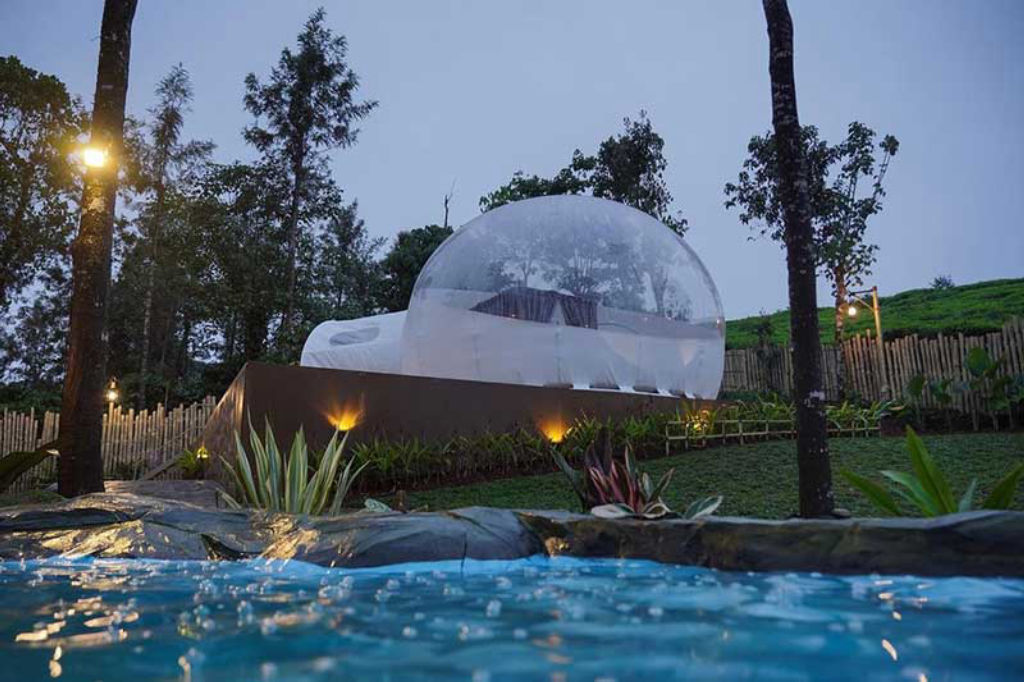
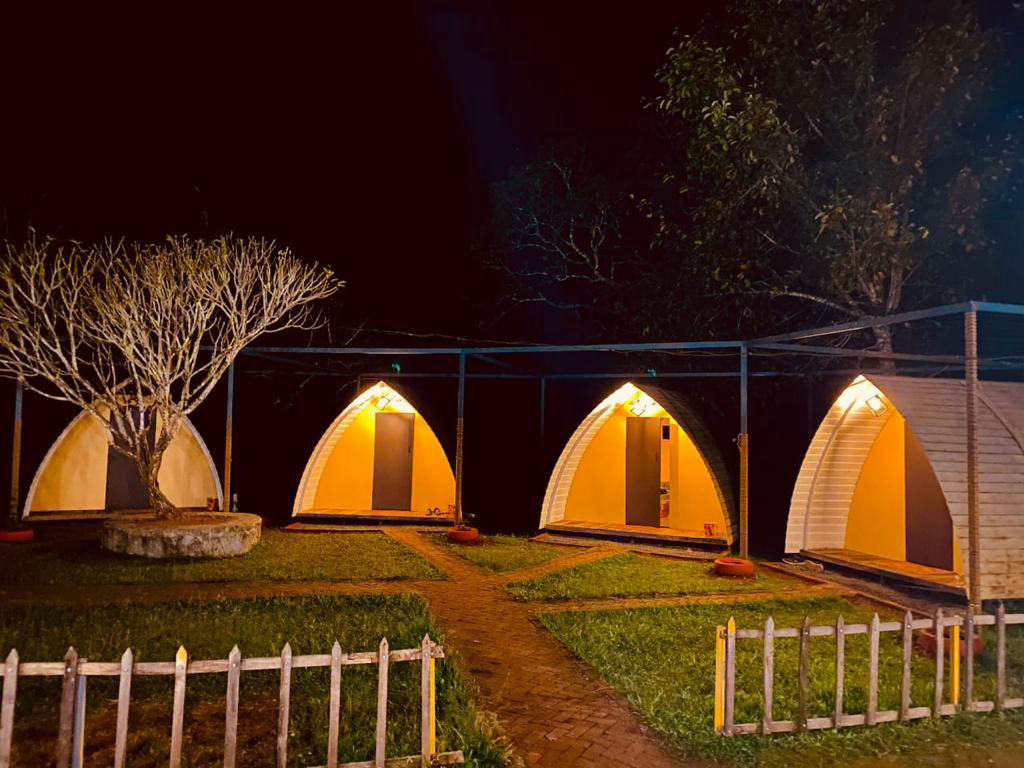
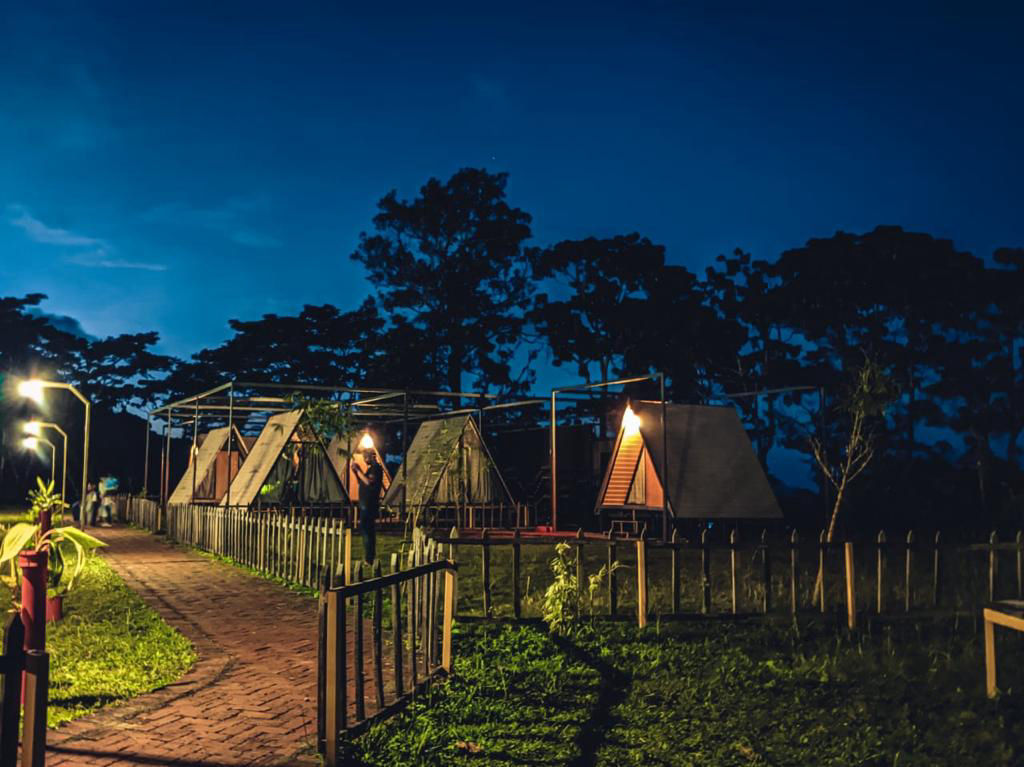
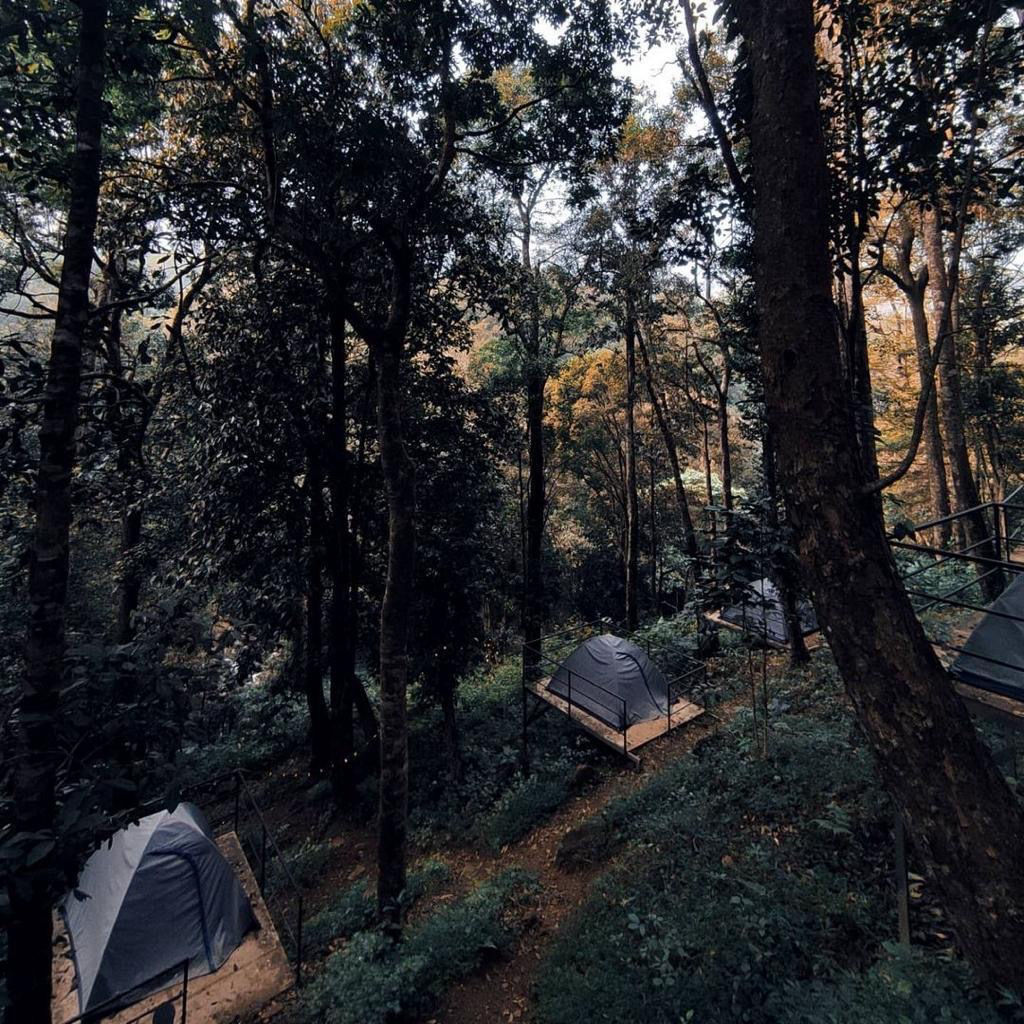
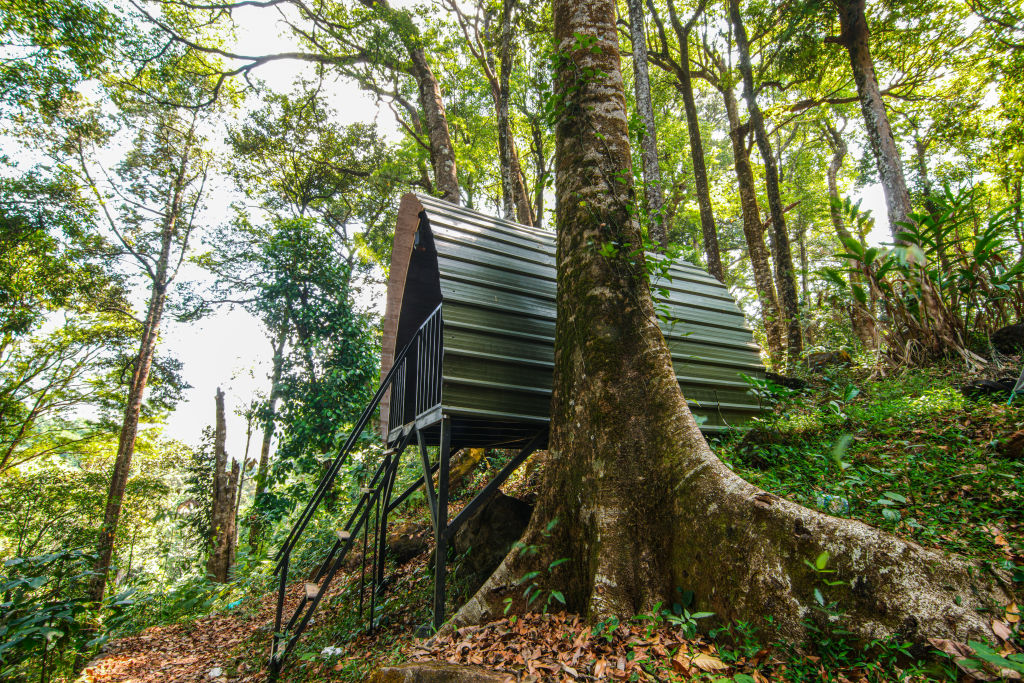
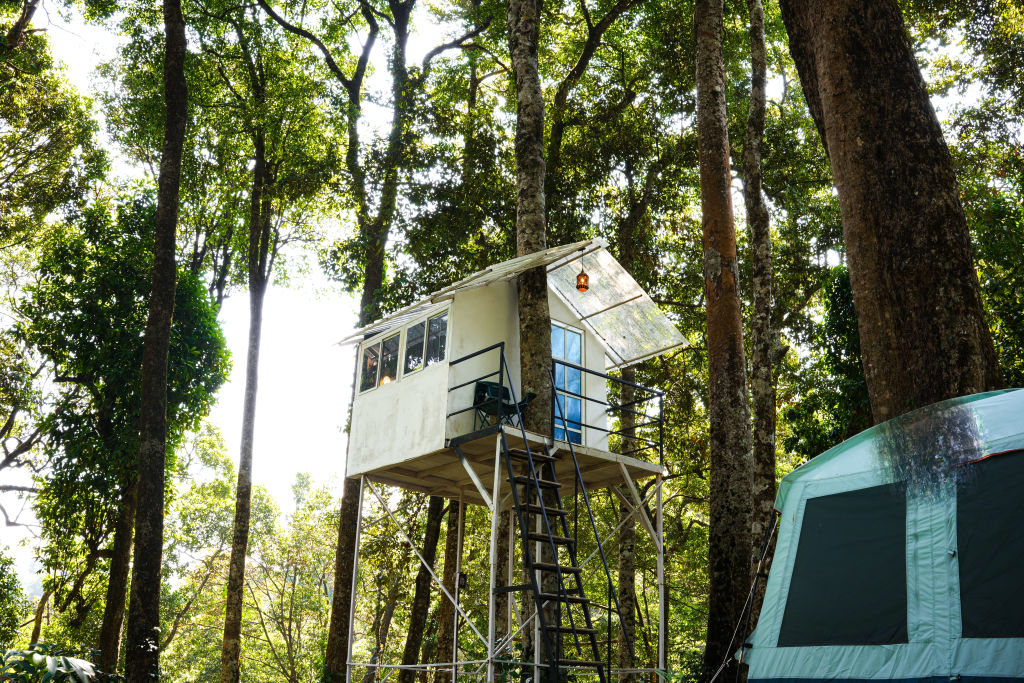
Nilambur offers a peaceful rural base for travellers seeking quiet escapes close to the forests of the Western Ghats. Accommodation in the region ranges from riverside cottages and rustic plantation homestays to nature retreats tucked amidst agricultural belts and foothills.
You can discover and book verified campsites, outdoor getaways, and welcoming homestays around Nilambur and nearby parts of northern Kerala on HireACamp. Staying locally allows you to explore the museum at an easy pace and venture into the surrounding river valleys and reserve forests early in the day.
Frequently asked questions
Where is the Teak Museum located?
The Teak Museum is located along State Highway 28, approximately four kilometres outside Nilambur town in the Malappuram district of Kerala.
What is unique about the Teak Museum?
It is a specialised museum dedicated entirely to teak, featuring exhibits on forestry history, tree anatomy, plantation ecology, timber craft, and an outdoor arboretum.
What is the best time of year to visit the museum?
The post-monsoon and winter months from September to February offer the most pleasant weather for exploring both the indoor galleries and the outdoor gardens.
What is the nearest railway station to the Teak Museum?
Nilambur Road railway station is the closest station, situated around seven kilometres away, with regular train connections to Shoranur Junction.
Can I book accommodation near Nilambur on HireACamp?
Yes, HireACamp lists homestays, nature retreats, and outdoor stays across the Nilambur region and the surrounding foothills of the Western Ghats.
Where you'll be
State Highway 28, Nilambur · 6 stays nearby shown with prices
Stays near Teak Museum
Book a place to stay close by
More places near Teak Museum
Within 20 km


Built from 0 Instagram posts by 0 creators. Every tip links back to the post it came from, and where creators disagree we show both sides.






