
Nilambur Forest
Wildlife near Nilambur, Kerala
400 m from Nilambur
The nearest town, for stays, food and fuel.
Nilambur Forest is an expansive woodland tract located in the Malappuram district of northern Kerala, nestled against the western slopes of the Western Ghats. Renowned for its storied teak plantations and dense rainforest fringes, the area draws travellers seeking quiet jungle trails, pristine riverbanks, and authentic wilderness. Visitors come to watch wildlife, explore riverside ecosystems, and experience the timeless forest heritage of the Malabar region.
Getting there
By road
- From NilamburNearest town2 min · 700 m
- From Mysuru3 hr 25 min · 157 km
- From Coimbatore3 hr 30 min · 141 km
- From Kochi4 hr 30 min · 187 km
Typical drive times without traffic. Stations and airports from OLA Maps; distances and typical drive times from OpenStreetMap (© OpenStreetMap contributors); notes from creators' Reels.
About Nilambur Forest
Written with AI from map data and general knowledge. Check prices and timings locally before you go.
About Nilambur Forest and its landscapes
Nilambur Forest lies along the verdant foothills of the Western Ghats, forming part of a contiguous forest belt that connects Kerala's central plains with the higher ranges of the Nilgiris. The landscape is characterized by rolling hills, ancient hardwood groves, and sweeping canopies that stay intensely green for most of the year. The terrain shifts from moist deciduous woodlands to deep evergreen pockets, crisscrossed by streams and larger waterways such as the Karimbuzha and Chaliyar rivers.
The town of Nilambur and its surrounding woods carry a deep historical connection to forestry in India. It is globally recognized as home to some of the world's earliest managed teak plantations, established in the nineteenth century. These towering, straight-trunked trees stand side by side with wild natural forest patches, creating a distinct visual contrast between historic timber heritage and untamed jungle.
Wildlife and biodiversity in Nilambur Forest
Because Nilambur Forest links with larger protected conservation tracts like the New Amarambalam Reserved Forest and the greater Nilgiri Biosphere Reserve, it serves as a critical corridor for southern Indian wildlife. Asian elephants frequently move through these wooded valleys, feeding along the bamboo breaks and river edges. Visitors and nature enthusiasts often spot bonnet macaques, langurs, spotted deer, sambar, and the Malabar giant squirrel navigating the higher branches.
The forest canopy is equally vibrant with birdlife. The region is a haven for endemic Western Ghats species, forest raptors, and riverine birds. Enthusiasts regularly sight hornbills, woodpeckers, minivets, and flycatchers among the foliage. Down near the undergrowth, dense leaf litter and seasonal streams provide sheltered habitats for numerous species of amphibians, freshwater fish, and butterflies, making every quiet walk through the woods a rich ecological experience.
Read more
Things to do in and around Nilambur Forest
Exploring Nilambur is best done at an unhurried pace, focusing on the sights and sounds of the wild. Guided nature walks along demarcated forest paths offer an intimate look at the flora, massive buttressed roots, and flowering canopy trees. Birdwatching during early mornings or late afternoons is particularly rewarding along water channels, where bird activity peaks before the heat of the midday sun.
Visitors also spend time along the stony banks of the Karimbuzha River. Sitting beside the running water offers a cooling break during warmer days and a scenic setting for quiet photography. In addition to wilderness walks, learning about the region's forestry culture adds depth to a trip. Spending a morning wandering through well-kept botanical collections or visiting heritage sites that document the origins of teak cultivation provides an understanding of how local communities and forestry practices have coexisted for generations.
Best time to visit Nilambur Forest
The winter months from October to March offer the most comfortable weather for exploring Nilambur Forest. During this period, the intense rainfall of the southwest monsoon has ceased, skies are generally clear, and daytime temperatures remain pleasant for outdoor walks and wildlife observation. Evenings can be cool, especially near riverbanks and deep forest patches.
The monsoon season, extending roughly from June to September, transforms the forest into a dramatic, water-rich landscape. The rivers flow with immense energy, streams cascade down the slopes, and the foliage turns an emerald green. While the monsoon offers remarkable scenic beauty, frequent downpours and humid conditions can make trail walking slippery, and leeches are abundant. Summer between March and May brings rising heat and humidity, though early morning walks remain a good way to catch active birds and wildlife near water bodies.
How to reach Nilambur Forest
Nilambur is well-connected by road and rail to key hubs across Kerala. One of the most picturesque ways to arrive is via the branch railway line between Shoranur and Nilambur Road. This train journey travels through dense groves of teak, palms, and countryside settlements, terminating right near town.
Travellers arriving by air can fly into Calicut International Airport, which serves regional and national flights. From the airport or Kozhikode city, road travel takes travellers inland across smooth highways and winding state routes lined with rubber and teak plantations. Long-distance buses and private vehicles regularly run from nearby transit centres including Malappuram, Palakkad, and Thrissur. Local taxis and autorickshaws are readily available in Nilambur town for travel to forest entry zones and surrounding riverside spots.
Places to visit near Nilambur Forest
A trip to Nilambur Forest easily pairs with several natural and cultural landmarks nearby. Just a short journey away lies the Nedunkayam Rainforest, known for its pristine evergreen forest stretches, wooden rest houses from the colonial era, and clear forest streams. The New Amarambalam Reserved Forest borders the higher ridges and presents an unbroken wilderness landscape for serious naturalists.
Closer to the town centre, the Teak Museum provides fascinating exhibits on the biology, history, and uses of teakwood, surrounded by curated nature trails. Adjacent to it is the Bioresources Nature Park, which showcases indigenous flora, medicinal gardens, and butterfly host plants. Those interested in local heritage can also visit regional shrines such as the Kotta Temple or travel southwards toward traditional temple sites set amidst rural greenery.
Tips for your visit
When planning an outing into the forest areas around Nilambur, practical preparation makes for a much smoother experience. Wear lightweight, earth-toned cotton clothing that allows you to blend into the surroundings and stay comfortable in the tropical humidity. Sturdy walking shoes with reliable traction are essential, especially on mud-slicked paths or loose river rocks.
If visiting just after the rains, carry leech protection, such as salt, snuff powder, or dedicated leech gaiters. Always keep a personal refillable water bottle to cut down on single-use plastics in sensitive ecosystems. Because forest checkpoints and visitor entry zones operate under local forest department regulations, it is best to check locally on current permits, access points, and visitor guidelines before setting off.
Where to stay near Nilambur Forest
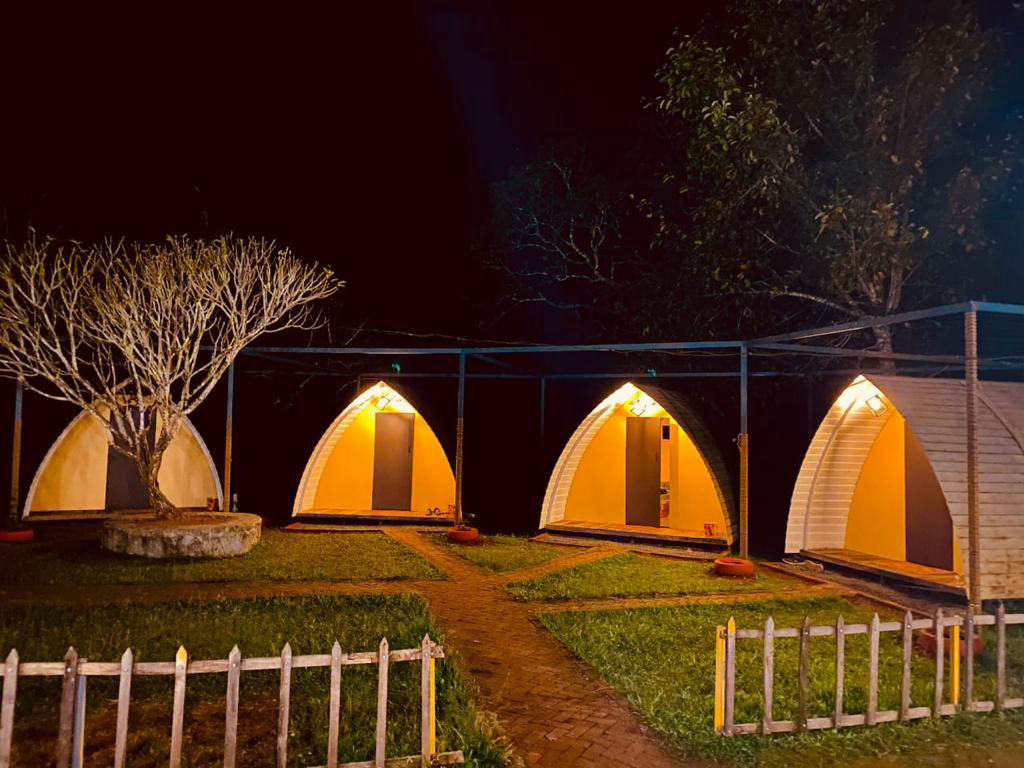
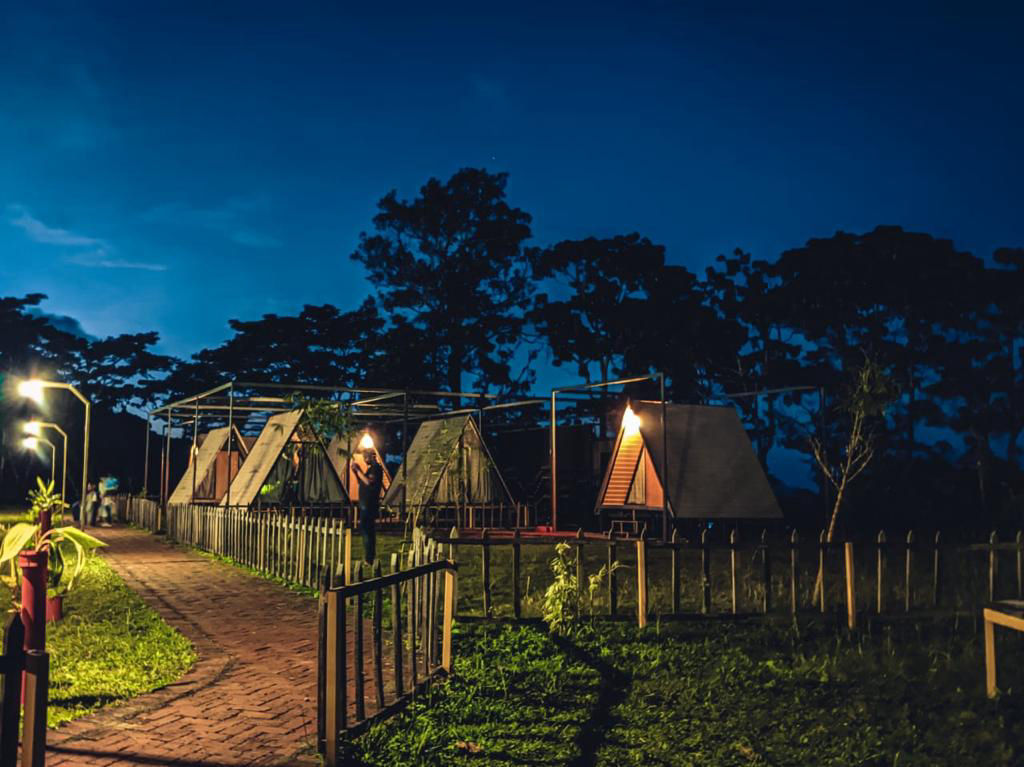
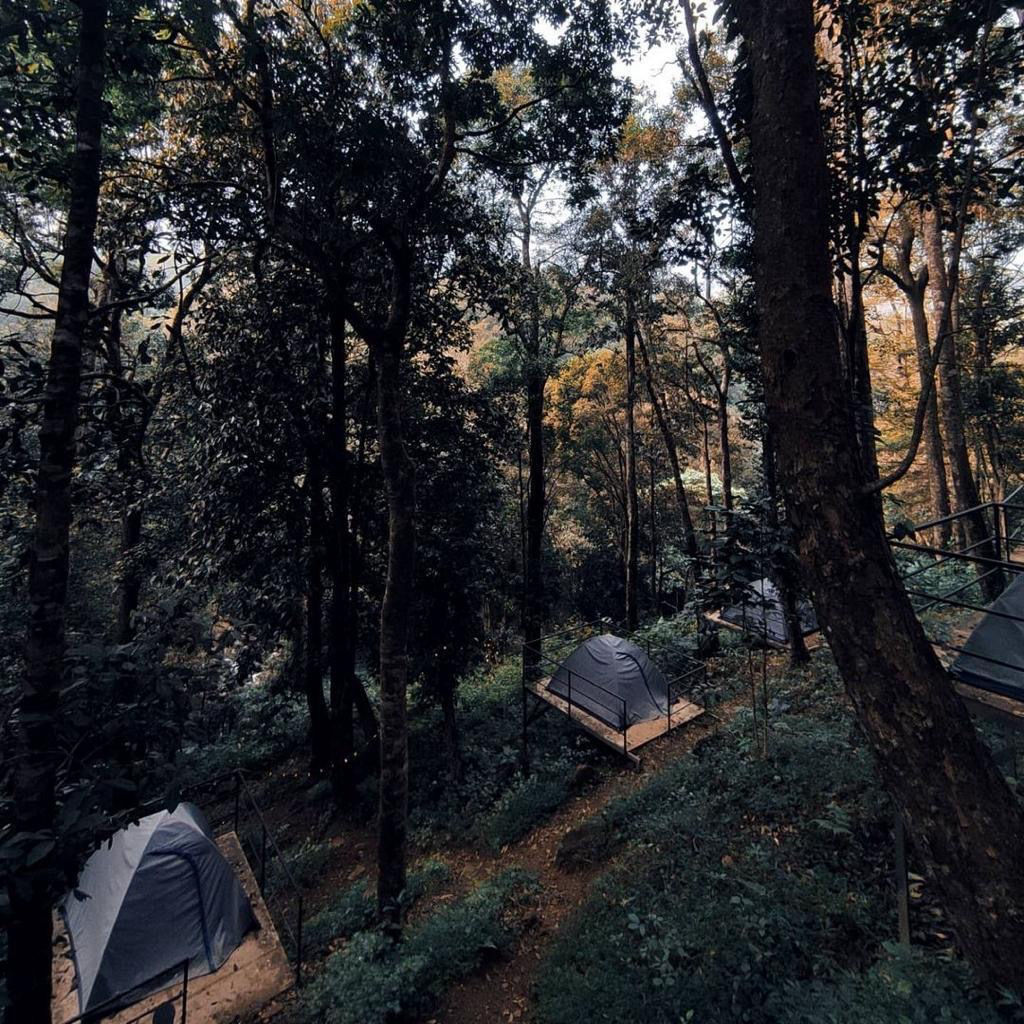
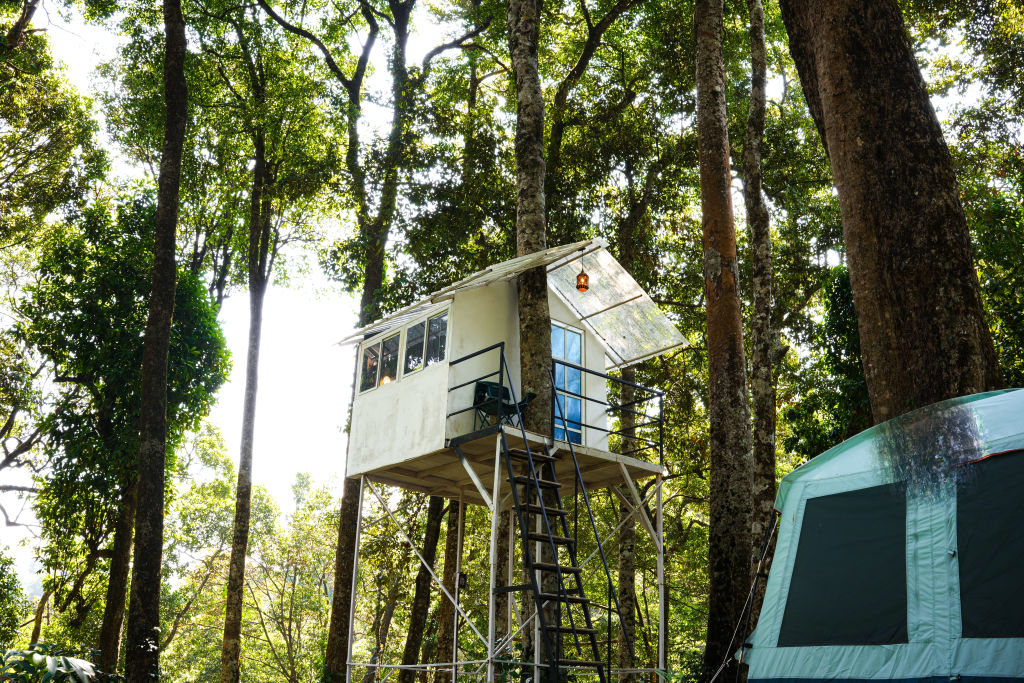
Finding the right accommodation allows you to experience the natural rhythm of the forest, waking to birdsong and falling asleep to nocturnal sounds. Accommodations near Nilambur Forest range from private riverside camps and eco-friendly cottages to quiet plantation homestays set amidst teak and rubber groves.
Staying with a local host offers a genuine glimpse into Malabar hospitality, local culinary traditions, and valuable tips on quiet spots that casual travellers might overlook. You can explore and book verified nature camps, outdoor retreats, and homestays around Nilambur directly on HireACamp.
Frequently asked questions
What is Nilambur Forest famous for?
Nilambur Forest is internationally known for its historic teak heritage, including some of the world's earliest planted teak plantations, alongside rich tropical rainforest reserves and the Karimbuzha River.
Which railway station is closest to Nilambur Forest?
The closest railhead is the Nilambur Road railway station, located right in Nilambur town and renowned for its scenic train route connecting to Shoranur Junction.
Can you see wild animals in Nilambur Forest?
Yes, Nilambur Forest hosts elephants, spotted deer, langurs, the Malabar giant squirrel, and numerous bird species, though wildlife sightings depend on the season, quietness on the trails, and forest movement patterns.
Is it safe to visit Nilambur Forest during the monsoon?
Visiting during the monsoon offers lush scenery and full rivers, but heavy rainfall can make pathways slippery and leeches are common, so travellers should check local trail conditions before heading out.
Are permits required to enter forest zones around Nilambur?
Certain protected areas, reserve forests, and riverside trails require permissions or passes issued by the local forest department. It is advisable to check locally at forest offices for current guidelines before planning your walk.
Where you'll be
Nilambur · 6 stays nearby shown with prices
Stays near Nilambur Forest
Book a place to stay close by


More places near Nilambur Forest
Within 20 km


Built from 0 Instagram posts by 0 creators. Every tip links back to the post it came from, and where creators disagree we show both sides.






