
Pabargad
Fort near Bhandardara, Maharashtra
2.7 km from Bhandardara
The nearest town, for stays, food and fuel.
Pabargad is a rugged hill fort situated in the Sahyadri mountain range near Bhandardara in Maharashtra. Rising amidst steep cliff faces and lush valleys, the fort historically served as a strategic watchtower over mountain passes and trade routes. Today, it draws trekkers and nature lovers seeking panoramic highland views and an uncrowded hiking route.
Getting there
By road
- From BhandardaraNearest town5 min · 3.2 km
- From Nashik1 hr 45 min · 76 km
- From Mumbai 3 hr 45 min · 192 km
- From Pune4 hr · 168 km
Typical drive times without traffic. Stations and airports from OLA Maps; distances and typical drive times from OpenStreetMap (© OpenStreetMap contributors); notes from creators' Reels.
About Pabargad
Written with AI from map data and general knowledge. Check prices and timings locally before you go.
About Pabargad Fort
Pabargad is one of the lesser-known fortresses nestled within the rugged folds of the Western Ghats in the Akole region of Maharashtra. Perched high above the surrounding rural landscape, the fort shares its geographic horizon with prominent Sahyadri giants, including Kalsubai, Alang, Madan, Kulang, and Harishchandragad. Historically, such hill forts functioned primarily as defensive outposts and watchtowers rather than elaborate residential capitals. The garrison stationed atop Pabargad maintained an unhindered vantage over local mountain passes and the Pravara river basin.
Like many mountain forts across Maharashtra, Pabargad features ancient rock-hewn water cisterns, remains of stone ramparts, and small shrines exposed to the weather. The topography consists of steep basaltic scarps, grassy plateaus, and forested lower contours that shelter varied flora and fauna characteristic of the northern Western Ghats. While time and weather have worn down the defensive walls, the natural vantage of the summit remains just as striking today.
The Trek to Pabargad
The ascent to Pabargad is considered a moderate to challenging trek depending on the specific trail chosen and the prevailing season. Trekkers typically start their journey from rural settlements in the Bhandardara vicinity, such as Koltembhe. The trail winds through rustic farmland and deciduous forests before confronting the rocky underbelly of the mountain massif. As you climb, the incline stiffens significantly, requiring careful footing over loose soil, gravel, and exposed rock faces.
Certain sections of the trail may involve scrambling over rock steps or navigating narrow ledges alongside steep drop-offs. Reaching the summit plateau demands steady physical endurance, but the final ascent rewards hikers with breathtaking vistas. Upon reaching the top, you can explore several rock-cut tanks that hold water through much of the year, along with old stone pedestals and panoramic points overlooking deep gorges. Engaging a local guide from the base village is strongly advised to easily locate trail markers and avoid tricky detours.
Read more
Best Time to Visit Pabargad
The most comfortable time to trek Pabargad is during the post-monsoon and winter months, spanning from October to February. By October, the torrential monsoon rains recede, leaving behind vibrant green slopes, active seasonal cascades, and clear blue skies. Winter brings pleasant daytime temperatures and cooler mornings and evenings, making the strenuous upward climb far more enjoyable. Visibility during winter is typically excellent, offering unobstructed views of neighbouring Sahyadri peaks.
Monsoon season, from late June to September, transforms the Sahyadri landscape into a mist-shrouded green paradise. While the mountain looks spectacular during these months, the trek becomes considerably trickier. Trails turn into slippery mud channels, rock faces grow slick, and dense fog often blankets the summit, obscuring both trail navigation and surrounding scenery. Summer, running from March to May, brings scorching heat and arid conditions to the hills. If you plan an excursion in early summer, start before dawn and complete your descent before midday to avoid dehydration.
What to See at Pabargad
Although Pabargad does not boast grandiose architectural palaces, its summit preserves intriguing archaeological and natural relics. The fort plateau hosts multiple rock-cut water cisterns, historically known as tankas, carved directly out of the basalt bedrock by ancient builders to capture rainwater. Some of these water tanks retain cool water even during dry periods, serving as vital resources for mountain wildlife and passing hikers.
Dotted along the expanse of the fort are crumbling stone foundations, defensive parapet walls, and carved stone idols dedicated to local deities. The greatest highlight of Pabargad, however, is the expansive 360-degree vista. From the edge of the plateau, you can look out across the undulating Bhandardara plateau, the deep clefts of the Sandhan Valley, and distant summits like Kalsubai and Harishchandragad. The vantage points offer striking photographic opportunities at both sunrise and sunset.
How to Reach Pabargad
Pabargad is located in the Ahmednagar district near the Bhandardara dam region. Travellers visiting from Mumbai or Thane can drive along National Highway 160 towards Igatpuri and Ghoti before turning onto state highways leading toward Bhandardara and the base villages. The journey traverses scenic mountain roads that wind through the Western Ghats.
For those travelling from Pune, the conventional route heads north via the Pune-Nashik Highway towards Sangamner or Otur, branching off through Akole towards Rajur and Bhandardara. Travellers relying on public transport can take a train to Kasara or Igatpuri railway station, followed by local Maharashtra State Road Transport buses or shared taxis heading to Rajur or Bhandardara. From these transit hubs, private jeeps or local transport can be arranged to reach the trek's starting village. Check current local bus frequencies before finalising your schedule.
Tips for Your Visit
A trek to Pabargad requires proper planning and outdoor preparation. Wearing sturdy trekking shoes with reliable rubber grip is essential, as the trail features steep ascents, slippery mud patches during wet spells, and scree during dry seasons. Carry at least two to three litres of water per person, alongside high-energy snacks like dried fruit, nuts, and electrolyte packets, since there are no commercial stalls along the hiking trail.
Protect yourself against harsh sunlight with a wide-brimmed hat, sunglasses, and sunscreen, especially if hiking outside the winter months. Carry a compact first-aid kit containing adhesive bandages, antiseptic ointment, blister pads, and basic medications. Always practice Leave No Trace ethics by carrying all your personal trash, plastic wrappers, and empty containers back down to the plains. Respect the pastoral lifestyle of the base villagers and avoid disturbing local flora and wildlife.
Places to Visit Nearby
The Bhandardara region surrounding Pabargad is rich in natural attractions and historical sites. A short distance away lies the ancient Shree Amruteshwar Temple at Ratanwadi, an intricately carved Hemadpanthi-style stone shrine dating back to the twelfth century. Nearby, Sandhan Valley, often called the Valley of Shadows, presents a dramatic canyon exploration trek through towering vertical rock walls.
Outdoor enthusiasts can also combine a visit to Pabargad with trips to Kalsubai Peak, the highest summit in Maharashtra, or the mighty Harishchandragad fort with its famous Konkan Kada cliff. Picturesque water bodies like Ambit Dam, Bhavali Dam, and Bhandardara Lake offer tranquil spots for relaxed walks and evening breezes. During the monsoon and early post-monsoon months, cascades such as Vasundhara Waterfall and Ashoka Waterfall flow with remarkable force, providing wonderful scenic stops along regional roadways.
Where to Stay near Pabargad
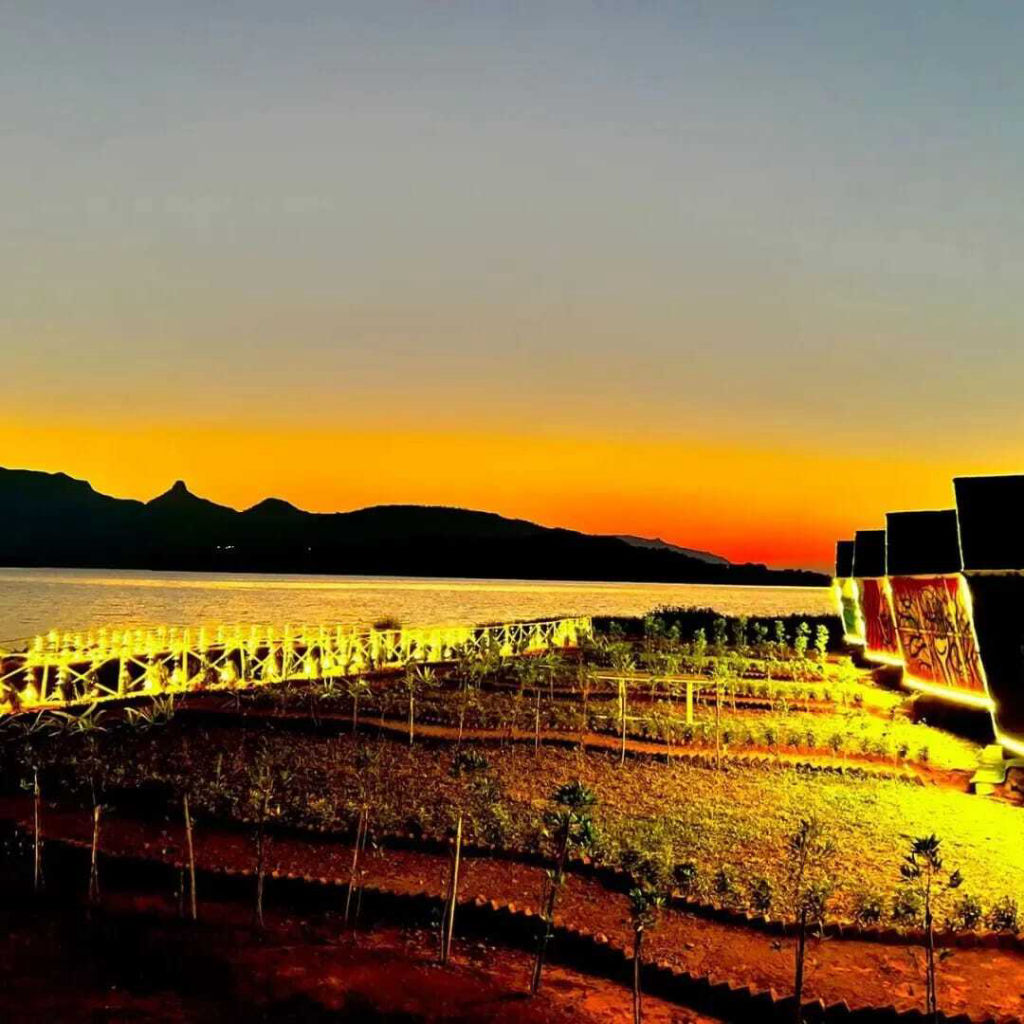
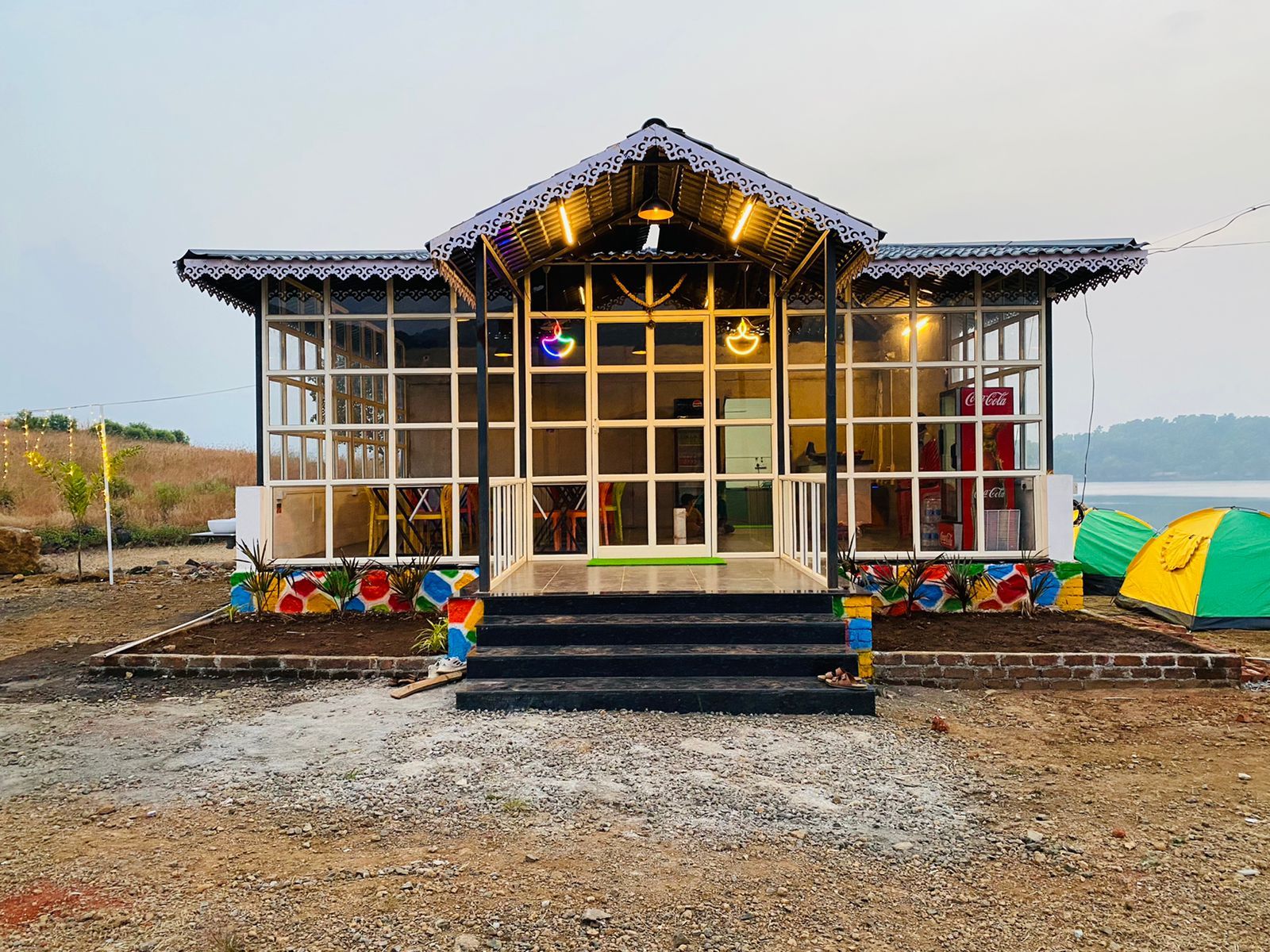
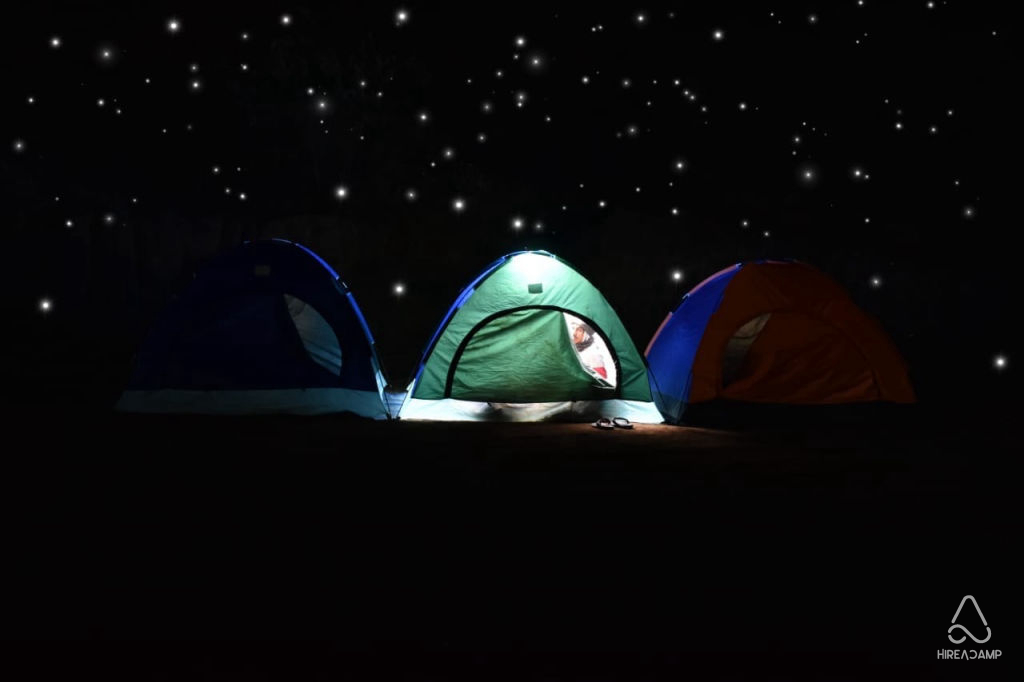
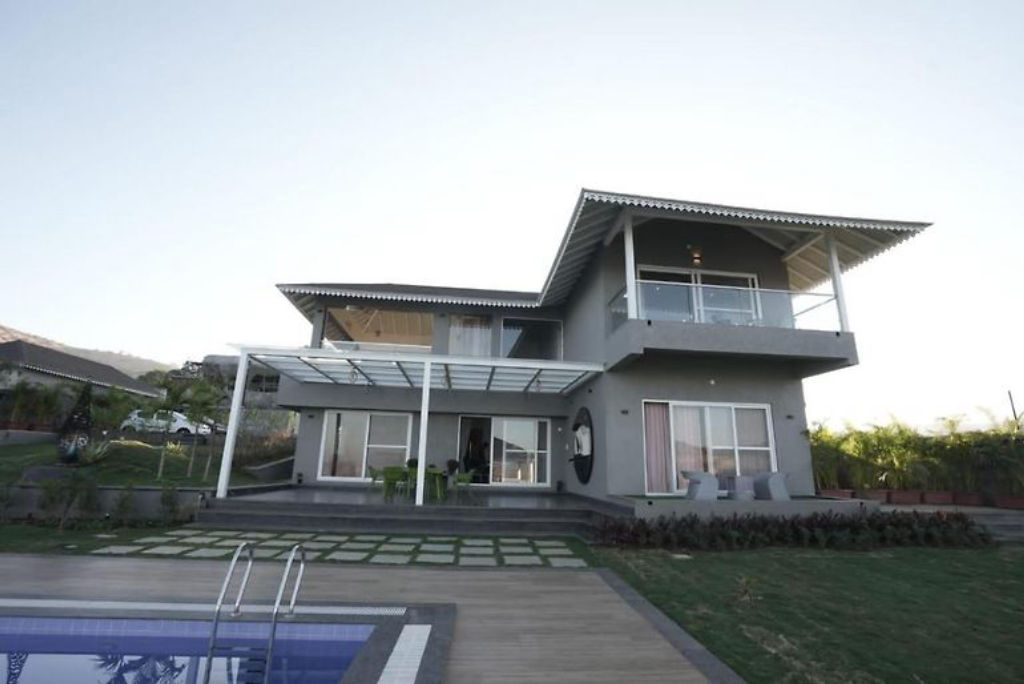
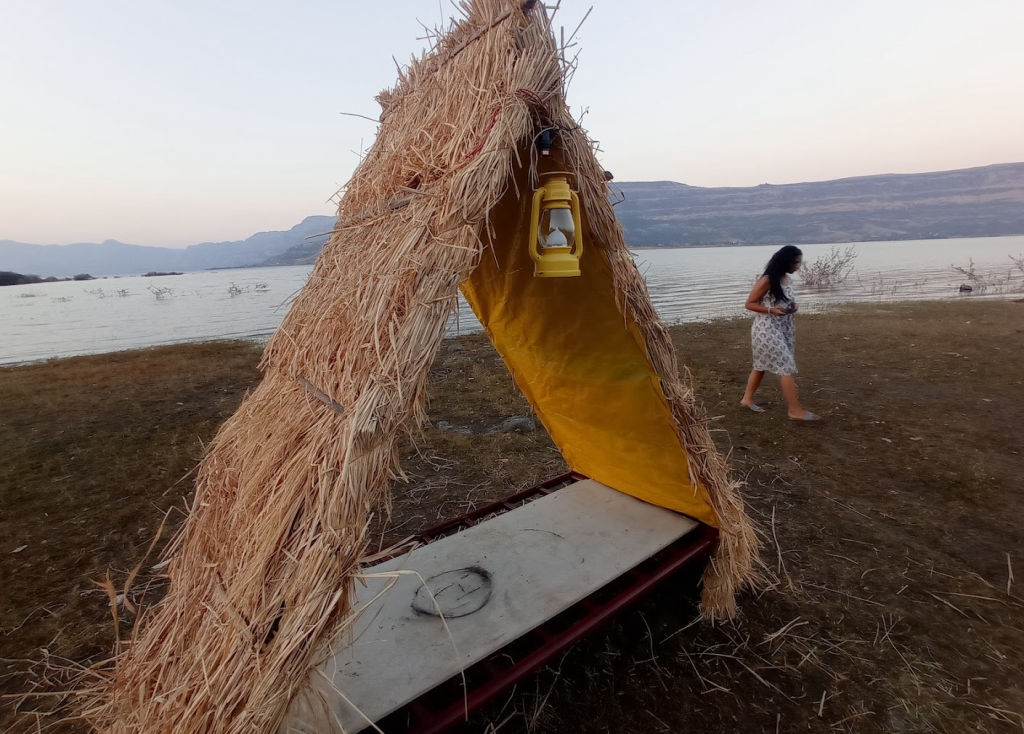
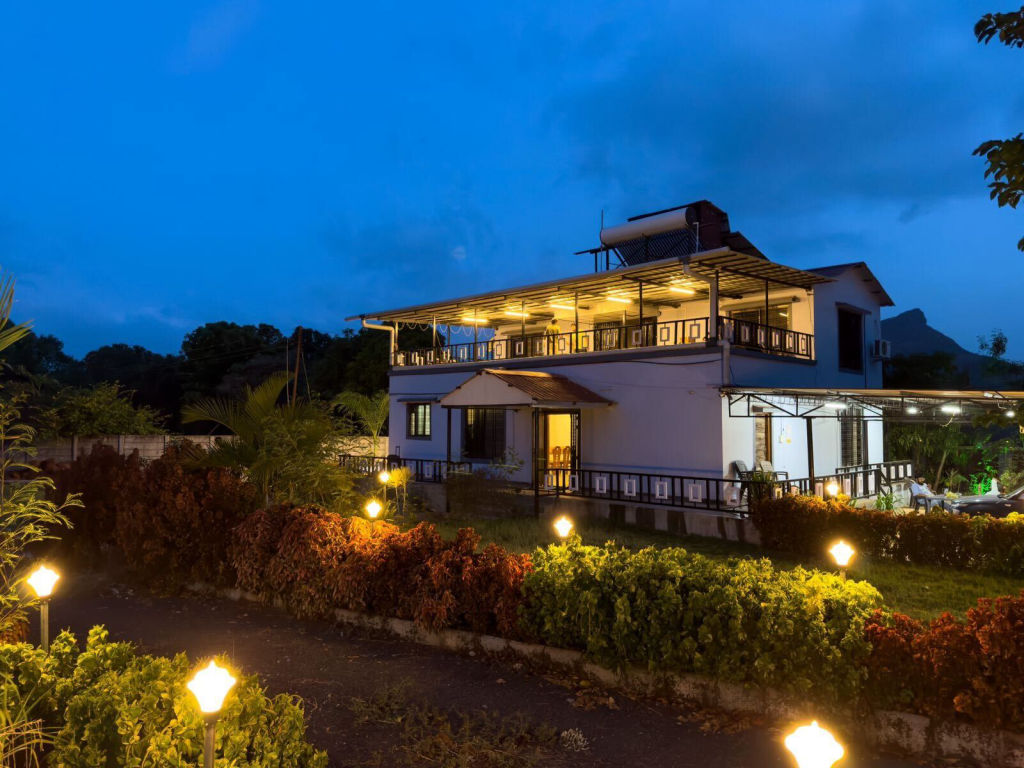
Travellers planning to explore Pabargad and the surrounding Bhandardara region will find various lodging options situated in nearby hamlets and lakeside areas. The region is well-known for riverside and lakeside tent campsites where you can spend the night under clear, starry skies. For travellers seeking home-cooked Maharashtrian meals and direct contact with village culture, local homestays provide warm hospitality and authentic rural living.
Whether you are looking for an open-air tent experience right by the water, a comfortable village homestay, or a quiet nature cottage, a curated selection of verified stays around Bhandardara and Pabargad can be booked through HireACamp. Booking in advance is recommended during peak monsoon weekends and winter holidays when the Sahyadri mountains attract high numbers of outdoor enthusiasts.
Frequently asked questions
Where is Pabargad located?
Pabargad is located in the Sahyadri mountain range near Bhandardara in the Akole region of Maharashtra, India.
How difficult is the trek to Pabargad?
The trek is considered moderate to challenging, involving steep dirt tracks, scree sections, and minor rock scrambling that require steady stamina and sure footing.
Are there food and drinking water facilities atop Pabargad?
There are no shops, stalls, or guaranteed potable water sources at the top of the fort. Trekkers must carry their own drinking water and food supplies from the base village.
What is the best time of year to trek to Pabargad?
The best time to visit is from October to February, when the weather is cool, skies are clear, and trails are dry and comfortable to navigate.
Do I need a local guide for the Pabargad trek?
Hiring a local villager as a guide is highly recommended, as the trail is rugged, lightly marked, and easy to lose without firsthand knowledge of the terrain.
Where you'll be
Bhandardara, Akola, MH · 7 stays nearby shown with prices
Stays near Pabargad
Book a place to stay close by

More places near Pabargad
Within 20 km


Lists for this area
Ranked by how many creators recommend each place


Built from 0 Instagram posts by 0 creators. Every tip links back to the post it came from, and where creators disagree we show both sides.






