
Ratangad
Fort near Ratan Wadi, Maharashtra
2.1 km from Ratan Wadi
The nearest town, for stays, food and fuel.
Ratangad is a centuries-old hill fort perched in the Sahyadri mountain range of Maharashtra, overlooking the tranquil waters of Lake Arthur and the surrounding Bhandardara region. Known literally as the Jewel of the Forts, it stands as an enduring stronghold rich in Maratha history and rugged geological formations. Travellers and trekkers visit Ratangad for its panoramic ridgeline trails, natural rock cavities, and dramatic views across the Western Ghats.
Getting there
By road
- From Ratan WadiNearest town15 min · 9.3 km
- From Nashik2 hr 5 min · 92 km
- From Mumbai 4 hr 5 min · 208 km
- From Pune4 hr 30 min · 187 km
Typical drive times without traffic. Stations and airports from OLA Maps; distances and typical drive times from OpenStreetMap (© OpenStreetMap contributors); notes from creators' Reels.
About Ratangad
Written with AI from map data and general knowledge. Check prices and timings locally before you go.
About Ratangad Fort
Perched at an elevation in the Kalsubai Harishchandragad Wildlife Sanctuary, Ratangad holds a commanding position over the Pravara River basin and the Bhandardara reservoir. The fort has an ancient heritage dating back several centuries and was captured by Chhatrapati Shivaji Maharaj, who regarded it as one of his favourite defensive strongholds in the region. The fort features massive bastions, historic stone gateways, ancient rock-cut water cisterns, and natural caves that once sheltered garrisons and travellers alike.
One of the most striking geographical aspects of Ratangad is the natural rock cavity near the summit, known locally as the Nedhe or the Eye of the Needle. Created over millennia by high-velocity wind erosion, this massive opening in the ridgeline allows visitors to sit directly within the rock face while looking out over drop-offs on either side. Standing atop the ramparts offers sweeping 360-degree views of prominent neighbouring peaks, including Kalsubai, Ajoba, Alang, Madan, Kulang, and the dramatic precipices of Harishchandragad.
The Trek to Ratangad
The standard and most popular trekking trail begins at Ratanwadi, a quiet hamlet nestled at the base of the mountain. From Ratanwadi, the trail weaves through dense scrub, open meadows, and seasonal streams before ascending into steeper rocky terrain. The trail is well-trodden and generally considered moderately challenging, making it accessible to both experienced trekkers and active beginners looking for a classic Sahyadri hill climb.
As you near the top, the route tackles steep rocky bluffs where sturdy iron ladders have been installed along the sheerest vertical sections. These ladders provide secure footing and safe passage through areas that would otherwise require technical climbing gear. Once you ascend past the main fortification gates, the summit plateau opens out into a vast expanse of ruined stone structures, bastions, and water storage tanks that make exploring the top a rewarding journey in itself.
Read more
Best Time to Visit Ratangad
The atmosphere at Ratangad transforms significantly across the seasons, offering distinctly different experiences depending on when you choose to hike. The post-monsoon period, from late September through November, is widely considered the finest time to explore the fort. During these weeks, the surrounding valleys remain vibrant green, seasonal waterfalls are still trickling, and the slopes are blanketed with wild flora, notably including the rare Sonki blooms and occasional mass flowerings of Karvi.
Winter, spanning from December to February, brings crisp morning air, clear blue skies, and comfortable daytime temperatures that are ideal for long uphill treks. The views from the summit during winter are exceptionally clear, allowing visibility of peaks tens of kilometres away. Monsoon visits between July and August are dramatic and mist-shrouded, but the trails become muddy and the rock surfaces can be slick, requiring extra caution and appropriate gear.
How to Reach Ratangad
The primary base village for Ratangad is Ratanwadi, located in the Ahmednagar district of Maharashtra. Travellers journeying from Mumbai or Thane typically head along the Mumbai-Nashik Highway towards Kasara and Igatpuri, then branch off towards Ghoti and follow the winding roads past Bhandardara Dam to reach Ratanwadi. From Pune, the standard route proceeds north via Sangamner or through the scenic route via Narayangaon, Otur, and Kotul towards Bhandardara.
Those relying on public transit can take a local or express train to Kasara railway station, from where local jeeps and state transport buses run towards Ghoti, Shendi, and Bhandardara. In normal weather conditions, small passenger boats operate across Lake Arthur from near Shendi to Ratanwadi, offering a scenic shortcut across the reservoir, though road connections around the lake are also available year-round.
Places to Visit Near Ratangad
The region surrounding Ratangad is filled with remarkable natural wonders and heritage sites. Right at the base village of Ratanwadi stands the ancient Shree Amruteshwar Temple, an intricately carved stone shrine dedicated to Lord Shiva that dates back to the Hemadpanthi architectural tradition of the eighth to twelfth centuries. Its beautifully sculpted ceiling and pillars make it an essential stop before or after the trek.
Just a short distance away lies Sandhan Valley, famously known as the Valley of Shadows, where towering canyon walls plunge several hundred feet and narrow to just a few feet apart. The surrounding Bhandardara region also hosts peaceful reservoirs like Arthur Lake and Ambit Dam, as well as picturesque seasonal cascades like Vasundhara Waterfall. For dedicated trekkers, Kalsubai Peak, the highest summit in Maharashtra, and the vast plateau of Harishchandragad are both located within driving distance in the same mountain corridor.
Tips for Your Visit
Preparation is key to a comfortable day on the mountain. Sturdy trekking shoes with deep lugged soles are essential, as the trail features gravel paths, exposed volcanic rock, and damp surfaces near the top. Carry at least two to three litres of drinking water per person, as there are limited potable sources along the trail itself, along with high-energy snacks like dry fruits, nuts, and energy bars.
Protect yourself from sun exposure during open ridgeline stretches by wearing a wide-brimmed hat and breathable, full-length clothing. Monkeys inhabit the summit area around the caves and bastions, so keep loose belongings and food items securely packed inside your backpack. Trekkers should also remember that Ratangad lies within a protected sanctuary; carry all your waste back down to the plains and practice strict leave-no-trace ethics throughout your trek.
Where to Stay Near Ratangad
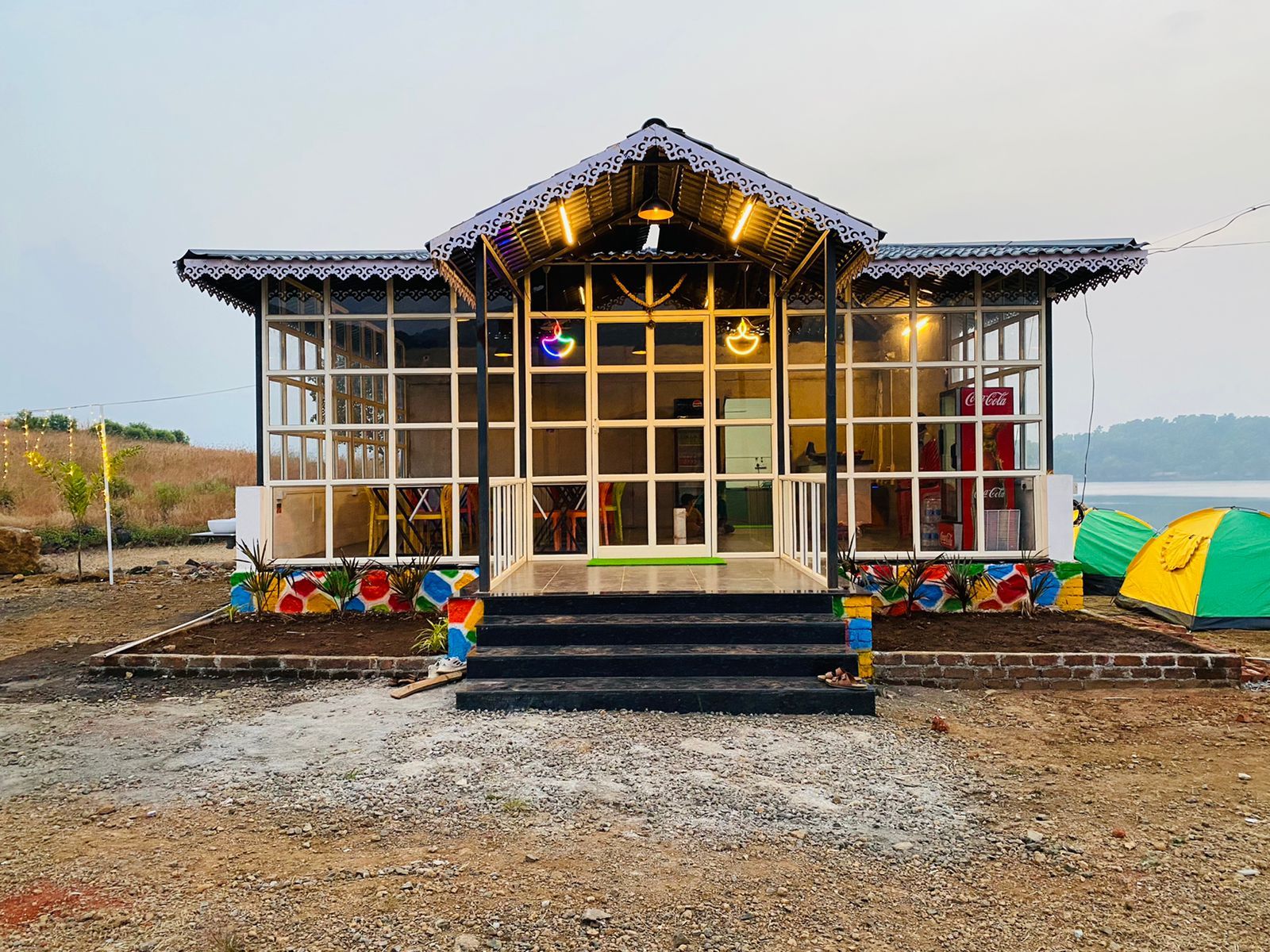
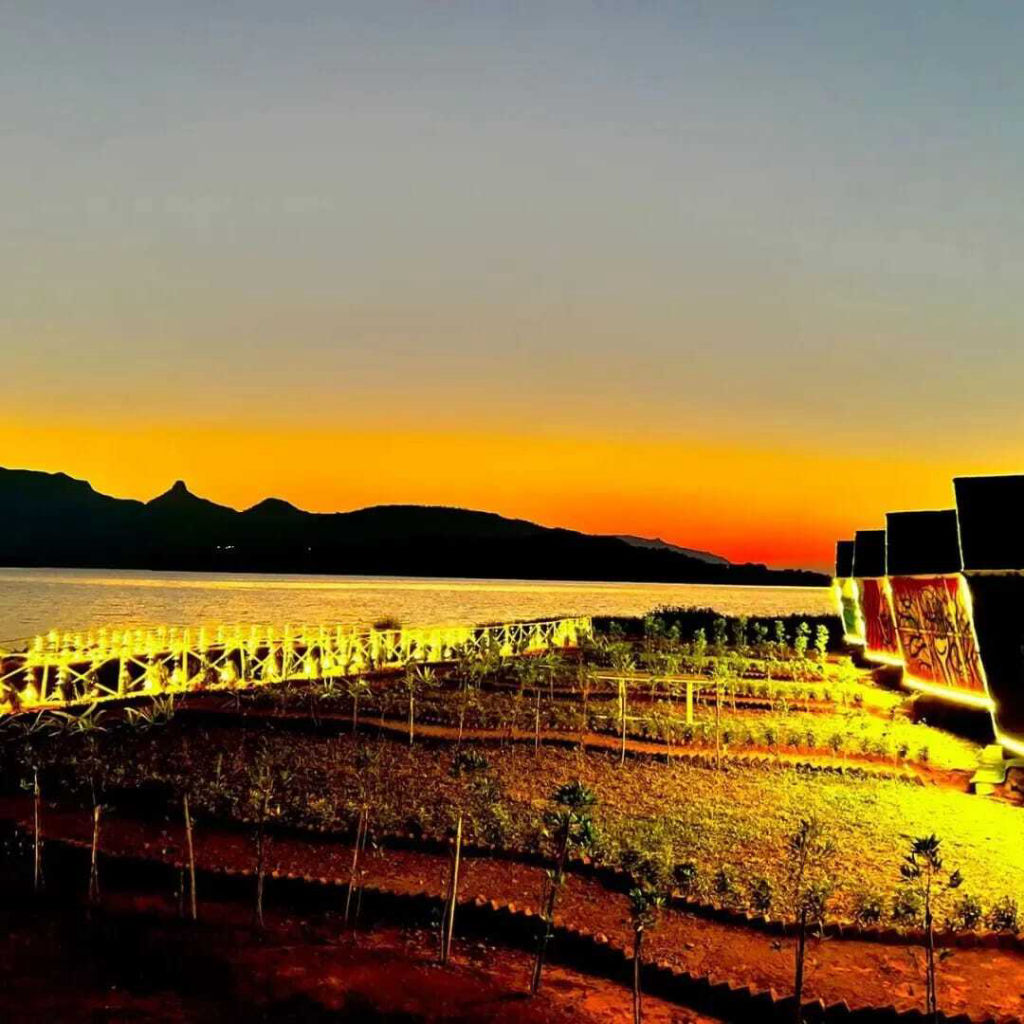
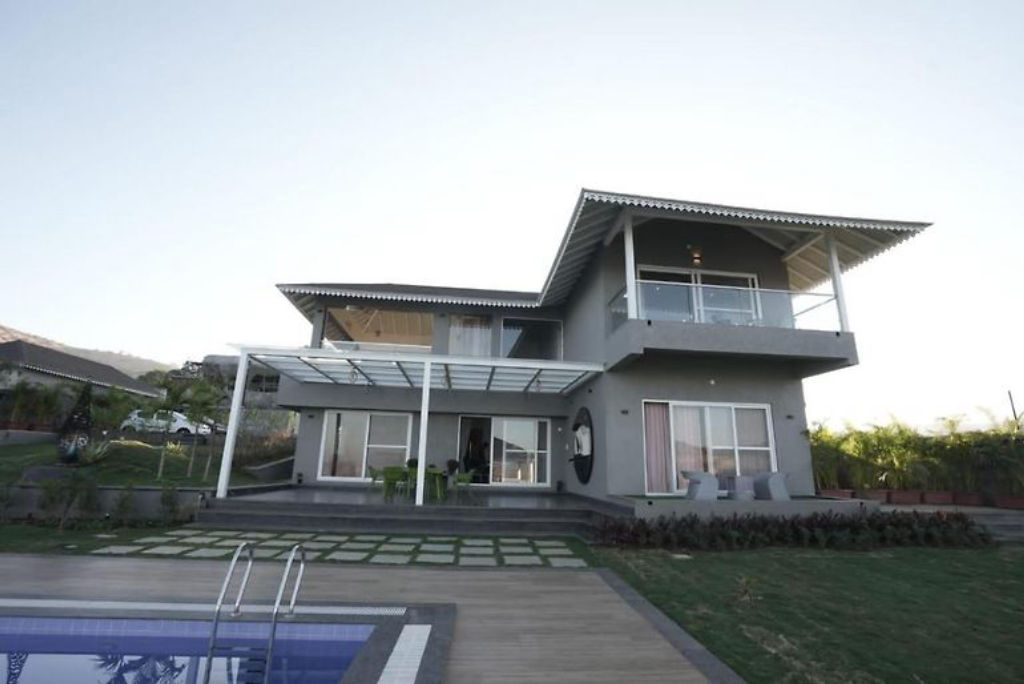
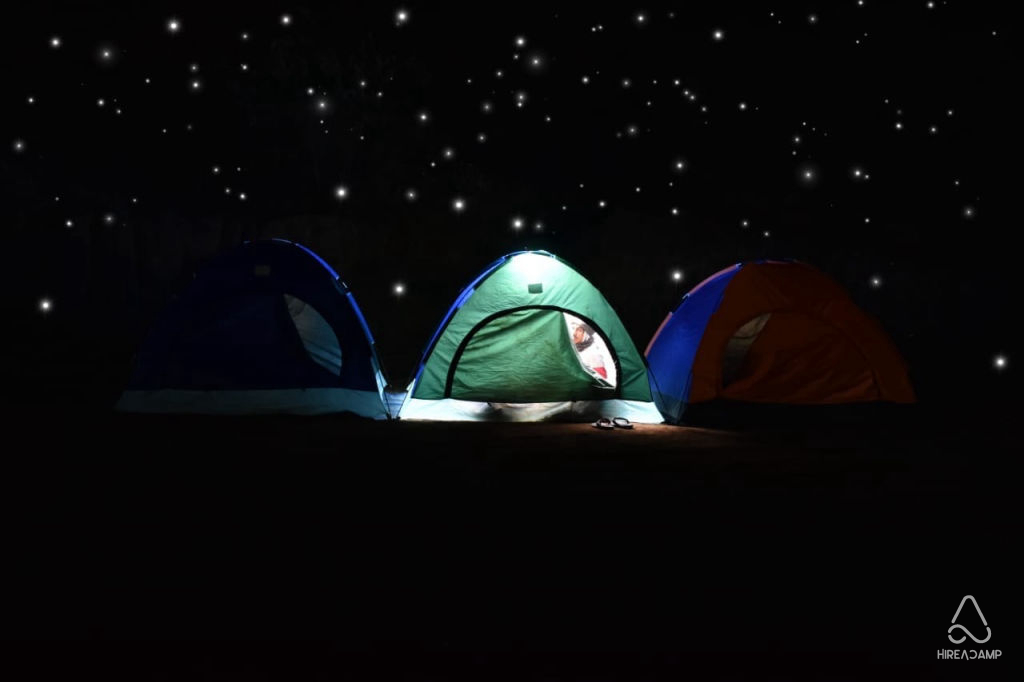
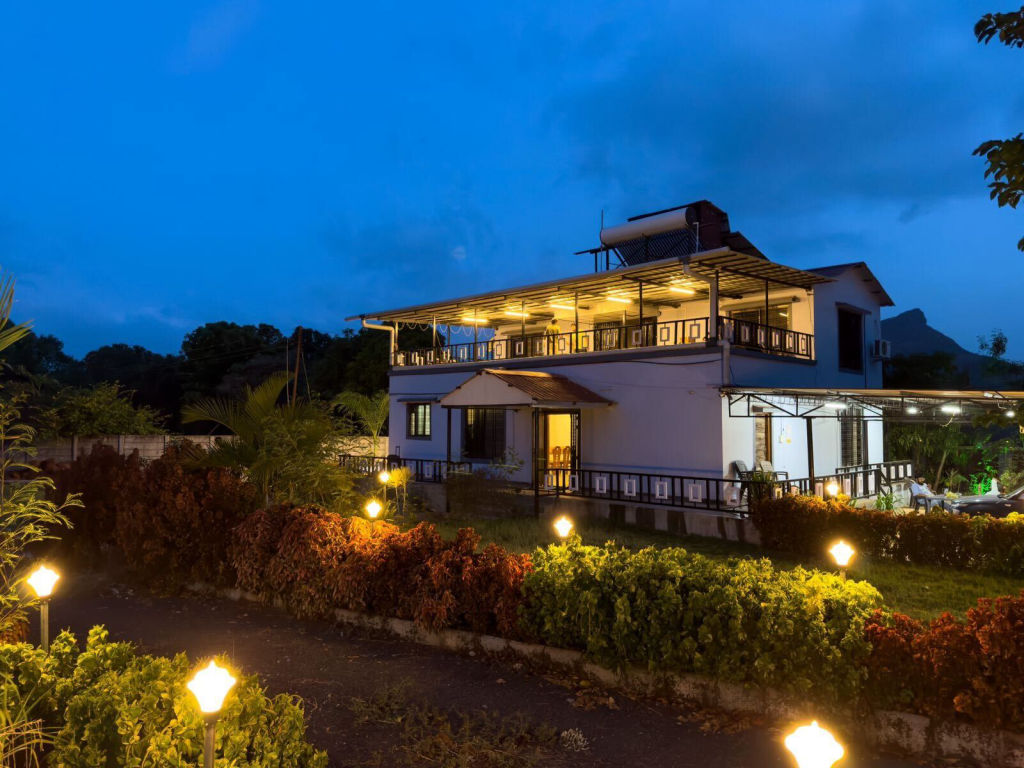
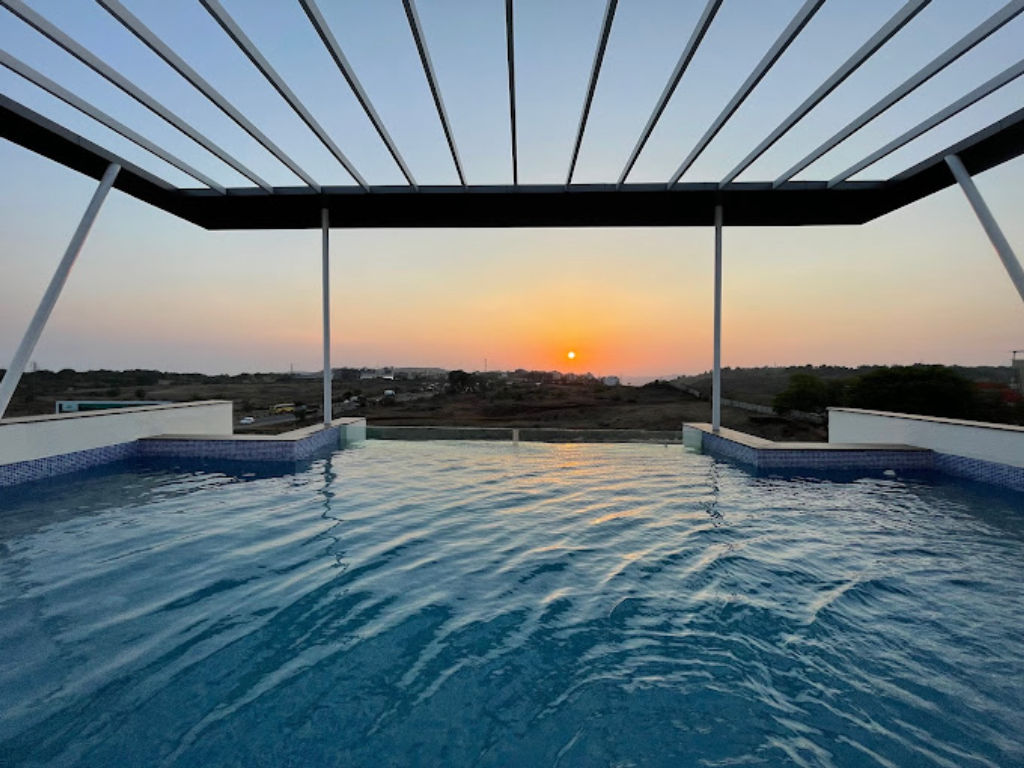
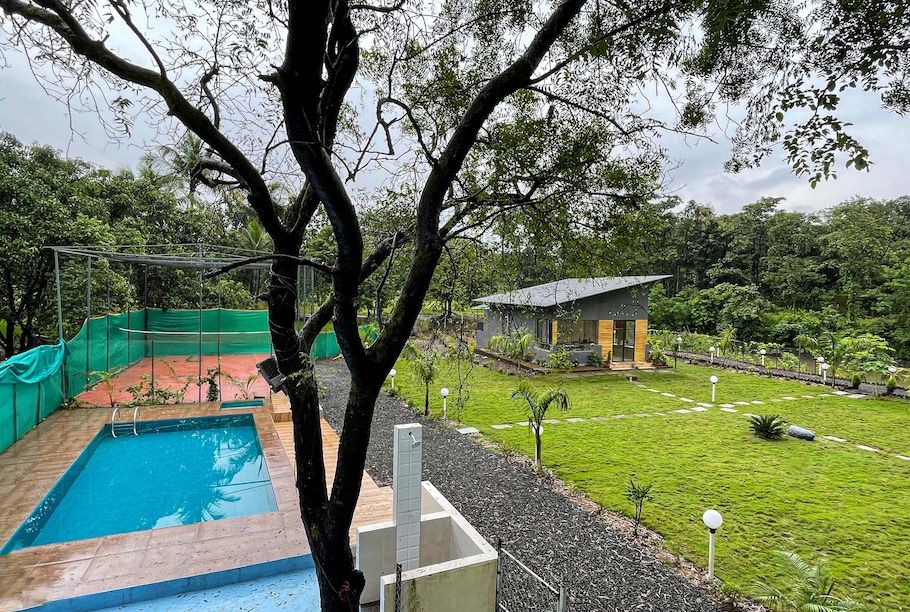
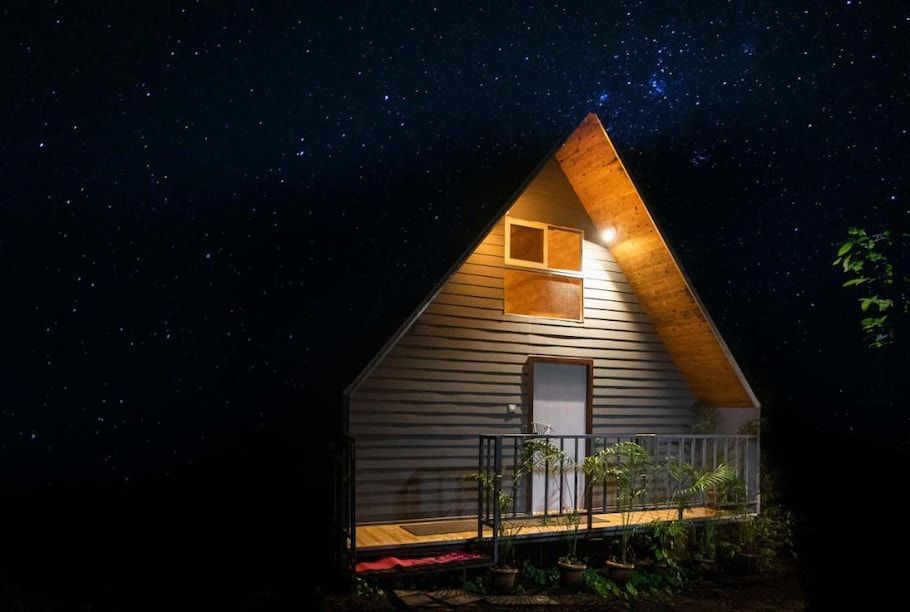
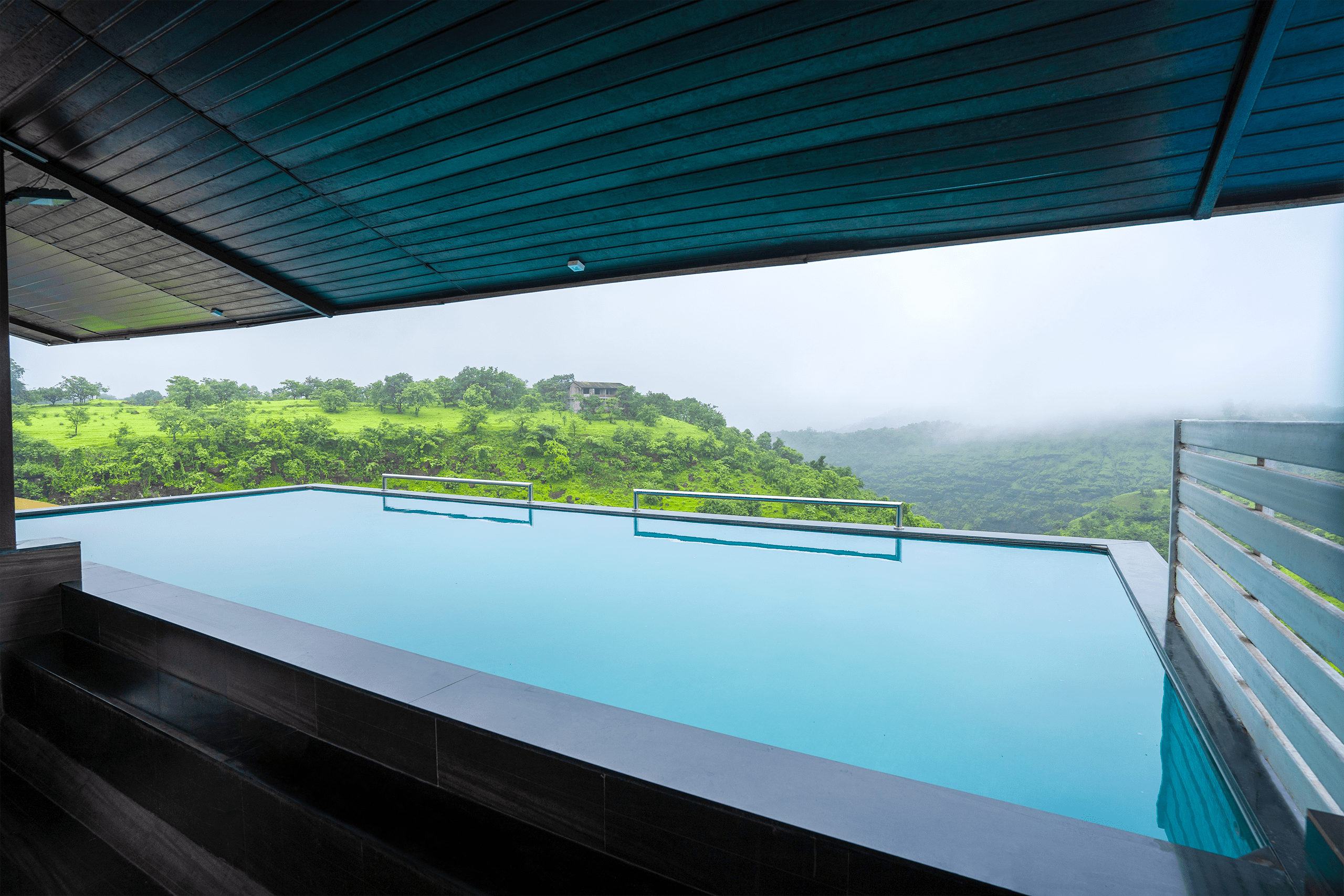
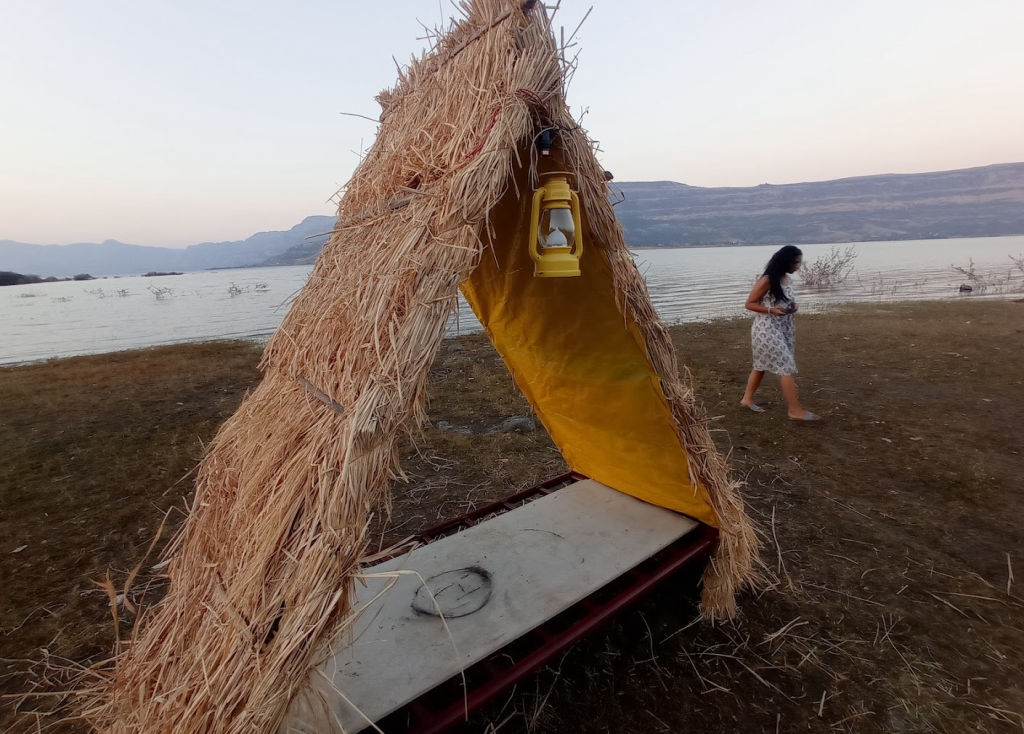
Travellers planning an overnight getaway around Ratangad have multiple stay options in and around the base villages. Ratanwadi and the neighboring hamlet of Samrad feature rustic village homestays where local families offer simple home-cooked Maharashtrian meals and warm hospitality. The wider Bhandardara and Shendi belt also offers scenic lakeside campsites and rural lodges suited for travellers seeking a quiet night beneath the stars.
You can find and book vetted campsites, local homestays, and outdoor stays around Ratangad directly on HireACamp. Staying near the base of the fort allows you to start your ascent in the cool hours of the early morning and experience the serene natural rhythm of the Western Ghats.
Frequently asked questions
How difficult is the Ratangad Fort trek?
The trek from Ratanwadi is considered moderately challenging. It involves a steady uphill climb through forest paths and requires ascending a few iron ladders fixed along steep rock faces near the top.
What is the Nedhe at Ratangad?
The Nedhe, or Eye of the Needle, is a natural rock aperture sculpted into the highest ridge of Ratangad by wind erosion, allowing trekkers to sit inside a natural window offering sweeping valley views.
How long does it take to climb Ratangad Fort?
From the base village of Ratanwadi, the ascent to the summit generally takes between two and a half to three and a half hours, depending on your physical fitness and walking pace.
Can beginners do the Ratangad trek?
Yes, active beginners with reasonable fitness can complete the trek comfortably, provided they wear good trekking shoes, take steady breaks, and exercise caution on the fixed ladders.
Are there food and water facilities on top of the fort?
Facilities on the summit plateau are minimal, with only occasional tea and snack vendors during busy weekends. You should carry sufficient water and packed food from the base village.
Where you'll be
11 stays nearby shown with prices
Stays near Ratangad
Book a place to stay close by

More places near Ratangad
Within 20 km


Lists for this area
Ranked by how many creators recommend each place


Built from 0 Instagram posts by 0 creators. Every tip links back to the post it came from, and where creators disagree we show both sides.






