
Panchakki
Monument near Aurangabad Cantonment, Maharashtra
2.9 km from Aurangabad Cantonment
The nearest town, for stays, food and fuel.
Panchakki is a historic eighteenth-century water mill complex situated in Aurangabad, Maharashtra. Celebrated for its medieval engineering ingenuity, it drew water from an underground aqueduct to drive a mechanical flour mill that fed travellers and pilgrims. Today, visitors come to marvel at its peaceful masonry reservoirs, centuries-old banyan tree, and serene Sufi heritage on the banks of the Kham River.
Getting there
By road
- From Aurangabad CantonmentNearest town11 min · 3.7 km
- From Nashik3 hr · 179 km
- From Pune5 hr 5 min · 235 km
- From Mumbai 5 hr 15 min · 343 km
Typical drive times without traffic. Stations and airports from OLA Maps; distances and typical drive times from OpenStreetMap (© OpenStreetMap contributors); notes from creators' Reels.
About Panchakki
Written with AI from map data and general knowledge. Check prices and timings locally before you go.
The history and engineering of Panchakki
Panchakki, which translates literally to water mill, stands as an extraordinary achievement of medieval hydraulic engineering in western India. Established during the late seventeenth and early eighteenth centuries, the complex was developed within the dargah grounds of Baba Shah Musafir, a revered Sufi saint. The mill was commissioned to grind wheat and grain to sustain the steady flow of travellers, ascetics, and impoverished visitors who sought refuge at the saint's sanctuary.
The genius of the complex lies in its subterranean gravity-fed water system. Water is harnessed from a natural reservoir located in the hills several kilometres outside the settlement. Transported through closed masonry conduits and clay pipelines that descend gradually beneath the ground, the water maintains steady head pressure through siphon principles. When it arrives at Panchakki, it surfaces into elevated stone towers before cascading into a deep rectangular cistern. The force of this falling water turned a concealed wooden turbine below, which drove the upper millstones without any animal or human labor.
What to see at the Panchakki complex
A walk through the Panchakki complex offers a gentle blend of mechanical history, tranquil gardens, and spiritual architecture. The centrepiece of the courtyard is a large, rectangular stone reservoir filled with cool water that supports large schools of carp. Watching the water spill smoothly from the raised stone channel into the pond creates a calming atmosphere that masks the sounds of the surrounding city.
Beside the main pond, visitors can view the chamber that houses the historic mill itself, demonstrating the clever mechanics that converted kinetic water power into grain milling. Across the stone courtyard sits the peaceful shrine of Baba Shah Musafir, along with a historic mosque built of dark basalt stone. Towering over the southern end of the complex is an enormous banyan tree, estimated to be hundreds of years old, whose sweeping branches provide deep shade across the flagstone terrace.
Read more
Best time to visit Panchakki
The region around Aurangabad experiences a semi-arid climate featuring hot summers, moderate monsoons, and mild winters. The most comfortable window to plan a trip to Panchakki is between October and March. During these cooler months, daytime temperatures remain pleasant for walking around outdoor courtyards, and the air is dry and comfortable.
The monsoon months from July to September are also an attractive time to visit. Rains bring lush greenery to the surrounding Deccan plateau and ensure steady water levels in the local catchment channels. While occasional showers may alter outdoor plans, the overcast weather keeps the midday heat at bay. By contrast, summer runs from April to June and often brings intense daytime heat with temperatures exceeding forty degrees Celsius, making morning or late afternoon visits necessary.
How to reach Panchakki
Panchakki is situated conveniently close to the centre of Aurangabad and can be accessed easily from various parts of the state. The city is served by a domestic airport that maintains scheduled flights connecting to major hubs like Mumbai and Delhi. Taxis and app-based cabs operate from the terminal directly into the city centre.
For those travelling by train, Aurangabad railway station is well linked to Maharashtra's rail network, with frequent daily expresses arriving from Mumbai, Pune, and northern India. The monument is only a short road trip away from the station. Aurangabad is likewise connected via comprehensive highway networks, with state transport buses and private coaches operating daily routes. Once within the town limits, auto-rickshaws and local cabs offer the most convenient transport to the monument gates.
Attractions around Panchakki
Because Panchakki is situated near the heart of the city, travellers can easily explore several cultural and scenic spots in the immediate vicinity. A short drive away lies Siddharth Garden and Zoo, a favored urban park with manicured lawns, colorful flowerbeds, and wildlife enclosures suitable for a relaxed stroll. Botanical enthusiasts can also explore Himayat Bagh, a sprawling Mughal-era garden filled with ancient fruit orchards and shaded walking trails.
For panoramic views of the city, Gogababa Tekdi is a quiet hillock just a few kilometres to the north. A short climb up its gentle slopes offers expansive views across the landscape, making it a popular spot for sunrise and sunset walks. Travellers interested in shopping for regional handicrafts, traditional metalware, and renowned woven textiles can spend an afternoon browsing the lively lanes of City Chowk and Kasari Bazar.
Tips for visiting Panchakki
Because Panchakki is an active spiritual site and Sufi memorial complex, visitors should wear modest clothing that covers their shoulders and knees. You may be asked to remove your shoes before stepping onto specific raised stone courtyards and prayer areas, so carrying a pair of socks can make walking on sun-warmed stone much more comfortable.
Give yourself about an hour to an hour and a half to walk through the complex, observe the water mechanisms, and relax in the shade of the ancient banyan tree. While watching the carp in the cistern is popular, check local guidelines on site before attempting to feed them. Entry parameters, ticketing arrangements, and visiting hours can occasionally change, so it is best to verify these locally when you arrive.
Where to stay
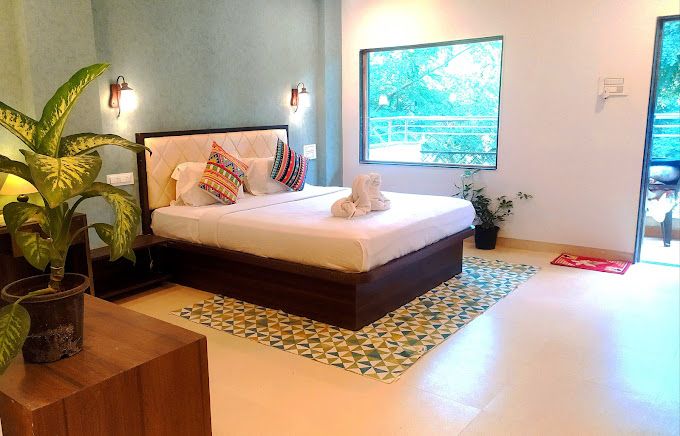
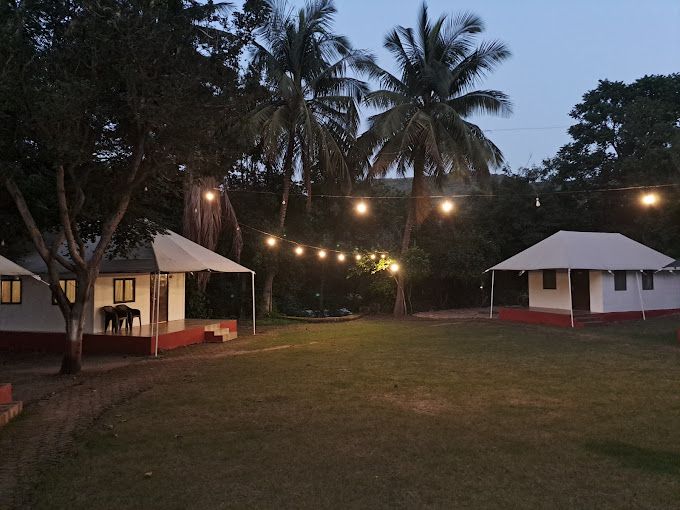
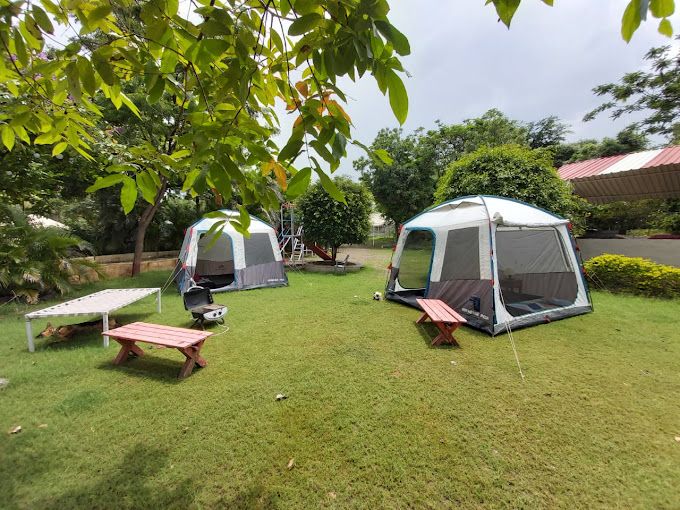
Aurangabad serves as a central hub for travellers exploring the heritage and outdoor beauty of central Maharashtra. If you are looking for an authentic stay beyond ordinary city lodgings, comfortable homestays, nature retreats, and rustic campsites in the region can be found on HireACamp. Choosing a homestay or outdoor camp allows you to enjoy regional home-cooked cuisine and scenic rural surroundings after spending the day exploring historic monuments.
Frequently asked questions
What is Panchakki famous for?
Panchakki is famous for its seventeenth-century hydraulic engineering, which utilized an underground gravity-fed aqueduct to channel mountain water and power a stone grain mill.
Where does the water at Panchakki come from?
The water originates from a natural mountain spring located several kilometres away, brought into the complex through subterranean earthen and masonry pipes.
How much time is needed to tour Panchakki?
Most visitors spend between forty-five minutes and an hour and a half exploring the water mill, the reservoir, the saint's dargah, and the gardens.
What is the best time of year to visit Panchakki?
The best period to visit is from October to March, when the weather across Maharashtra is mild, cool, and comfortable for sightseeing.
Is there a dress code for visiting Panchakki?
Visitors should dress modestly, covering shoulders and knees, as the monument forms part of an active Sufi shrine and sacred complex.
Where you'll be
Maharashtra · 3 stays nearby shown with prices
Stays near Panchakki
Book a place to stay close by
More places near Panchakki
Within 20 km
Built from 0 Instagram posts by 0 creators. Every tip links back to the post it came from, and where creators disagree we show both sides.






