
Bibi Ka Maqbara
Monument near Aurangabad, Maharashtra
3.7 km from Aurangabad
The nearest town, for stays, food and fuel.
Bibi Ka Maqbara is a striking seventeenth-century Mughal mausoleum located in Aurangabad, Maharashtra. Commissioned in memory of Dilras Banu Begum, the first and chief consort of Mughal Emperor Aurangzeb, it bears an unmistakable resemblance to the Taj Mahal in Agra. Travellers and architecture lovers visit to admire its symmetrical Charbagh gardens, intricate stucco carvings, and imposing marble dome set against the backdrop of the Deccan plateau.
Getting there
By road
- From AurangabadNearest town18 min · 5.3 km
- From Nashik3 hr · 180 km
- From Pune5 hr 10 min · 237 km
- From Mumbai 5 hr 20 min · 344 km
Typical drive times without traffic. Stations and airports from OLA Maps; distances and typical drive times from OpenStreetMap (© OpenStreetMap contributors); notes from creators' Reels.
About Bibi Ka Maqbara
Written with AI from map data and general knowledge. Check prices and timings locally before you go.
The story and significance of Bibi Ka Maqbara
Bibi Ka Maqbara was commissioned by Prince Azam Shah, the son of Emperor Aurangzeb, in memory of his beloved mother, Dilras Banu Begum, who was posthumously given the title Rabia-ud-Daurani. Constructed between 1651 and 1661 CE, the monument was designed by the architect Ata-Ullah, son of Ustad Ahmad Lahori, the principal architect of the Taj Mahal in Agra.
While conceived along the lines of the famous monument in Agra, Bibi Ka Maqbara stands out in its own right as the principal Mughal architectural achievement in the Deccan. It marks a transition in Mughal design, demonstrating how classic imperial aesthetics adapted to regional materials and budget considerations of the later Mughal era. Today, the monument remains one of Maharashtra's most celebrated heritage sites, drawing historians, photographers, and travellers keen on exploring India's medieval past.
Architecture and layout of Bibi Ka Maqbara
The mausoleum is built on an elevated square plinth with four slender, multi-tiered minarets rising from the corners, commanding a grand view of the surrounding landscape. The main structure features a central bulbous marble dome flanked by smaller ornamental domes and arches. Unlike the Taj Mahal, which is built entirely of white marble, Bibi Ka Maqbara combines pure marble for the central dome and facade with fine polished stucco plaster over basaltic trap rock for the lower sections, creating a distinctive texture and appearance.
Surrounding the tomb is a classic Persian-style Charbagh garden, divided symmetrically by walking paths, water channels, fountains, and reflecting pools. The interior chamber houses the tomb of Dilras Banu Begum below ground level, encircled by exquisitely carved octagonal marble jali screens. The play of light and shadow through these perforated screens and the floral bas-relief motifs on the walls highlight the delicate artistry of the Deccan craftsmen.
Read more
Best time to visit Bibi Ka Maqbara
The ideal period to visit Bibi Ka Maqbara is during the post-monsoon and winter months, from October to March. During this time, temperatures in Aurangabad remain pleasant and comfortable for walking around the open gardens and paved courtyards.
Summers from April to June can be harsh, with daytime temperatures often climbing above forty degrees Celsius, making open-air sightseeing exhausting during midday hours. The monsoon season from July to September brings refreshing showers, revitalising the surrounding lawns and gardens into vibrant shades of green, although occasional heavy downpours may interrupt outdoor exploration.
How to reach Bibi Ka Maqbara
Bibi Ka Maqbara is located well within the city limits of Aurangabad, making it easily accessible through multiple modes of transport. The nearest major railhead is the Aurangabad Railway Station, which connects to major cities across Maharashtra and central India. The city also has its own airport with regular flights connecting to hubs such as Mumbai, Delhi, and Hyderabad.
From the railway station, central bus stand, or airport, local auto-rickshaws, city buses, and app-based taxis are readily available to take you directly to the monument entrance. If you are travelling by road from nearby cities like Pune or Nashik, state highways and express corridors provide a smooth approach into Aurangabad.
Tips for your visit to Bibi Ka Maqbara
Plan to arrive either early in the morning shortly after sunrise or in the late afternoon before sunset. Morning visits offer quieter grounds, cooler temperatures, and gentle lighting that accentuates the white marble facade, while late afternoons provide golden hour illumination and pleasant breezes across the gardens.
Because you will need to walk on stone pathways and remove your shoes before stepping into the central tomb area, wearing slip-on footwear is convenient. Carrying a water bottle, sun hat, and sunglasses is recommended, particularly on bright days. Always verify the prevailing entry guidelines and photography rules locally at the ticket counter before stepping inside.
Places to visit near Bibi Ka Maqbara
A trip to Bibi Ka Maqbara can easily be combined with several nearby historic and natural spots within Aurangabad. Just two kilometres north in the Sihaychal hills lie the Aurangabad Caves, a group of rock-cut Buddhist shrines dating back to the sixth and seventh centuries, offering sweeping panoramic views of the city below.
Nature lovers can stop by Salim Ali Lake, located about two kilometres away, which serves as a quiet birdwatching haven in the middle of the city. The nearby Siddharth Garden and Zoo provides shaded green pathways suitable for a relaxing stroll. For those interested in traditional crafts and street atmosphere, the bustling markets of City Chowk and Kasari Bazar are within easy reach, offering local textiles, jewellery, and authentic regional culinary treats.
Where to stay near Bibi Ka Maqbara
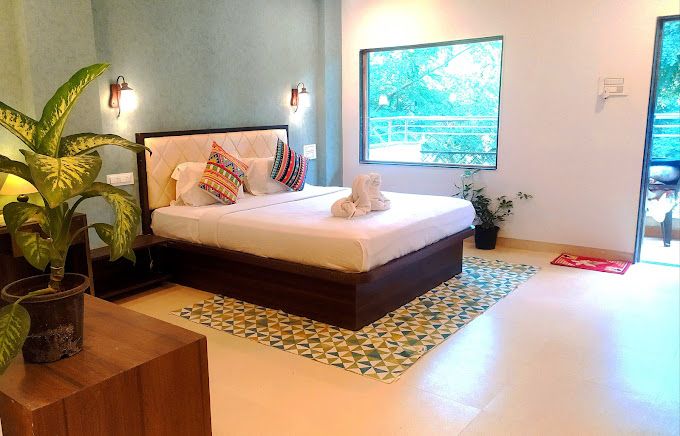
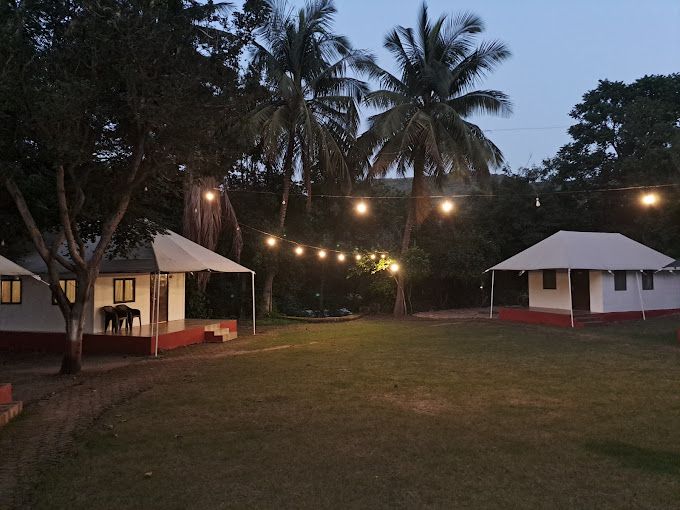
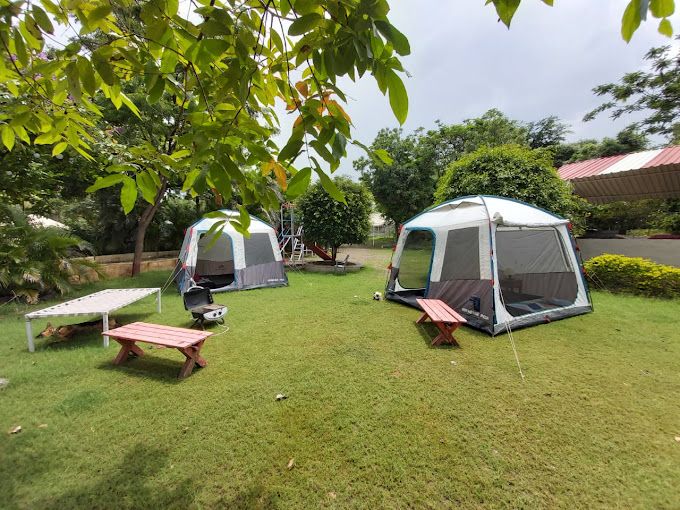
Aurangabad offers a wide range of stay options tailored to history buffs, solo backpackers, and families visiting the historical circuit. Whether you prefer tranquil farm stays in the rural outskirts, traditional homestays hosted by local families, or experiential outdoor camping spots nestled near the Sahyadri foothills, suitable accommodations can be discovered on HireACamp to suit your travel style.
Frequently asked questions
Why is Bibi Ka Maqbara called the Taj of the Deccan?
It is called the Taj of the Deccan because its architectural plan, central dome, four minarets, and symmetrical garden layout were deliberately modeled on the Taj Mahal in Agra.
Who was Bibi Ka Maqbara built for?
The monument was built in memory of Dilras Banu Begum, the first wife and chief consort of Mughal Emperor Aurangzeb, commissioned by their son Prince Azam Shah.
How long does it take to explore Bibi Ka Maqbara?
Most visitors spend between one to two hours exploring the central mausoleum, walking around the Charbagh gardens, and taking photographs.
Can I visit Aurangabad Caves and Bibi Ka Maqbara on the same day?
Yes, the Aurangabad Caves are located just about two kilometres north of Bibi Ka Maqbara, making it very easy to visit both heritage sites within a single morning or afternoon.
Is footwear allowed inside the tomb?
Visitors must remove their footwear before ascending the plinth and entering the inner mausoleum, though shoes can be worn while walking through the outer gardens.
Where you'll be
Maharashtra · 3 stays nearby shown with prices
Stays near Bibi Ka Maqbara
Book a place to stay close by
More places near Bibi Ka Maqbara
Within 20 km
Built from 0 Instagram posts by 0 creators. Every tip links back to the post it came from, and where creators disagree we show both sides.






