
Kailash Temple
Temple near Aurangabad, Maharashtra
4.2 km from Aurangabad
The nearest town, for stays, food and fuel.
Kailash Temple, situated within the Ellora Caves complex near Chhatrapati Sambhaji Nagar in Maharashtra, is one of the most remarkable monolithic rock-cut structures in the world. Carved entirely out of a single basalt cliff from the top downward, the temple was built to represent Mount Kailash, the sacred Himalayan abode of Shiva. Travellers, historians, and architecture enthusiasts come from across the globe to witness its extraordinary engineering, intricate friezes, and colossal scale.
Getting there
By road
- From AurangabadNearest town20 min · 5.8 km
- From Nashik3 hr 5 min · 180 km
- From Pune5 hr 10 min · 237 km
- From Mumbai 5 hr 20 min · 345 km
Typical drive times without traffic. Stations and airports from OLA Maps; distances and typical drive times from OpenStreetMap (© OpenStreetMap contributors); notes from creators' Reels.
About Kailash Temple
Written with AI from map data and general knowledge. Check prices and timings locally before you go.
The architecture and origin of Kailash Temple
Designated as Cave 16 within the Ellora Caves group, Kailash Temple stands apart from almost every other rock-cut monument on earth. Commissioned during the eighth century CE under the patronage of the Rashtrakuta dynasty, most notably King Krishna I, the temple was created through a technique known as top-down vertical excavation. Rather than assembling blocks of stone or carving horizontally into a cave wall, artisans began at the summit of the basalt cliff and chiselled downward, removing hundreds of thousands of tonnes of rock to reveal a free-standing, multi-storeyed temple complex.
The entire complex is oriented to emulate Mount Kailash. The central shrine is flanked by monumental courtyards, towering stone pillars, life-sized carved animals, and colonnaded galleries cut directly into the enclosing stone cliffs. Because the excavation allowed no room for error, every doorway, pillar, and ornamental relief had to be planned and executed with absolute mathematical and artistic precision from the very beginning.
Key features to explore inside the complex
Passing through the low entrance gateway brings visitors into a vast U-shaped courtyard flanked by sheer cliff walls up to thirty metres high. In the centre rises the main sanctum, known as the vimana, which stands nearly thirty-two metres tall and features an intricately carved multi-tiered tower. At the base of the main structure runs a massive sculpted plinth where life-sized elephants and lions appear to carry the entire temple on their backs.
Between the entrance pavilion and the sanctum stands the Nandi Mandapa, housing the sacred bull facing Shiva. On either side of the courtyard stand two imposing monolithic victory pillars, known as dhwajasthambhas, etched with traditional motifs. The surrounding cliff walls feature multi-storeyed pillared corridors housing relief panels that depict scenes from the Ramayana, the Mahabharata, and various manifestations of Shiva and Vishnu. Taking time to walk slowly along the base and the elevated galleries reveals exceptional narrative relief panels that convey motion, drama, and divine majesty.
Read more
Best time to visit Kailash Temple
The Marathwada region experiences a semi-arid climate with hot summers and moderate winters. The most comfortable time to visit Kailash Temple is between October and March. During these months, the daytime weather remains relatively mild and dry, making it pleasant to walk across the expansive open courtyards and explore the surrounding caves on foot.
The monsoon season, running from late June to September, offers another distinct perspective. The surrounding hills turn vibrant green, and small seasonal waterfalls frequently trickle down the cliff faces around the Ellora complex. However, travellers visiting during rains should be prepared for humid conditions and slippery stone steps. Summers, from April to June, can be extremely hot, with afternoon temperatures routinely climbing high enough to make open-air stone surfaces uncomfortable underfoot.
How to reach Kailash Temple
Kailash Temple is located near the village of Ellora, roughly thirty kilometres north-west of Chhatrapati Sambhaji Nagar, formerly known as Aurangabad. The city serves as the main transit hub for visitors coming by air, rail, or highway.
Chhatrapati Sambhaji Nagar Airport connects the region with several major Indian cities, while the city's railway station is well linked to Mumbai, Pune, Hyderabad, and Delhi on direct train routes. From the city centre, travellers can reach the temple site by local state transport buses, hired taxis, or auto-rickshaws along the state highway. The drive typically takes under an hour under standard traffic conditions. Regular private vehicles and regional taxis operate consistently between the central bus stations and the Ellora monument gates.
Tips for your visit
A thorough visit to Kailash Temple requires substantial walking on bare rock and climbing narrow, hand-hewn stone steps. Wear sturdy footwear with reliable grip, though be mindful that shoes must be removed before stepping into the active inner sanctum. Because the open courtyard has limited shade during the middle of the day, a wide-brimmed hat, sun protection, and a refillable water bottle are essential throughout the year.
Plan to arrive early in the morning to experience the temple in cooler temperatures and softer natural light, which is particularly rewarding for photography. Give yourself at least two to three hours specifically for Cave 16, separate from any time you plan to spend touring the other thirty-three excavated caves in the Ellora group. Check entry regulations, official ticketing guidelines, and photography permissions on local government portals before your journey.
Places to visit around the region
The broader area surrounding Chhatrapati Sambhaji Nagar holds an exceptional concentration of historical monuments and natural landscapes. Beyond Kailash Temple itself, the Ellora complex contains dozens of other Buddhist, Hindu, and Jain cave temples carved between the sixth and tenth centuries.
Closer to the city, the Aurangabad Caves sit perched on a scenic ridge overlooking the plains, offering quiet rock-cut shrines with fine Buddhist carvings. Nature lovers can spend time around Salim Ali Lake or Harsool Lake, both of which attract regional birdlife during winter mornings. Combining a visit to Kailash Temple with other regional landmarks provides a rich introduction to the ancient trade routes and artistic traditions of western India.
Where to stay near Kailash Temple
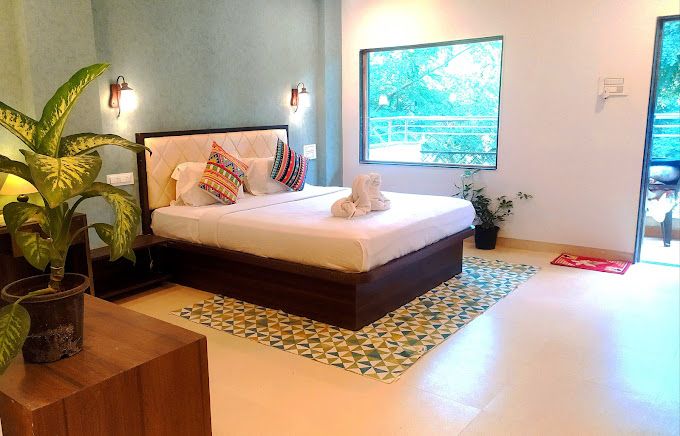
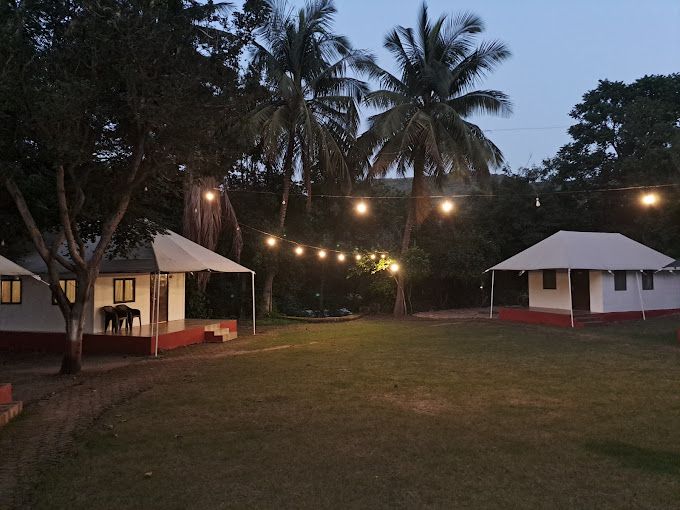
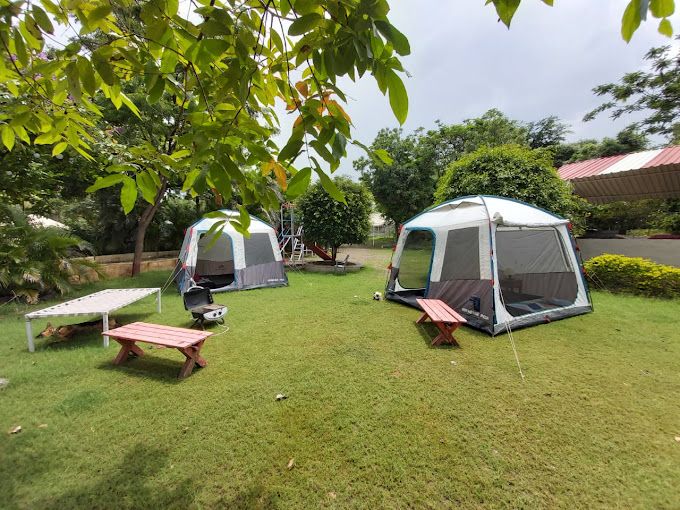
Travellers visiting Kailash Temple can choose between staying close to the Ellora monument complex for an early start or basing themselves in Chhatrapati Sambhaji Nagar for wider amenities and connectivity. Stays range from rural retreats nestled in the countryside to quiet homestays and heritage-style properties in and around the city.
If you prefer an immersive travel experience close to nature, camping options, eco-stays, and verified homestays throughout the region can be booked through HireACamp. Staying nearby allows you to enjoy the calm Deccan mornings and reach the monument before peak visiting hours.
Frequently asked questions
What makes Kailash Temple architecturally unique?
Kailash Temple is celebrated as the largest monolithic rock-cut structure in the world. Rather than being constructed with stone blocks, the entire temple complex was sculpted downward from the top of a single basalt cliff face.
How much time is needed to see Kailash Temple?
Most visitors spend between two and three hours exploring the main courtyard, sanctum, and side galleries of Kailash Temple alone. If you intend to see the other caves in the Ellora complex, plan for a full day.
Is Kailash Temple open on all days?
The Ellora Caves complex, which includes Kailash Temple, typically follows designated regional weekly closure schedules. Travellers should verify current open days and entry timings with official archaeological authorities before planning their itinerary.
Can elderly travellers comfortably visit Kailash Temple?
The main courtyard can be accessed with moderate walking, but moving between upper levels, narrow walkways, and inner shrines involves steep and uneven rock-cut stairs. Taking a steady pace and using supportive footwear is recommended.
What is the best way to travel from Chhatrapati Sambhaji Nagar to Kailash Temple?
The temple is roughly thirty kilometres from the city centre and can be reached easily by state transport buses, private taxis, or app-based cabs via the state highway in about forty-five to sixty minutes.
Where you'll be
Ellora Caves, Chhatrapati Sambhaji Nagar, MH · 3 stays nearby shown with prices
Stays near Kailash Temple
Book a place to stay close by
More places near Kailash Temple
Within 20 km
Built from 0 Instagram posts by 0 creators. Every tip links back to the post it came from, and where creators disagree we show both sides.






