
Pituk
Destination in Ladakh
Pituk, also widely known as Spituk, is a serene village and monastic settlement located along the Indus River just south of Leh in Ladakh. Framed by rugged mountain ridges and wide barren valleys, it is celebrated for its historic eleventh-century monastery that watches over the high-altitude landscape. Travellers visit Pituk to experience centuries-old Buddhist heritage, panoramic Himalayan vistas, and a quieter rhythm of Ladakhi village life.
Getting there
About Pituk
Written with AI from map data and general knowledge. Check prices and timings locally before you go.
An introduction to Pituk
Perched on a rocky hillock rising above the plains of the Indus River, Pituk holds an important position in the cultural landscape of central Ladakh. The village has grown beneath the protective gaze of Spituk Gompa, an iconic monastery founded in the eleventh century by Od-de, the elder brother of Lha Lama Yeshe O-d. Originally associated with the Kadampa school, the monastery was later incorporated into the Gelugpa or Yellow Hat order under the guidance of Lotsawa Rinchen Zangpo.
The settlement sits at an altitude of over 3,300 metres above sea level. Below the monastery ridge, the village opens up into green agricultural fields irrigated by mountain streams, contrasting sharply with the dry, buff-coloured scree slopes of the Ladakh Range. Walking through Pituk offers a glimpse into traditional Ladakhi life, where whitewashed mud-brick houses, fluttering prayer flags, and poplar groves define the village scenery.
Things to see and do in Pituk
The primary highlight of any visit to Pituk is climbing up through the tiers of Spituk Monastery. The complex houses sacred shrines, ancient prayer halls, and an extensive collection of thangkas, antique weapons, and monastic masks. At the very top stands the shrine dedicated to the fierce deity Mahakala, also revered locally as Palden Lhamo, whose face is traditionally unveiled only during the annual monastic festival. From the higher terraces of the monastery, you are rewarded with sweeping views across the Indus Valley, the airstrip of Leh, and the distant snow-crowned peaks of the Stok Range.
Beyond the gompa, taking a stroll along the network of village paths reveals a slower, reflective pace of travel. You can wander towards the banks of the Indus River, where willow thickets provide shaded resting spots and local farmers tend to patches of barley and vegetables during the warmer months. Photography enthusiasts will find endless inspiration in the interplay of crisp mountain light, stark shadows, and the geometric beauty of the monastic architecture against the open sky.
Read more
Day trips and getaways near Pituk
Due to its central location in the Leh district, Pituk serves as a convenient launchpad for exploring the wider Indus Valley. Just a short drive away lies Leh town, where you can explore the Leh Palace, the bustling main bazaar, and Shanti Stupa, which provides elevated sunset perspectives over the town.
Heading westward along the national highway brings you to several prominent landmarks. A short excursion leads to the Hall of Fame museum, followed by the Kali Mandir at Spituk and further out to Gurudwara Pathar Sahib, a revered Sikh shrine maintained by the Indian Army. Continuing along the same route brings you to the famous Magnetic Hill and the dramatic confluence of the emerald Indus and muddy Zanskar rivers at Nimmu. A little further north of Pituk, the Phyang Monastery offers another peaceful monastery excursion tucked within a dramatic side valley.
Best time to visit Pituk
The summer months from May through September are considered the best time to visit Pituk. During this period, daytime temperatures are pleasantly warm, the high mountain passes leading into Ladakh are open to road traffic, and the valley is at its most vibrant with green fields and clear skies. Nights can still be crisp, so light warm layers remain necessary even in July and August.
Autumn arrives in October, bringing golden foliage to the willows and poplars along the river, accompanied by sharper drops in nighttime temperatures. For travellers interested in cultural traditions, winter brings a unique spectacle. The annual Spituk Gustor festival usually takes place in January, featuring sacred cham dances performed by resident monks dressed in elaborate costumes and masks. While winter temperatures regularly fall well below freezing, it offers an authentic, crowd-free immersion into Ladakhi spiritual life.
How to reach Pituk
Reaching Pituk is straightforward because of its proximity to regional transit hubs. Kushok Bakula Rimpochee Airport in Leh is situated practically adjacent to Pituk, making air travel the quickest way to arrive. Daily scheduled flights connect Leh with major Indian cities such as Delhi, Srinagar, and Chandigarh. From the airport terminal, a short taxi ride of just a few minutes brings you directly into the village.
For overland travellers, two iconic highway routes lead to Ladakh during the summer months: the Srinagar-Leh Highway via Kargil and Zoji La, and the Manali-Leh Highway across high-altitude Himalayan passes including Rohtang, Baralacha La, and Tanglang La. Once you arrive in Leh by bus, shared taxi, or private vehicle, Pituk is easily accessible via local taxis, auto-rickshaws, or local buses that ply regularly between Leh and neighbouring villages.
Practical tips for travellers
Altitude acclimatization is the single most important factor when visiting Pituk. If you fly into the region, dedicate at least the first 24 to 48 hours to complete rest and light walking. Drink ample water, avoid strenuous climbs on your first day, and monitor yourself for signs of Acute Mountain Sickness before hiking up the monastery steps.
When visiting the monastery and village shrines, dress modestly and ensure shoulders and knees are covered. Always remove your shoes before stepping inside prayer halls, and remember to walk clockwise around chortens, mani walls, and shrines. Sunlight at high altitudes is intense, so pack high-SPF sunscreen, protective sunglasses, and a wide-brimmed hat. Cash remains useful for small village purchases, so it is wise to withdraw money from ATMs in Leh before exploring smaller surrounding settlements.
Where to stay in Pituk
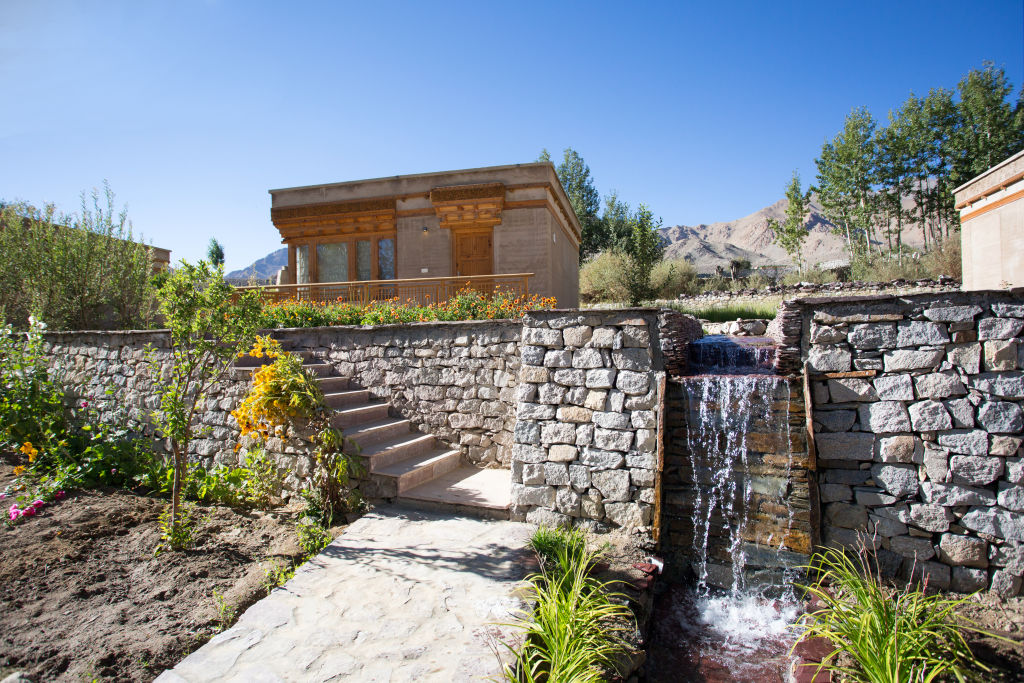
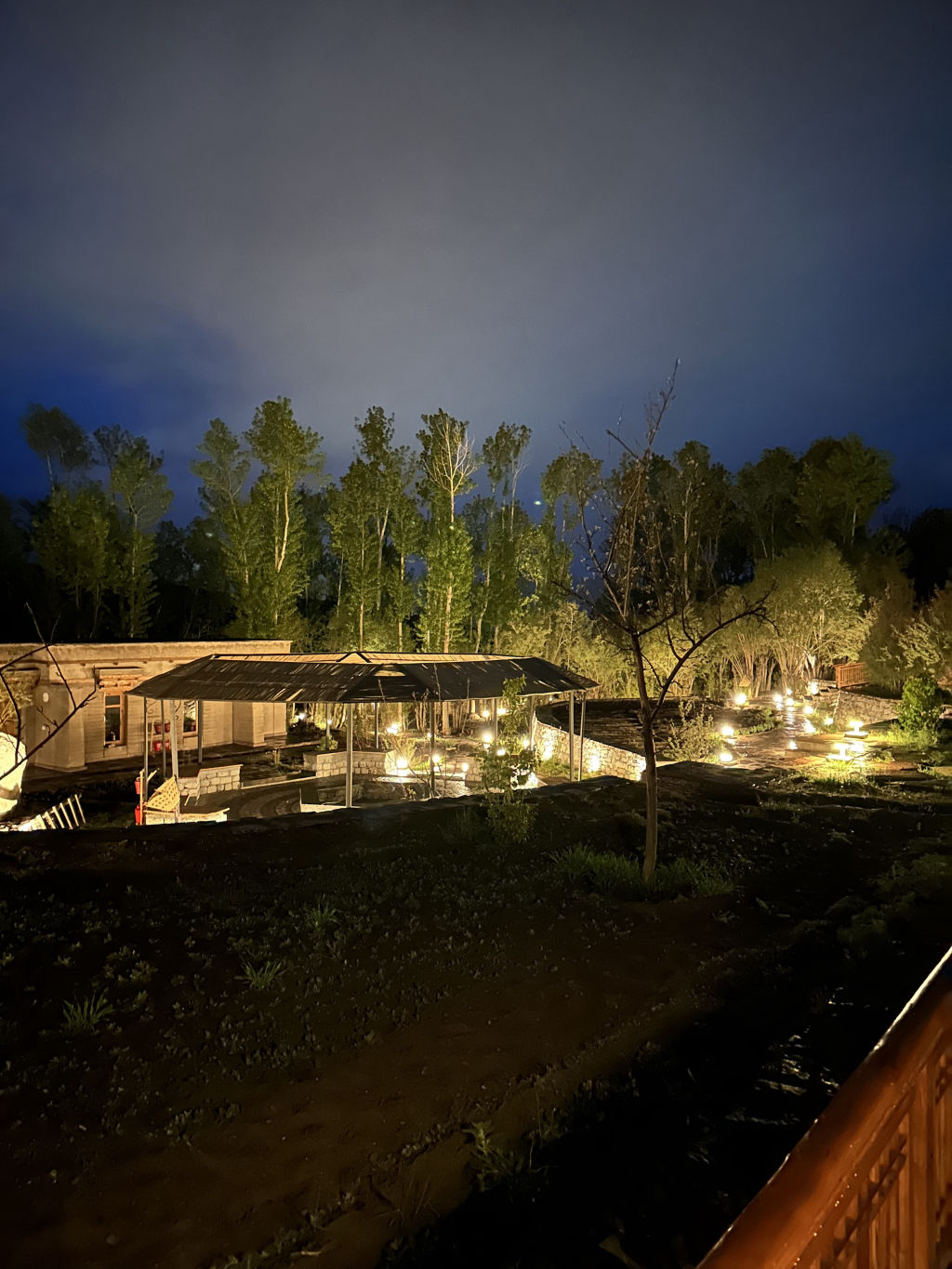
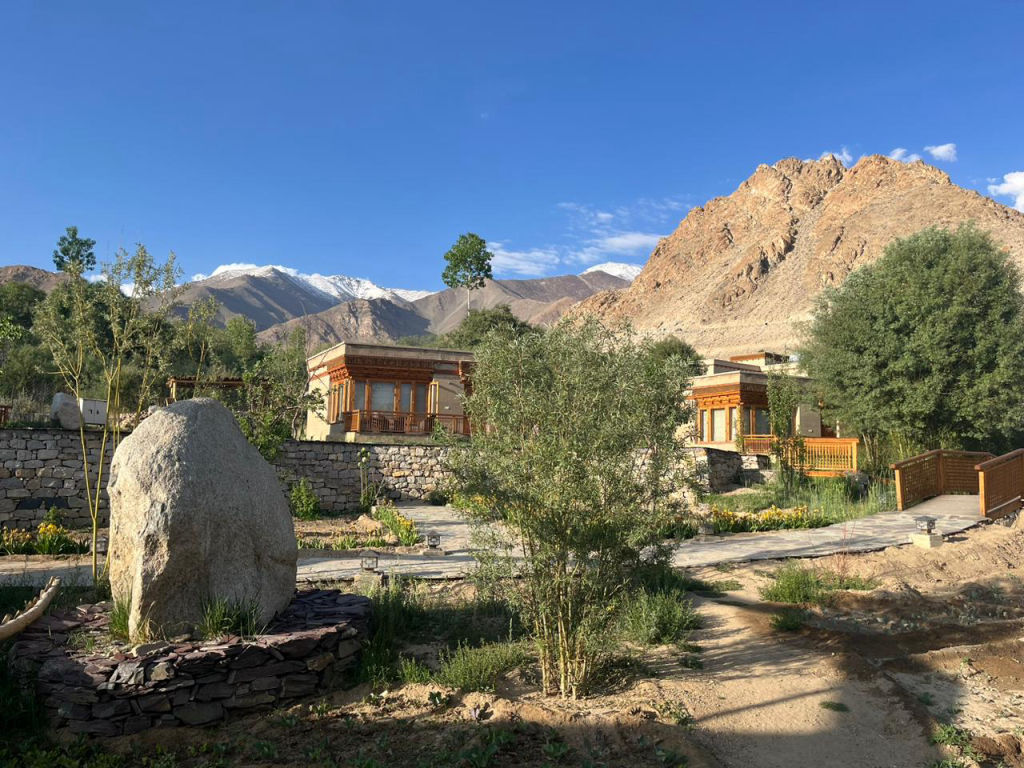
Accommodations around Pituk range from traditional Ladakhi homestays where you can share meals and tea with host families, to quiet guesthouses and boutique nature camps situated in the surrounding green belts and along the Indus River. Staying in or near Pituk gives you a more peaceful, authentic village environment compared to the busier commercial streets of central Leh, while still keeping urban amenities within easy reach.
You can find and book vetted homestays, nature retreats, and eco-camps around Pituk and the Leh valley on HireACamp.
Frequently asked questions
What is Pituk best known for?
Pituk is best known for the eleventh-century Spituk Gompa, an important Gelugpa Buddhist monastery that overlooks the Indus Valley and hosts the vibrant Spituk Gustor festival.
How far is Pituk from Leh?
Pituk is situated roughly eight kilometres southwest of Leh town centre, and sits right next to the Leh airport, making it accessible in around ten to fifteen minutes by road.
Do I need permits to visit Pituk?
Indian citizens do not require an Inner Line Permit to visit Pituk or Leh town, though permits are required for protected areas further out like Nubra Valley and Pangong Tso. Foreign travellers must obtain a Protected Area Permit for those outlying circuits, so check local administrative guidelines upon arrival.
Can I visit Pituk in the winter?
Yes, Pituk can be visited during winter by flight. While the weather is extremely cold, winter allows you to witness the famous Spituk Gustor monastic festival and experience a traditional, quiet Ladakhi winter.
Is Spituk Monastery physically difficult to visit?
Visiting the monastery involves climbing several flights of stone stairs up the hillock. Because of the high altitude, visitors should acclimatize first and take the stairs at a slow, gentle pace.
Where you'll be
3 stays nearby shown with prices
Stays near Pituk
Book a place to stay close by
Things to do in Pituk
48 places creators recommend within 30 km
Built from 0 Instagram posts by 0 creators. Every tip links back to the post it came from, and where creators disagree we show both sides.






