
Spituk Monastery
Monastery near Pituk, Ladakh
1.8 km from Pituk
The nearest town, for stays, food and fuel.
Spituk Monastery, also known as Spituk Gompa or Pethup Gompa, is an eleventh-century Buddhist monastery perched dramatically on a rocky hill near the village of Pituk in Ladakh. Overlooking the wide Indus River valley and the surrounding Himalayan ranges, it serves as an important spiritual center of the Gelugpa sect. Visitors travel here to admire its ancient prayer halls, intricate murals, and panoramic vistas of the windswept Ladakhi landscape.
Getting there
By road
- From PitukNearest town4 min · 2.3 km
Typical drive times without traffic. Stations and airports from OLA Maps; distances and typical drive times from OpenStreetMap (© OpenStreetMap contributors); notes from creators' Reels.
About Spituk Monastery
Written with AI from map data and general knowledge. Check prices and timings locally before you go.
About Spituk Monastery
Rising sharply from the desert plains just outside Leh, Spituk Monastery stands on a high rocky bluff above the Indus River. The monastery is often referred to locally as Pethup Gompa, a name derived from an expression denoting an exemplary religious community. Originally founded in the eleventh century by Od-de, the elder brother of Lha Lama Yeshe Od, the gompa initially belonged to the Red Hat sect before being integrated into the Gelugpa or Yellow Hat tradition in the fifteenth century.
Today, Spituk Monastery functions as the seat of several smaller monasteries across Ladakh, including those at Stok, Sankar, and Saboo. The compound features a series of whitewashed tiers, traditional Ladakhi timber-framed windows, and red-trimmed parapets that climb organically up the contours of the hill. From its courtyard and terraced rooftops, travelers can look across the flat plains where Leh's runway lies, framed by the stark, snow-capped peaks of the Ladakh and Zanskar ranges.
History and Cultural Significance
The origins of Spituk Monastery trace back nearly a millennium, when the great translator and scholar Lotsawa Rinchen Zangpo visited the area and blessed the site, predicting that an exemplary religious community would flourish here. In its early centuries, the monastery was affiliated with the Kadampa school. During the reign of King Grags-pa-'bum-lde in the fifteenth century, the monastery was revived and incorporated into the Gelugpa order founded by Je Tsongkhapa.
Throughout Ladakh's complex royal history, Spituk played a prominent spiritual and defensive role due to its strategic elevation over the Indus valley. The monastery contains historic shrines dedicated to Mahakala, Tara, and the Buddha, along with an extensive collection of ancient thangkas, bronze statuary, and manuscripts. It is also famous for the annual Spituk Gustor festival, a vibrant two-day winter ceremony where monks perform sacred mask dances known as cham to ward off negative energies and usher in prosperity for the community.
Read more
What to See at Spituk Monastery
The monastery complex is divided across multiple levels connected by steep stone staircases and narrow alleys. At the lower levels, the main assembly hall, known as the Dukhang, houses seating areas for monks, large prayer wheels, and grand thrones reserved for the head lama and the Dalai Lama during his visits. The walls of the Dukhang are decorated with traditional frescoes depicting protective guardian deities, the life of the Buddha, and lineage masters of the Gelug school.
Higher up the hill stands the temple dedicated to Palden Lhamo, a fierce guardian deity. This shrine is notable for its formidable statues, which remain shrouded under cloth for most of the year and are only uncovered during the winter Gustor festival. Another highlight is the shrine of the goddess Tara, featuring finely crafted statues of her twenty-one forms. Beyond the sacred interiors, spending time on the rooftop terraces allows visitors to watch prayer flags flutter against the clear mountain air while taking in uninterrupted views of the Indus meandering through the high-altitude desert.
Best Time to Visit Spituk Monastery
The most comfortable time to visit Spituk Monastery is between May and September. During these summer and early autumn months, roads throughout Ladakh are open, daytime temperatures are pleasant, and clear skies allow for excellent visibility across the surrounding mountain ranges. July and August bring warm afternoons and the peak of the travel season, making early morning visits ideal to avoid crowds.
For those interested in regional culture, visiting during the winter months offers a rare look at traditional Ladakhi monastic life. The Spituk Gustor festival takes place in the eleventh month of the Tibetan lunar calendar, typically falling in January. While winter travel to Ladakh involves freezing temperatures, heavy snowfall on high passes, and reduced amenities, witnessing the ritual cham dances in the snow-dusted monastery courtyard provides an unforgettable cultural experience.
How to Reach Spituk Monastery
Spituk Monastery is situated in the Leh tehsil, just a short drive southwest of the main town of Leh and close to Pituk village. Travelers arriving by air land at Kushok Bakula Rimpochee Airport in Leh, which is only a few kilometers away from the base of the hill. From Leh town, visitors can easily hire local taxis, rent self-drive motorcycles, or board shared public buses that connect Leh with nearby villages along the Indus highway.
If you are traveling by road to Ladakh from Manali or Srinagar, the routes generally terminate in Leh. Once in town, the drive to Spituk follows the well-paved Leh-Kargil highway before turning onto a short approach road leading directly to the monastery parking area. From the base, a paved stairway leads up through the monastery levels to the topmost shrines.
Tips for Visiting Spituk Monastery
Because Spituk sits at an altitude of over 3,300 meters above sea level, acclimatization is essential. If you have just arrived in Ladakh by air, spend your first day resting in your accommodation to avoid the effects of acute mountain sickness before attempting to climb the monastery's stairs. Stay well-hydrated, move at an unhurried pace, and carry water during your visit.
Spituk Monastery is an active place of worship, so respectful conduct is expected at all times. Dress modestly, covering shoulders and knees, and remove your footwear before entering any temple or shrine hall. Always walk clockwise around stupas, prayer wheels, and interior shrines. Photography is usually permitted in the outer courtyards and terraces, but taking photos inside the sanctums or of specific sacred relics is often restricted; look for posted signs or politely ask a resident monk before taking pictures.
Places to Explore Nearby
A visit to Spituk Monastery pairs well with exploring other natural and cultural landmarks along the Indus and Zanskar valleys. Just a short distance away lies Guphuks Pond, a quiet body of water frequented by migratory birds in season. Further down the highway toward Nimmu, travelers can visit Sangam Point, the dramatic confluence where the muddy waters of the Zanskar River meet the turquoise Indus amid towering gorge walls.
Heading north over the Ladakh Range brings you toward Khardung La, one of the world's highest motorable mountain passes and the gateway to the Nubra Valley. Travelers can also explore the historic core of Leh, home to Leh Palace, the Central Asian Museum, and vibrant local markets selling handwoven pashmina, dried apricots, and traditional handicrafts.
Where to Stay Near Spituk Monastery
Visitors to Spituk Monastery have various lodging choices spread between Pituk village, the outskirts of Leh, and the surrounding rural valleys. Staying in the immediate vicinity offers a quiet, relaxed atmosphere surrounded by barley fields and willow groves, away from the busier central streets of Leh town.
Travelers interested in authentic high-altitude experiences can browse HireACamp for local homestays, guesthouses, and scenic outdoor camps situated across the Leh valley. Opting for a homestay provides an opportunity to interact with Ladakhi families, taste home-cooked regional meals, and experience the warmth of Himalayan hospitality.
Frequently asked questions
Where is Spituk Monastery located?
Spituk Monastery is located on a hilltop in the village of Pituk within the Leh Tehsil of Ladakh, India, just a short drive from Leh town and the local airport.
What is Spituk Monastery famous for?
The monastery is famous for its commanding views over the Indus River valley, its ancient statues and thangkas, and the annual Spituk Gustor festival featuring monastic mask dances.
Is photography allowed inside Spituk Monastery?
Photography is generally permitted in the outdoor courtyards and open terraces, but it is often restricted inside the prayer halls and sacred shrines. Always check for signs or ask a resident monk before using a camera.
How much physical effort is required to visit Spituk Monastery?
Reaching the higher shrines involves climbing multiple flights of stone stairs at an altitude exceeding 3,300 meters. Visitors should take their time, pause as needed, and ensure they are well acclimatized before ascending.
What is the best season to plan a visit to Spituk Monastery?
The summer months from May to September offer the most pleasant weather and easiest road connectivity. Winter is cold, but it is the only time to experience the traditional Spituk Gustor festival held in January.
Where you'll be
Leh Tehsil · 3 stays nearby shown with prices
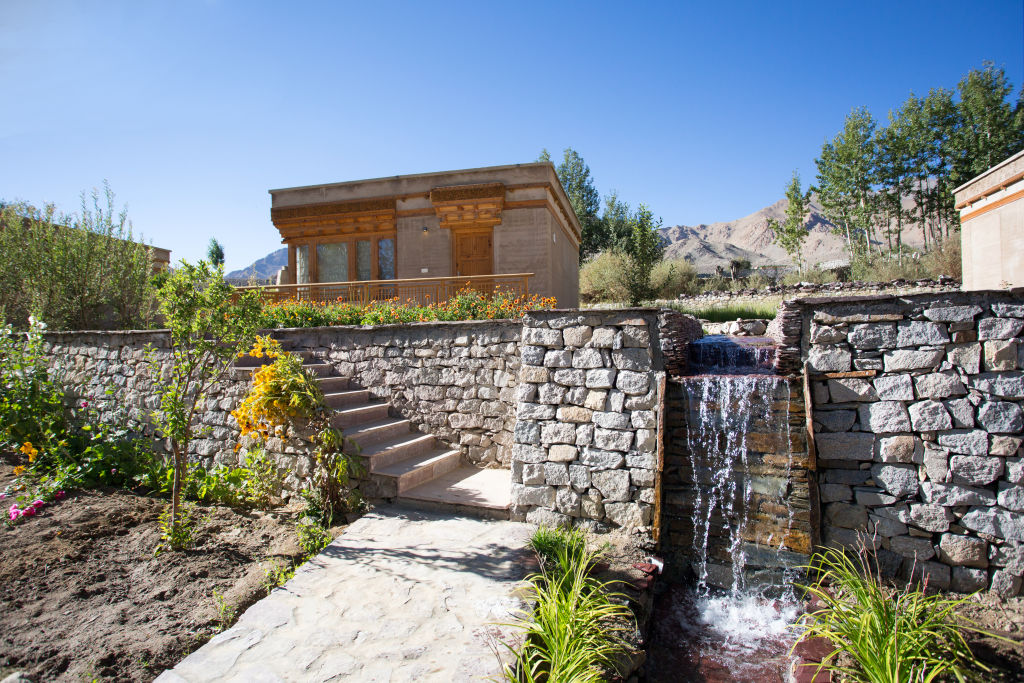
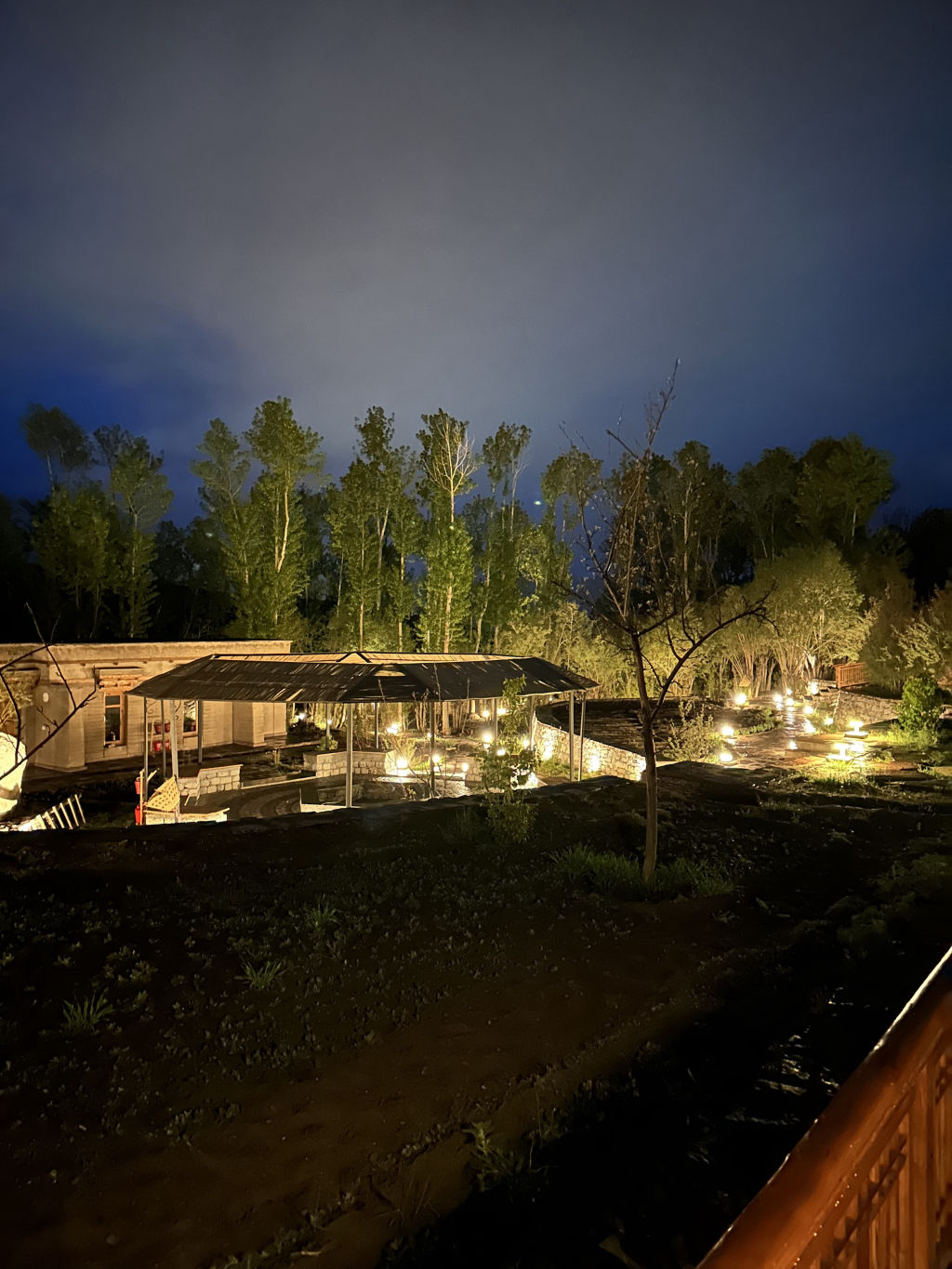
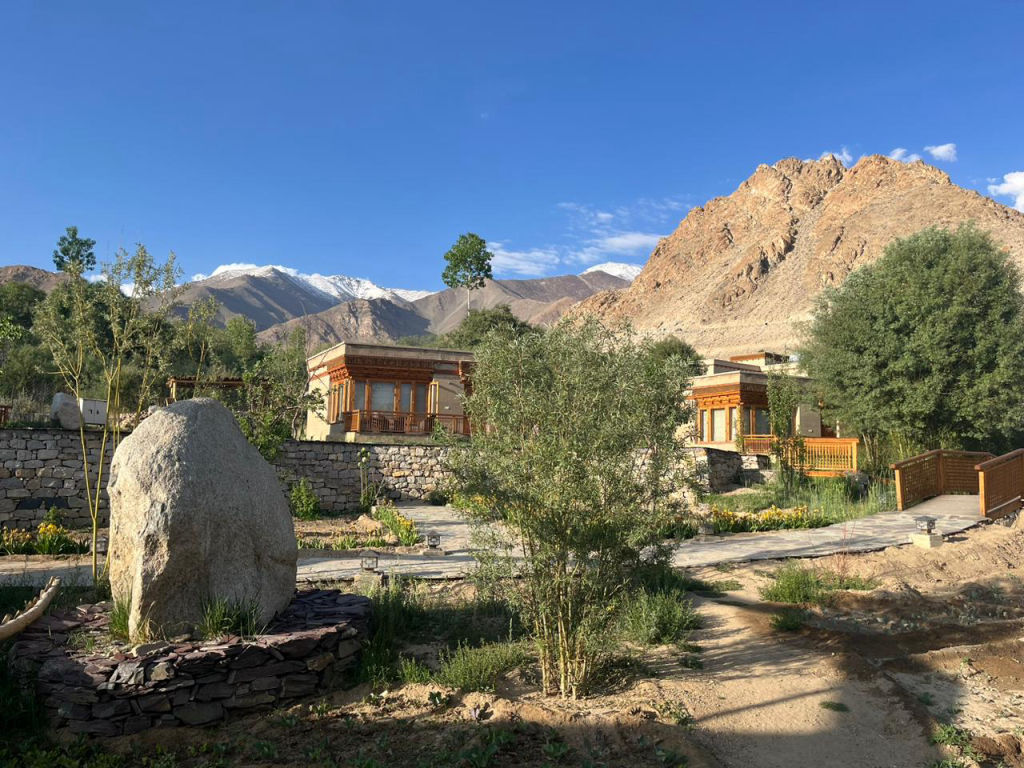
Stays near Spituk Monastery
Book a place to stay close by
More places near Spituk Monastery
Within 20 km
Built from 0 Instagram posts by 0 creators. Every tip links back to the post it came from, and where creators disagree we show both sides.






