
Queula
Destination in Goa
Queula, also known as Kavlem, is a serene village settlement nestled in the Ponda taluka of South Goa. Renowned for its historic temples, tranquil village lanes, and sacred mutts, it offers visitors a deep dive into Goa's rich cultural and spiritual traditions. Surrounded by lush foothills and spice groves, Queula provides an authentic glimpse of the inland Goan countryside away from the bustling coastline.
Getting there
By road
- From Pune9 hr 30 min · 461 km
Typical drive times without traffic. Stations and airports from OLA Maps; distances and typical drive times from OpenStreetMap (© OpenStreetMap contributors); notes from creators' Reels.
About Queula
Written with AI from map data and general knowledge. Check prices and timings locally before you go.
An introduction to Queula
Queula is situated in the heart of South Goa's Ponda sub-district, an inland realm defined by rolling hills, dense canopies of betel nut palms, and freshwater streams. Unlike the sandy beach villages along the Arabian Sea, Queula is an ancient residential and religious enclave where traditional Goan village life continues undisturbed by mass tourism.
Historically, the village served as a sanctuary for temple deities relocated from coastal areas during the sixteenth-century Portuguese regime. Over centuries, these relocated shrines established deep roots here, shaping a unique blend of Goan vernacular and Indo-Portuguese architectural styles. Today, travellers visit Queula to experience a quieter, contemplative side of Goa characterised by temple courtyards, community tanks, and lush green valleys.
Cultural landmarks in Queula
The focal point of Queula is the grand temple complex dedicated to Shantadurga, the deity who mediates between Vishnu and Shiva. Set at the base of a forested hill, the complex features a distinctive terracotta roofline, a multi-tiered lamp tower known as a deepastambha, and a spacious sacred water tank. Early mornings and late afternoons are particularly peaceful times to visit, when the bells ring for daily prayers and sunlight filters through the surrounding trees.
Another significant institution in the village is the Shri Gaudapadacharya Math, one of the oldest monastic seats of the Smartha tradition in western India. Walking through the neighbourhood surrounding the math reveals ancestral family homes with tiled roofs, pillared verandas, and quiet internal courtyards. Exploring these lanes on foot offers a serene look at Goan Hindu cultural heritage, complete with flower stalls and quiet neighbourhood pathways.
Read more
Exploring the hinterlands around Queula
Queula serves as a practical base for exploring the inland belt of Ponda, often regarded as the cultural heartland of Goa. Within a short drive, you can visit other prominent temple villages including Priol, Bandora, and Marcel, each home to centuries-old shrines nestled in secluded forest glades.
Beyond cultural landmarks, the landscape around Queula is rich with working spice plantations and agricultural orchards. Walking along the peripheral roads takes you past patches of black pepper vines, nutmeg trees, and pineapple groves. The nearby network of backwaters along the Zuari river basin also offers quiet vantage points for birdwatching, where kingfishers, egrets, and cormorants frequent the mangrove-fringed waterways.
Best time to visit Queula
The most pleasant period to visit Queula is during the winter season, which runs from November through February. During these months, the daytime temperatures remain comfortable and the evenings bring a refreshing cool breeze, making it ideal for walking tours, temple visits, and exploring nearby forest trails.
Monsoon season, extending from June to September, transforms the surrounding hills into vibrant shades of green. Heavy tropical downpours fill the village tanks, awaken local streams, and lend a mist-covered charm to the landscape. While outdoor sightseeing requires an umbrella and some flexibility, visiting Queula during the rains offers an atmospheric and quiet travel experience. The summer months from March to May can be hot and humid, so early morning or evening outings are advisable if visiting at that time.
How to reach Queula
Queula is located just a few kilometres outside the central town of Ponda, making it accessible from almost every part of Goa. If you are arriving by train, the major junction at Madgaon is located roughly twenty kilometres to the south and provides regular rail connections to major Indian cities. Taxis, rental vehicles, and local state buses operate regularly between Madgaon and Ponda.
For air travellers, both Dabolim Airport and Manohar International Airport at Mopa connect Goa to domestic and international destinations. From either airport, pre-paid taxis and car hires can bring you to Queula via well-maintained arterial highways. Local buses connect Ponda town with Panaji, Margao, and Vasco da Gama, from where short auto-rickshaw or taxi rides lead directly into Queula village.
Practical tips for your visit
When visiting the temples and religious spaces in Queula, modest attire is customary. Visitors are expected to cover their shoulders and knees before entering the temple compounds, and footwear must be removed at designated stands outside the main gates. Photography inside sanctum areas is generally restricted, so it is best to check posted signs or consult temple staff before taking pictures.
Because Queula is an active residential village rather than a commercialised tourist hub, amenities such as international ATMs and large supermarkets are located primarily in adjacent Ponda town. Carrying modest amounts of cash is helpful for purchasing traditional sweets, flowers, and local refreshments from family-run stalls.
Where to stay near Queula
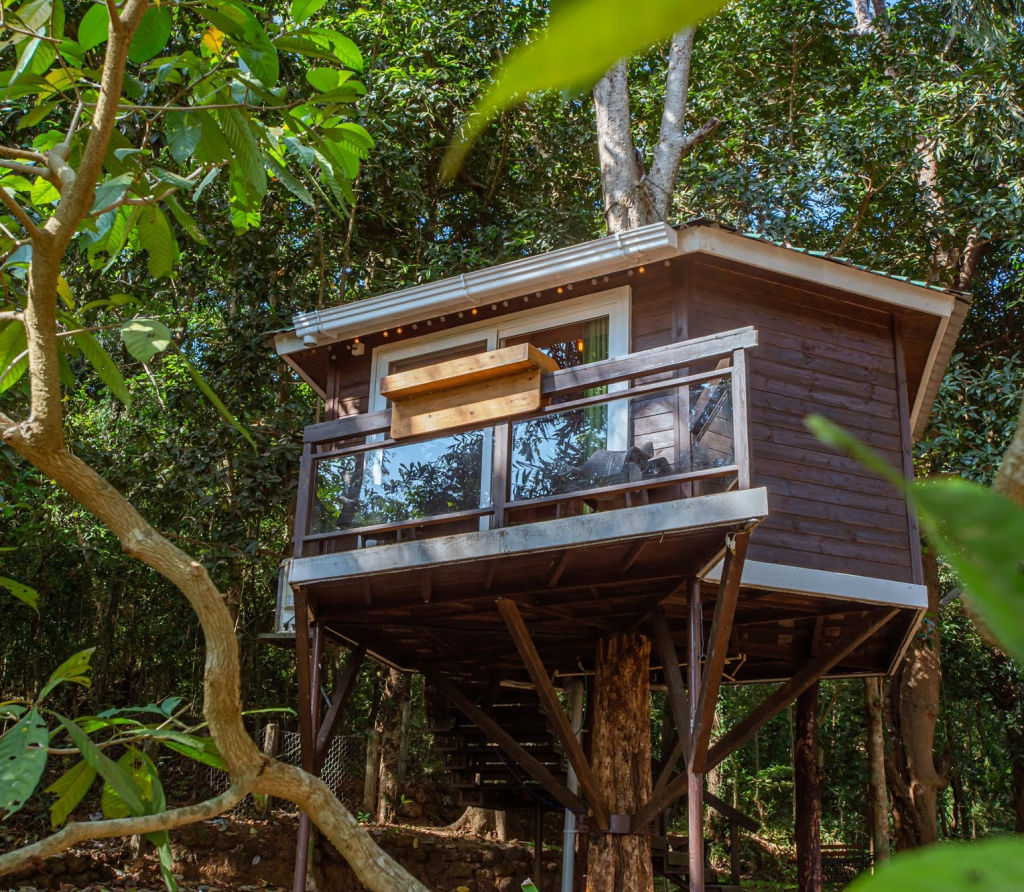
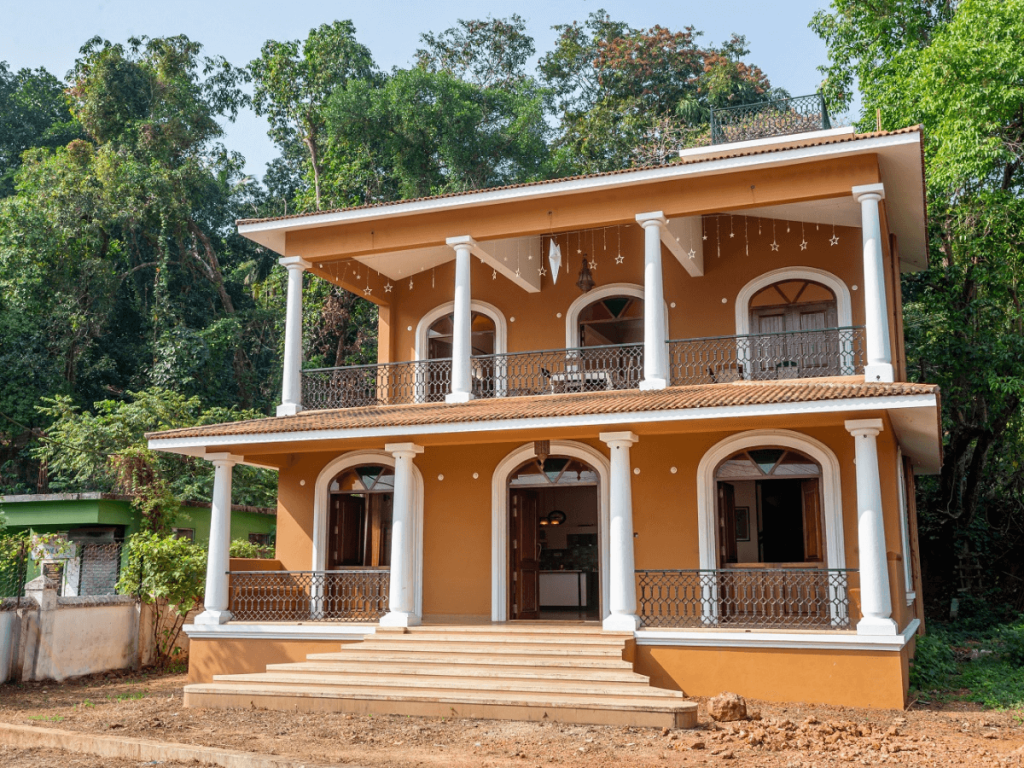
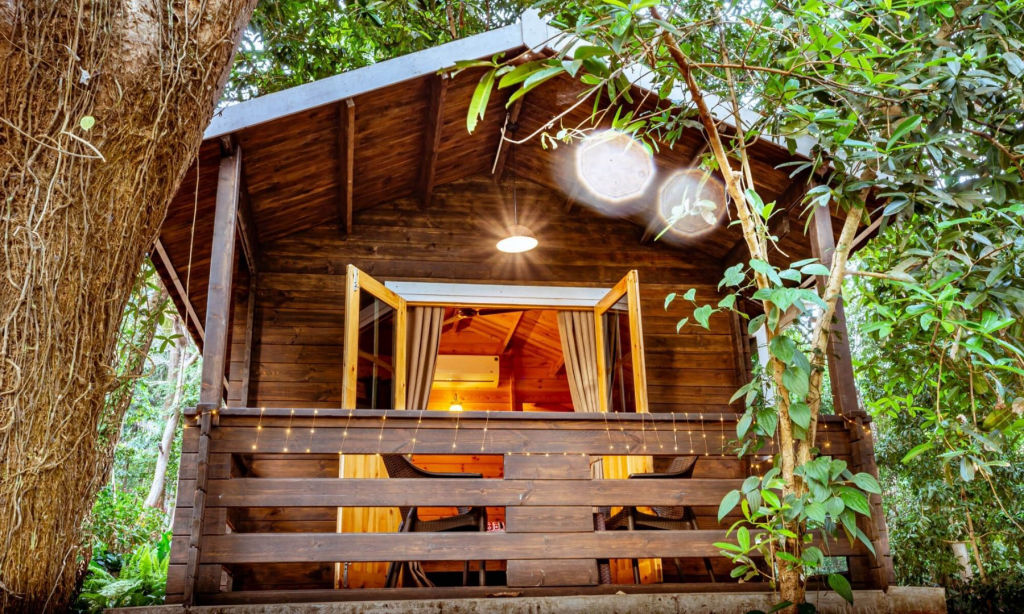
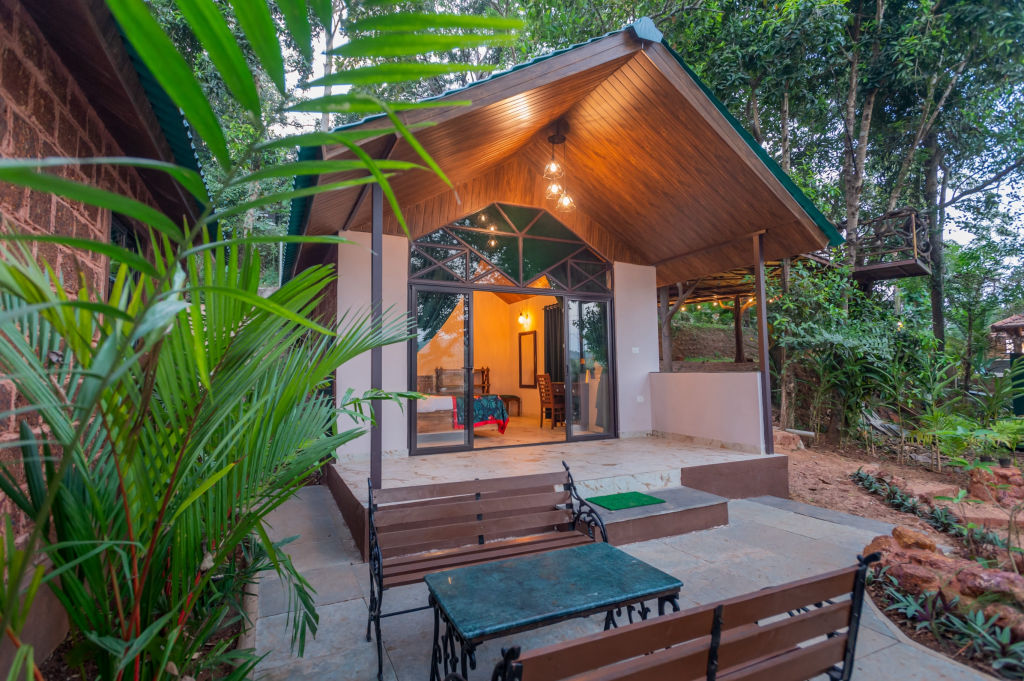
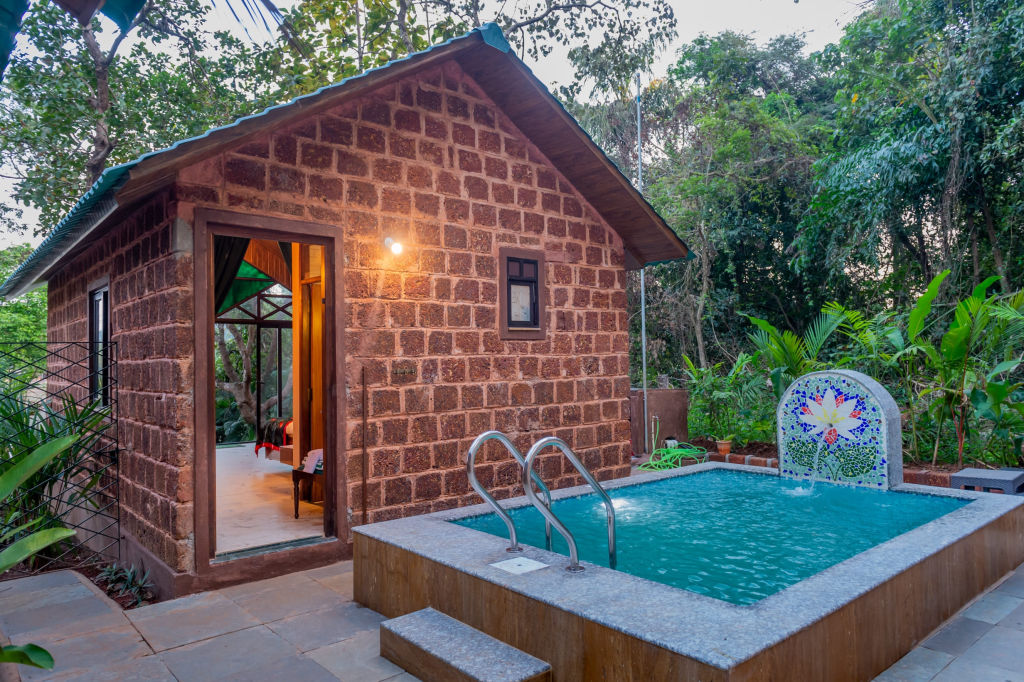
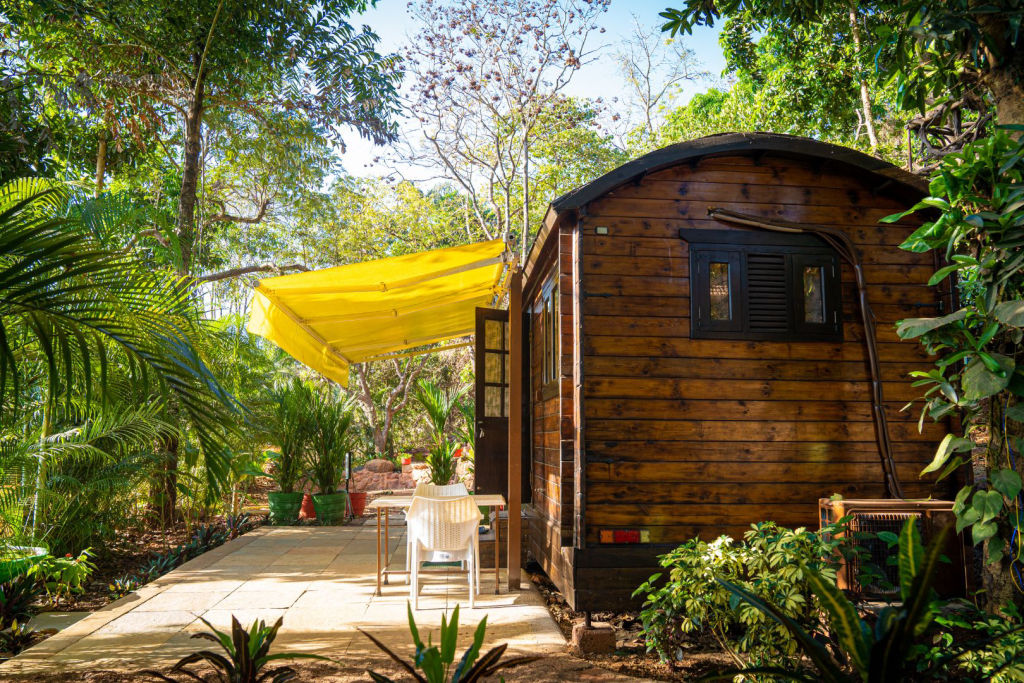
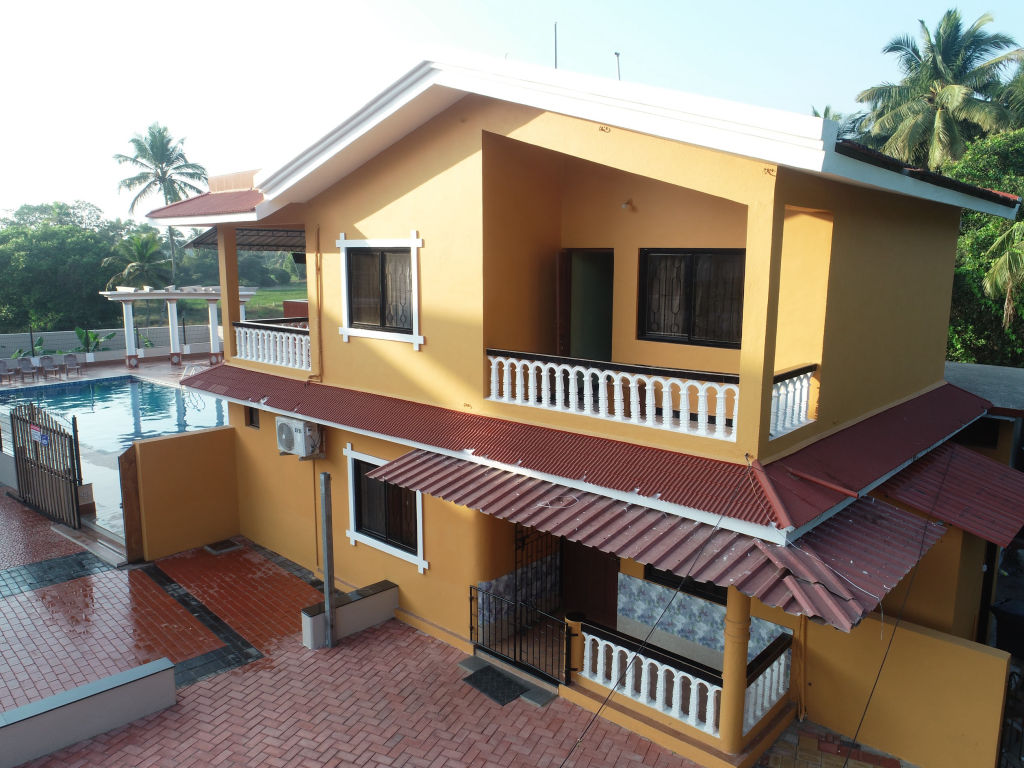
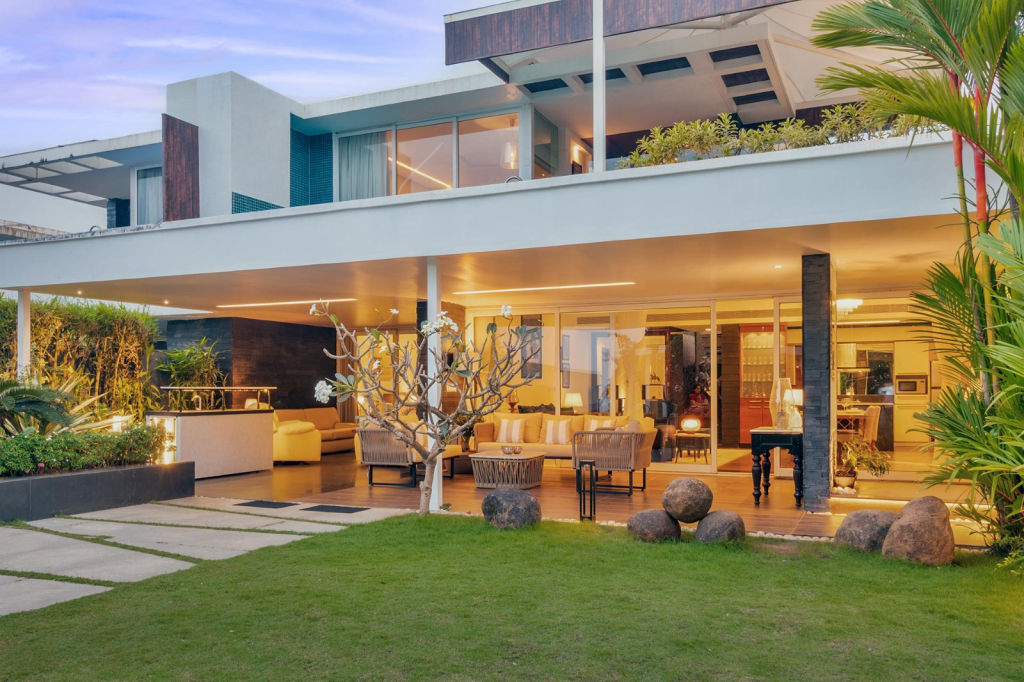
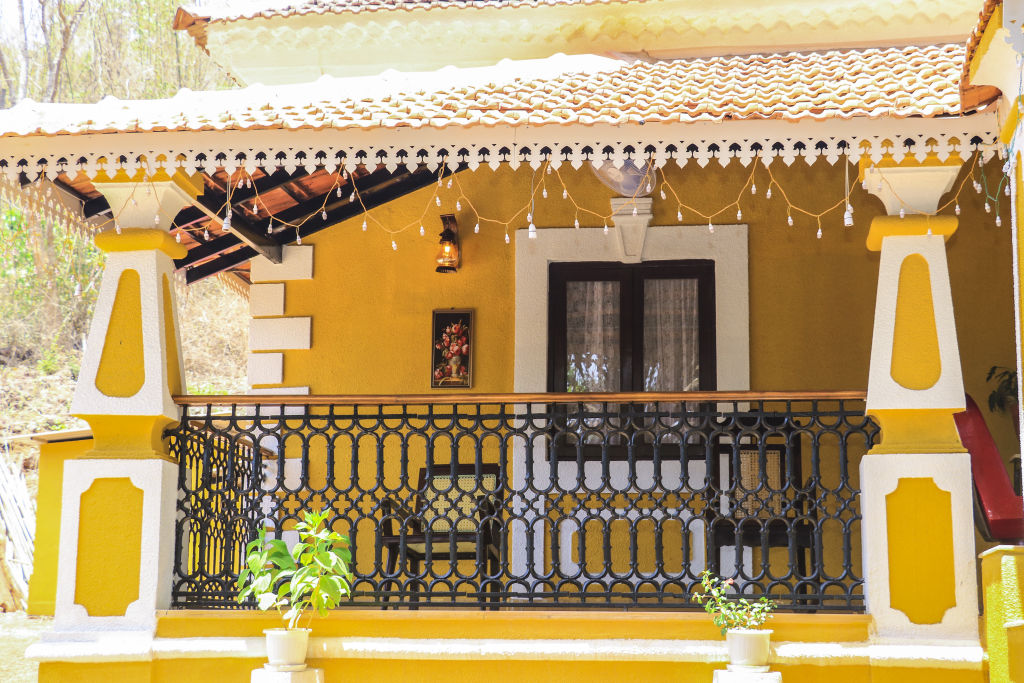
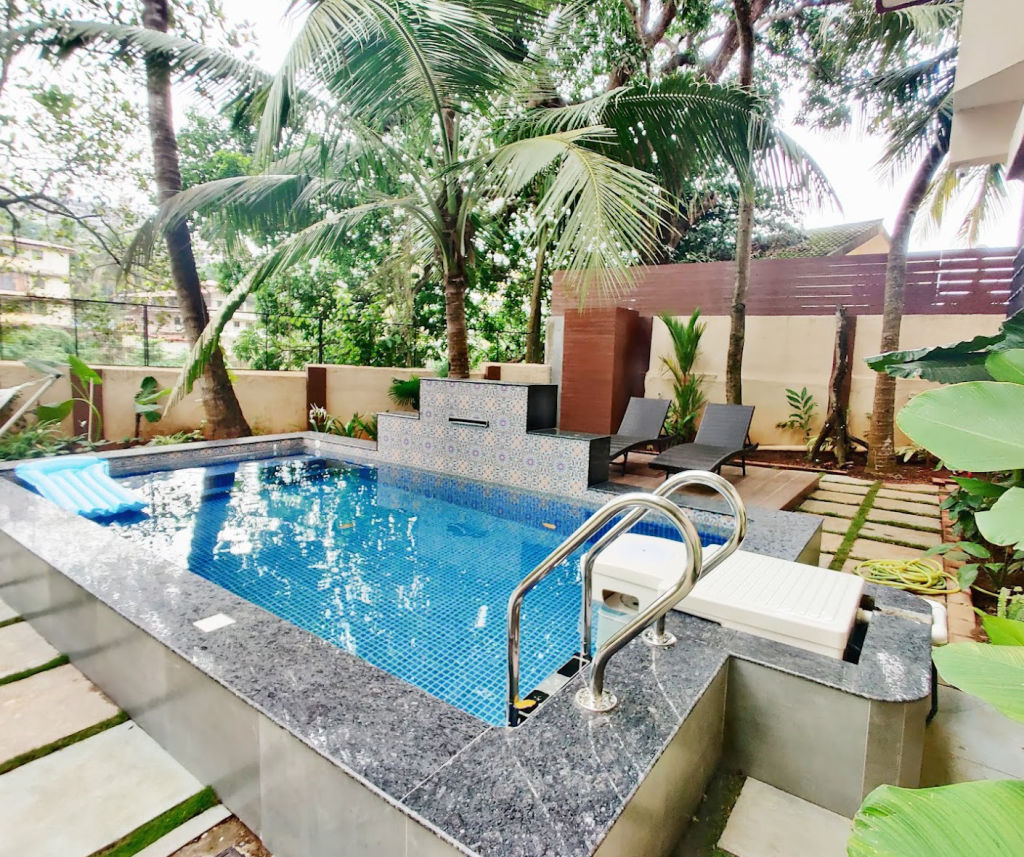
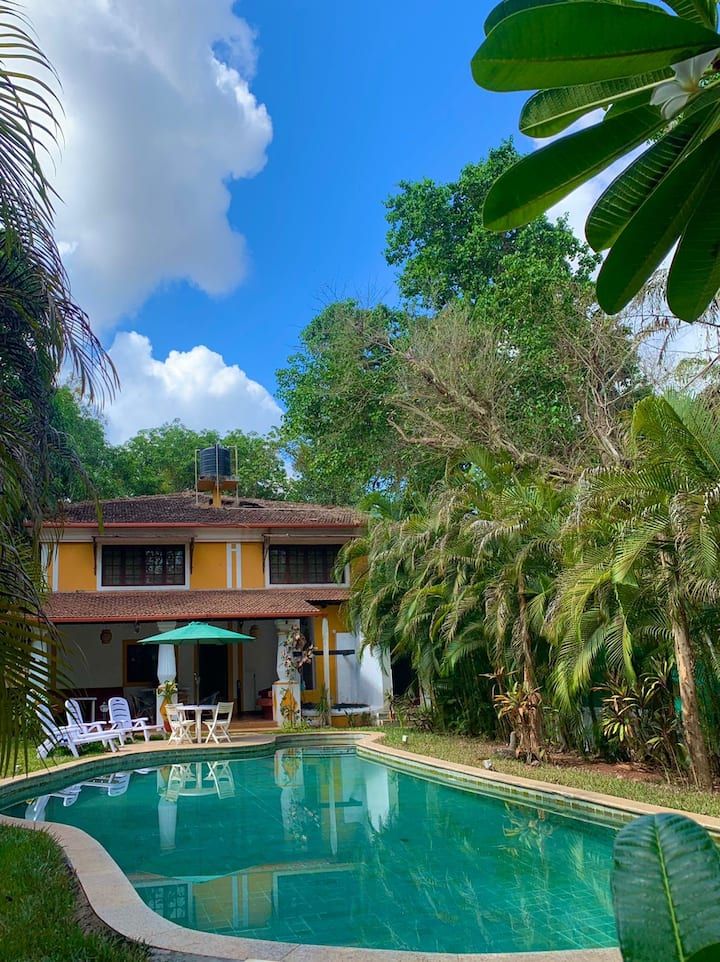
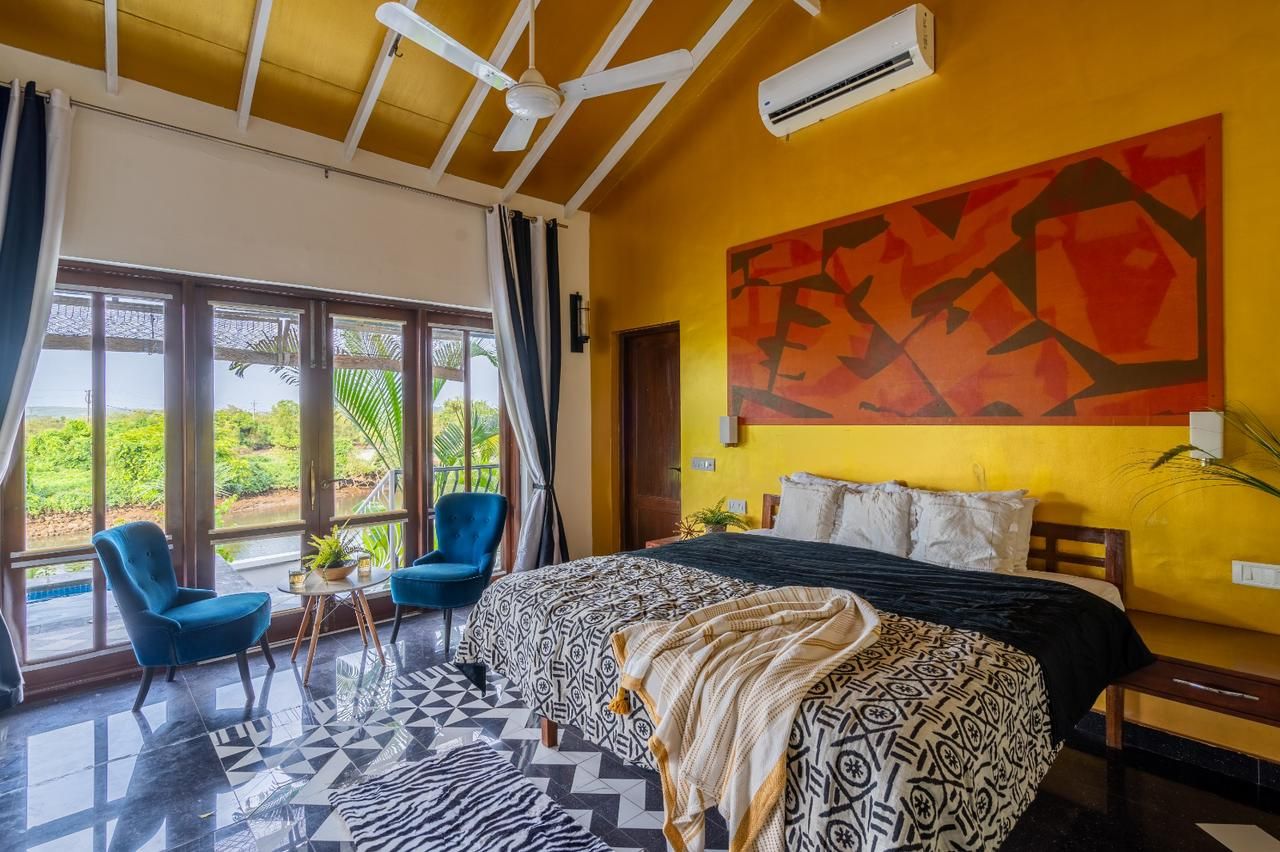
Staying near Queula lets you wake up to birdsong, temple chimes, and crisp morning breezes instead of beach crowds. The surrounding rural valleys and riverside villages offer a variety of peaceful accommodations, ranging from traditional homestays and rustic village cottages to nature-focused farm retreats.
Travellers interested in exploring the quiet inland side of Goa can discover rustic campsites, plantation retreats, and heritage homestays around Queula and South Goa on HireACamp. Booking your stay in advance is particularly advisable if your travel dates coincide with annual temple festivals or major winter holidays.
Frequently asked questions
What is Queula famous for?
Queula is primarily known for the historic Shri Shantadurga Temple and the Shri Gaudapadacharya Math, making it a prominent centre of Goan spiritual culture and heritage architecture.
How far is Queula from Ponda town?
Queula is located immediately adjacent to Ponda town, just a short drive of about three to four kilometres from the town centre.
Are there dress codes for visiting temples in Queula?
Yes, modest clothing that covers the shoulders and knees is required when entering the temple grounds, and footwear must be removed before entering.
Can I visit Queula during the monsoon season?
Yes, Queula is lush and scenic during the monsoon months from June to September, with filled water tanks and vibrant foliage, though carrying rain gear is essential.
What kind of stays are available near Queula?
Visitors can find heritage homestays, nature retreats, and eco-friendly campsites in the surrounding inland valleys of Ponda on HireACamp.
Where you'll be
12 stays nearby shown with prices
Stays near Queula
Book a place to stay close by
Things to do in Queula
48 places creators recommend within 30 km
Built from 0 Instagram posts by 0 creators. Every tip links back to the post it came from, and where creators disagree we show both sides.






