
Rajaji National Park
National park near Rishikesh, Uttarakhand
4.2 km from Rishikesh
The nearest town, for stays, food and fuel.
Rajaji National Park spans across the forested Shivalik foothills of Uttarakhand, adjoining the pilgrimage towns of Haridwar and Rishikesh. Renowned as a prominent habitat for Asian elephants and a designated tiger reserve, the park offers travellers a rich glimpse into northern India's sub-Himalayan wilderness. Nature enthusiasts and wildlife photographers visit to experience open jeep safaris, expansive riverine landscapes, and diverse birdlife.
Getting there
By road
- From RishikeshNearest town18 min · 4.7 km
- From Dehradun1 hr · 35 km
- From New Delhi4 hr 20 min · 248 km
- From Chandigarh4 hr 45 min · 207 km
Typical drive times without traffic. Stations and airports from OLA Maps; distances and typical drive times from OpenStreetMap (© OpenStreetMap contributors); notes from creators' Reels.
About Rajaji National Park
Written with AI from map data and general knowledge. Check prices and timings locally before you go.
An introduction to Rajaji National Park
Spread across the transition zone between the Indo-Gangetic plains and the lower Himalayan ridges, Rajaji National Park covers an extensive wilderness across the districts of Haridwar, Dehradun, and Pauri Garhwal. The park was formed in the 1980s through the amalgamation of three older sanctuaries: Rajaji, Motichur, and Chilla. In recent years, it was also accorded the status of a tiger reserve, highlighting its ecological importance as a vital biological corridor in Uttarakhand.
The holy river Ganga cleaves through the landscape, creating diverse microclimates that nourish riverine grasslands, seasonal torrent beds known as raos, and dense stretches of sal forest. Because it sits right at the northern limit for many peninsular species and the southern boundary for several Himalayan fauna, the park provides an uncommonly varied tapestry of landscapes within a single protected territory.
Wildlife and natural habitat
Rajaji National Park is best known as a thriving refuge for the Asian elephant. Herds can frequently be seen grazing in the open riverbeds or moving quietly through thick sal canopies. Alongside elephants, the park shelters thriving populations of Bengal tigers, leopards, striped hyenas, and sloth bears. Sambar, spotted deer, barking deer, and wild boar are widespread throughout the undergrowth and serve as primary prey for the large carnivores.
Bird life within the reserve is equally impressive, with hundreds of resident and migratory species recorded. Along the forest fringes and river shallows, birdwatchers can look out for the great pied hornbill, crested serpent eagle, peafowl, and various species of kingfishers and woodpeckers. During the cooler winter months, the watercourses attract migratory waterfowl and waders journeying across Central Asia.
Read more
Safari circuits and park exploration
Exploring Rajaji National Park is primarily done through guided jeep safaris that run along marked forest tracks. The park has several administrative tourism gates, with the Chilla zone being among the most well-known due to its proximity to Rishikesh and Haridwar. The Motichur and Ranipur ranges also offer entry points with differing topographies ranging from dry river basins to dense foothill forests.
Safari drives are usually scheduled during the early morning and late afternoon hours when animal activity peaks. While tiger sightings depend entirely on chance and patience, the expansive scenery, regular encounters with elephant herds, and sightings of grazing ungulates make traversing the rugged tracks an engaging wilderness experience. Safari bookings, vehicle arrangements, and mandatory guide allocations are coordinated through forest department counters, so travellers should check local procedures upon arrival.
Best time to visit Rajaji National Park
The park typically welcomes tourists from mid-November through mid-June, remaining closed during the peak monsoon season due to flooded riverbeds and breeding cycles. The winter months between November and February bring crisp mornings, pleasant afternoons, and clear skies, making it an ideal period for birdwatching and scenic drives. Temperatures during winter mornings can be quite cold, requiring warm layers.
From March to June, the weather turns progressively warmer, causing the forest undergrowth to thin out. As summer progresses, natural waterholes dry up, drawing wild elephants, deer, and predators down toward major watercourses and the Ganga riverbed. For passionate wildlife watchers, these hotter pre-monsoon months offer increased visibility and frequent sightings near perennial water bodies.
How to reach Rajaji National Park
Rajaji National Park is one of the most accessible wilderness reserves in northern India, lying very close to major pilgrimage and transit hubs. Haridwar serves as the nearest major railhead, enjoying frequent rail connectivity from Delhi, Mumbai, Kolkata, and other major cities. Rishikesh also provides easy road and rail access to eastern gates like Chilla.
For air travellers, Jolly Grant Airport in Dehradun is the closest operational airport, located a short drive from the park's northern sectors. From the airport or rail junctions, private taxis and local transport run regularly toward Haridwar and Rishikesh. National highways connecting Delhi to Uttarakhand make the drive straightforward for private motorists and road trippers.
Places to visit nearby
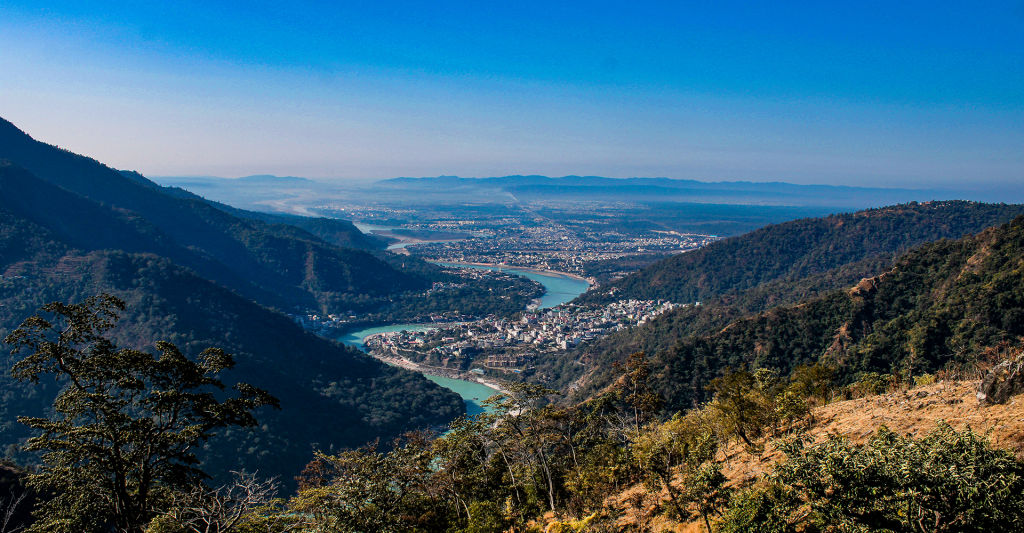
Given its central location in Uttarakhand, a trip to Rajaji National Park can easily be combined with visits to neighbouring cultural and natural attractions. Just a short journey away lies Rishikesh, where travellers can explore iconic river sites like Triveni Ghat and Parmarth Niketan Ashram, or head into the bustling riverside neighbourhood of Tapovan.
Dehradun sits to the north of the reserve and features architectural and natural sites worth visiting on day excursions. The sprawling campus of the Forest Research Institute showcases colonial forestry architecture and botanical collections. Travellers heading deeper into the Doon Valley can also spend time exploring the unique limestone formations of Gucchupani Robbers' Cave, the cold cascades at Sahastradhara, or the historic Mindrolling Monastery.
Tips for your visit
When venturing into the forest, wearing subdued, earthy colours such as olive green, khaki, or brown helps keep disturbances to wildlife at a minimum. Open jeep rides can be dusty and cold in the winter mornings, so carrying a windbreaker, a scarf, and adequate eye protection is advised.
Always maintain a respectful distance from animals, especially solitary tuskers and elephant herds with young calves. Keep your voice down, avoid making sudden movements, and strictly avoid playing music or throwing any litter. Following your registered forest guide's instructions ensures safe encounters for both visitors and the resident wildlife.
Where to stay
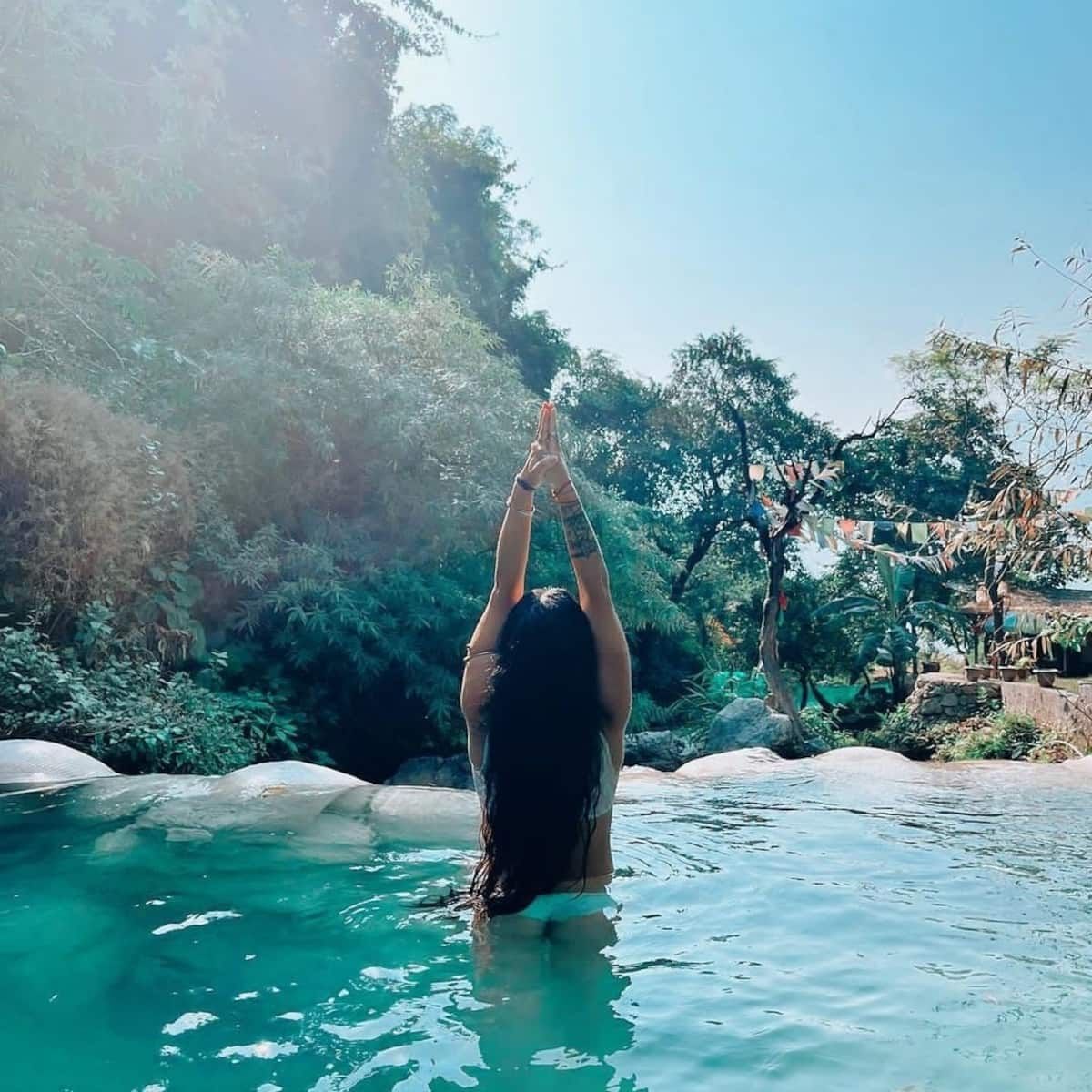
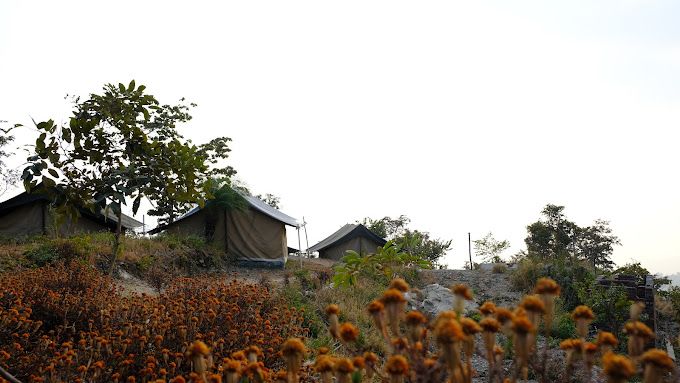
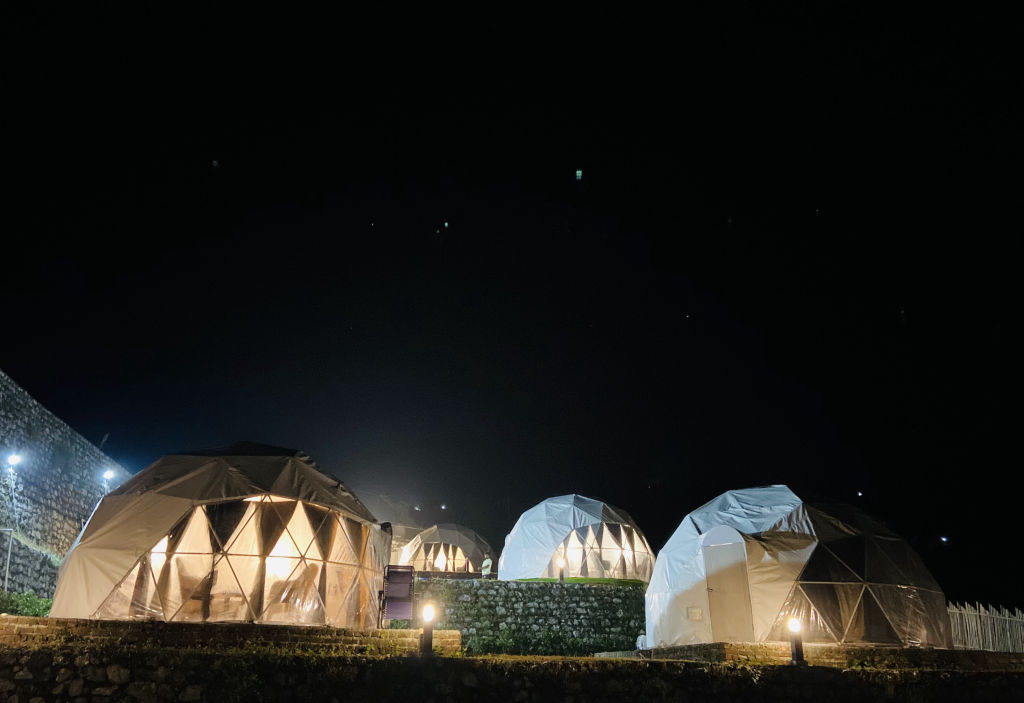
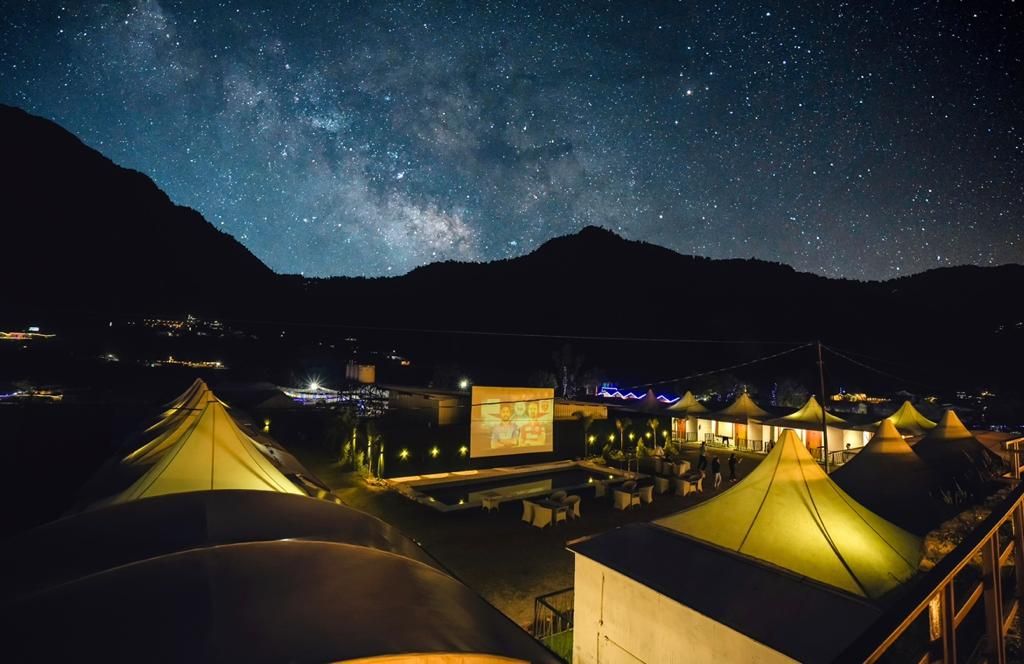
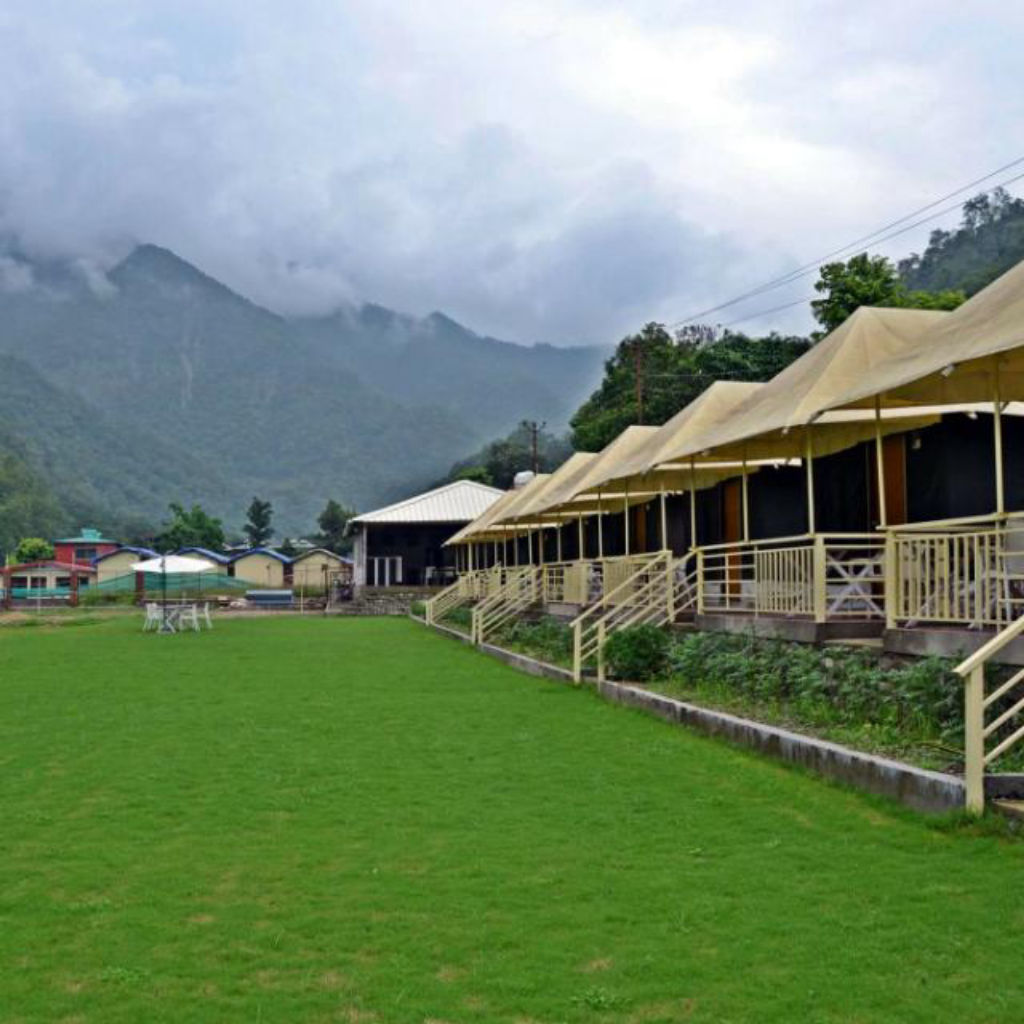
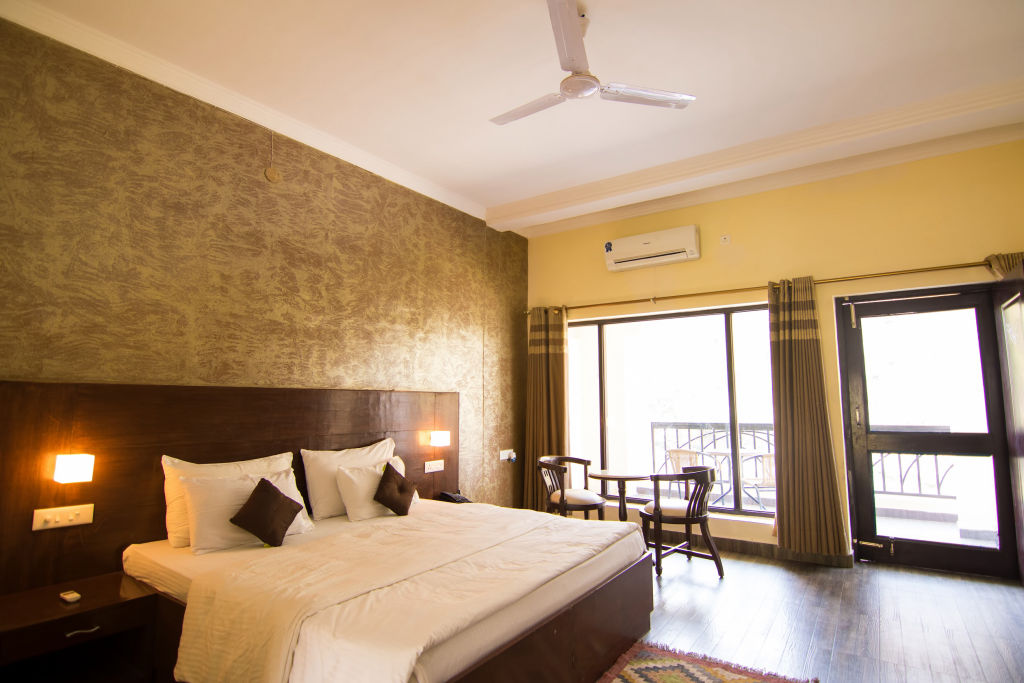
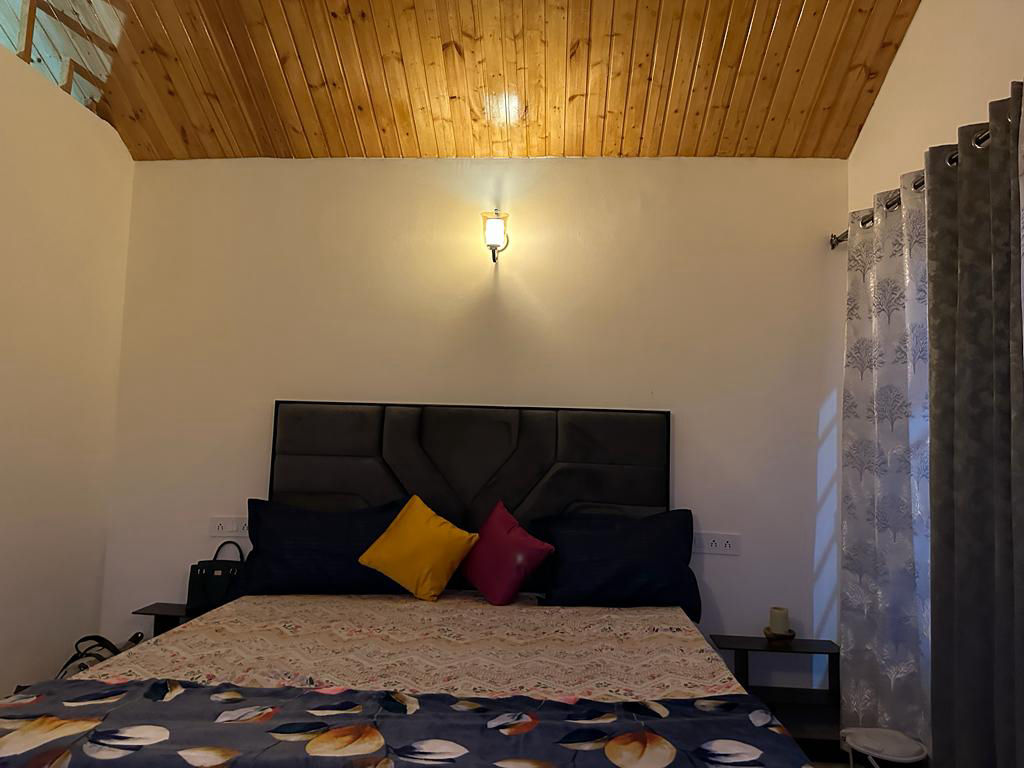
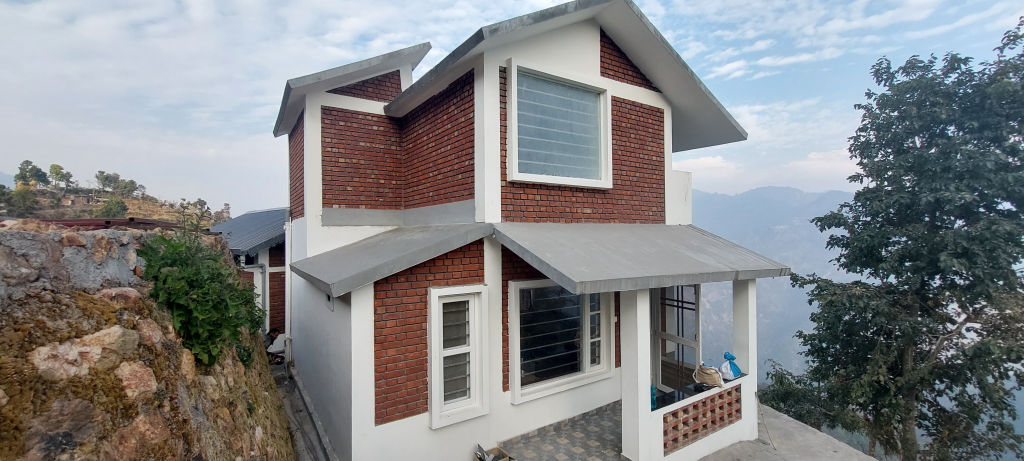
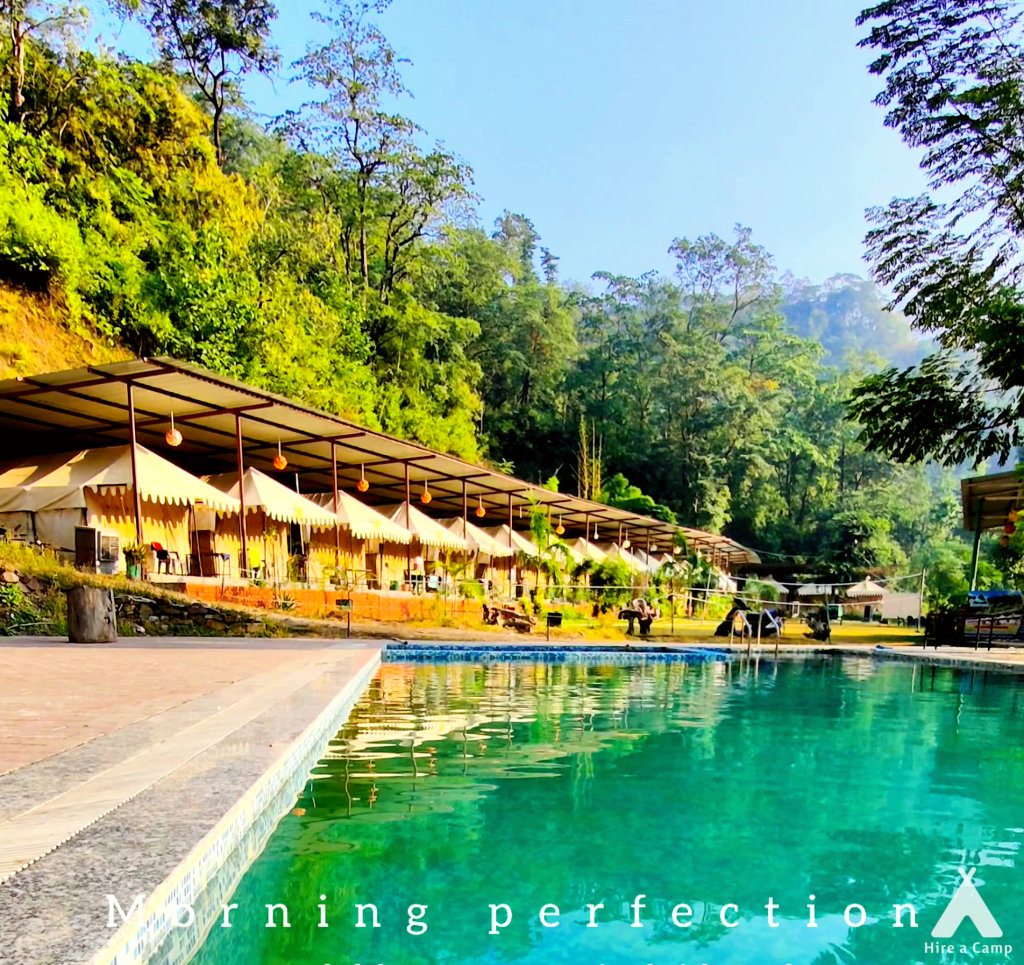
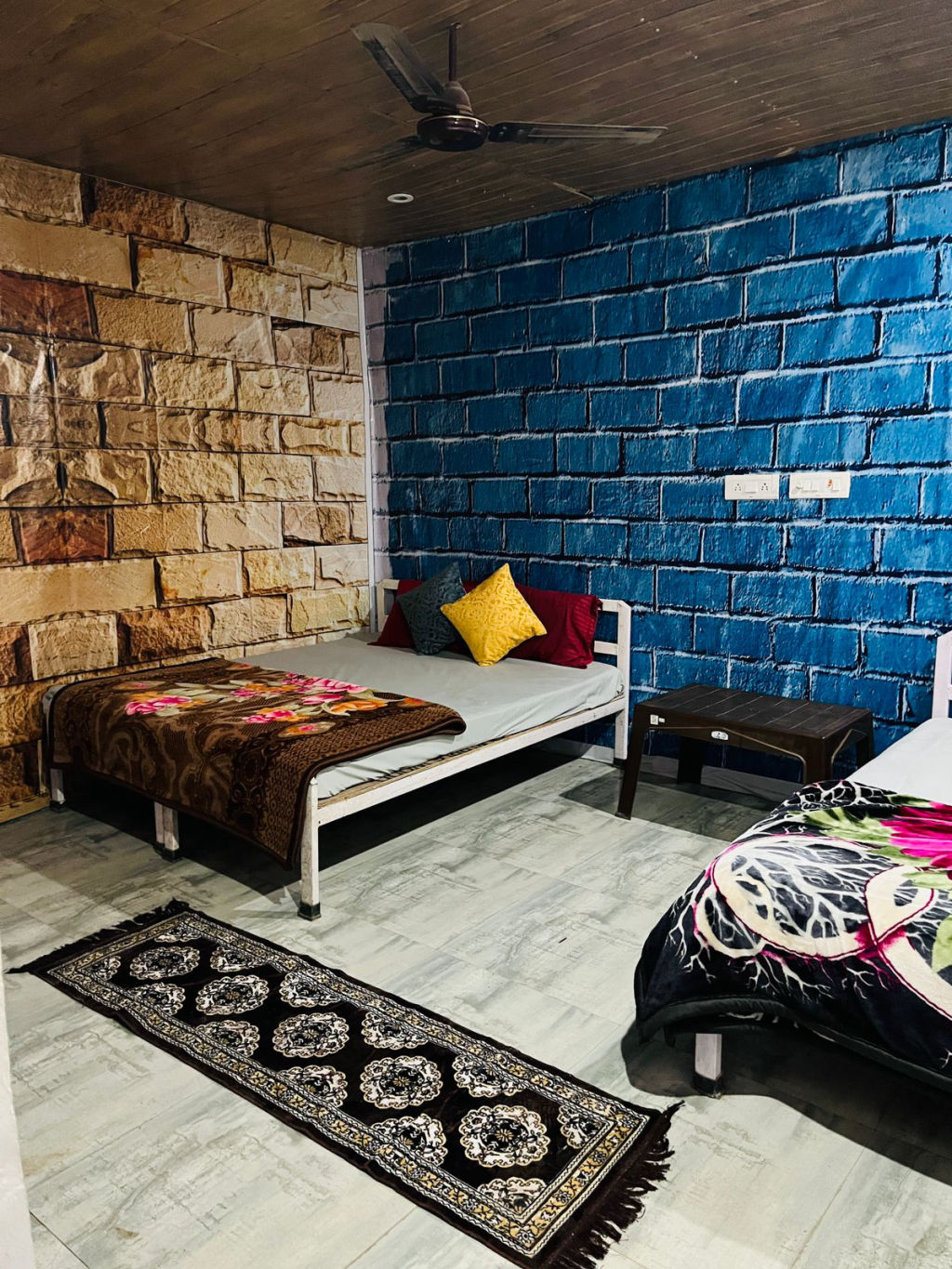
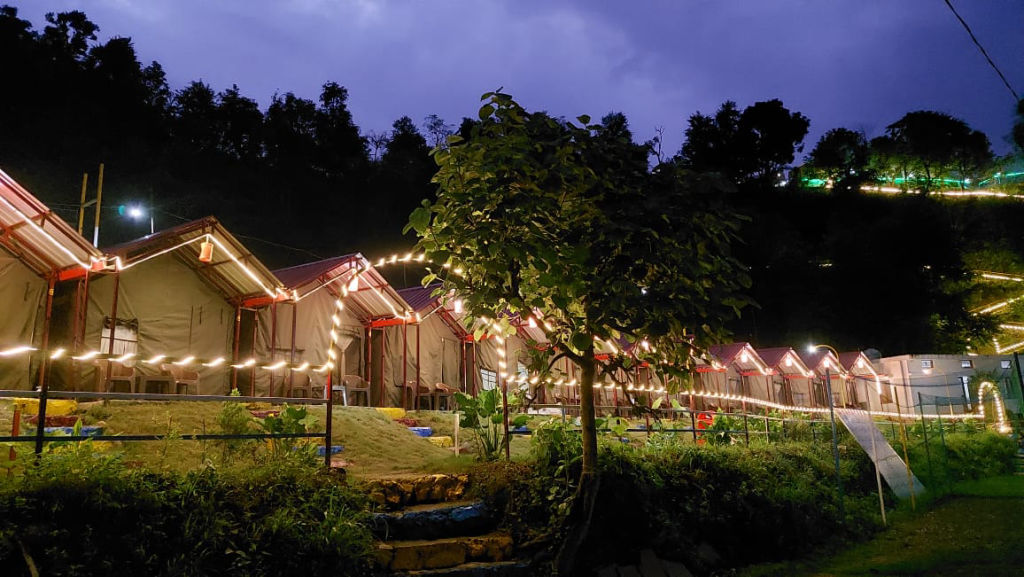
A range of accommodation options are scattered around the periphery of Rajaji National Park and near Haridwar and Rishikesh. Travellers can find riverside campsites, forest homestays, and quiet nature retreats through HireACamp. Staying near the park boundaries provides an atmospheric getaway surrounded by bird calls and green foothills, perfectly positioned for early morning safari departures.
Frequently asked questions
When does Rajaji National Park open for tourism?
The park generally opens for safari visits from mid-November and remains open until mid-June. It stays closed during the monsoon season when forest tracks become impassable and wildlife breeding occurs.
Which wild animals are commonly seen in Rajaji National Park?
Visitors most commonly encounter Asian elephants, spotted deer, sambar, wild boars, and langurs. The park is also home to leopards and Bengal tigers, though sightings of big cats require patience and luck.
How far is the park from Haridwar and Rishikesh?
The popular entry gates, such as Chilla and Motichur, are situated just across the river or along the highway, usually taking between twenty minutes to an hour by road from either Haridwar or Rishikesh.
Can I drive my personal vehicle inside the national park?
Private personal vehicles are generally not permitted for safari routes inside the core zones. Visitors must use authorised safari jeeps accompanied by registered local forest department nature guides.
What kind of clothing should I wear on a safari?
Pack muted clothing in earth tones such as olive, beige, or brown, and avoid bright colours. Bring warm layers for morning safaris in winter and lightweight, breathable fabrics during the warmer spring and summer months.
Where you'll be
Haridwar · 12 stays nearby shown with prices
Stays near Rajaji National Park
Book a place to stay close by
More places near Rajaji National Park
Within 20 km


Lists for this area
Ranked by how many creators recommend each place


Built from 0 Instagram posts by 0 creators. Every tip links back to the post it came from, and where creators disagree we show both sides.






