
Rajaji National Park
National park near Veerbhadra, Uttarakhand
400 m from Veerbhadra
The nearest town, for stays, food and fuel.
Rajaji National Park spans across the Shivalik foothills near Rishikesh in Uttarakhand, serving as an expansive sanctuary for Asian elephants, leopards, and diverse bird species. Flanked by the Ganges and dense sal woodlands, it draws wildlife enthusiasts, birdwatchers, and nature lovers seeking pristine foothill wilderness. Its blend of riverine ecology, broad valleys, and rugged forested ridges makes it one of northern India's premier natural escapes.
Getting there
By road
- From VeerbhadraNearest town2 min · 800 m
- From Dehradun1 hr 10 min · 45 km
- From New Delhi4 hr 25 min · 251 km
- From Chandigarh4 hr 50 min · 216 km
Typical drive times without traffic. Stations and airports from OLA Maps; distances and typical drive times from OpenStreetMap (© OpenStreetMap contributors); notes from creators' Reels.
About Rajaji National Park
Written with AI from map data and general knowledge. Check prices and timings locally before you go.
About Rajaji National Park
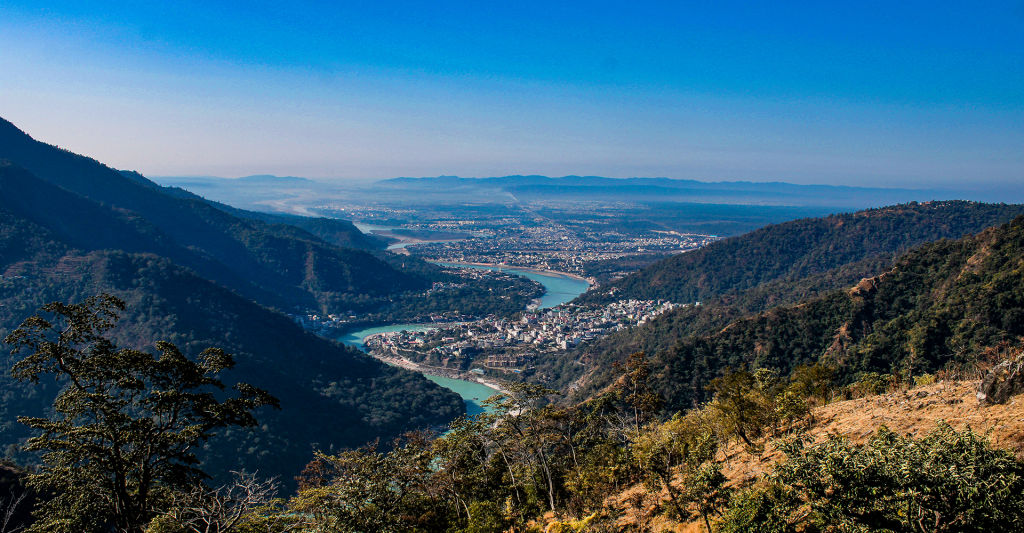
Spread across the transition zone between the Himalayan foothills and the upper Gangetic plains in Uttarakhand, Rajaji National Park is one of north India's most significant conservation landscapes. Named in honour of the renowned freedom fighter and independent India's final Governor-General, C. Rajagopalachari, the park encompasses vast forested tracts across the Shivalik range. Rishikesh sits right on its perimeter, making the reserve an immediate natural haven for travellers journeying through the holy river valley.
The reserve plays a pivotal ecological role as the north-western limit for both Asian elephants and Bengal tigers in the Indian subcontinent. Nourished by the holy Ganges along with seasonal torrential streams known locally as raus, its varied topography supports an intricate web of life. Visitors come to Rajaji to witness a landscape where mist-covered green crests drop into wide gravel riverbeds, offering an authentic glimpse of undisturbed northern wilderness.
Wildlife and Landscape of Rajaji
The terrain of Rajaji National Park is characterised by undulating Shivalik hills, steep scarps, riverine grasslands, and expansive flat-bottomed valleys. Dense sal forests blanket large swathes of the park, creating a high green canopy that shields the forest floor. In other areas, mixed deciduous woodlands, riverine scrub, and patches of pine trees on higher ridges create diverse microhabitats that shelter an extraordinary range of flora and fauna.
The park is particularly celebrated for its thriving population of wild Asian elephants, which can frequently be observed navigating forest clearings or drinking from watercourses. In addition to elephants, the park is home to leopards, spotted deer, sambar, barking deer, wild boar, and rhesus macaques. Birdlife is equally abundant, with several hundred documented species including the great pied hornbill, crested serpent eagle, and varied migratory waterfowl that visit the river channels during the cooler months.
Read more
Best Time to Visit Rajaji National Park
The park generally receives visitors from mid-autumn through late spring, coinciding with dry and temperate conditions across the Shivalik foothills. Winter, from November to February, is a favourite period for travellers. During these months, early mornings are crisp and cool, with atmospheric fog settling over the forest clearings, while afternoons remain pleasantly warm and bright for wilderness exploration.
As spring transitions into early summer between March and May, the region experiences progressively warmer days. This period is favoured by dedicated wildlife watchers because deciduous trees shed their leaves and animals tend to venture towards remaining water sources, increasing the likelihood of sightings. The park remains closed during the monsoon season due to intense rainfall, swollen mountain torrents, and difficult road conditions, so travellers should check locally for exact seasonal schedules.
Things to Do at Rajaji National Park
Wildlife safari drives through the designated ecotourism zones are the most popular way to experience the interior of Rajaji National Park. Riding along the quiet dirt tracks and across wide boulder-strewn raus provides an intimate look at the ecosystem. Patient observers can look out for wandering herds of elephants, grazing deer, and the rich repertoire of raptors and woodland birds perched high in the sal trees.
Birdwatching along the edges of the park and near water canals is another deeply rewarding pursuit for nature enthusiasts. Walking quietly in permissible areas outside core wildlife zones offers peaceful encounters with flycatchers, parakeets, kingfishers, and woodpeckers. The periphery of the reserve also presents exceptional opportunities for landscape photography, where pristine forest vistas meet the backdrop of the Himalayan outer ranges.
How to Reach Rajaji National Park
Rajaji National Park enjoys convenient connectivity from several key transit points in Uttarakhand. The town of Rishikesh serves as the closest entry hub, situated just a short distance from the northern sectors of the sanctuary. Dehradun Railway Station is situated approximately 36 kilometres away, connecting the area to major metropolitan cities including Delhi, Mumbai, and Kolkata via regular rail services.
For air travellers, the closest airport is in Dehradun, providing regular flights from multiple Indian cities. From the airport or railway stations in Dehradun and Haridwar, local taxis and state-run buses ply frequently along the highways bordering the park. Travellers driving down from New Delhi typically take the national highway route through Meerut, Muzaffarnagar, and Roorkee, completing the road journey in a few hours depending on traffic.
Places to Visit Nearby
Given its position right by the spiritual and adventure corridor of the Shivalik hills, a visit to Rajaji can easily be paired with several nearby cultural sites. Rishikesh's famous Triveni Ghat is only 3 kilometres away, where visitors gather each evening along the Ganges for traditional prayer ceremonies. Close by, on the eastern riverbank, lie Parmarth Niketan Ashram and the historical Beatles Ashram, both located around 5 kilometres away and known for tranquil gardens and striking wall murals.
Travelers interested in exploring further afield can venture towards the lively lanes of Tapovan, head towards the scenic Maldevta Valley, or visit the nearby Tani waterfall. Day excursions towards Dehradun offer access to the Tibetan architecture of Mindrolling Monastery, the natural sulfur springs of Sahastradhara, and the bustling shopping lanes of Paltan Bazaar around the historic Clock Tower.
Where to Stay near Rajaji National Park
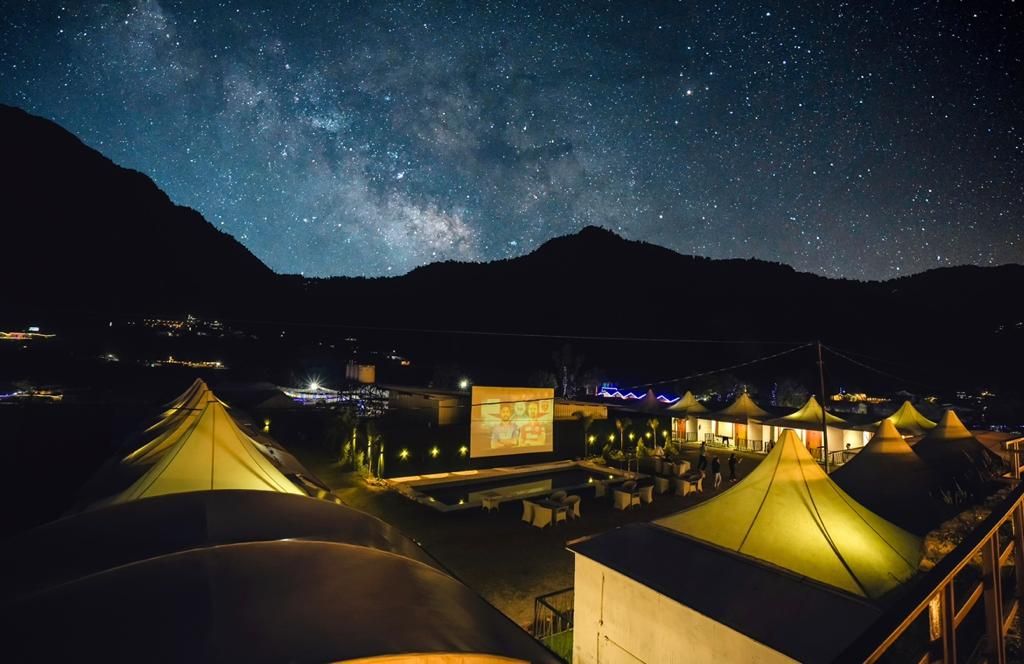
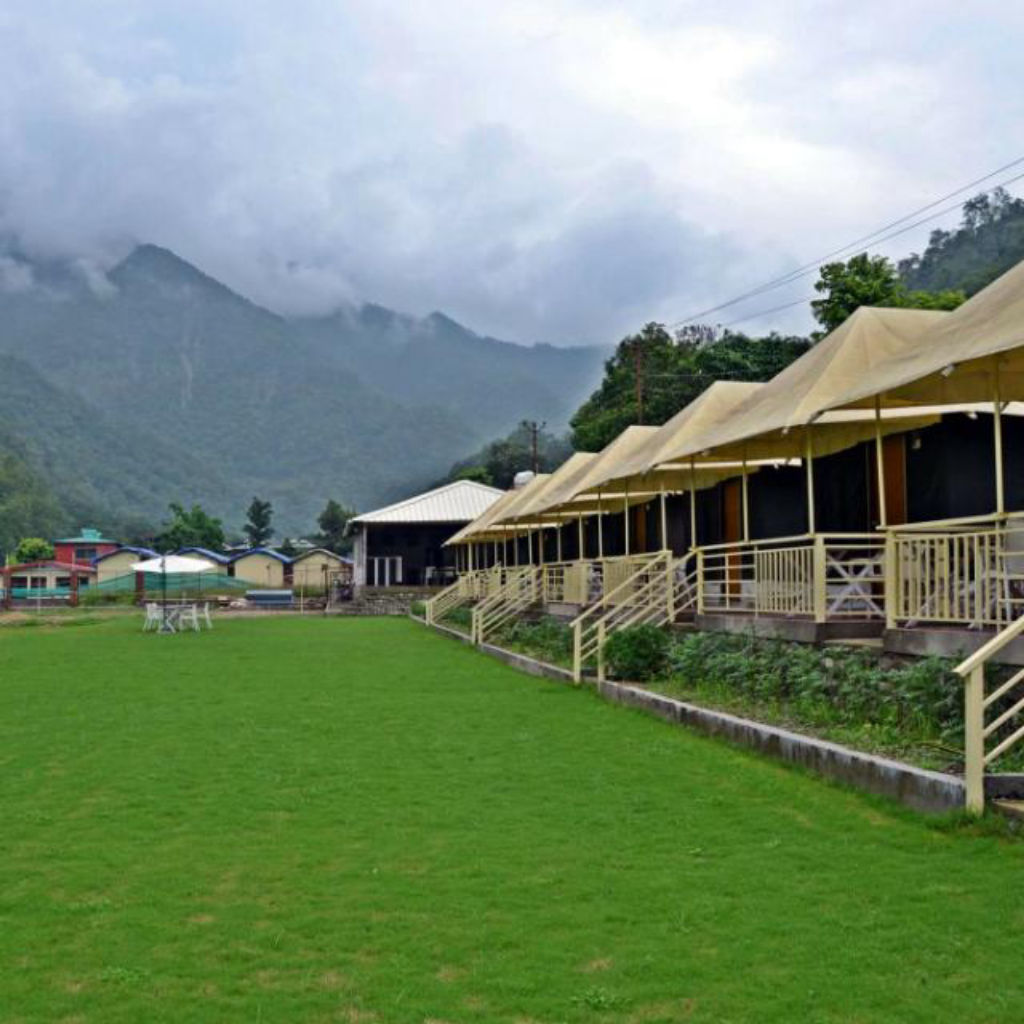
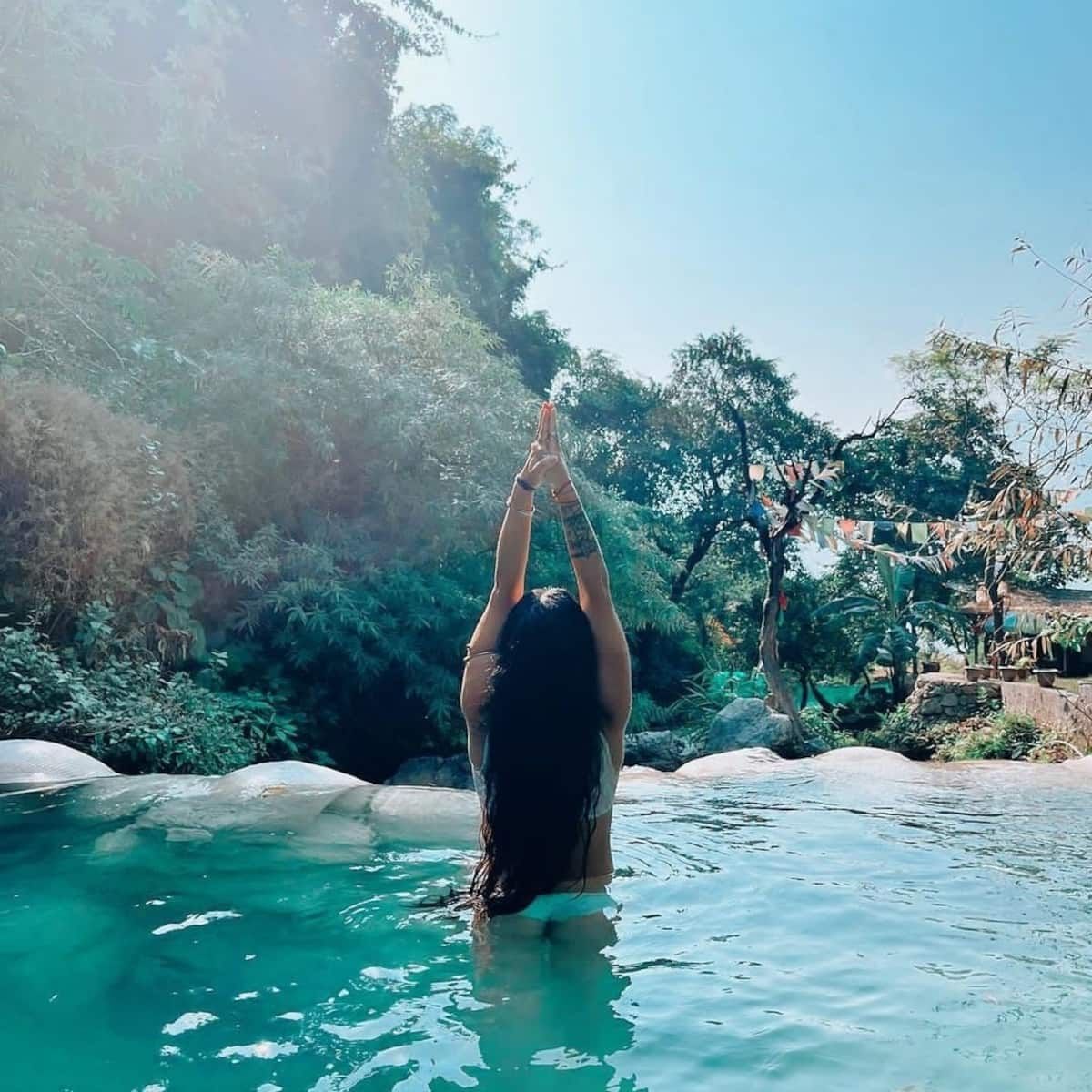
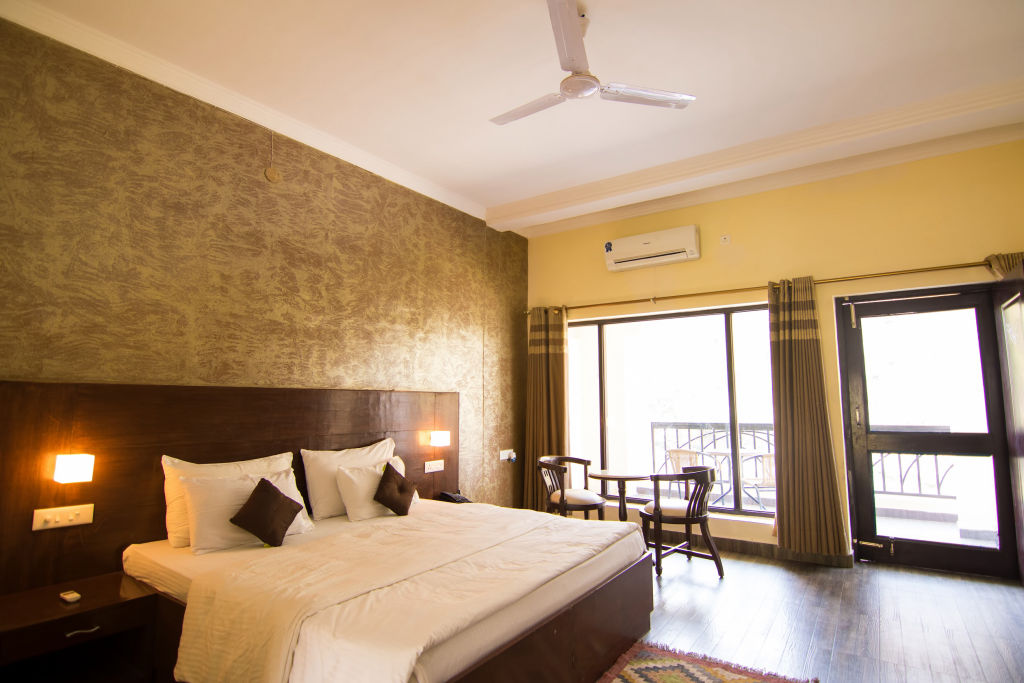
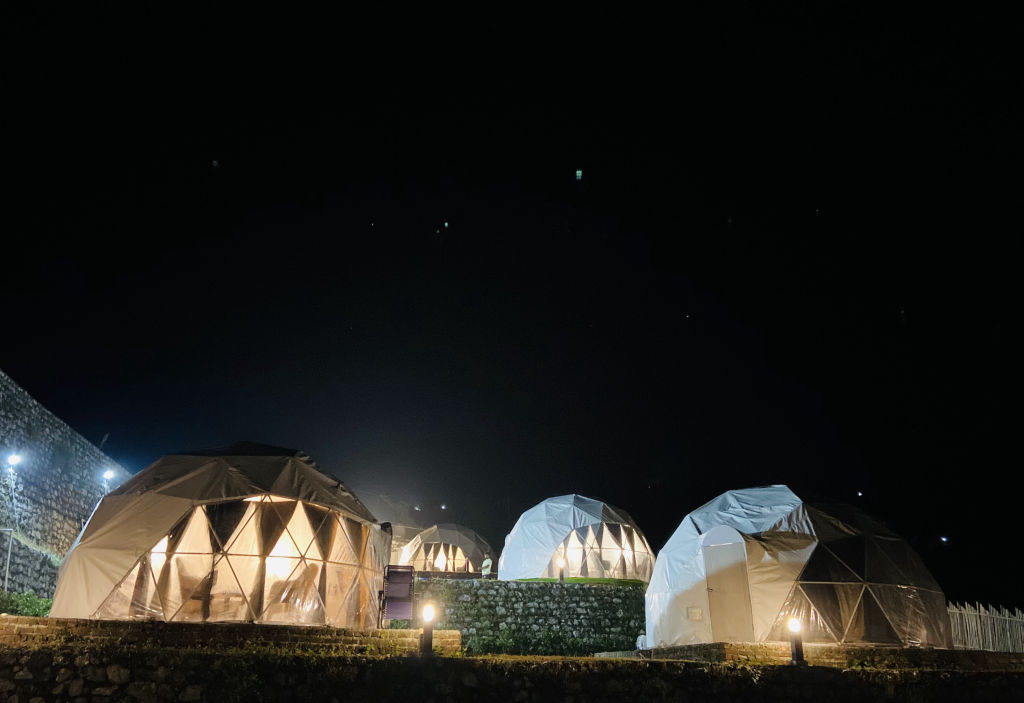
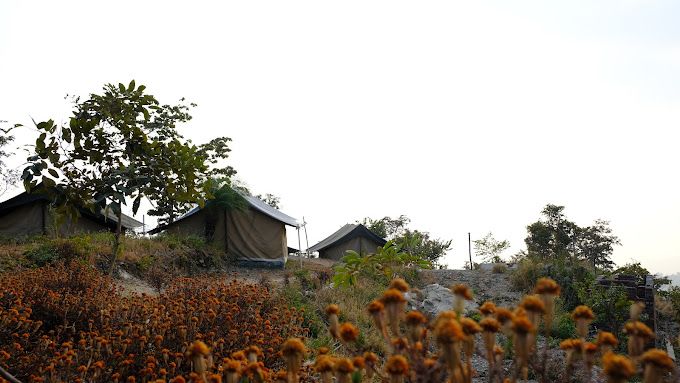
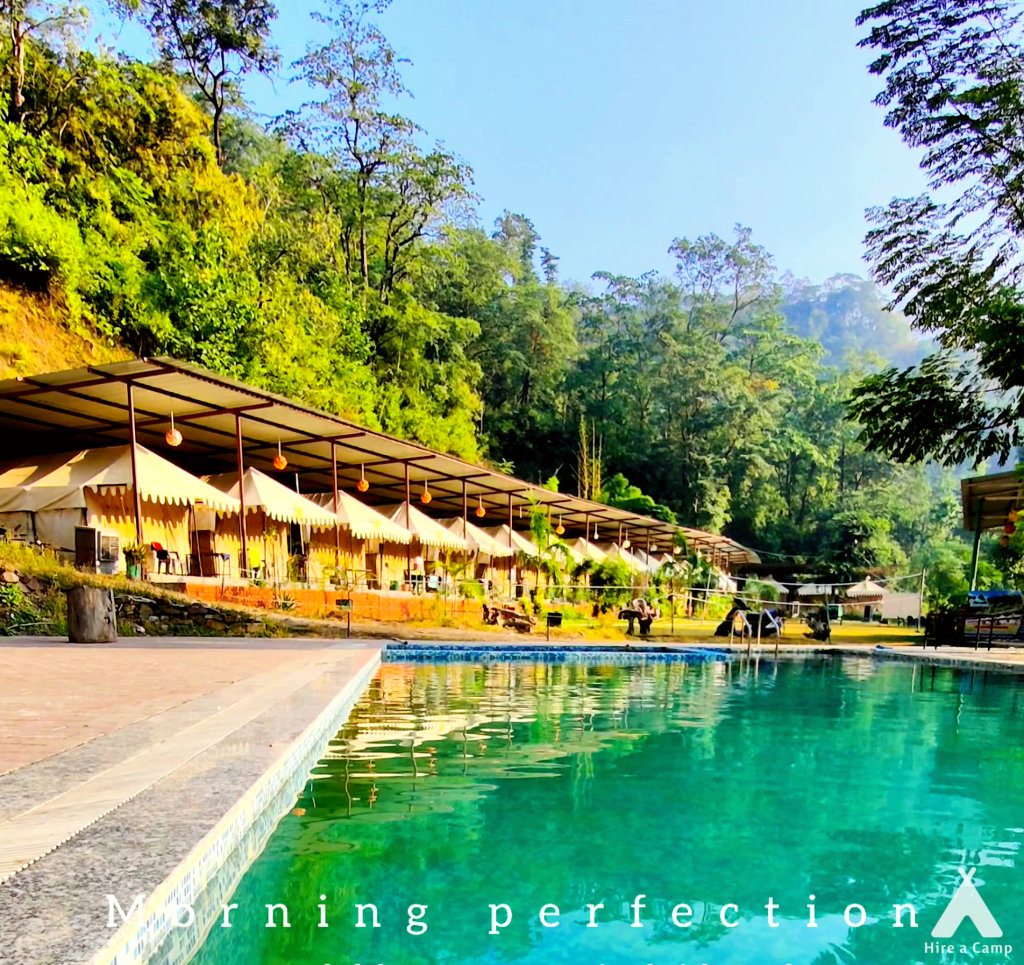
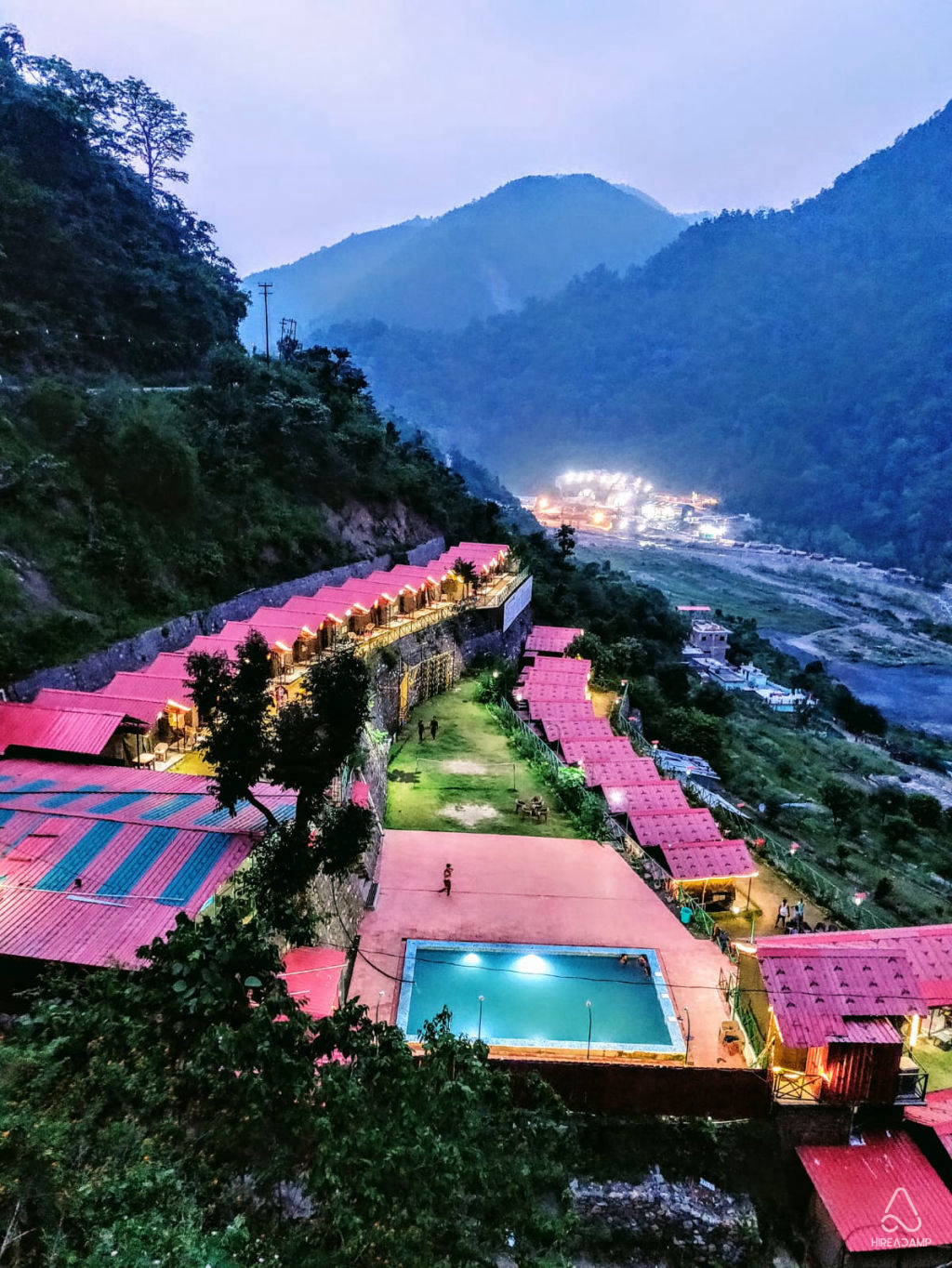
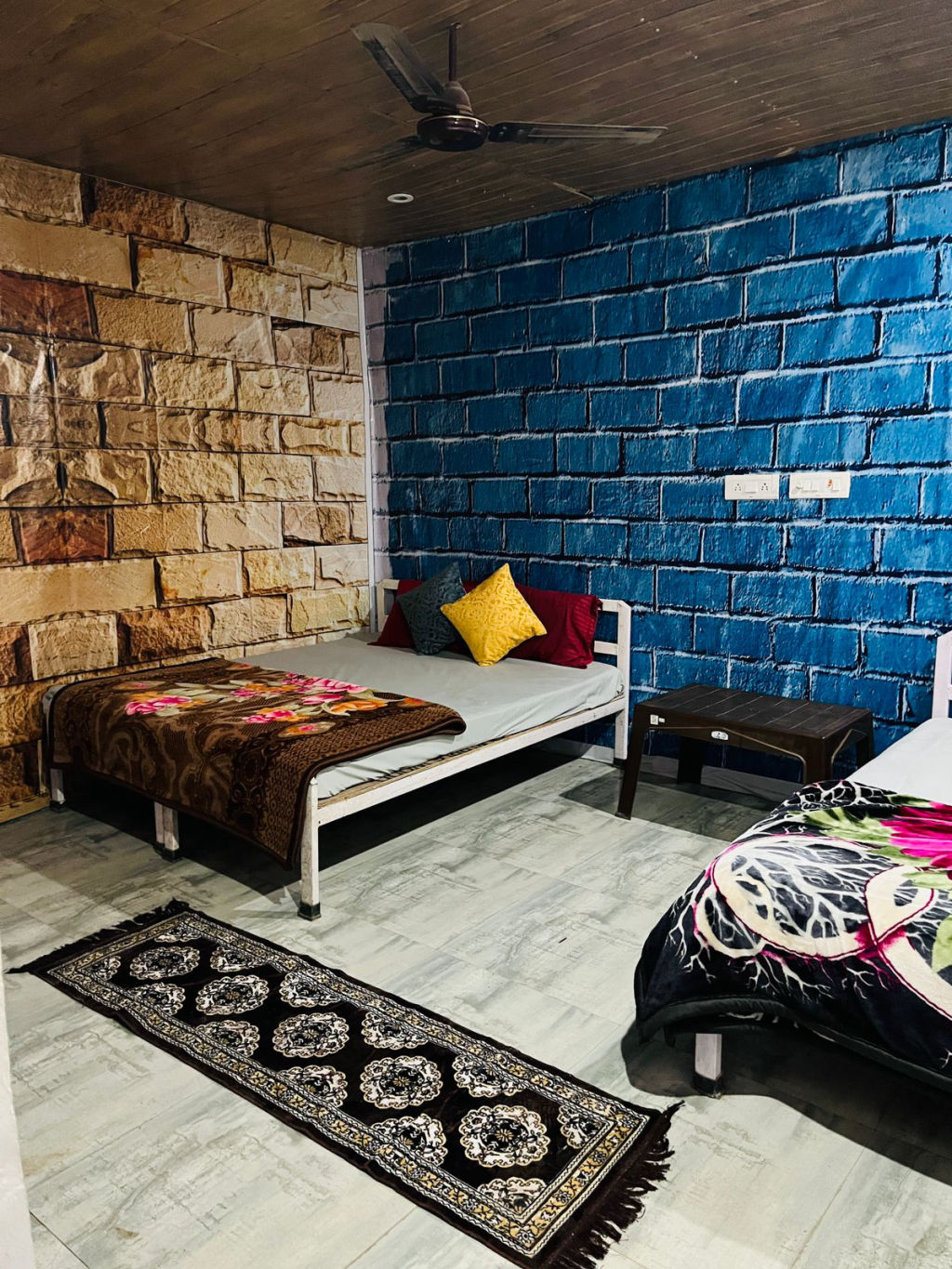
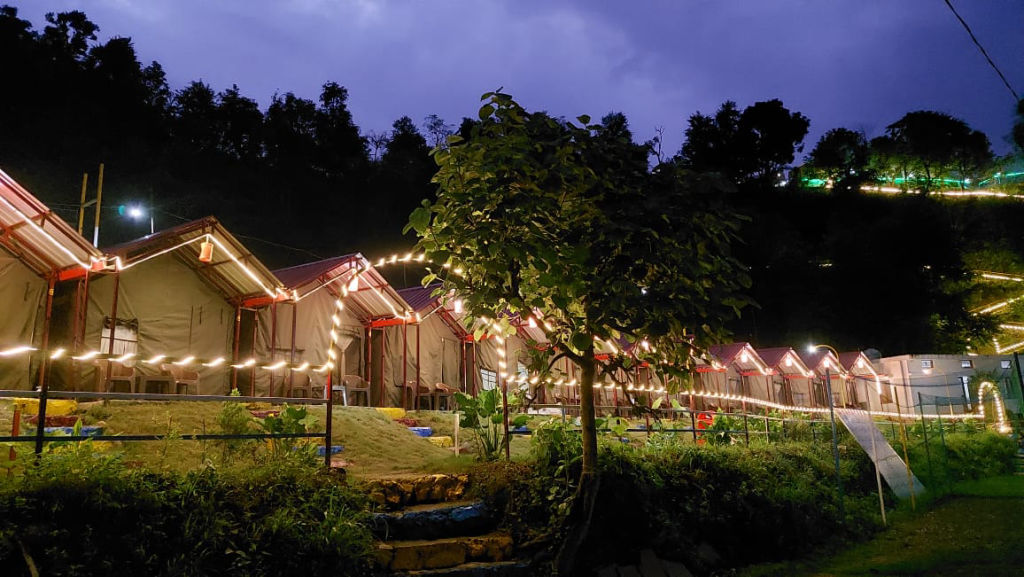
Staying close to Rajaji National Park allows travellers to enjoy the peaceful sounds of the forest while remaining within easy reach of Rishikesh. The forested periphery and nearby rural riverside stretches offer an array of serene outdoor-focused accommodations suited for nature lovers, families, and solo travellers.
Those looking for quiet campsites, nature retreats, and welcoming village homestays situated around the outskirts of the park can find a curated selection of places to stay on HireACamp. Booking in advance is recommended during the peak winter months and long holiday weekends to secure quiet spots immersed in nature.
Frequently asked questions
Where is Rajaji National Park located?
Rajaji National Park is located along the Shivalik foothills in the state of Uttarakhand, India, with its northern fringes bordering the town of Rishikesh.
What wildlife can visitors see at Rajaji National Park?
The park is best known for its wild Asian elephants, Bengal tigers, and leopards, alongside spotted deer, sambar, wild boar, and hundreds of resident and migratory bird species.
Which town is the best base for visiting Rajaji National Park?
Rishikesh serves as an ideal and convenient base for visiting the park due to its close proximity, ample transport links, and wide range of amenities.
Is Rajaji National Park open throughout the year?
No, the park is typically closed during the monsoon season for conservation and safety, and reopens to visitors during the drier months from mid-autumn to early summer.
What should visitors wear during a safari in Rajaji?
Travellers should wear muted earth-toned clothing like khaki, green, or brown, and carry warm layers if visiting during winter when early morning safari rides can be quite cold.
Where you'll be
Rishikesh · 12 stays nearby shown with prices
Stays near Rajaji National Park
Book a place to stay close by

More places near Rajaji National Park
Within 20 km


Lists for this area
Ranked by how many creators recommend each place


Built from 0 Instagram posts by 0 creators. Every tip links back to the post it came from, and where creators disagree we show both sides.






