
Rajaji Tiger Reserve
Park near Jonk, Uttarakhand
3.7 km from Jonk
The nearest town, for stays, food and fuel.
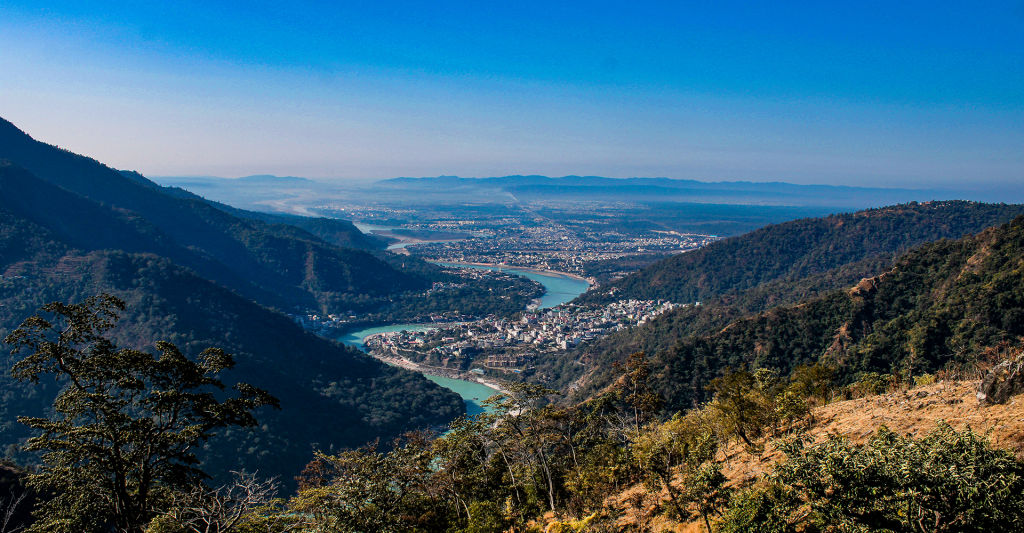
Sprawling across the Shivalik foothills along the holy Ganga in Uttarakhand, Rajaji Tiger Reserve is a vital wildlife haven renowned for its thriving population of Asian elephants and Bengal tigers. Positioned right on the doorstep of Rishikesh and Haridwar, the park attracts wildlife photographers, birdwatchers, and nature lovers seeking an escape into untouched sub-Himalayan forests. Its scenic mix of sal woodlands, riverine grasslands, and rocky stream beds makes it one of northern India's premier conservation landscapes.
Getting there
By road
- From JonkNearest town5 min · 4.4 km
- From Dehradun1 hr 10 min · 42 km
- From New Delhi4 hr 25 min · 254 km
- From Chandigarh4 hr 50 min · 213 km
Typical drive times without traffic. Stations and airports from OLA Maps; distances and typical drive times from OpenStreetMap (© OpenStreetMap contributors); notes from creators' Reels.
About Rajaji Tiger Reserve
Written with AI from map data and general knowledge. Check prices and timings locally before you go.
About Rajaji Tiger Reserve
Rajaji Tiger Reserve occupies a distinct ecological transition zone where the rugged Shivalik ranges meet the sprawling Gangetic plains. Formed by merging the historical Rajaji, Motichur, and Chilla sanctuaries, the reserve was declared a tiger reserve to strengthen the protection of apex predators and their vast migratory ranges across northern Uttarakhand.
The reserve plays an irreplaceable role in wildlife conservation as the north-western limit of both Asian elephant and Bengal tiger distribution in India. Because it encompasses the mighty Ganga river and multiple natural water channels, it functions as a critical lifeline for wildlife migrating between different parts of the foothills. Its close proximity to Rishikesh allows visitors to step from bustling spiritual ghats directly into quiet, dense wilderness within a matter of minutes.
Wildlife and Landscape of Rajaji
The physical geography of Rajaji Tiger Reserve is defined by steep ridges, broad valleys, and seasonal gravel riverbeds locally known as raus. Thick sal canopies dominate the landscape, interwoven with mixed broadleaved forests, bamboo brakes, and tall grassland expanses that flourish along the river plains. During drier periods, these dry torrent beds turn into wide corridors where animals wander and drink from scattered water springs.
The fauna here is exceptionally diverse. Asian elephants are the reserve's most celebrated residents, frequently spotted wandering in family herds through forest clearings and along water bodies. Tigers, leopards, jungle cats, and leopard cats represent the park's carnivores, while large herbivores such as sambar, spotted deer, barking deer, wild boar, and nilgai roam in healthy numbers. Sloth bears and langurs are also commonly encountered.
Birdlife in Rajaji is equally plentiful, with hundreds of resident and migratory species documented across the seasons. Birders regularly spot the great hornbill, crested serpent eagle, peafowl, emerald dove, several kingfisher varieties, and colorful Himalayan woodpeckers flitting through the dense sal leaves.
Read more
Things to Do at Rajaji Tiger Reserve
The primary way to experience Rajaji Tiger Reserve is by embarking on open-vehicle jeep safaris along designated ecotourism tracks. Guided safaris give visitors the chance to navigate deep into the core and buffer zones, where naturalists track pugmarks, alarm calls, and fresh animal signs through the woodlands. Early morning and late afternoon safaris offer the highest chances of sighting elephants, deer, and diverse bird species as animal activity peaks during cooler hours.
For enthusiastic birdwatchers and macro photographers, spending quiet hours along the peripheral nature trails and buffer areas is immensely rewarding. The contrast of forest light filtering through towering trees combined with frequent wildlife sightings creates remarkable opportunities for photography. Many travelers also enjoy taking quiet riverside walks in authorized buffer areas along the outer edges of the reserve, watching local flora and absorbing the stillness of the Himalayan foothills.
Best Time to Visit Rajaji Tiger Reserve
The park generally welcomes safari visitors from mid-autumn through late spring, coinciding with the region's dry and temperate months. The safari zones typically close down during the monsoon season between July and October, as torrential mountain rains wash through seasonal streams, making dirt forest tracks impassable and allowing the wildlife uninterrupted breeding conditions.
Winter, lasting from November to February, brings crisp mornings, chilly evenings, and pleasant daytime sunshine. This is arguably the most comfortable season for exploring the open forest, though warm layers are essential for early safaris. Spring and early summer, from March through June, turn the forest warmer and drier. While afternoons can be hot, this period often yields good wildlife sightings because animals frequently congregate around lingering water sources and open riverbeds.
How to Reach Rajaji Tiger Reserve
Reaching Rajaji Tiger Reserve is remarkably straightforward due to its location next to major travel hubs in Uttarakhand. Rishikesh serves as the closest major town, with administrative offices and safari access zones situated just minutes away from key neighborhoods such as Tapovan and Kailash Gate. Haridwar is another prominent gateway to the southern ranges of the reserve.
Travelers arriving by air can fly into Jolly Grant Airport in Dehradun, which sits within a convenient driving distance of Rishikesh and the northern park gates. Rail travelers can book tickets to either Rishikesh or Haridwar railway stations, both of which are well linked to national rail networks. From either town, local taxis, auto-rickshaws, and private vehicles run frequently toward park entry points.
Places to Visit Nearby
Combining a trip to Rajaji Tiger Reserve with nearby cultural and natural landmarks in the Dehradun and Rishikesh valleys offers a well-rounded itinerary. Just across the river border in Rishikesh, you can attend the evening Ganga Aarti at Parmarth Niketan Ashram or visit Triveni Ghat to witness ancient river traditions and lively community ceremonies.
A short drive upriver brings you to Tapovan, known for its vibrant cafes, yoga centers, and scenic footbridges over the Ganga. If you wish to venture farther into the valley toward Dehradun, you can explore the limestone formations at Robbers' Cave, the quiet courtyards of Mindrolling Monastery, or the grand colonial architecture and sprawling grounds of the Forest Research Institute.
Tips for Your Visit
Because safari slots and vehicle permits operate under strict forest department quotas, it is best to check safari availability and entry requirements locally well ahead of your planned excursion. Always adhere to forest rules by remaining inside your safari vehicle at all times and maintaining low noise levels so as not to startle wildlife.
Dress in muted, earthy tones such as greens, browns, and khakis to blend seamlessly into the forest environment. Bright clothing can disturb animals and reduce your chances of undisturbed sightings. Carry a sturdy pair of binoculars, a telephoto lens if you enjoy photography, and sufficient drinking water. Avoid carrying single-use plastics into the reserve, and make sure that no litter is left behind in the forest.
Where to Stay near Rajaji Tiger Reserve
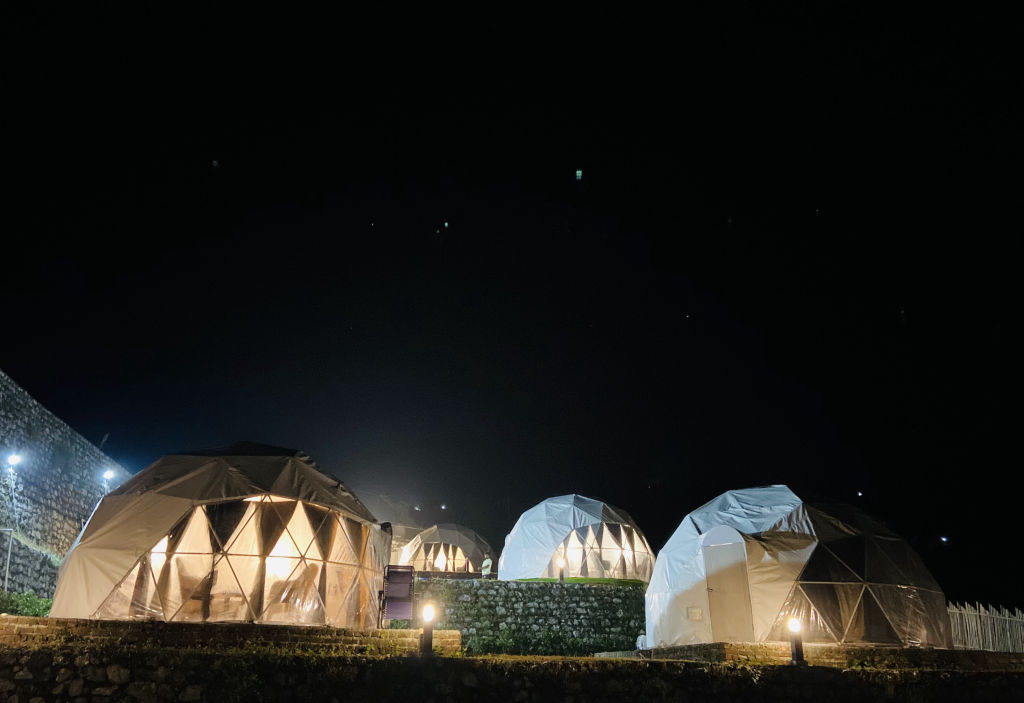
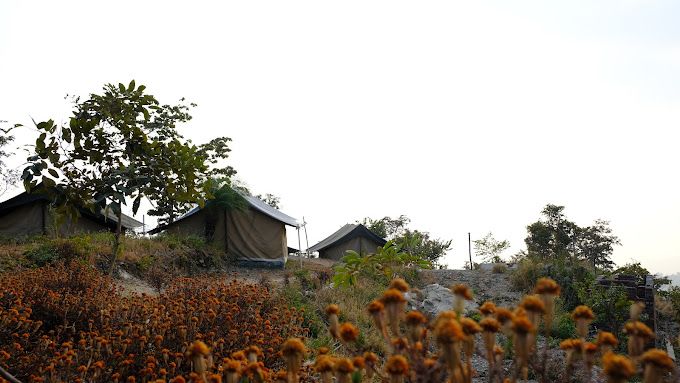
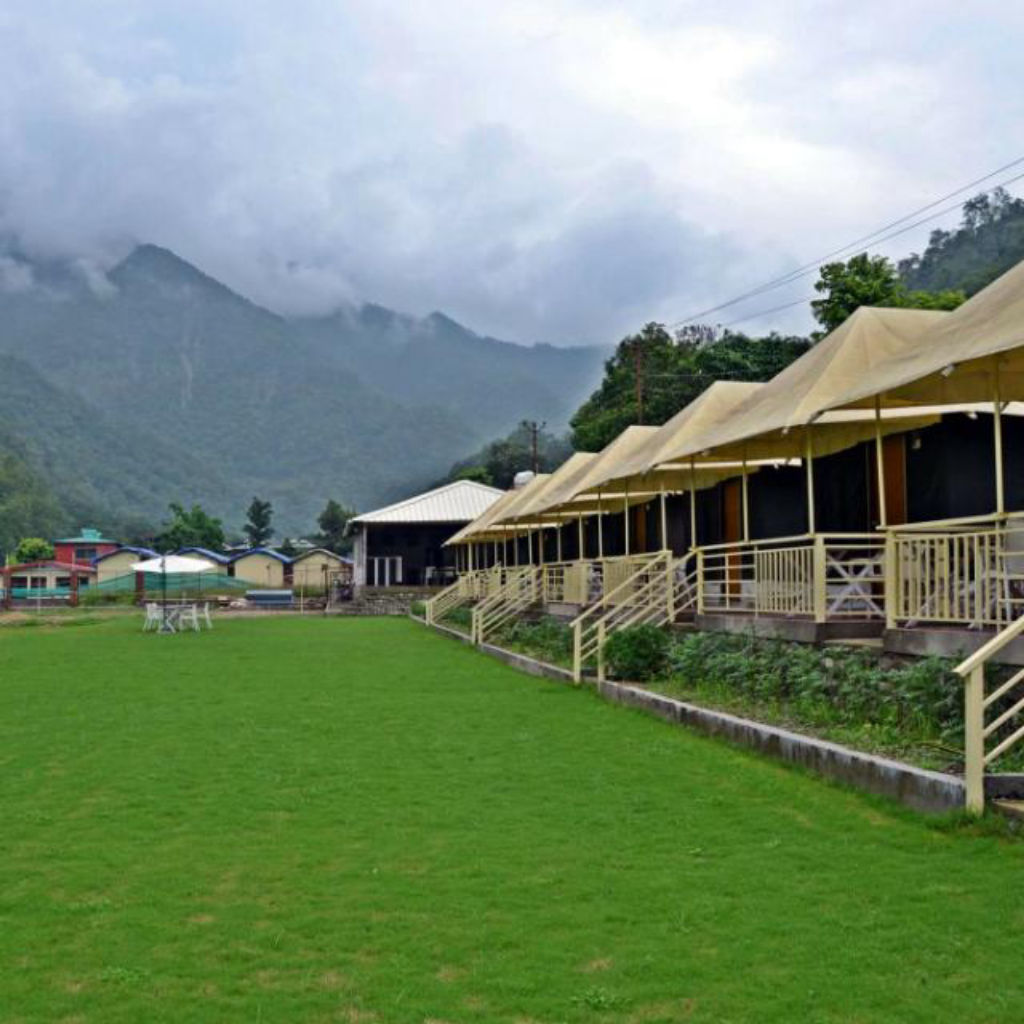
Staying near the reserve allows you to wake up to forest birdsong and reach the safari gates easily for first-light game drives. The areas bordering Rishikesh, the Ganga riverbanks, and the rural outskirts of the Shivalik hills provide a tranquil alternative to town hotels.
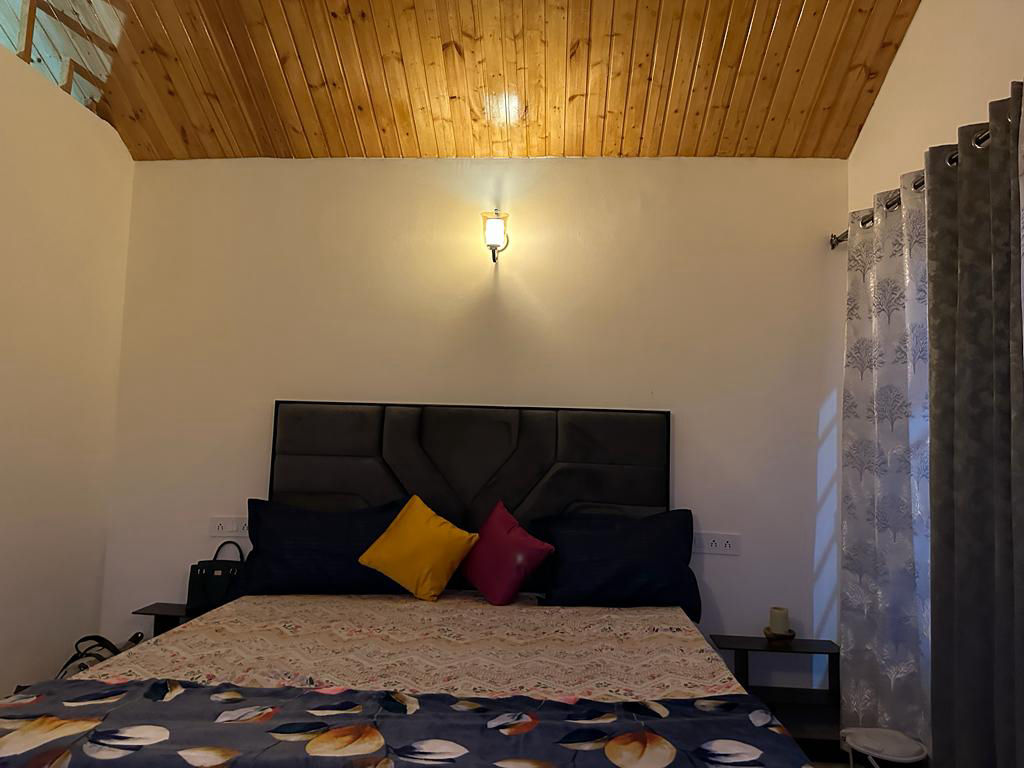
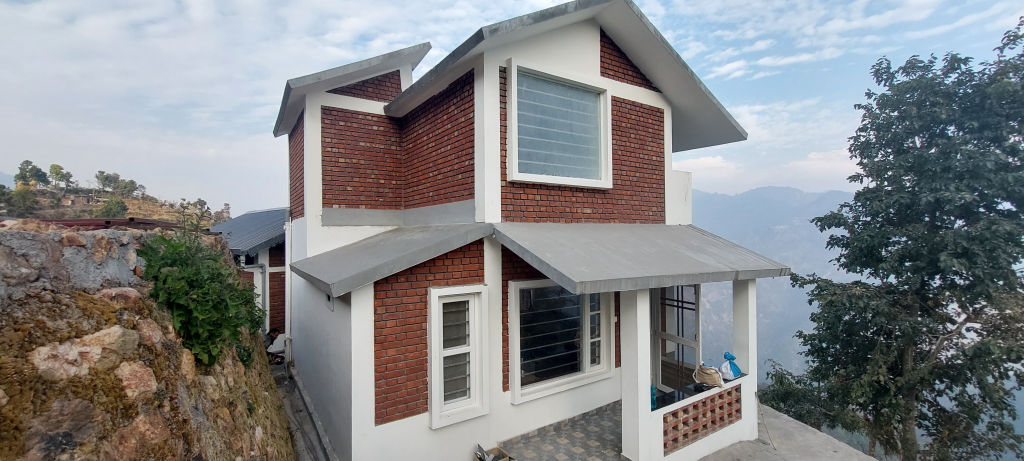
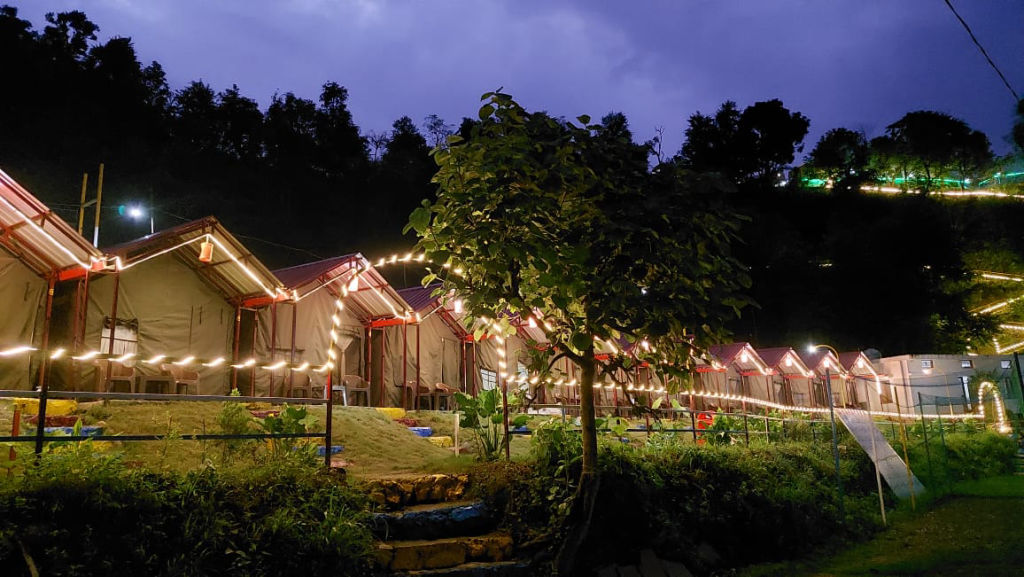
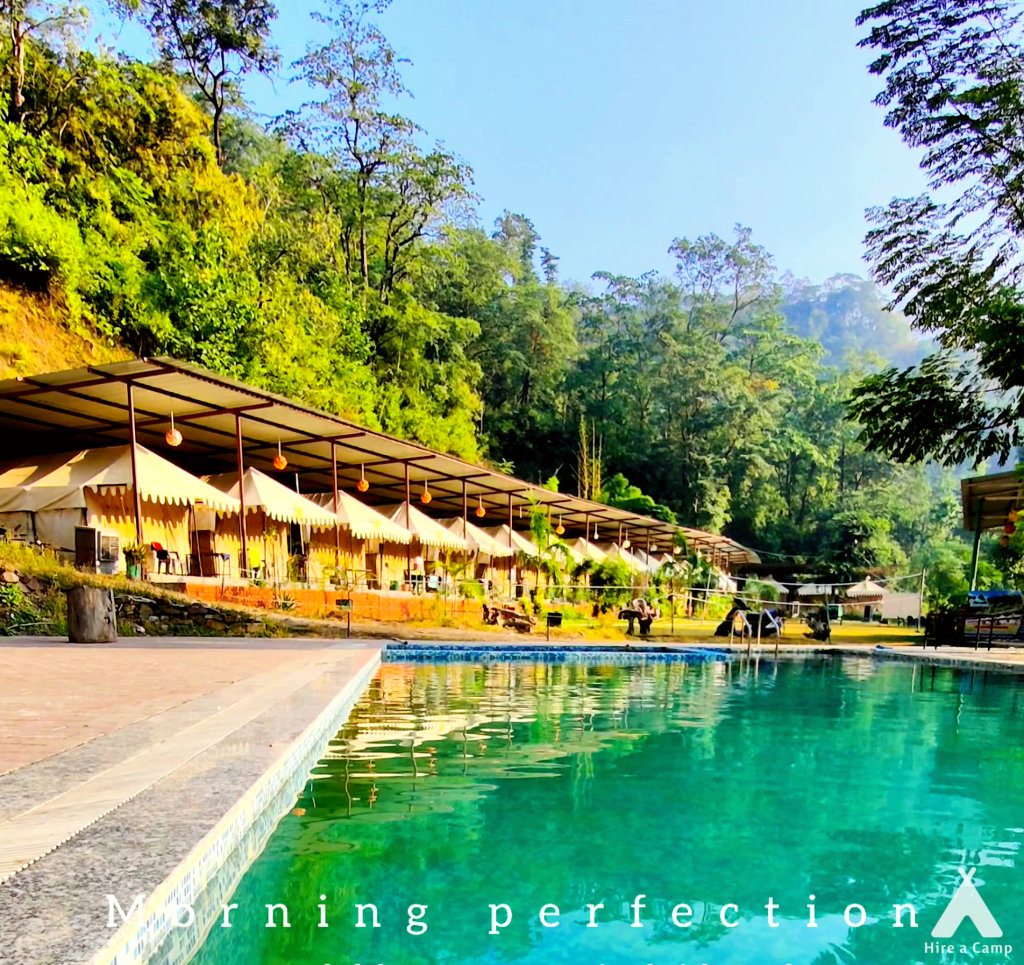
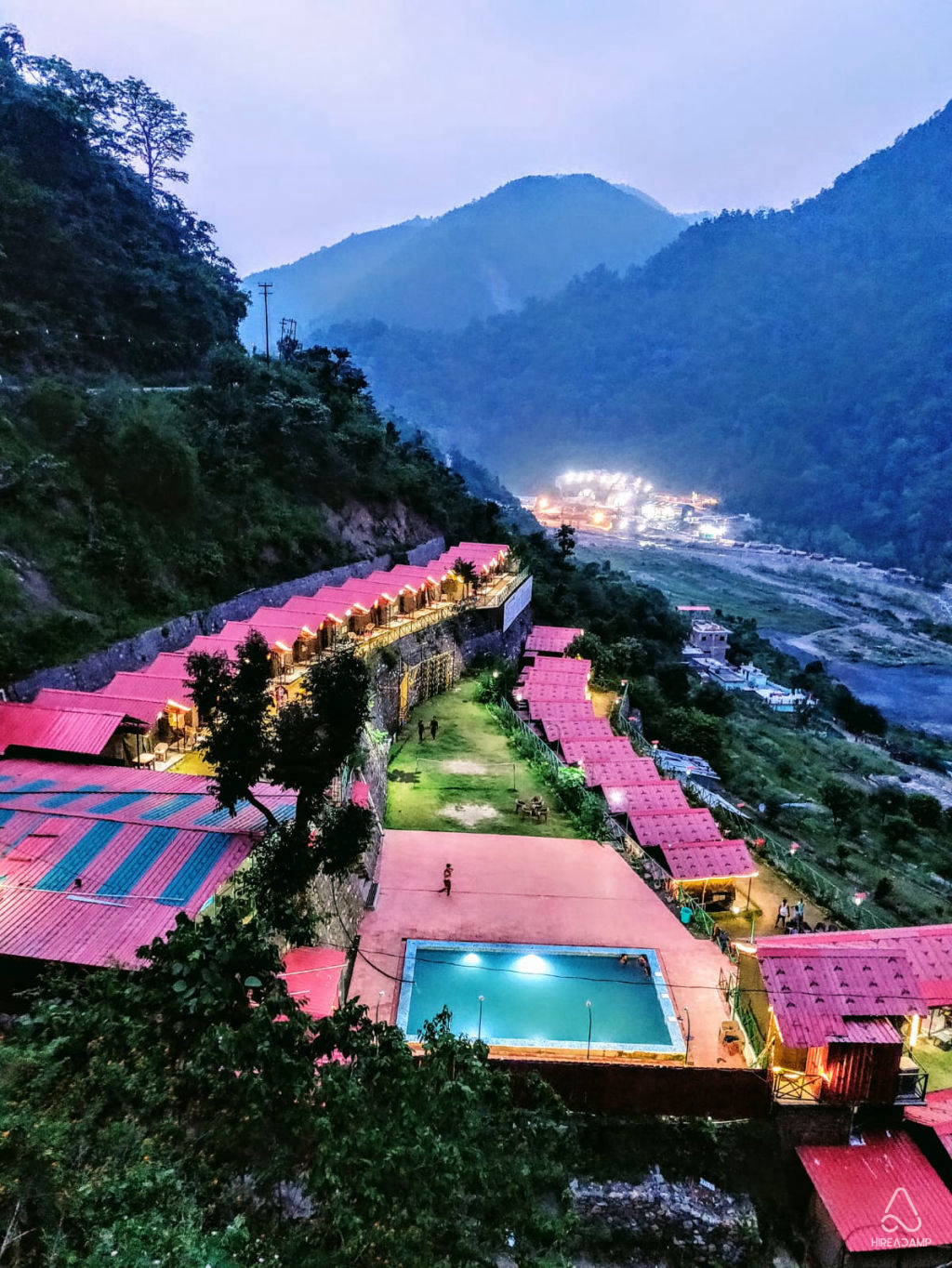
On HireACamp, you can browse and book eco-friendly outdoor camps, rustic riverside cottages, and quiet homestays nestled around the perimeter of Rajaji Tiger Reserve. These stays offer an authentic outdoor experience, letting you enjoy evening campfires, starry skies, and slow-paced living close to wild nature.
Frequently asked questions
Which wild animals can you see in Rajaji Tiger Reserve?
Rajaji Tiger Reserve is famous for its wild Asian elephants, Bengal tigers, and leopards. Visitors also frequently spot spotted deer, sambar, barking deer, wild boars, langurs, sloth bears, and a diverse range of forest birds.
Is Rajaji Tiger Reserve open throughout the year?
Core tourism and safari zones inside the reserve generally close during the monsoon season between July and October for wildlife breeding and track maintenance. Safaris typically operate from November through June, but you should check current schedules locally before planning.
How do I book a jungle safari at Rajaji Tiger Reserve?
Safari permits and vehicles are managed by the Uttarakhand Forest Department across designated range gates such as Chilla and Motichur. It is recommended to check booking procedures and permit quotas locally in Rishikesh or Haridwar in advance.
How far is Rajaji Tiger Reserve from Rishikesh?
Rajaji Tiger Reserve directly borders the outskirts of Rishikesh, with access points and administrative offices located right at Kailash Gate and nearby river crossings just a few kilometers from town center.
What should I wear during a safari in Rajaji Tiger Reserve?
Wear comfortable clothing in neutral shades such as olive green, beige, or dull brown to blend into the woodland landscape. If visiting between November and February, carry warm jackets and scarves for chilly open-jeep morning safaris.
Where you'll be
Opposite Union Bank Of India, kailash gate, Rishikesh · 12 stays nearby shown with prices
Stays near Rajaji Tiger Reserve
Book a place to stay close by



More places near Rajaji Tiger Reserve
Within 20 km


Lists for this area
Ranked by how many creators recommend each place


Built from 0 Instagram posts by 0 creators. Every tip links back to the post it came from, and where creators disagree we show both sides.






