
Rammam
Destination in West Bengal
Rammam is a tranquil mountain village set amidst the dense forests of the Darjeeling district in West Bengal. Situated close to the Sikkim border and the Singalila National Park, it is widely cherished by trekkers and nature lovers as a peaceful stopover along the Eastern Himalayan walking trails. Visitors travel here to experience unhurried mountain life, rich biodiversity, and sweeping views of forest-clad valleys.
Getting there
About Rammam
Written with AI from map data and general knowledge. Check prices and timings locally before you go.
About Rammam
Perched on the lower slopes of the Singalila range in northern West Bengal, Rammam is a quiet hamlet surrounded by evergreen pine, oak, and rhododendron woodlands. The village takes its name from the Rammam River, which flows nearby carving deep valleys between the hills of Darjeeling and western Sikkim. Unlike crowded hill towns, Rammam retains an undisturbed rural character, with scattered wooden homesteads, small step farms, and mountain paths traversing thick forest canopy.
Historically, Rammam served as an important route marker for forest workers, shepherds, and local traders traversing between remote mountain settlements. Today, it is recognized primarily as an overnight halt on the iconic Singalila trekking circuit, welcoming hikers descending from the high-altitude ridges of Sandakphu and Phalut before they reach Srikhola and Rimbik. The atmosphere here is deeply serene, shaped by the sound of flowing water, wind through the conifers, and chirping mountain birds.
Things to do in Rammam
The primary appeal of Rammam lies in exploring the outdoors on foot. Taking long, quiet walks through the village lanes allows you to observe terraced farming, where locals cultivate corn, potatoes, cardamom, and seasonal vegetables. Interacting with the villagers offers a rare glimpse into the resilient, close-knit lifestyle of Himalayan communities.
Birdwatching is particularly rewarding in Rammam. The dense canopy of the surrounding mixed forests shelters a wide variety of Himalayan birds, including laughingthrushes, flycatchers, minivans, sunbirds, and woodpeckers. Packing a pair of binoculars and heading out along the village trails in the early morning often yields remarkable sightings.
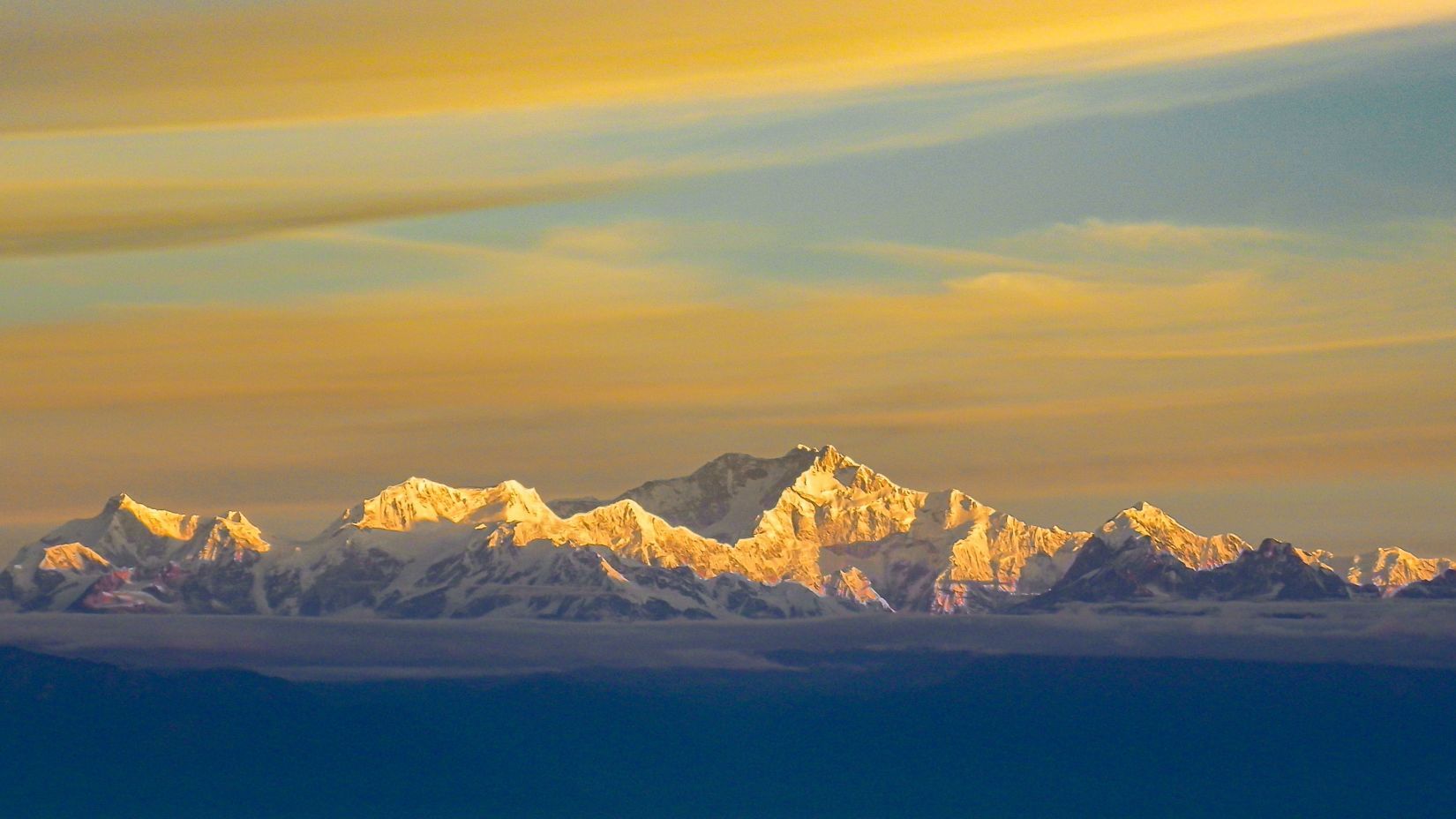
For those who love landscape photography or quiet contemplation, the edges of the settlement offer sweeping vistas of mist-draped valleys and forested ridges. Evening hours are best spent stargazing, as the absence of heavy artificial lighting results in clear, brilliant night skies.
Read more
The trekking circuit around Rammam
Rammam is an integral stop on one of the most famous trekking routes in Eastern India. The standard route typically begins at Manebhanjan, winds up to Sandakphu and Phalut along the international border with Nepal, and then descends into the lush forested valleys via Gorkhey and Rammam before ending at Srikhola or Rimbik.
The trail segment connecting Gorkhey to Rammam passes through tranquil bamboo brakes and damp pine forests, crossing mountain streams over sturdy wooden bridges. It is a gentle and scenic descent that provides welcome relief to trekkers after days spent exposed to the harsh winds of the high ridges. From Rammam, the route continues downward toward Srikhola, making it an essential resting point where hikers recover their energy and enjoy the warmth of lower elevations.
Best time to visit Rammam
The best time to visit Rammam is from October to December and from March to May, when weather conditions are most stable and clear.
Spring, spanning March to May, brings mild daytime temperatures and vibrant floral displays. The forests around Rammam and the higher Singalila slopes burst into bloom with rhododendrons, magnolias, and wild orchids, creating a colourful backdrop for walking and trekking. Skies remain mostly clear, offering pleasant conditions for village exploration.
Autumn, from October to late November, is the most popular trekking season. The monsoon clouds dissipate, leaving behind crystal-clear mountain air, crisp mornings, and excellent visibility across the surrounding valleys. Winter settles in from December to February, bringing cold nights and brisk days; while chilly, this season is ideal for travellers seeking solitude. The monsoon months between June and September bring heavy, persistent rainfall, making forest trails slippery and increasing the likelihood of road blocks.
How to reach Rammam
Reaching Rammam involves a combination of road travel and trekking or rough-road driving. The nearest major railway station is New Jalpaiguri, and the nearest airport is Bagdogra, both located in the plains of northern West Bengal.
From Bagdogra or New Jalpaiguri, private and shared vehicles travel up into the hills toward Darjeeling, Mirik, or Manebhanjan. Trekkers typically reach Rammam on foot as part of the multi-day Singalila Ridge trek, descending from Gorkhey. For non-trekkers or those heading directly toward the village, rough mountain tracks lead up from Rimbik and Srikhola, which are connected by road to Darjeeling and Siliguri. Four-wheel-drive vehicles are recommended due to the rugged nature of the terrain in this part of the district. It is always wise to confirm local road conditions and seasonal jeep connectivity before starting your journey.
Places to visit around Rammam
The surrounding region offers a collection of picturesque villages and notable Himalayan destinations. Nearby Gorkhey is a charming settlement resting inside a valley bowl right beside a mountain stream, surrounded by dense pine groves and wooden farmhouses. Further down the trail lies Srikhola, known for its scenic suspension bridge spanning a rushing mountain river, where travellers often stop to rest along the boulder-strewn riverbank.
Further out, the bustling hill resort of Darjeeling sits roughly twenty to twenty-five kilometres away in straight-line distance, though road routes through the mountains cover a longer driving distance. A trip toward Darjeeling allows travellers to explore famous landmarks such as the Batasia Loop, the Japanese Buddhist Temple, the Darjeeling Himalayan Railway, and the tea estates that carpet the misty hill slopes.
Where to stay in Rammam
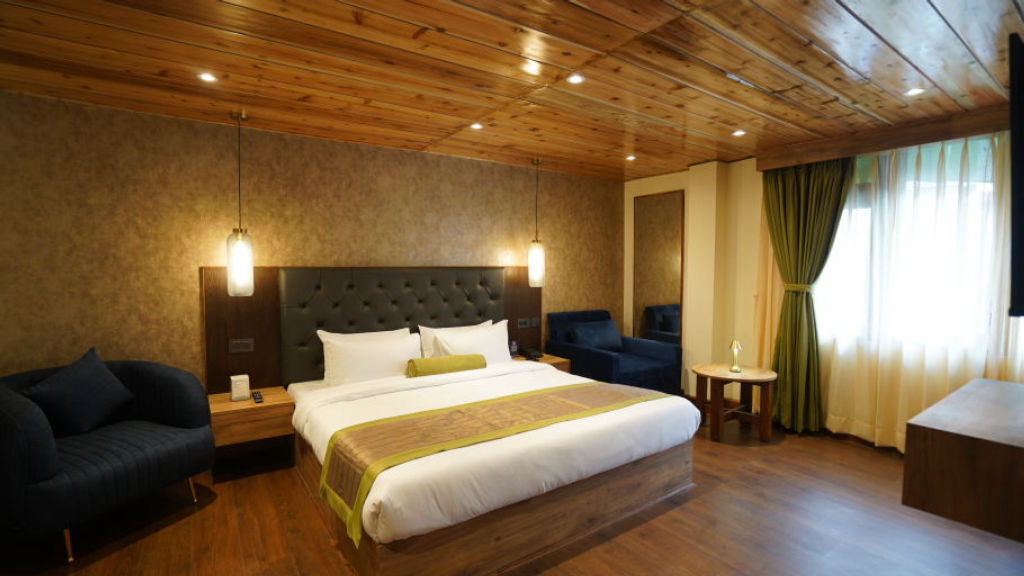
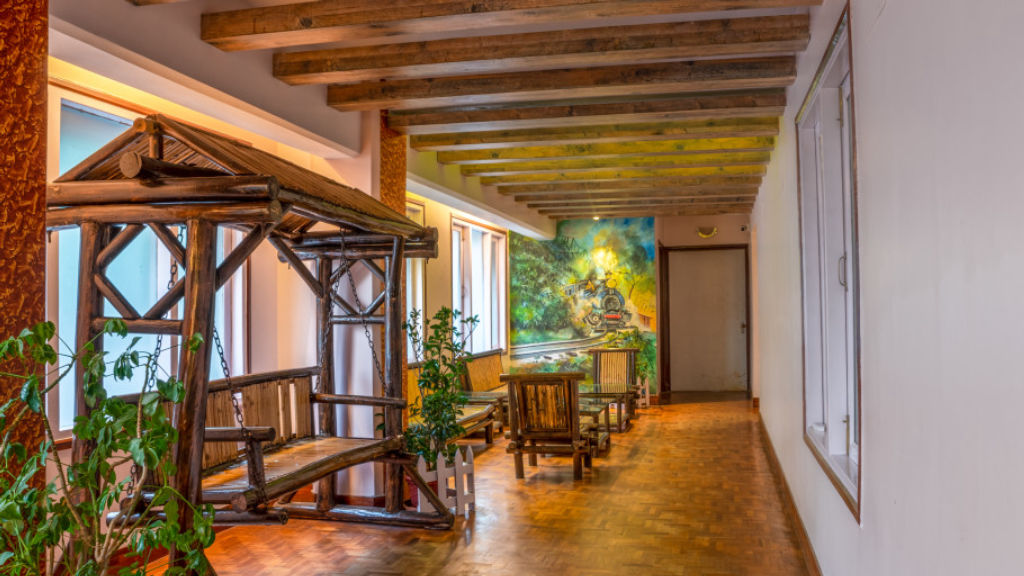
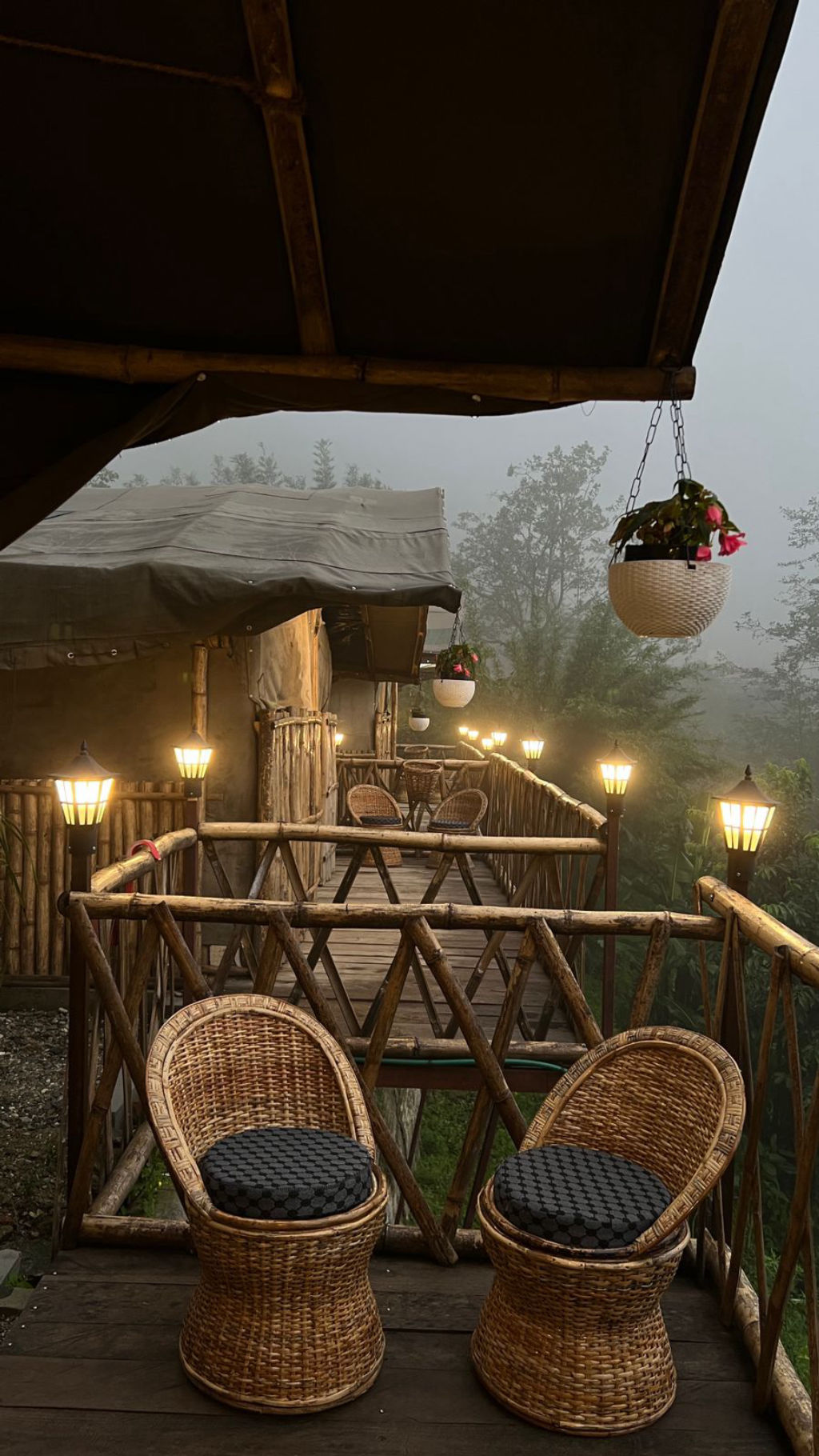
Accommodation in Rammam consists largely of traditional village homestays and rustic mountain lodges run by local families. These stays offer clean, unpretentious shelter along with warm mountain hospitality and home-cooked meals prepared from regional produce. Camping is also popular among trekking groups passing through the Singalila circuit.
You can explore verified homestays, nature lodges, and outdoor camp stays around Rammam and the surrounding Darjeeling valleys on HireACamp. Booking your stay in advance is particularly advisable during the peak trekking months of spring and autumn.
Frequently asked questions
Is Rammam suitable for non-trekkers?
Yes, while Rammam is famous as a trekking halt, non-trekkers seeking absolute quiet and nature immersion can reach the area using local four-wheel-drive vehicles from nearby roadheads like Rimbik and Srikhola.
Do I need permits to visit Rammam?
If you are entering Rammam as part of the Singalila National Park trekking route, entry permits are required and can be arranged at the park checkpoints; visitors arriving directly should verify current local entry guidelines.
What is the network connectivity like in Rammam?
Mobile network coverage in Rammam is patchy and often unreliable due to the remote valley terrain, so it is best to complete essential communications before travelling into the upper hills.
What should I pack for a trip to Rammam?
Carry sturdy walking shoes, warm clothing layers even during summer evenings, rain gear if travelling near the monsoon, a headlamp, and a basic medical kit.
Where you'll be
4 stays nearby shown with prices
Stays near Rammam
Book a place to stay close by
Things to do in Rammam
43 places creators recommend within 30 km


Lists for this area
Ranked by how many creators recommend each place


Built from 0 Instagram posts by 0 creators. Every tip links back to the post it came from, and where creators disagree we show both sides.






