
Rayreshwar Fort
Peak near Raireshwar, Maharashtra
8.4 km from Raireshwar
The nearest town, for stays, food and fuel.
Rayreshwar Fort is an expansive mountain plateau located in the Sahyadri range near Bhor in Maharashtra. Deeply rooted in Maratha history, it is the revered site where Chhatrapati Shivaji Maharaj took the historic oath of Swarajya at the ancient Raireshwar temple. Today, trekkers and history enthusiasts visit the plateau to explore its sacred shrines, rugged cliff faces, and sweeping views of the Western Ghats.
Getting there
By road
- From RaireshwarNearest town30 min · 14 km
- From Raireshwar,Bhor30 min · 14 km
- From Pune1 hr 35 min · 64 km
- From Mumbai 4 hr · 210 km
Typical drive times without traffic. Stations and airports from OLA Maps; distances and typical drive times from OpenStreetMap (© OpenStreetMap contributors); notes from creators' Reels.
About Rayreshwar Fort
Written with AI from map data and general knowledge. Check prices and timings locally before you go.
The Historical Significance of Rayreshwar Fort
Rayreshwar holds a unique and revered chapter in Indian history. In 1645, a young Chhatrapati Shivaji Maharaj gathered his trusted Mawala comrades inside the temple dedicated to Lord Shiva atop this plateau. It was here that they took the solemn pledge to establish Hindavi Swarajya, an independent kingdom rooted in self-rule, by reportedly anointing the Shiva lingam with their own blood.
Unlike traditional military forts built with high ramparts, watchtowers, and bastions, Rayreshwar functioned primarily as a strategic natural sanctuary and plateau fort. The ancient temple still stands as the heart of the plateau, sheltered within a slight depression on the tableland. Pilgrims and heritage walkers make the trek up specifically to pay homage to this pivotal turning point in regional history.
Landscape and Terrain of the Raireshwar Plateau
The topography of Rayreshwar is dominated by a massive, windswept lateritic plateau that stretches for several kilometres. Its high elevation offers commanding perspectives over the surrounding Sahyadri peaks, valleys, and backwaters. The edges of the plateau drop off steeply into deep ravines, forming natural defences that required very little artificial fortification.
One of the plateau's unique geological features is its multi-coloured soil, which shows distinct layers of yellow, red, black, and white earth in certain hollows. During the post-monsoon months, vast stretches of the tableland turn into a carpet of wild wildflowers, resembling the landscapes of the higher Sahyadri plateaus in neighbouring districts. Natural water cisterns cut into the rock surface and seasonal streams provide water to the small hamlets situated on the high grounds.
Read more
Trekking to Rayreshwar Fort
The trek to Rayreshwar is moderate and rewarding, attracting both seasoned hikers and beginners. The primary trail begins from the base village near Korle, passing through scrub forests and gradual inclines before reaching the sheer cliff section below the plateau rim.
To negotiate the final vertical cliff, sturdy iron ladders and rock-cut staircases have been installed, allowing hikers to scale the cliffline safely. Once you emerge onto the vast open expanse of the plateau, the walking is mostly flat along beaten trails leading to the historic Shiva temple, local stone structures, and scenic viewpoints along the western rim. Walking across the length of the plateau provides ample space to unwind while taking in wide views of Kenjalgad, Kamalgad, and the rolling hills of the Bhor region.
Best Time to Visit Rayreshwar
The monsoon and winter months are the best periods to plan a trip to Rayreshwar. Between July and September, the monsoon transforms the plateau into an oasis of lush greenery. Clouds drift across the tableland, seasonal waterfalls cascade over the cliffs, and cool breezes blow continuously. Trekking during peak rains requires good footwear, as the paths and iron ladders can become slippery.
The late monsoon and early winter season, spanning October through February, brings clear blue skies, pleasant daytime walking conditions, and crisp morning breezes. This window is ideal for panoramic photography and long exploration walks across the expansive tableland. Summer months tend to be hot and dry, with strong sun exposure on the unshaded plateau, making early morning or late afternoon ascents essential if visiting in the warmer season.
Places to Visit Near Rayreshwar
Rayreshwar is situated within reach of several prominent historic forts and scenic water bodies in the Pune and Satara borderlands. The neighbouring fort of Kenjalgad, known for its flat hexagonal top and rock-carved steps, is situated just across the ridge and is frequently combined with Rayreshwar into a single day's trek.
Further down in the valley lies Dhom Lake, where the vast backwaters of the dam mirror the surrounding mountain silhouettes. Historic hill forts such as Kamalgad, Rajgad, and Torna also rise throughout the broader region, making this corner of the Sahyadris a prime destination for extended heritage trails and landscape viewing.
Tips for Your Visit to Rayreshwar
Rayreshwar's plateau is wide, remote, and exposed to the elements, so coming prepared makes a significant difference. Bring plenty of drinking water and lightweight snacks, as village stalls on top may have very limited supplies depending on the season and day of the week. Wear sturdy trekking shoes with reliable grip to handle loose scree and rocky sections leading to the ladders.
A light windcheater or rain shell is indispensable in the monsoon and windy winter periods. Because the plateau remains a place of cultural reverence and quiet rural life, visitors are expected to maintain the sanctity of the temple grounds and refrain from littering. Pack all wrappers and plastic waste back down with you to preserve the natural mountain ecology.
Where to Stay Around Rayreshwar
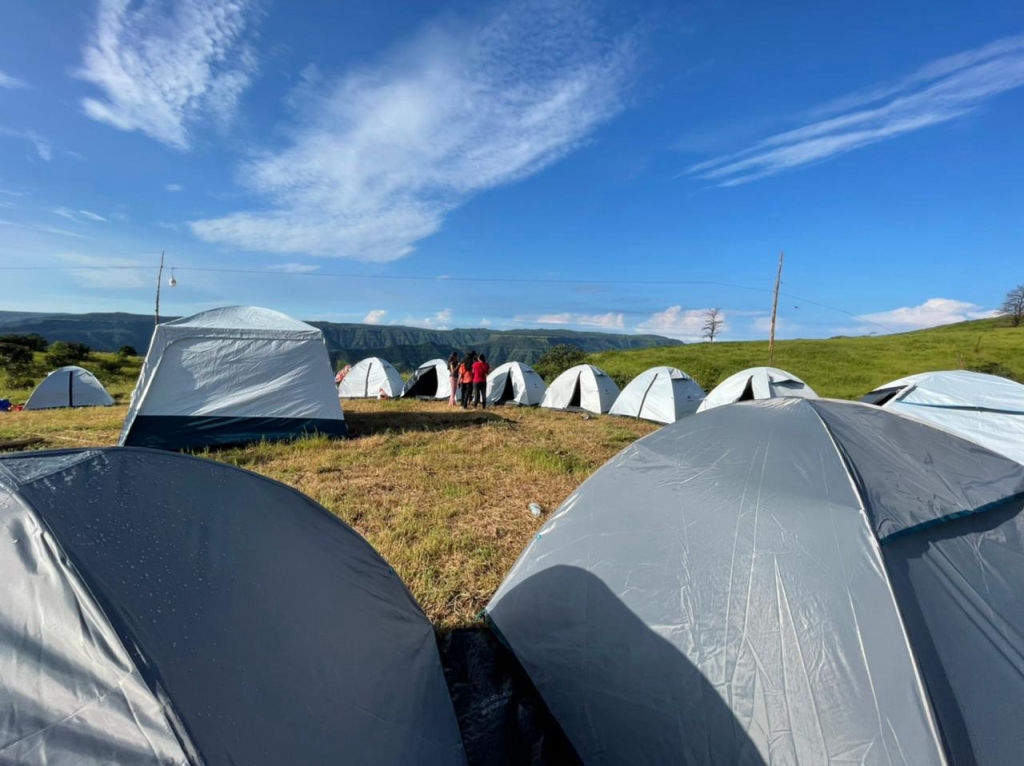
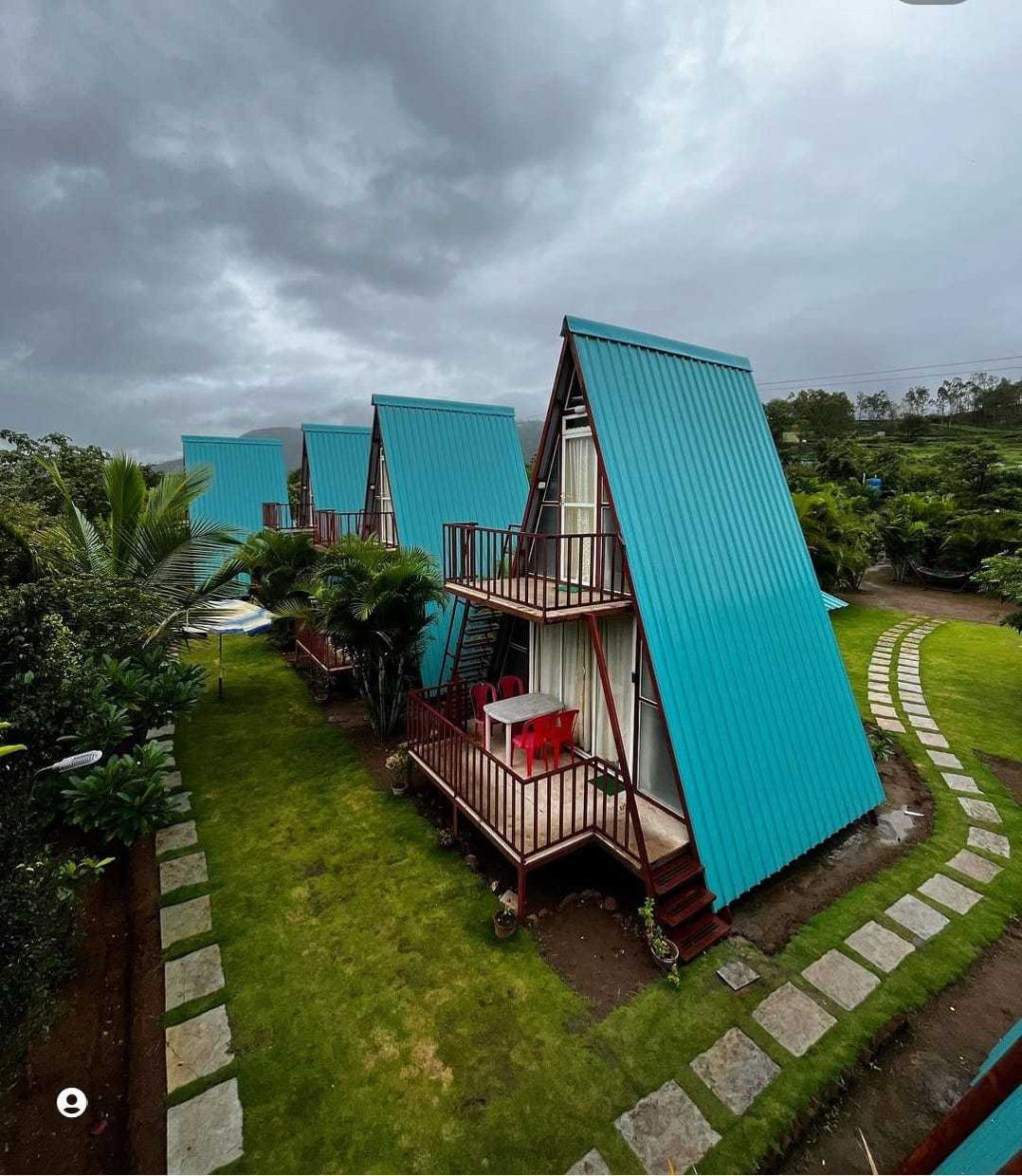
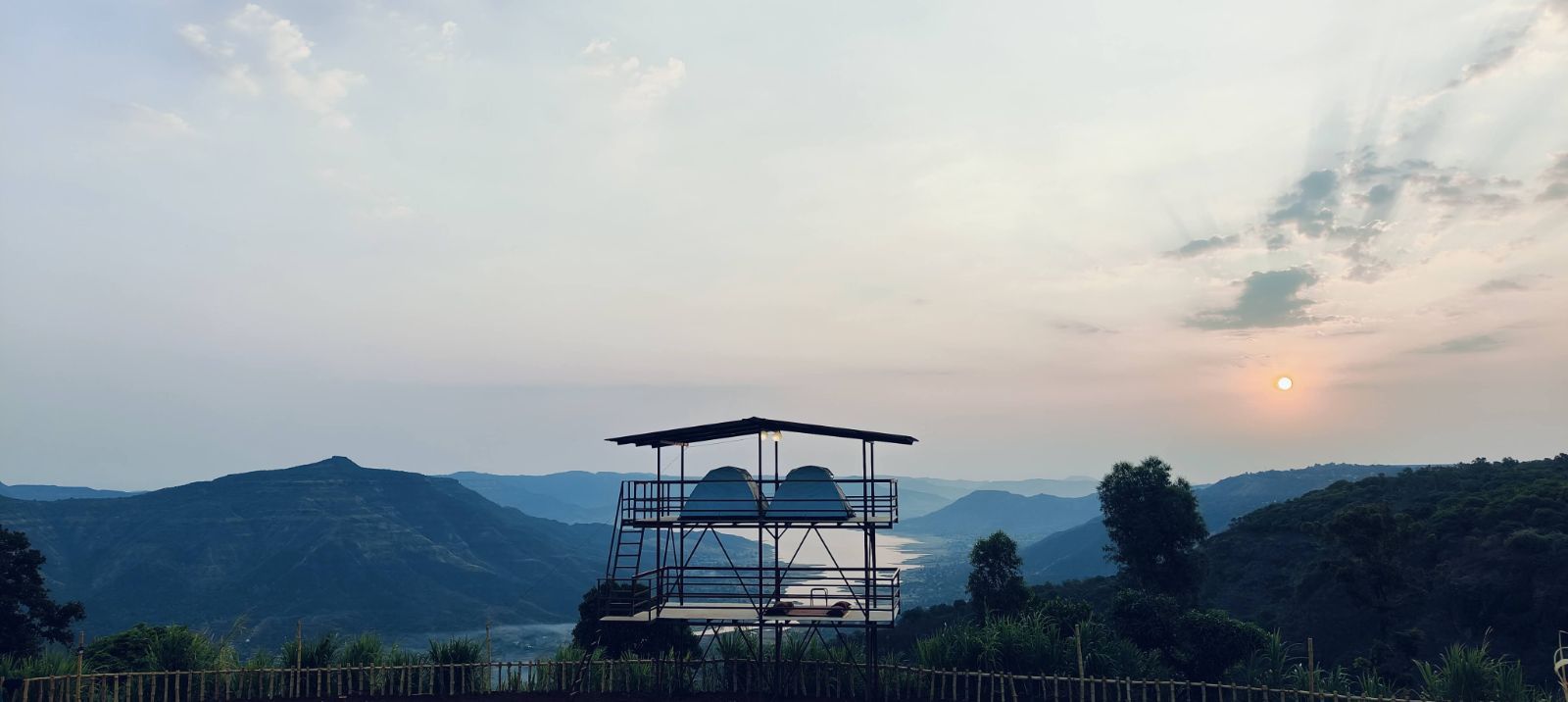
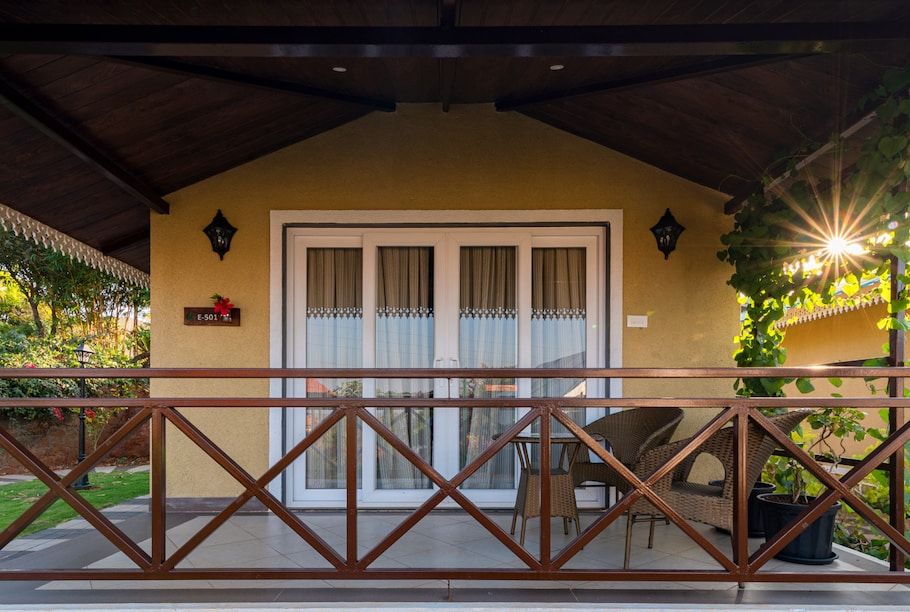
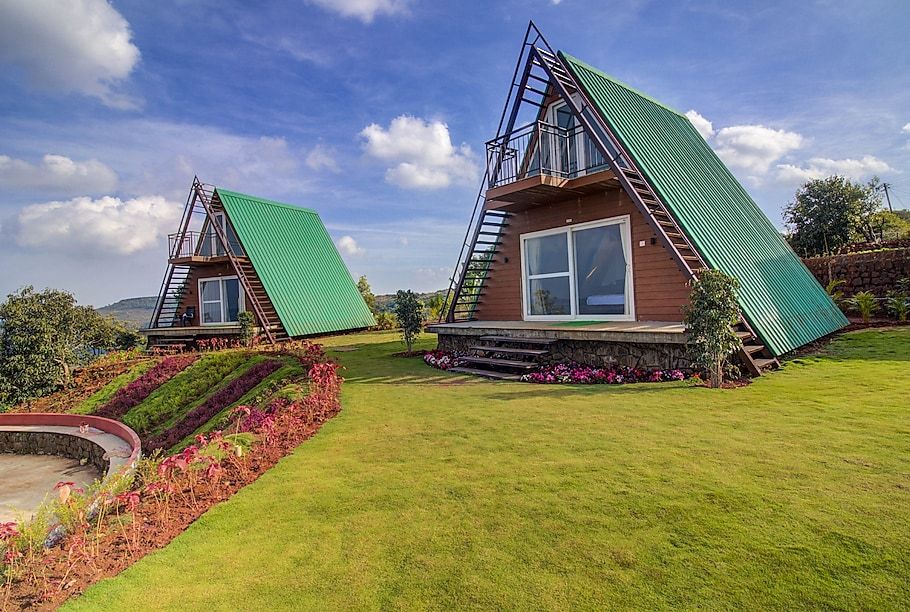
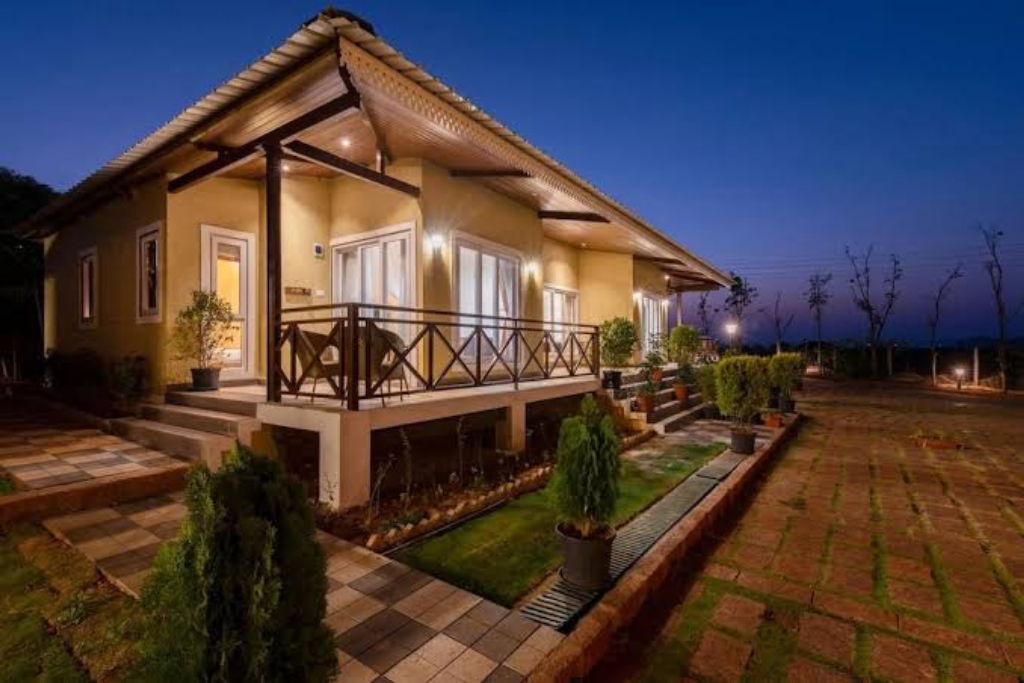
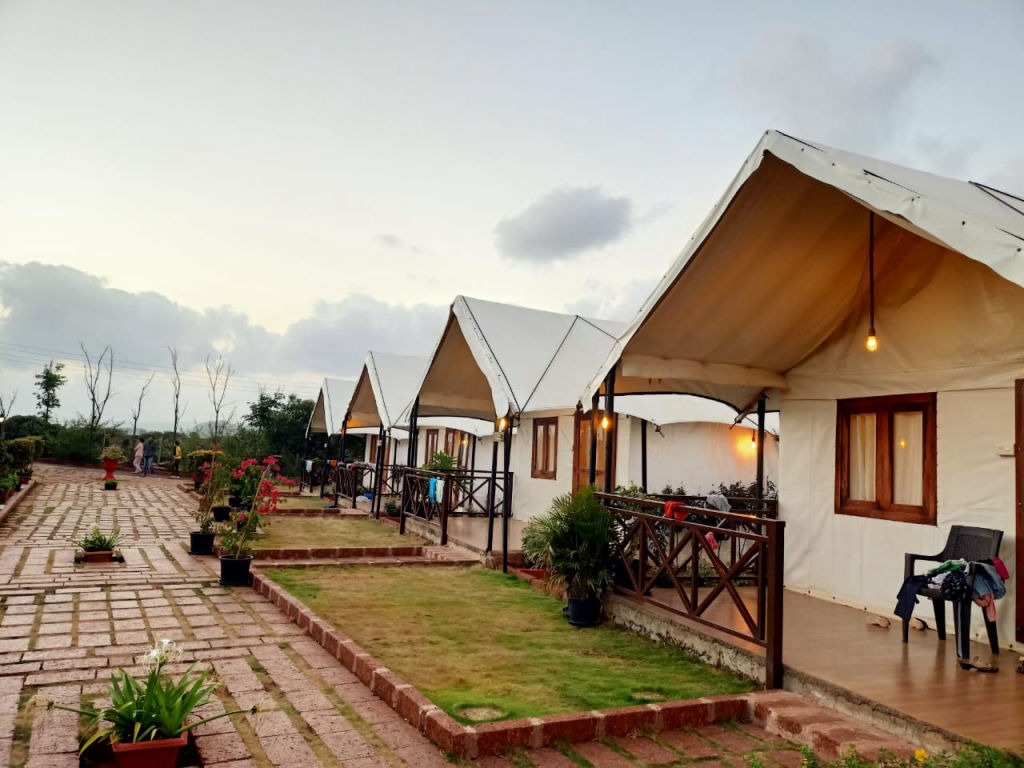
While Rayreshwar's rustic village on the plateau offers simple local hospitality for trekkers, broader accommodation options are available in the foothills and nearby rural pockets of Bhor and Wai. The surrounding countryside is dotted with scenic spots well suited for outdoor stays.
You can explore curated campsites, tranquil farmstays, and homestays across this region on HireACamp. Booking an authentic stay nearby gives you the chance to start your climb early in the morning and experience the calm rural pace of the Western Ghats.
Frequently asked questions
What is Rayreshwar Fort famous for?
Rayreshwar Fort is historically famous as the place where Chhatrapati Shivaji Maharaj took the oath of Swarajya in 1645 at the Raireshwar Shiva temple.
How difficult is the trek to Rayreshwar Fort?
The trek is considered easy to moderate. It features a straightforward path from the base village and uses iron ladders to overcome the final steep rock wall onto the flat plateau.
Can Rayreshwar and Kenjalgad be visited together?
Yes, due to their close proximity, many trekkers combine Rayreshwar and the neighbouring Kenjalgad Fort in a single day's itinerary.
Which is the nearest town to Rayreshwar Fort?
The nearest town to Rayreshwar is Bhor, which serves as the primary gateway for rural road connections to the base villages.
Where you'll be
7 stays nearby shown with prices
Stays near Rayreshwar Fort
Book a place to stay close by
More places near Rayreshwar Fort
Within 20 km


Lists for this area
Ranked by how many creators recommend each place


Built from 0 Instagram posts by 0 creators. Every tip links back to the post it came from, and where creators disagree we show both sides.






