
Raireshwar Plateau
Fort near Raireshwar,Bhor, Maharashtra
300 m from Raireshwar,Bhor
The nearest town, for stays, food and fuel.
Raireshwar Plateau is a vast, elevated tableland situated near the town of Bhor in Maharashtra's Western Ghats. Steeped in Maratha history, the plateau is revered as the place where Chhatrapati Shivaji Maharaj pledged the oath of Swarajya in the seventeenth century. Today, it draws hikers, nature lovers, and history enthusiasts who come to experience its windswept expanses, ancient stone temple, and commanding views over the Sahyadri ranges.
Getting there
By road
- From Pune2 hr 5 min · 78 km
- From Mumbai 4 hr 35 min · 224 km
- From Nashik6 hr 40 min · 292 km
Typical drive times without traffic. Stations and airports from OLA Maps; distances and typical drive times from OpenStreetMap (© OpenStreetMap contributors); notes from creators' Reels.
About Raireshwar Plateau
Written with AI from map data and general knowledge. Check prices and timings locally before you go.
Introduction to Raireshwar Plateau
Perched high in the Sahyadri mountains of western Maharashtra, Raireshwar Plateau stands as one of the most prominent tablelands in the Pune and Satara borderlands. Resting at a considerable altitude above sea level, the plateau forms a sprawling natural fortress surrounded by sheer basalt cliffs and deep, fertile valleys. The landscape combines rugged rocky terrain with seasonal grasses, creating an open, atmospheric world detached from the bustle of the plains below.
While geologically fascinating, Raireshwar holds a profound cultural identity for the people of Maharashtra. It is not merely an outdoor trekking destination but a hallowed chapter in regional folklore. Travelers journey here to witness the intersection of dramatic Western Ghats topography and centuries-old Maratha heritage, where early architectural relics still whisper tales of rebellion, unity, and strategic governance.
Historical Significance of Raireshwar
The plateau's defining claim to fame occurred in the spring of 1645. It was here, within the ancient sanctum of the Raireshwar temple, that a young Chhatrapati Shivaji Maharaj gathered his closest companions, including Tanaji Malusare and Baji Pasalkar, to take the historic oath of Hindavi Swarajya, dedicated to establishing self-rule in the Deccan. According to historical tradition, the oath was solemnized by an offering of blood drawn from the thumb, dedicating their lives to the cause of sovereignty.
The Raireshwar temple itself remains the spiritual heart of the plateau. Constructed with heavy stone blocks in the traditional Hemadpanthi style, the shrine features a sunken shivalinga and ancient stone carvings. Stepping inside the temple transports visitors back centuries, offering a quiet, contemplative atmosphere that stands in poignant contrast to the grand events it catalyzed.
Read more
The Trek to Raireshwar Plateau
Reaching Raireshwar Plateau requires an active climb, making it a favorite route for day-trekkers from Pune and Mumbai. The standard trail typically starts from the base village of Korle, located near Bhor. The ascent begins along gently sloping footpaths through rural farmland and deciduous scrub before meeting the steep rock faces that gird the plateau rim.
To negotiate the sheer vertical cliffs near the top, sturdy iron ladders have been installed against the stone. Climbing these ladders is an exhilarating experience, giving hikers an airy vantage point over the descending valleys. The trek is generally rated as easy to moderate, accessible to beginners with a reasonable level of physical fitness. Once you clear the rim and step onto the vast, flat tableland, the trail opens out into wide earthen tracks that lead toward the temple and several scenic cliff edges.
Landscape and Natural Features
Raireshwar is remarkable for its physical dimensions, spanning several kilometers from end to end. One of the most fascinating natural phenomena found on the plateau is its multi-colored soil. In certain depressions and weathered rock pockets, visitors can observe layers of soil in striking shades of red, yellow, grey, and white, formed by intense volcanic weathering of the basalt over millions of years.
The edges of the plateau drop vertically into surrounding gorges, offering dramatic panoramic vistas. On clear days, one can gaze across the valleys to spot neighboring hill forts such as Kenjalgad, Rohida, and Kamalgad, as well as the shimmering waters of nearby reservoirs. During the monsoon, temporary streams and cascading waterfalls tumble down these precipitous rock walls, turning the entire plateau into a misty, water-carved wonderland.
Best Time to Visit Raireshwar
The monsoon months from July to September showcase the plateau at its most dramatic. During this period, heavy cloud cover shrouds the cliffs, vibrant green moss blankets the stone paths, and seasonal waterfalls appear along the hiking routes. However, visitors should be prepared for slick paths, dense fog that can reduce visibility, and relentless rain.
The post-monsoon period from October through February is widely considered the most comfortable time to explore. The skies clear to reveal expansive views of the Sahyadri horizon, temperatures remain cool and breezy, and wild yellow, purple, and white plateau blooms paint the grassy plains. Summer, from March to May, brings dry weather and intense heat on the open, unshaded tableland, making early morning visits essential if traveling during this period.
Places to Visit Near Raireshwar Plateau
A trip to Raireshwar can easily be combined with explorations of surrounding historical and natural sites. Just across the saddle to the east lies Kenjalgad, also known as Ghera Khelanja, an imposing fort with towering rock-cut steps and grand ramparts that make for a popular twin-trek with Raireshwar. Further along the mountain routes sits Rohida Fort, noted for its well-preserved bastions and defense gateways.
Travelers interested in broader landscapes can head toward Dhom Lake near Wai, a tranquil reservoir framed by hills, or visit the revered Mandhardevi Kalubai Temple perched on an adjoining ridge. For those journeying toward the higher ranges, the plateau town of Panchgani with its vast Table Land and the forested expanses of Kaas Plateau lie within driving distance across the surrounding valleys.
Tips for Your Visit
Because Raireshwar Plateau is an expansive natural environment with limited commercial amenities at the top, visitors should plan ahead. Wear sturdy trekking shoes with good grip, especially during the rainy season when the stone stairs and soil tracks turn slippery. The plateau has very little tree canopy, so carrying adequate drinking water, a wide-brimmed hat, and sun protection is essential outside of the rainy months.
Local villagers at the base and on the plateau often provide simple traditional meals like pitla bhakri, but it is always wise to carry energy snacks. Respect the historical and spiritual sanctity of the temple and the surrounding plateau by keeping voices moderate and taking all waste back down the mountain with you.
Where to Stay Near Raireshwar
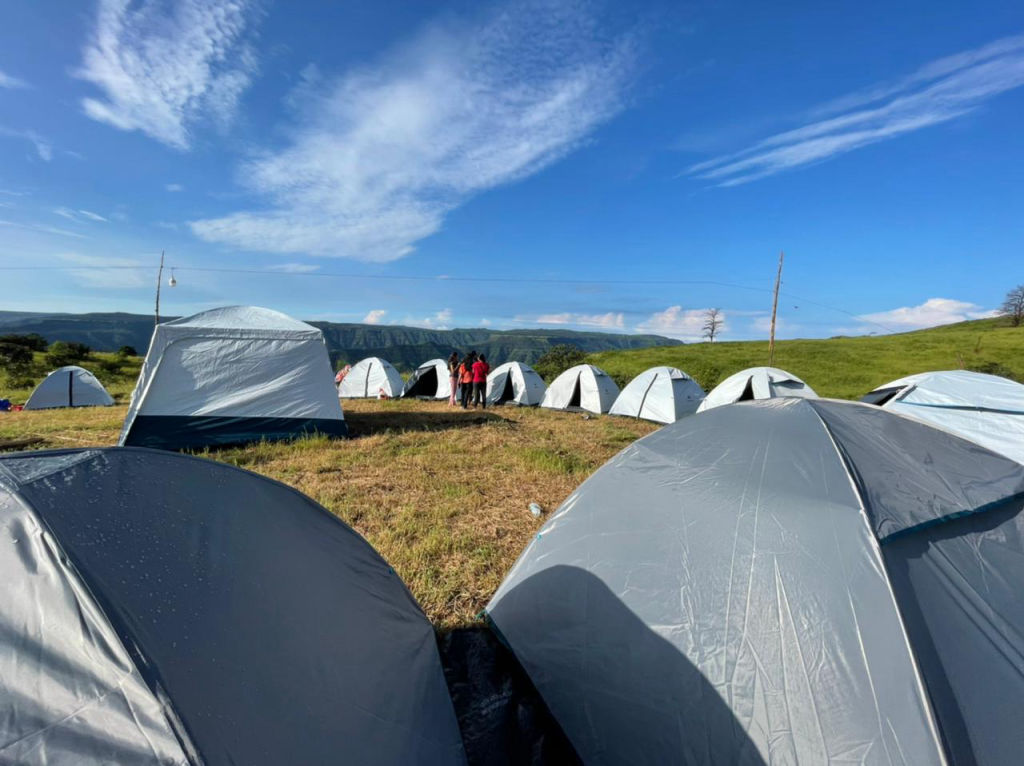
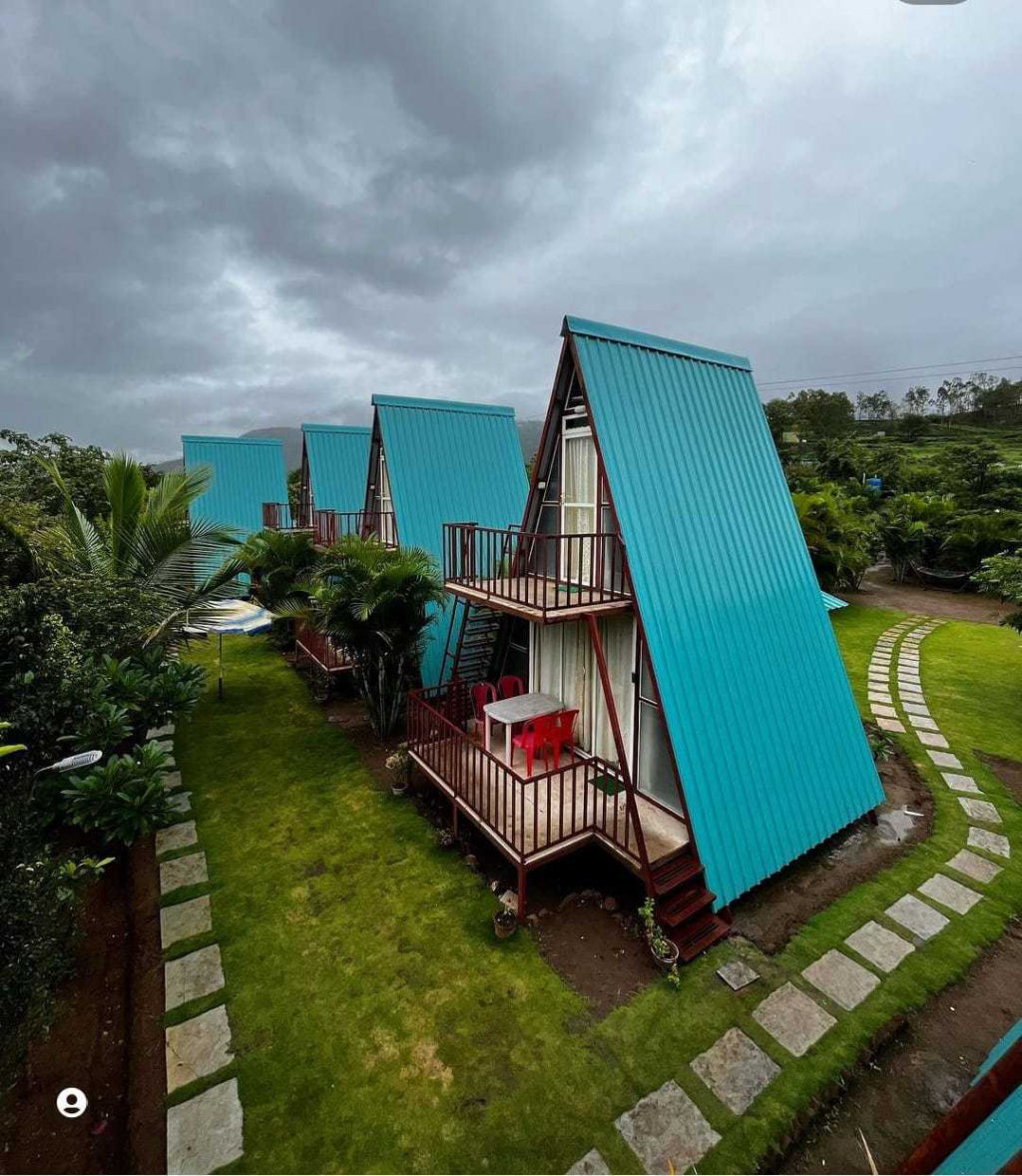
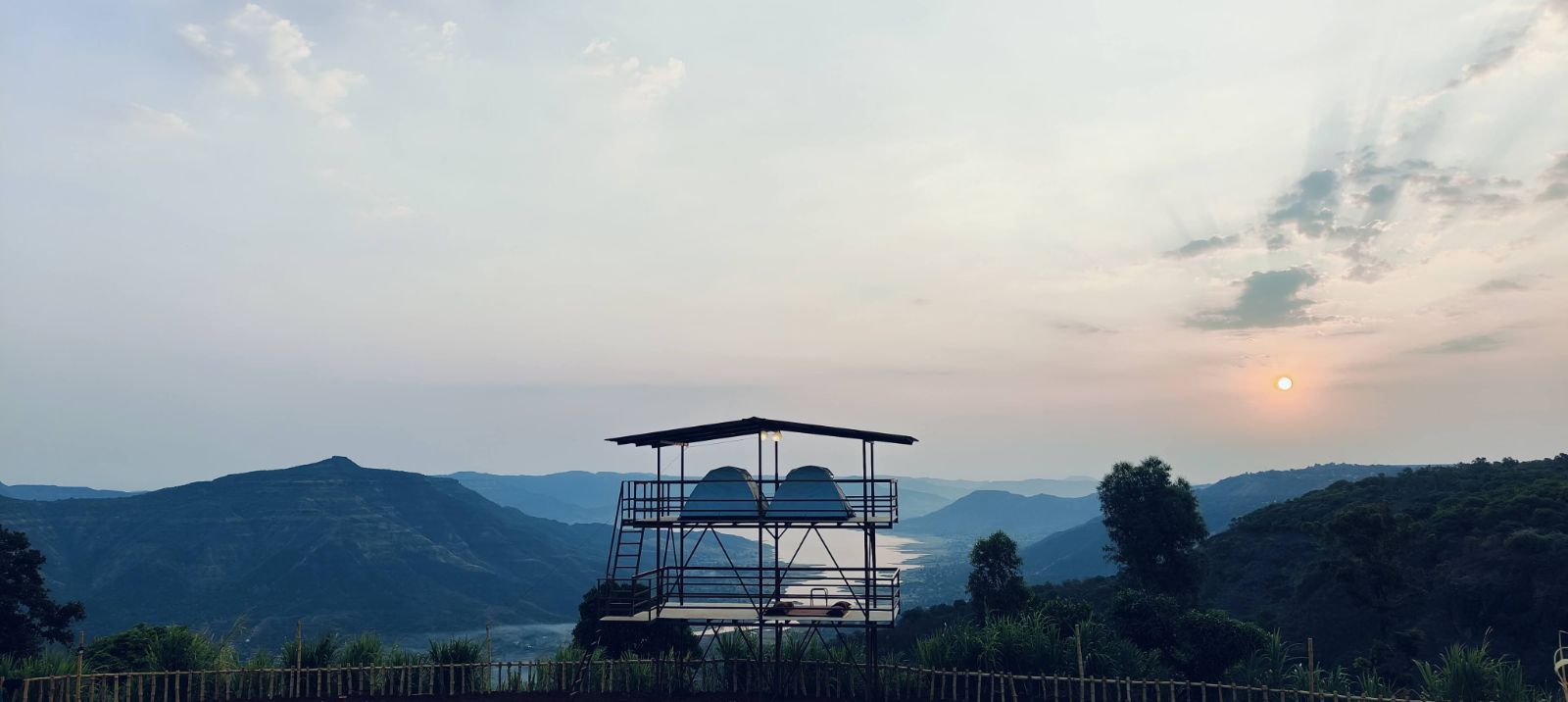
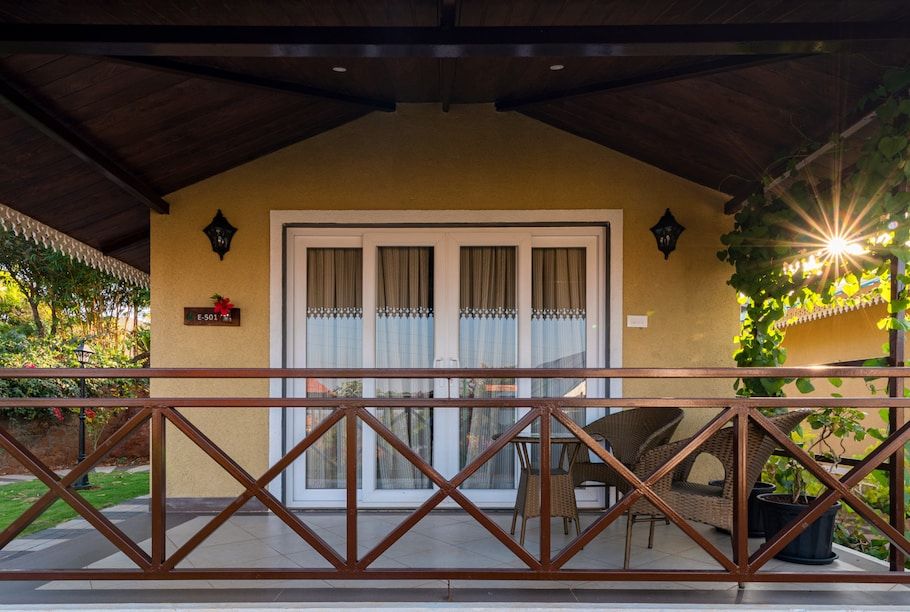
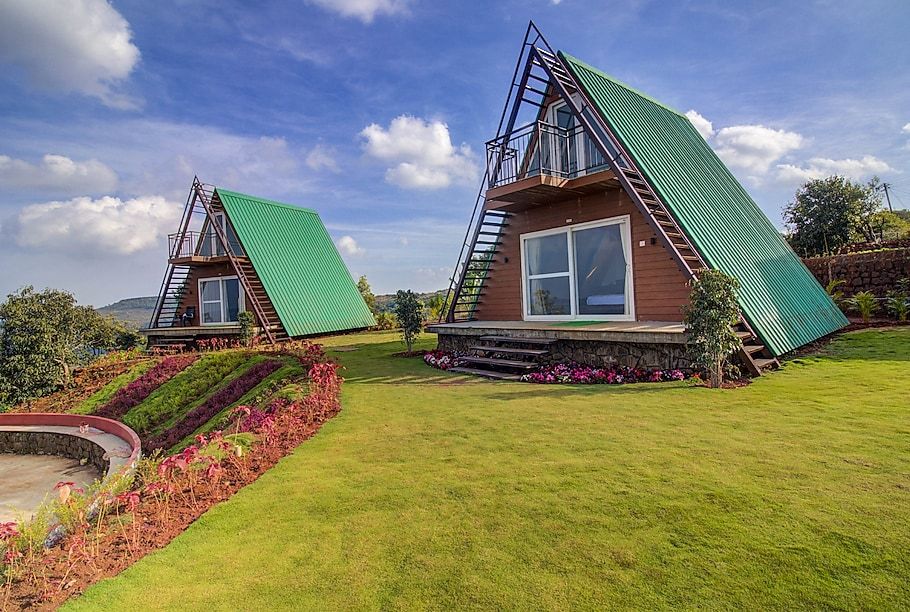
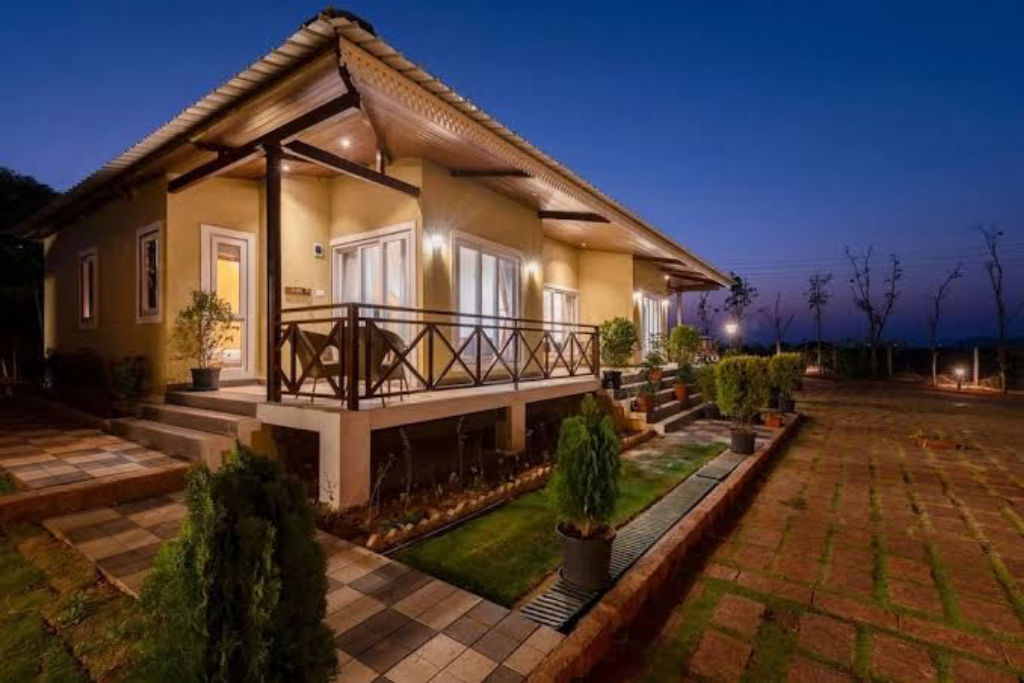
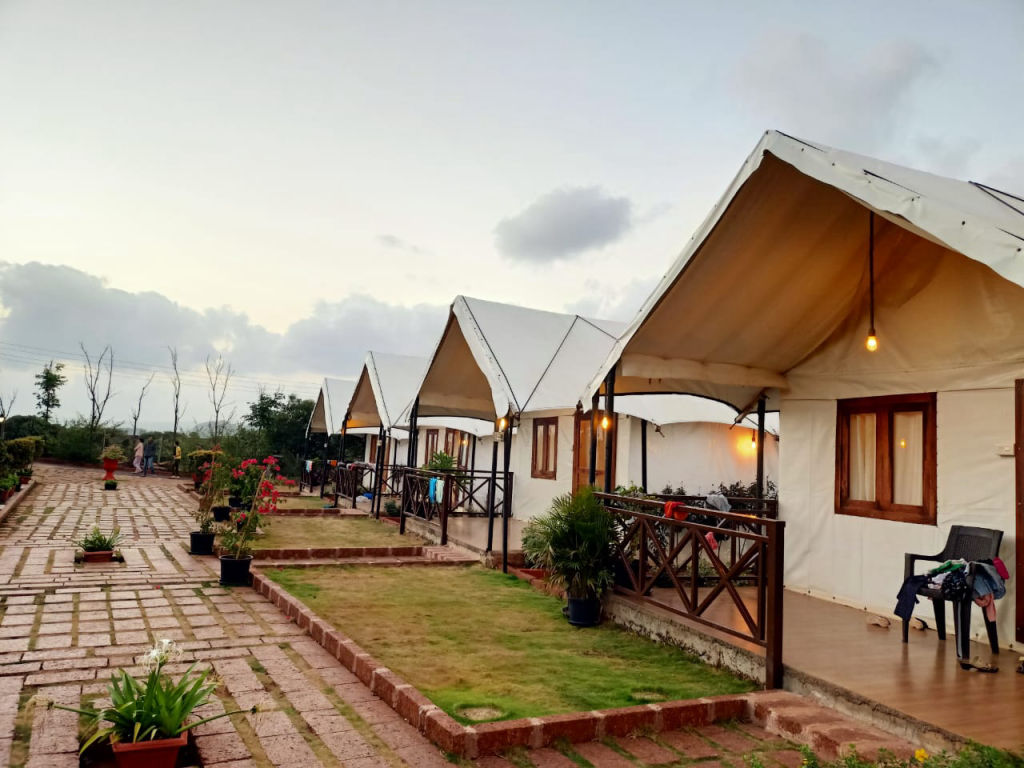
The region around Bhor, Wai, and the foothills of Raireshwar offers a tranquil rural escape away from highway congestion. Travelers looking to spend a night or weekend close to nature can discover scenic campsites, traditional rustic homestays, and boutique rural retreats listed on HireACamp. Staying nearby allows you to start your trek early in the morning and enjoy unhurried sunsets across the Sahyadri mountains.
Frequently asked questions
Where is Raireshwar Plateau located?
Raireshwar Plateau is situated in the Western Ghats near the town of Bhor, straddling the border area of Pune and Satara districts in Maharashtra.
Why is Raireshwar Plateau famous?
It is celebrated as the historic location where young Chhatrapati Shivaji Maharaj took the solemn oath of Swarajya in 1645 inside the Raireshwar temple.
How difficult is the trek to Raireshwar Plateau?
The trek is generally considered easy to moderate, starting from the base village of Korle and involving footpaths and installed metal ladders to ascend the rocky cliff rim.
What is the best season to explore Raireshwar?
The post-monsoon and winter months between October and February offer clear skies, cool breezes, and lush surroundings, while the monsoon season offers dramatic mist and waterfalls.
Can you visit both Raireshwar and Kenjalgad in one day?
Yes, Raireshwar and the neighboring fort of Kenjalgad are located close to each other and are frequently completed together as a classic twin-trek.
Where you'll be
Bhor, MH · 7 stays nearby shown with prices
Stays near Raireshwar Plateau
Book a place to stay close by
More places near Raireshwar Plateau
Within 20 km


Lists for this area
Ranked by how many creators recommend each place


Built from 0 Instagram posts by 0 creators. Every tip links back to the post it came from, and where creators disagree we show both sides.


