
Ribandar
Destination in Goa
Ribandar is a historic riverside town in North Goa, set along the calm waters of the Mandovi River between the state capital of Panaji and the monument-rich quarter of Old Goa. Travelers visit to wander along its centuries-old causeway, admire pastel-toned Indo-Portuguese architecture, and experience a relaxed riverside pace of Goan life away from the commercial beach strips.
Getting there
By road
- From Pune8 hr 55 min · 437 km
Typical drive times without traffic. Stations and airports from OLA Maps; distances and typical drive times from OpenStreetMap (© OpenStreetMap contributors); notes from creators' Reels.
About Ribandar
Written with AI from map data and general knowledge. Check prices and timings locally before you go.
About Ribandar
Ribandar lies poised along the southern bank of the Mandovi River, acting as an atmospheric link between the bustling avenues of Panaji and the ancient ecclesiastical towers of Old Goa. The name Ribandar stems historically from 'Raybunder', roughly translating to the royal dock or harbor, pointing to its maritime significance during pre-colonial and colonial regimes.
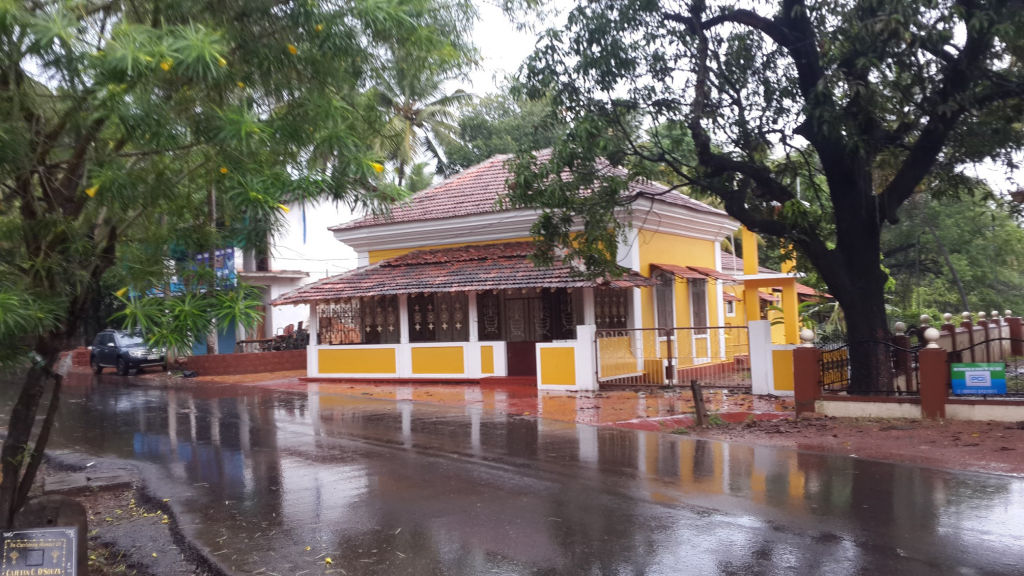
Unlike the modern resort towns spread across Goa's coastline, Ribandar retains the cadence of an authentic settlement. Its riverfront is lined with grand colonial houses featuring red-tiled roofs, arched balcões, and vibrant masonry that reflects in the estuary waters. Flanked by tidal salt pans on one side and the river on the other, the town offers a quiet, culturally rich base for exploring the heart of central Goa.
Things to do in Ribandar
One of the most rewarding ways to experience Ribandar is on foot or bicycle early in the day. The Ponte Conde de Linhares, a causeway completed in the 1630s, connects Ribandar to Panaji across marshland and salt pans. Walking along this expanse provides expansive views of the Mandovi estuary, mangroves, and wading birds foraging in the shallow mudflats.
Within the town itself, you can visit the Church of Our Lady of Ajuda, originally constructed in the sixteenth century. It sits quietly overlooking the river and has played an enduring role in local community life for generations. Wandering deeper into the village reveals tranquil lanes lined with heritage villas, traditional bakeries, and small community squares.
From the Ribandar ferry ramp, you can board a vehicle ferry crossing the river to the island of Chorao. The crossing takes only a few minutes and brings you directly to the entrance of the Dr. Salim Ali Bird Sanctuary, where wooden walkways snake through dense mangrove forests frequented by kingfishers, mudskippers, and migratory waterfowl.
Read more
Places to visit near Ribandar
Because of its central location, Ribandar serves as an ideal springboard for discovering Goan history and natural landscape. Just a short drive east brings you to Old Goa, the former capital of Portuguese India. Here you will find landmark architectural monuments, including the Basilica of Bom Jesus, the towering Se Cathedral, and the Church of St. Francis of Assisi.
Heading west across the causeway places you directly in Panaji. The capital city is renowned for the Latin Quarter of Fontainhas, characterized by narrow cobbled lanes, tiled overhangs, and vibrant ochre buildings. Panaji also offers riverfront promenades, local craft markets, and cultural centers celebrating Goan art and literature.
River crossings expand your itinerary to the river islands. Beyond Chorao, nearby ferries connect to Divar Island, a pastoral landscape of winding lanes, paddy fields, ancient church ruins, and sweeping vistas of the river delta. A day spent navigating these islands on a two-wheeler offers an intimate look at rural river life in Goa.
Best time to visit Ribandar
The most pleasant period to visit Ribandar is between November and February. During these winter months, temperatures are comfortable, humidity drops, and clear blue skies make walking along the causeway and exploring nearby monuments very pleasant. This period also coincides with the arrival of migratory birds in the adjoining wetlands and mangrove reserves.
Monsoon season, lasting from June through September, transforms the surrounding scenery into a lush expanse of green. Heavy tropical showers rejuvenate the waterways and marshes, creating a quiet, reflective atmosphere for those who appreciate moody river scenes and unhurried travel. Summer months from March to May bring higher heat and humidity, which makes midday outings demanding, though mornings and late afternoons by the water remain breezy.
How to reach Ribandar
Ribandar is well-connected due to its location on the primary route connecting Panaji and Old Goa. The town is located approximately thirty kilometers from Dabolim Airport, with driving times usually taking around forty-five minutes to an hour depending on traffic. If you arrive via Manohar International Airport at Mopa in North Goa, the drive southward takes roughly one hour across modern highway corridors.
For rail travelers, Karmali railway station is the nearest railhead, situated only about eight kilometers east of Ribandar. Taxis and auto-rickshaws are available at Karmali to make the short drive into town. Major long-distance trains also call at Madgaon Junction, which is roughly thirty-five kilometers to the south.
Frequent local buses run along the main causeway between Panaji's central Kadamba Bus Terminus and Old Goa, stopping directly along Ribandar's riverfront road. Two-wheelers and self-drive cars can be hired across central Goa, providing complete freedom to navigate the surrounding villages.
Where to stay around Ribandar
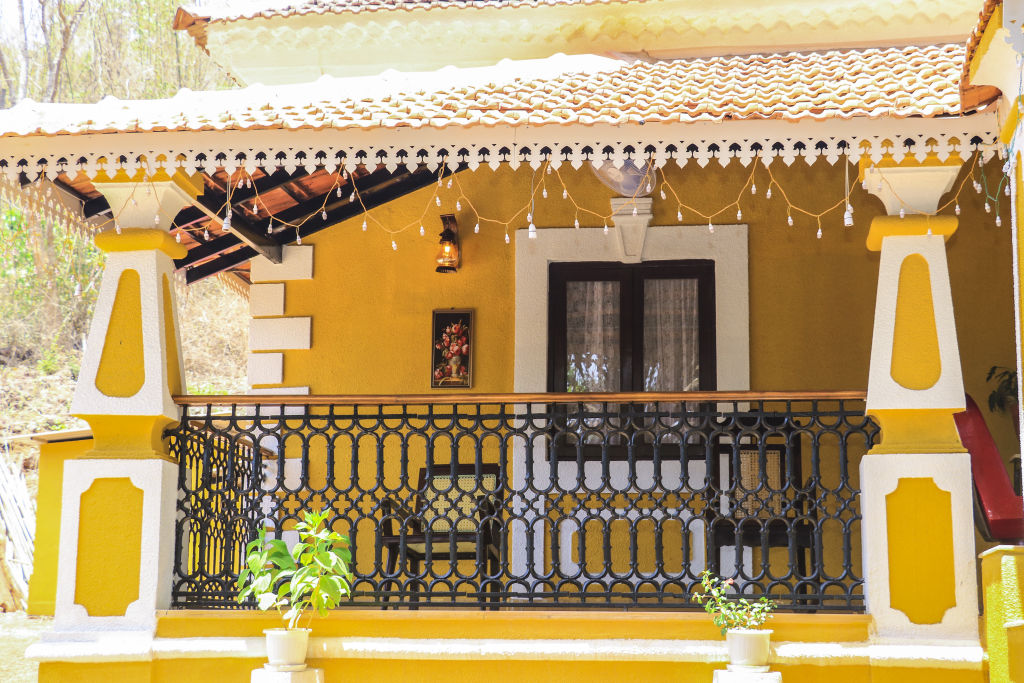
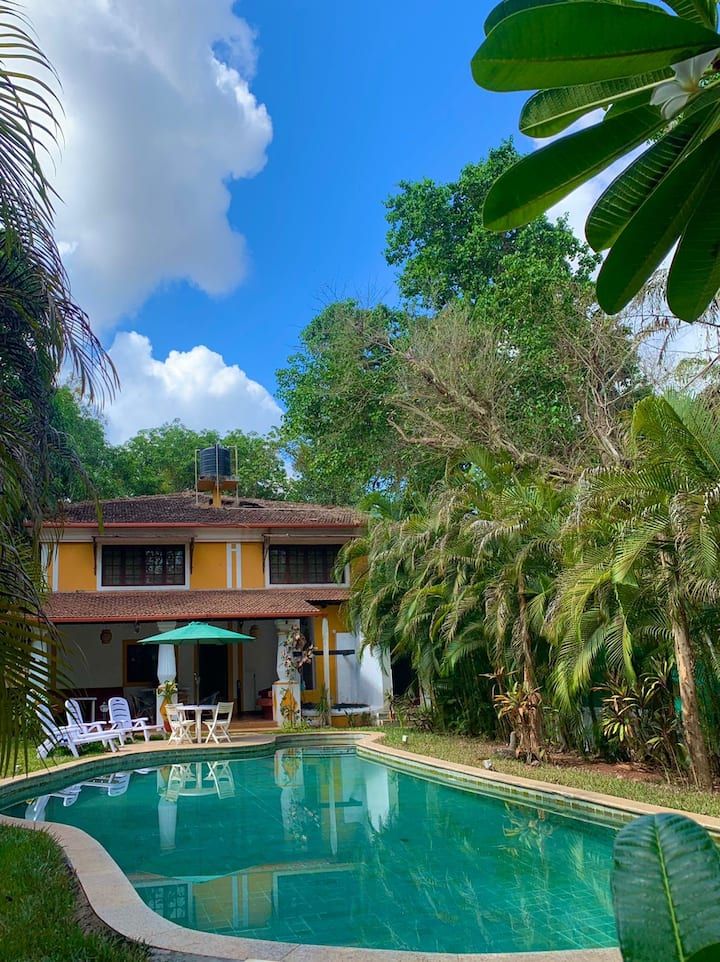
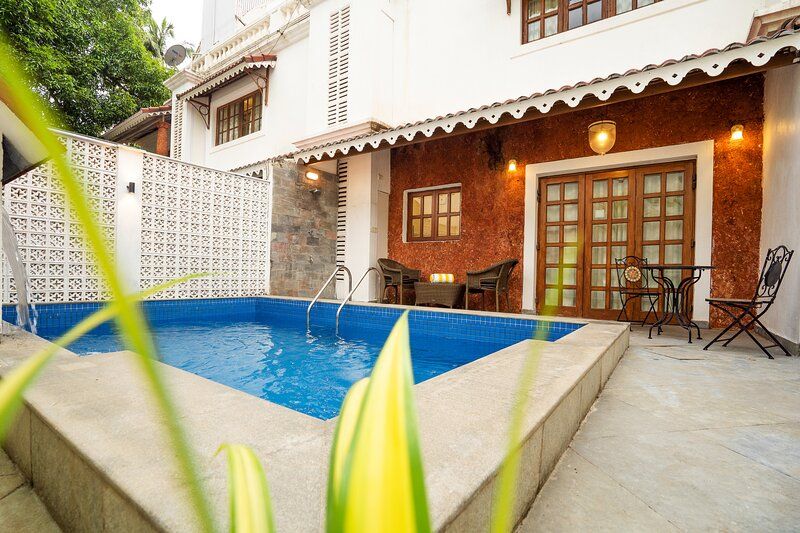
Staying near Ribandar provides an escape from coastal crowds while keeping major urban and cultural attractions within easy reach. The surrounding riverine area and inland villages are well-known for characterful heritage homestays, restored Portuguese-era estates, and quiet riverside retreats.
If you prefer nature-oriented travel, peaceful homestays, riverside hideaways, and rural campsites across Goa can be found on HireACamp. Booking a stay in this central river belt allows you to wake up to the sound of waterbirds and church bells, offering a genuine perspective on the state's storied past.
Tips for visiting Ribandar
Ribandar is primarily a quiet residential and heritage town, so travelers should practice mindful etiquette. Dress respectfully when entering historic churches and maintain peaceful conduct along the residential lanes.
If you plan to explore the bird sanctuary across the river on Chorao, try to time your visit with the morning low tide, when avian activity in the exposed mudflats peaks. Carry a good pair of binoculars, sun protection, and comfortable walking shoes. For photography along the Linhares Causeway, early mornings and sunset provide the softest light over the salt pans and river.
Frequently asked questions
What is Ribandar best known for?
Ribandar is famous for its historic Indo-Portuguese riverside homes, the seventeenth-century Ponte Conde de Linhares causeway across the salt flats, and its role as the ferry crossing point to Chorao Island.
How far is Ribandar from Panaji?
Ribandar is located directly adjacent to Panaji, just about five kilometers away across the causeway, making it reachable in roughly ten minutes by road.
Which railway station is closest to Ribandar?
Karmali railway station is the closest train station, situated approximately eight kilometers to the east of Ribandar.
Can I visit the Salim Ali Bird Sanctuary from Ribandar?
Yes, regular government vehicle and passenger ferries run directly from the Ribandar ferry ramp across the Mandovi River to Chorao Island, where the sanctuary entrance is located.
Is Ribandar suitable for families and slow travelers?
Yes, its quiet riverside setting, proximity to historic sites, and scenic walking routes make Ribandar an excellent choice for travelers seeking cultural depth rather than beach parties.
Where you'll be
12 stays nearby shown with prices
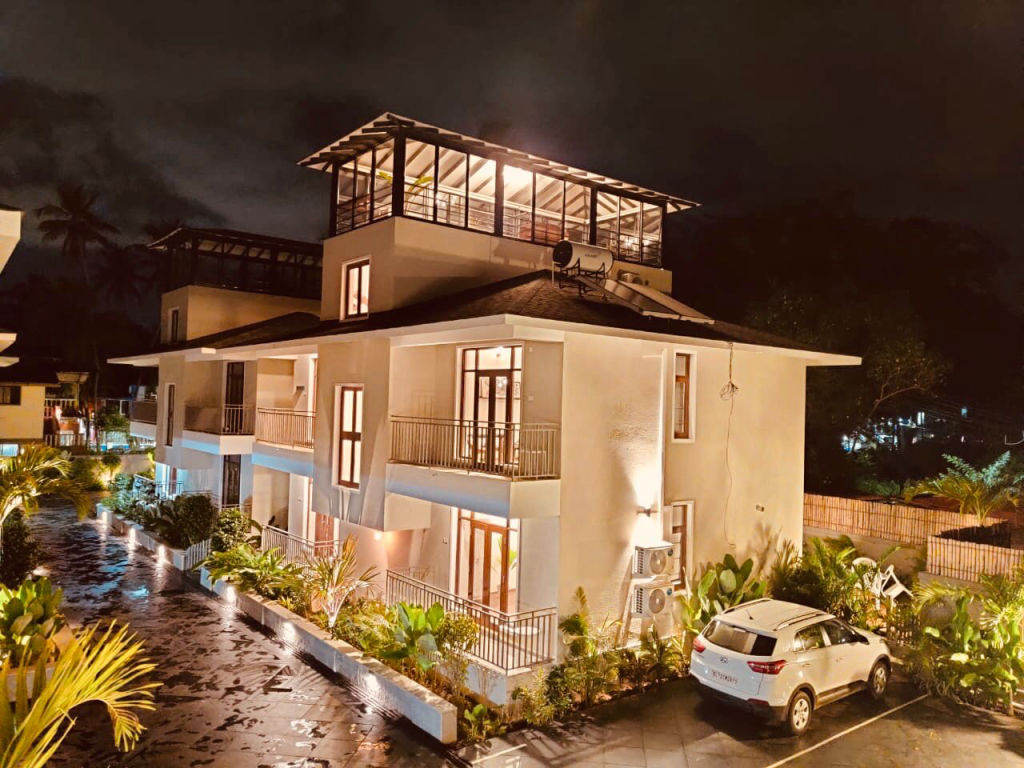
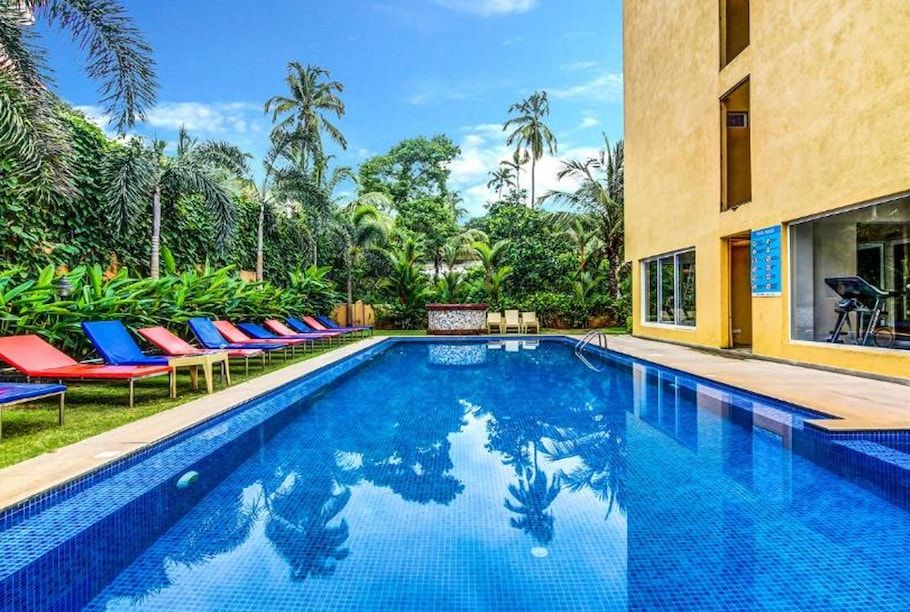
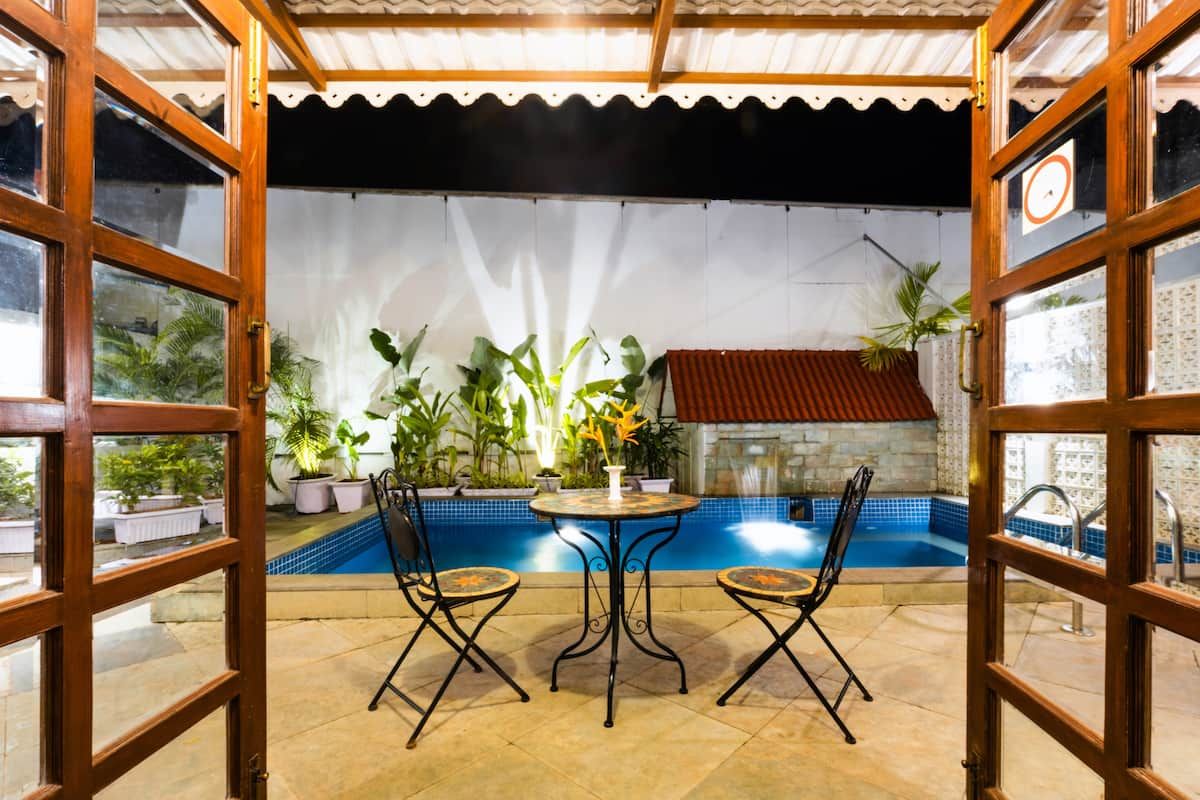
Stays near Ribandar
Book a place to stay close by



Things to do in Ribandar
47 places creators recommend within 30 km
Built from 0 Instagram posts by 0 creators. Every tip links back to the post it came from, and where creators disagree we show both sides.






