
Viva Panjim
Restaurant near Panjim, Goa
500 m from Panjim
The nearest town, for stays, food and fuel.
Viva Panjim is a traditional Goan-Portuguese restaurant set inside an old residential family home in the historic Latin Quarter of Panaji, Goa. Situated along Rua 31 de Janeiro near the St. Sebastian Chapel, it draws visitors looking to sample classic home-style coastal curries and Portuguese-influenced dishes. Its nostalgic domestic setting provides a direct window into the neighbourhood's enduring heritage and culinary customs.
Getting there
By road
- From PanjimNearest town2 min · 800 m
- From Pune8 hr 55 min · 433 km
Typical drive times without traffic. Stations and airports from OLA Maps; distances and typical drive times from OpenStreetMap (© OpenStreetMap contributors); notes from creators' Reels.
About Viva Panjim
Written with AI from map data and general knowledge. Check prices and timings locally before you go.
The heritage setting of Viva Panjim
Viva Panjim occupies the ground floor of an old Portuguese-era residential house along Rua 31 de Janeiro, a narrow street in the heart of Fontainhas. Rather than resembling a modern commercial diner, the venue retains the quiet, lived-in character of a Goan family home. Guests walk through an archway into small rooms lined with vintage furniture, classic family photographs, patterned floor tiles, and antique decorative pieces. Outdoor tables are often placed along the compact veranda and alleyway, letting diners sit right against the historic streetscape.
The environment is deliberately understated and intimate. Because it is housed inside an original heritage structure, the dining rooms are compact, which creates a communal and bustling atmosphere during peak hours. Travellers often arrive here after strolling the vibrant lanes of Fontainhas, drawn by the prospect of a quiet meal that feels more like an invitation into a private home than a conventional restaurant outing.
Goan-Portuguese culinary traditions
The menu at Viva Panjim focuses on traditional Goan Catholic cooking along with classic coastal Hindu preparations, reflecting the dual cultural influences that shape the region's food culture. Goan cuisine is renowned for its thoughtful balance of sour, spicy, and fragrant elements. Vinegar, toddy, kokum, tamarind, and freshly ground red chillies form the backbone of many curries, while grated coconut and coconut milk provide body and richness to seafood preparations.
Diners typically seek out staple Goan dishes such as prawn or fish curry served alongside steamed rice, xacuti prepared with roasted spices and grated coconut, and fiery vindaloo with its distinct vinegar tang. Green cafreal dishes, seasoned heavily with coriander, ginger, garlic, and whole spices, showcase the Portuguese maritime trade legacy. For those with a sweet tooth, multi-layered bebinca and classic caramel custards serve as traditional conclusions to a coastal feast. Ingredients depend closely on fresh local catches and regional spices sourced from local Goan markets.
Read more
Exploring the Latin Quarter around Rua 31 de Janeiro
A visit to Viva Panjim naturally pairs with a walking tour of Fontainhas. Rua 31 de Janeiro, named after Portugal's independence day of 1640, is one of the most picturesque lanes in Panaji. The street is lined with single- and double-storey villas painted in traditional shades of ochre, indigo, terracotta red, and pastel green. Under municipal guidelines from the colonial period, homeowners were required to repaint their facades every year after the monsoon, a tradition that helps preserve the quarter's vivid appearance.
Just a short walk from the dining entrance stands the Chapel of St. Sebastian, constructed in the late nineteenth century. It is known for its striking crucifix, which shows Christ with open eyes, unlike conventional depictions. As you wander along the cobbled footpaths and narrow lanes, look for wrought-iron balconies, ornate oyster-shell window panes, and carved wooden brackets supporting tiled eaves. Exploring this neighbourhood on foot before or after your meal allows you to appreciate the architectural context that makes Viva Panjim feel so rooted in its locality.
Best time to visit
Viva Panjim welcomes visitors throughout the year, but the overall experience is shaped by Goa's seasonal shifts. The winter months between November and February offer the most pleasant weather for walking through Panaji. Clear skies and mild afternoon temperatures make it comfortable to explore the heritage quarter on foot before stopping in for lunch or dinner.
The monsoon season, spanning from June to September, brings intense downpours that transform the Latin Quarter. While rain can limit prolonged outdoor strolls, the neighbourhood becomes quiet and atmospheric, with rain drumming on old clay roof tiles and moisture deepening the colours of the plastered walls. The summer months from March to May are humid and warm, making early evenings the most comfortable time for a visit. Whatever the season, dining spaces can fill quickly during standard lunch and dinner intervals, so visiting slightly outside peak meal windows helps avoid long waits.
How to reach Viva Panjim
Viva Panjim is situated in central Panaji, making it easily accessible from different parts of North and South Goa. Panaji is connected by highway to Dabolim Airport to the south and Manohar International Airport at Mopa to the north. State-run buses and private coaches regularly terminate at the Kadamba Bus Terminus in Panaji, which lies less than two kilometres from the restaurant.
Because Rua 31 de Janeiro is a historic, narrow lane, vehicular movement and parking can be challenging. It is advisable to take an auto-rickshaw or taxi to the edge of Fontainhas, or park four-wheelers along the wider avenues near the Mandovi riverfront or Church Square, and proceed to Viva Panjim on foot. Walking through the neighbourhood is not only the most practical way to reach the address, but it also allows you to absorb the peaceful residential rhythm of Fontainhas.
Heritage and sights nearby
Several of Panaji's most significant cultural and historic sights lie within easy walking distance of Viva Panjim. A brief stroll leads to the Church of Our Lady of the Immaculate Conception, famous for its grand, symmetrical zigzag staircases and bright white baroque facade rising above the municipal gardens. The nearby Sunaparanta Goa Centre for the Arts provides a tranquil courtyard setting where visitors can view contemporary art exhibitions and creative installations.
Along the Mandovi River, a short distance away, visitors can stroll along the waterside promenade or embark on river cruises. Across the river mouth stands the historic Reis Magos Fort, carefully restored to show its seventeenth-century bastions and cannons overlooking the estuary. Further down the coast towards the Arabian Sea, Aguada Fort offers expansive ocean panoramas and historic fortifications that defended the river mouth. Combining a meal at Viva Panjim with these neighbouring attractions offers a comprehensive sense of Goan history and urban life.
Where to stay
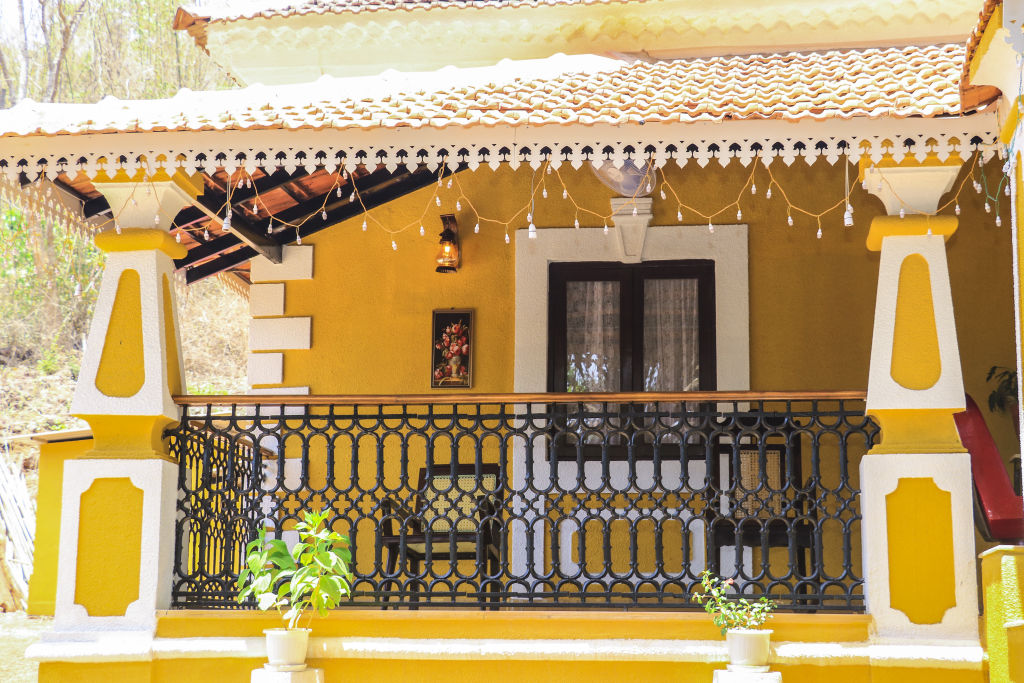
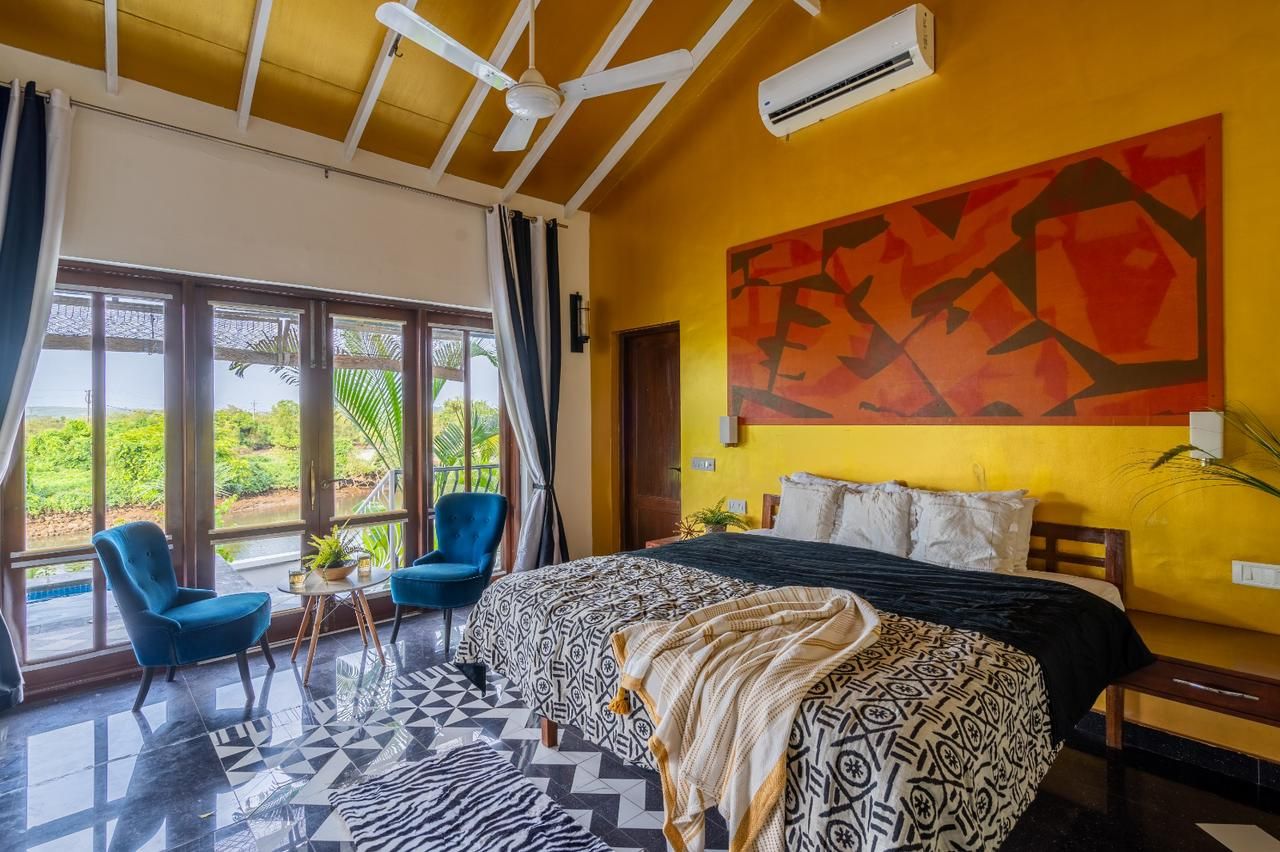
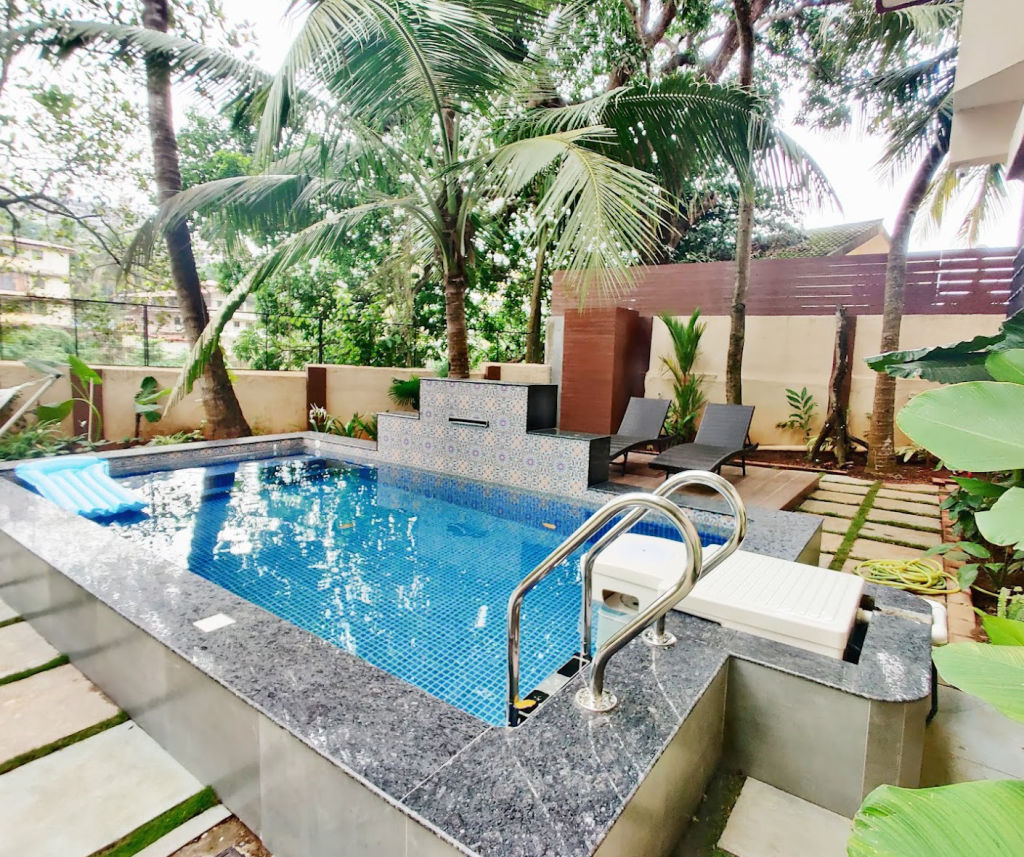
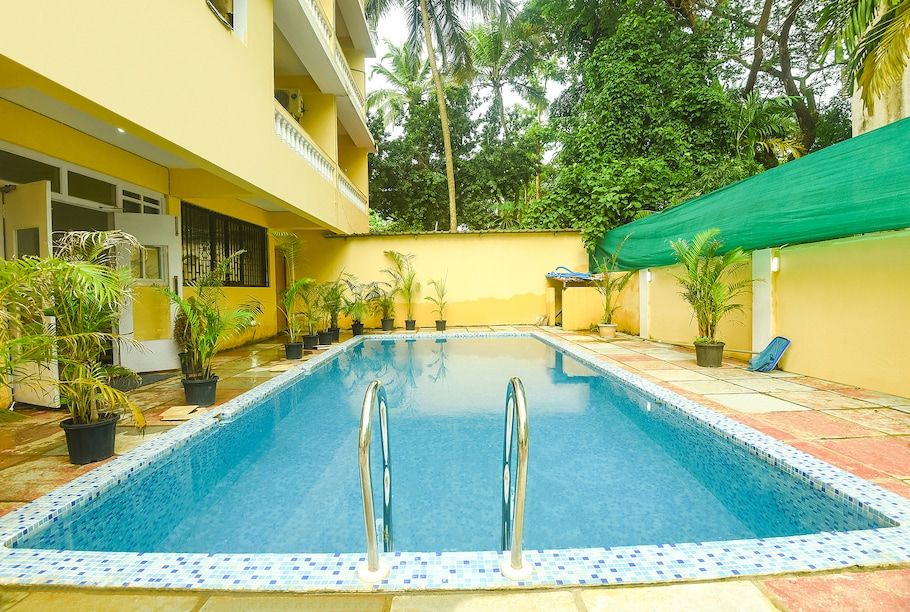
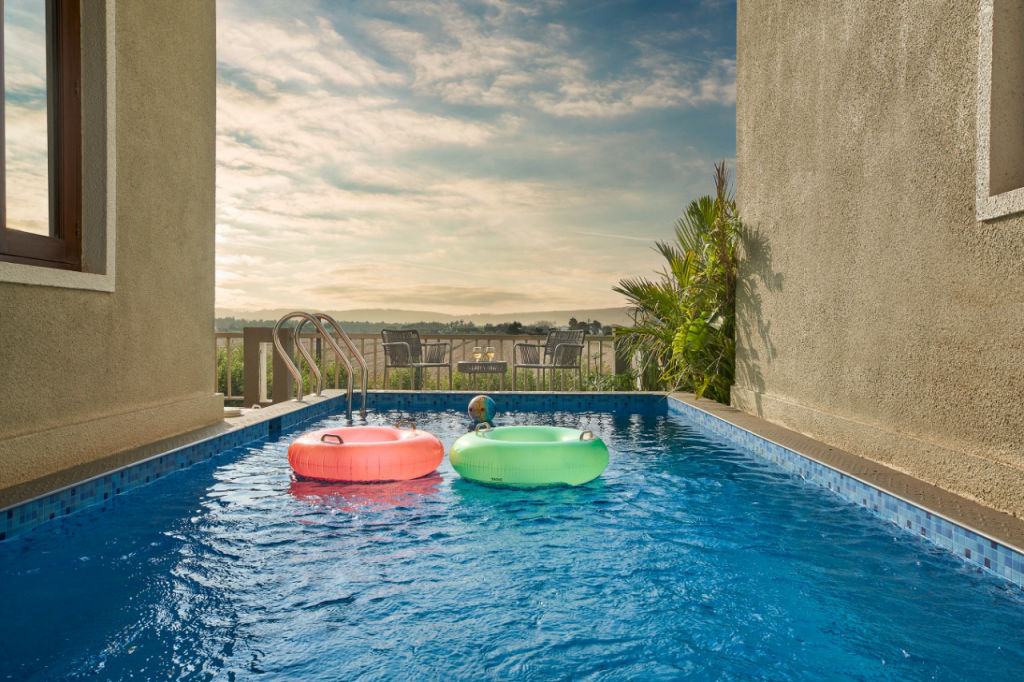
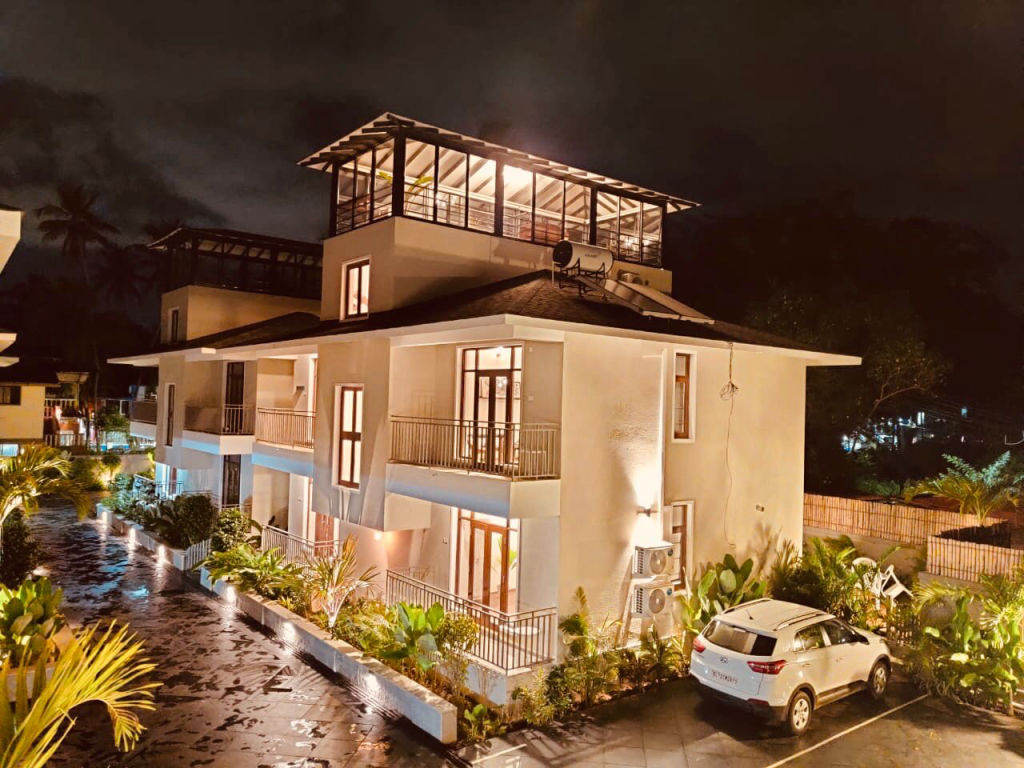
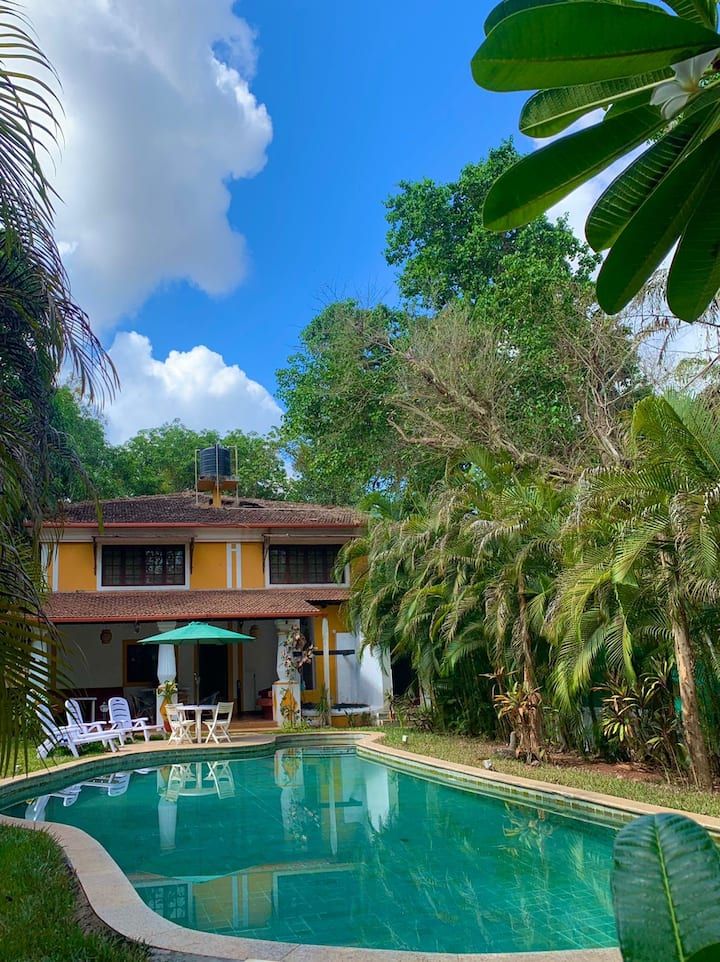
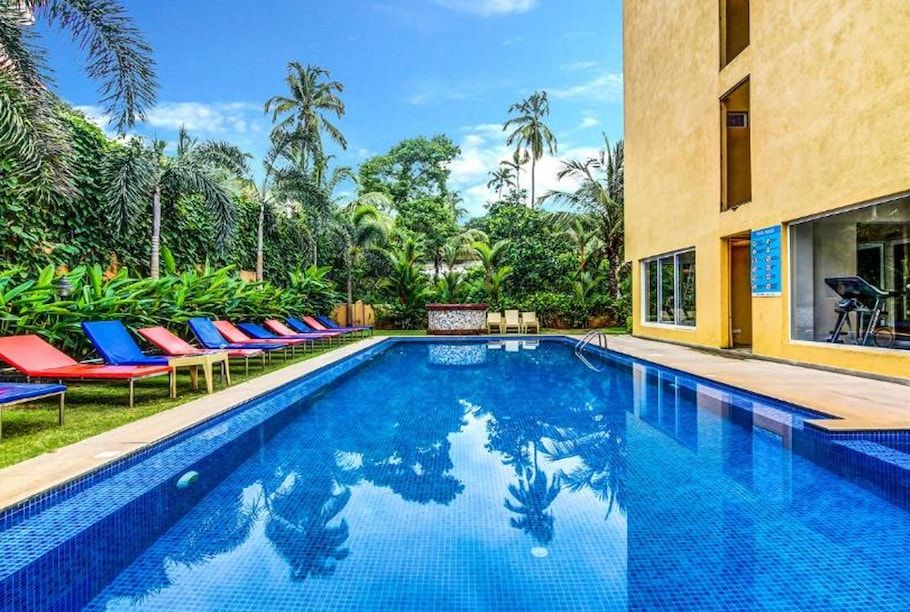
Travelers looking to stay near Viva Panjim have a wide variety of choices, ranging from restored heritage mansions in the Latin Quarter to riverside apartments and village homestays. Basing yourself in or around Panaji provides easy access to museums, heritage walking routes, and the city's lively food scene, while keeping North Goa's beaches within a manageable drive.
For a slower and more nature-focused getaway, you can look beyond the city centre towards the quieter hinterlands, estuarine islands, and coastal villages of Goa. Unique homestays, riverside cottages, and peaceful outdoor camps can be discovered on HireACamp. Booking a stay through the platform allows you to balance city cultural explorations with peaceful retreats surrounded by Goa's lush coconut groves and waterways.
Frequently asked questions
What type of food is served at Viva Panjim?
Viva Panjim specializes in authentic Goan Catholic and Goan Hindu cooking. Popular offerings include fish curry rice, prawn balchão, pork vindaloo, chicken cafreal, xacuti, and traditional desserts like bebinca.
Where is Viva Panjim located within Panaji?
The restaurant is located in Fontainhas, the Latin Quarter of Panaji, on Rua 31 de Janeiro behind Mary Immaculate High School and close to the St. Sebastian Chapel.
Is car parking available right outside Viva Panjim?
No, Rua 31 de Janeiro is a very narrow residential heritage street with no dedicated parking for cars. Visitors driving four-wheelers should park on the broader main roads nearby and walk into the lane.
Can I explore Fontainhas on foot when visiting?
Yes, Fontainhas is best explored on foot. A walking tour around Rua 31 de Janeiro allows you to see brightly painted colonial homes, historic wooden balconies, and the nearby Chapel of St. Sebastian.
Do I need to wait for a table during peak hours?
Because the dining rooms inside the heritage house are compact, seating is limited and tables tend to fill up fast during lunch and dinner. Arriving early or outside peak meal hours is recommended to avoid waiting.
Where you'll be
H, 178, Rua 31 de Janeiro, behind Mary Immaculate High School, near St Sebastian chapel, Panaji · 12 stays nearby shown with prices
Stays near Viva Panjim
Book a place to stay close by
More places near Viva Panjim
Within 20 km
Built from 0 Instagram posts by 0 creators. Every tip links back to the post it came from, and where creators disagree we show both sides.






