
Ribdi
Destination in Sikkim
Ribdi is a quiet mountain settlement set amidst the forested foothills of West Sikkim, close to the border of the Singalila ridge. Surrounded by terraced fields, cardamom plantations, and pine woodlands, it offers a grounded look at eastern Himalayan village life. Travellers head here to explore tranquil walking trails, experience local rural culture, and use the area as a stepping stone into the higher reaches of the region.
Getting there
About Ribdi
Written with AI from map data and general knowledge. Check prices and timings locally before you go.
About Ribdi
Ribdi rests at a comfortable altitude in the southwestern corner of Sikkim, sheltered by ridge lines that define the boundary between Sikkim and northern West Bengal. The village is characterised by wooden and stone houses scattered across green slopes, where everyday life revolves around farming, animal husbandry, and local crafts. With fewer commercial developments than the prominent resort towns nearby, the rhythm here remains steady and slow.
The natural setting is dominated by temperate flora, including thick stands of oak, bamboo groves, and patches of rhododendron at slightly higher elevations. The village looks out over layered mountain valleys that catch shifting mist in the mornings and clear mountain light by afternoon. For travellers who appreciate quiet walks, clean air, and an authentic Himalayan village environment, Ribdi provides an ideal retreat.
Things to do in Ribdi
The best way to experience Ribdi is on foot. Winding paths connect the village neighbourhoods, taking you past terraced vegetable patches, small family-run dairy plots, and vibrant domestic gardens. Taking an unhurried morning walk through these paths introduces you to the warm community spirit of the village, where residents are generally welcoming to curious visitors.
Birdwatching is particularly rewarding around the outskirts of the settlement. The dense boundary forests support varied Himalayan birdlife, including laughingthrushes, flycatchers, sunbirds, and warblers. Carrying a pair of binoculars and walking along the forested fringes at dawn gives you ample chances to spot local and migratory species in their natural habitat.
You can also spend time learning about the region's agricultural heritage. Ribdi and its neighbouring hamlets are well known for cultivating large cardamom, maize, and potatoes. Visiting the small fields and observing traditional harvesting or drying methods provides a clear window into how mountain communities sustainably utilise their land.
Read more
Nature and trails around Ribdi
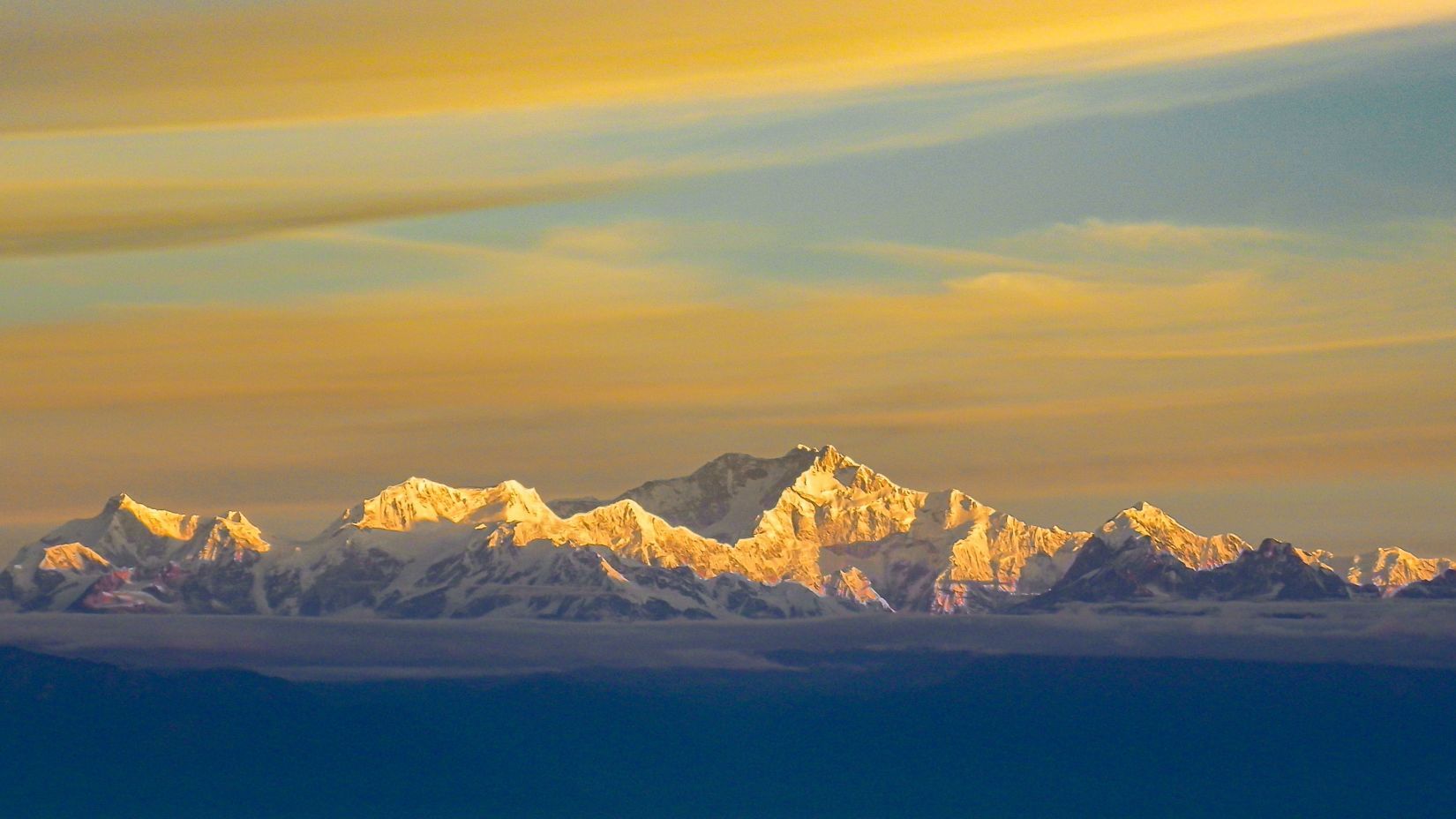
The geography surrounding Ribdi serves as a natural gateway toward the Singalila range and the Barsey Rhododendron Sanctuary corridor. Uphill trails lead out of the village into deeper forest tracts, where moss hangs thick from ancient trees and ground orchids bloom in season. Hiking up to nearby ridgelines rewards walkers with broad views of snow-dusted Himalayan peaks on clear days.
For day hikers, gentle routes wind through mixed coniferous and broadleaf forests toward neighbouring settlements like Bhareng. These walks cross minor mountain streams and secluded clearings that make scenic spots for a quiet packed lunch. Because trail conditions can vary depending on recent weather, asking local residents for advice on trail safety and route selection is always recommended before setting out.
Getaways and places to explore nearby
Across the regional valley and along connected mountain roads lie several popular hill destinations. The heritage hill station of Darjeeling sits across the geographical divide, approximately twenty to thirty kilometres away as the crow flies, though road journeys navigate the contours of the mountains. Points of interest in that wider belt include the historic Darjeeling Himalayan Railway corridor, Batasia Loop, and vantage points like Tiger Hill.
Closer within Sikkim's borders, you can organise day excursions toward the rhododendron sanctuaries of the west or visit lower riverside spots along the mountain valleys. Whether you are interested in monastery culture, sprawling tea gardens on neighbouring ridges, or forest reserves, Ribdi serves as a quiet base from which to venture outward into the diverse terrain of the eastern Himalayas.
Best time to visit Ribdi
Ribdi has distinct seasonal changes, and the experience varies depending on when you travel. Spring, which spans from March to May, brings pleasant daytime temperatures and the flowering season. Wildflowers, magnolias, and rhododendrons bloom along the upper slopes, making it the most colourful time of year for forest walks and outdoor photography.
Autumn, from October to late November, is the preferred season for sweeping mountain views. Following the monsoon rains, the atmosphere clears significantly, providing crisp blue skies and sharp visibility of the surrounding summits. Days are comfortable, while evenings turn distinctly cool, requiring warm layers.
Monsoon season, between June and September, brings heavy rainfall, frequent mist, and lush greenery, but it also carries risks of roadblocks and slippery footpaths. Winter runs from December through February, bringing cold temperatures and occasional frost in the early mornings. Winter days are typically bright and quiet, suitable for those who enjoy bundle-up cold weather and uncrowded trails.
How to reach Ribdi
Reaching Ribdi involves travelling by road into the hills of West Sikkim. The nearest major railway hub is New Jalpaiguri, and the closest domestic airport is Bagdogra, both located in the plains of West Bengal. From the plains, shared jeeps and private taxis operate up into Sikkim through transit towns such as Jorethang or Soreng.
From Jorethang, mountain roads climb steadily through terraced valleys and forests up to Ribdi. While the direct aerial distance to towns like Darjeeling is modest, road transit follows winding hill tracks that require careful driving. Road conditions can change seasonally, particularly during the wet summer months, so it is best to check locally on current route accessibility and start road journeys early in the day.
Where to stay in Ribdi
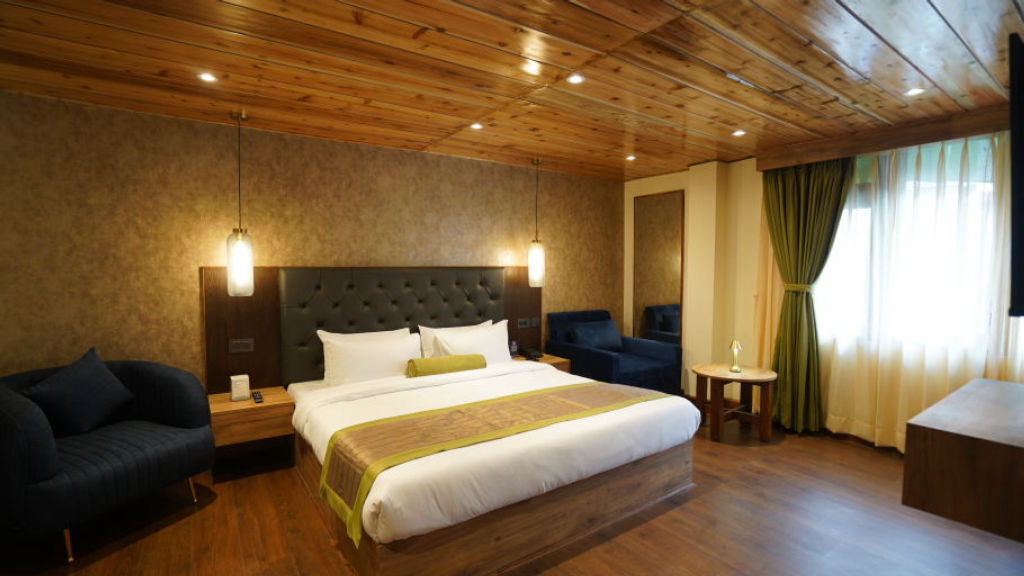
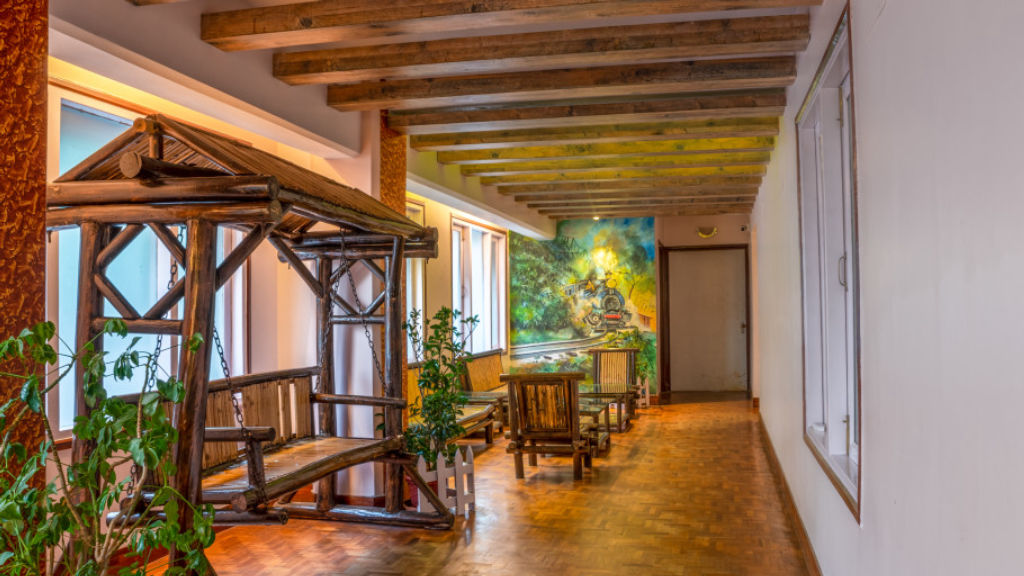
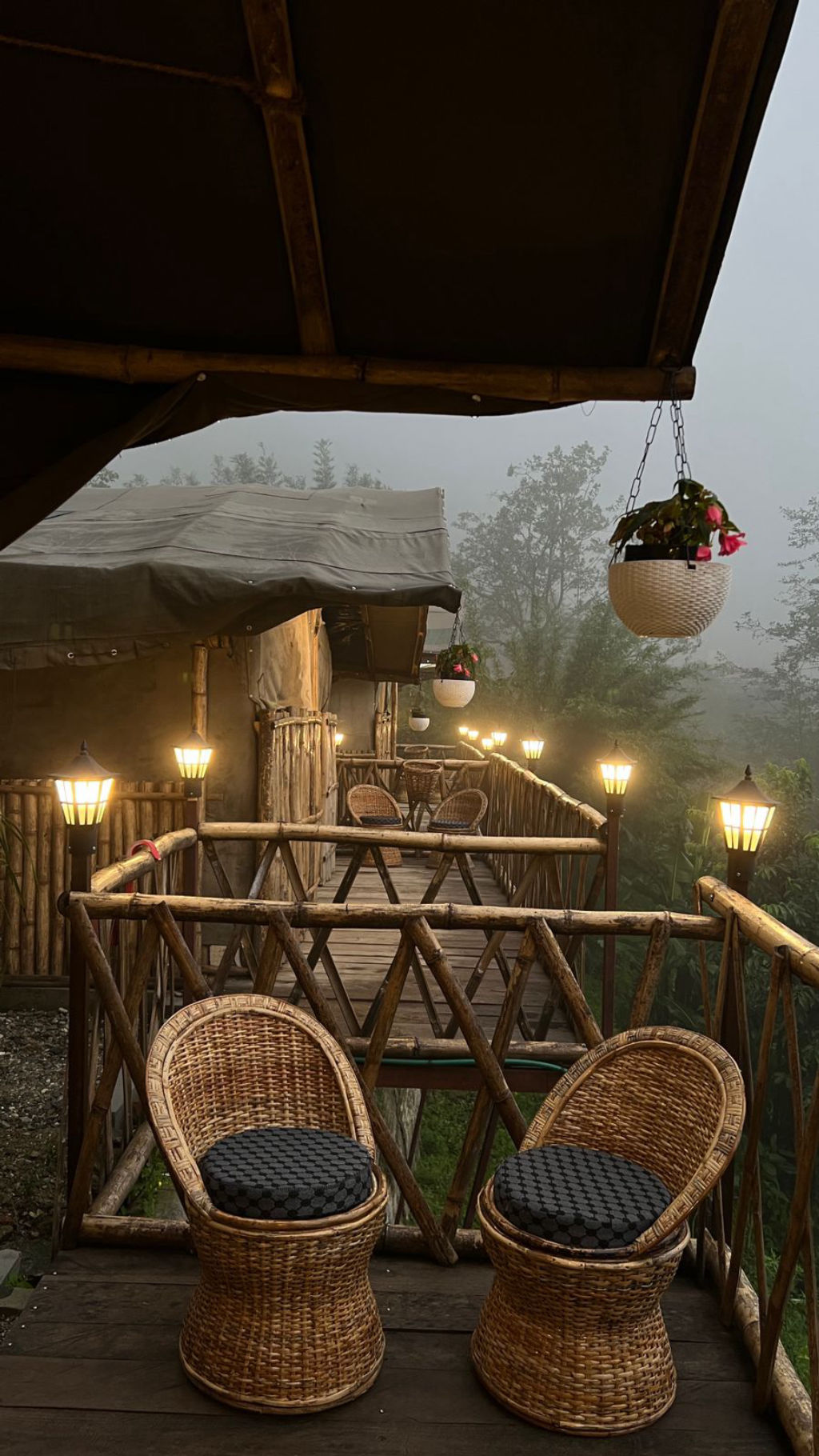
Accommodation in Ribdi consists primarily of community-run homestays and regional guesthouses. Staying with a local family allows you to experience traditional Sikkimese hospitality, sample home-cooked meals prepared with locally grown ingredients, and enjoy comfortable, unpretentious living spaces. For travellers seeking camps, homestays, and outdoor-oriented accommodations around Ribdi and the West Sikkim region, updated listings and booking options can be found on HireACamp.
Frequently asked questions
Where is Ribdi located?
Ribdi is situated in West Sikkim, India, near the border areas of the Singalila ridge and within reach of the regional hubs of Soreng and Jorethang.
What is Ribdi known for?
Ribdi is known for its peaceful rural setting, traditional farming landscapes, forested walking trails, and its position along paths heading toward the Singalila wilderness.
Do I need special permits to visit Ribdi?
Indian nationals do not generally require special inner line permits to visit the village of Ribdi, though valid government identification is recommended. International travellers should check current Sikkim entry permit regulations prior to travel.
What should I pack for a trip to Ribdi?
Pack sturdy walking shoes for uneven trails, layers of warm clothing including fleece and thermal wear, personal medications, and rain protection if visiting between spring and autumn.
How do I find accommodation in Ribdi?
You can find local homestays, outdoor camps, and nature retreats in and around Ribdi by browsing available stays on HireACamp.
Where you'll be
4 stays nearby shown with prices
Stays near Ribdi
Book a place to stay close by
Things to do in Ribdi
43 places creators recommend within 30 km


Lists for this area
Ranked by how many creators recommend each place


Built from 0 Instagram posts by 0 creators. Every tip links back to the post it came from, and where creators disagree we show both sides.






