
Rimbik
Destination in West Bengal
Rimbik is a quiet hill town nestled in the Singalila region of Darjeeling district in West Bengal. Perched above the Rammam River valley near the border with Nepal, it is celebrated as the traditional end point for the classic Sandakphu and Phalut trek. Travellers visit Rimbik to escape crowded tourist hubs, explore sub-Himalayan forest trails, and experience life in an authentic mountain settlement.
Getting there
About Rimbik
Written with AI from map data and general knowledge. Check prices and timings locally before you go.
Discovering Rimbik and Its Setting
Rimbik sits on a steep hill slope in the western part of Darjeeling district, overlooking the rolling valleys of the Eastern Himalayas. Surrounded by dense canopies of oak, pine, and rhododendron, the small town retains the unhurried atmosphere of an authentic mountain outpost. Unlike the bustling resort towns of the region, life in Rimbik moves at a gentle pace governed by the sunrise, farm work, and the arrival of passing trekkers.
Historically, the settlement grew as a hub for local agricultural communities and timber trades. Over decades, it gained global recognition among hiking enthusiasts as the culminating halt for expeditions crossing the Singalila National Park. Despite its renown among trekkers, Rimbik has carefully maintained its rustic character. Colourful wooden houses cling to the hillside, prayer flags flutter from garden fences, and terraced farmlands taper down into deep river valleys.
Things to Do in and Around Rimbik
Walking is the best way to experience Rimbik. The town offers quiet village paths that wind past cardamom plantations, kitchen gardens, and clusters of local homes where residents grow seasonal produce and flowers. Spending an afternoon strolling along the lower trails allows visitors to observe rural Himalayan life up close without the pressure of a fixed itinerary.
Birdwatching is exceptionally rewarding here due to the proximity of the Singalila forest belt. Early mornings around the fringes of Rimbik bring sightings of colourful mountain birds, including laughingthrushes, flycatchers, sunbirds, and minivets. For those who enjoy active days, day hikes down toward the Rammam River basin offer steep descents through shady pine woods followed by the rush of clear mountain water.
Visiting the local monastery and sacred spots within the village introduces travellers to the rich Buddhist and Nepali heritage of the region. The prayer wheels and peaceful courtyards provide contemplative spaces with panoramic views of the forested ridges that define this pocket of north Bengal.
Read more
Trekking and Mountain Getaways Nearby
Rimbik is primarily famous as the gateway to the Singalila Ridge. Trekkers coming down from Sandakphu, Phalut, Srikhola, and Gorkhey typically finish their journey here before taking shared road transport back toward Darjeeling or the plains. The route from Srikhola to Rimbik is one of the most delightful low-altitude trail walks in the area, leading through suspension bridges, bamboo groves, and small settlements.
For travellers basing themselves in Rimbik for multiple days, nearby destinations provide rewarding excursions. The higher ridge of Manebhanjan serves as the primary starting point for overland jeep safaris and trekking routes along the Singalila National Park. Further east, the wider Darjeeling ridge presents landmark attractions such as the Peace Pagoda, the historic Batasia Loop along the Darjeeling Himalayan Railway, and high lookout points like Tiger Hill. Further afield, the hillside gardens of Lamahatta provide manicured pine trails and landscaped terraces, making for a scenic change of pace.
Best Time to Visit Rimbik
The ideal time to visit Rimbik is during the spring season from March to May and the autumn window between October and November. Spring brings mild temperatures and vibrant flower blooms across the valley, with rhododendrons, magnolias, and wild orchids colouring the nearby forests. Visibility is generally good, making it pleasant for day walks and trail outings.
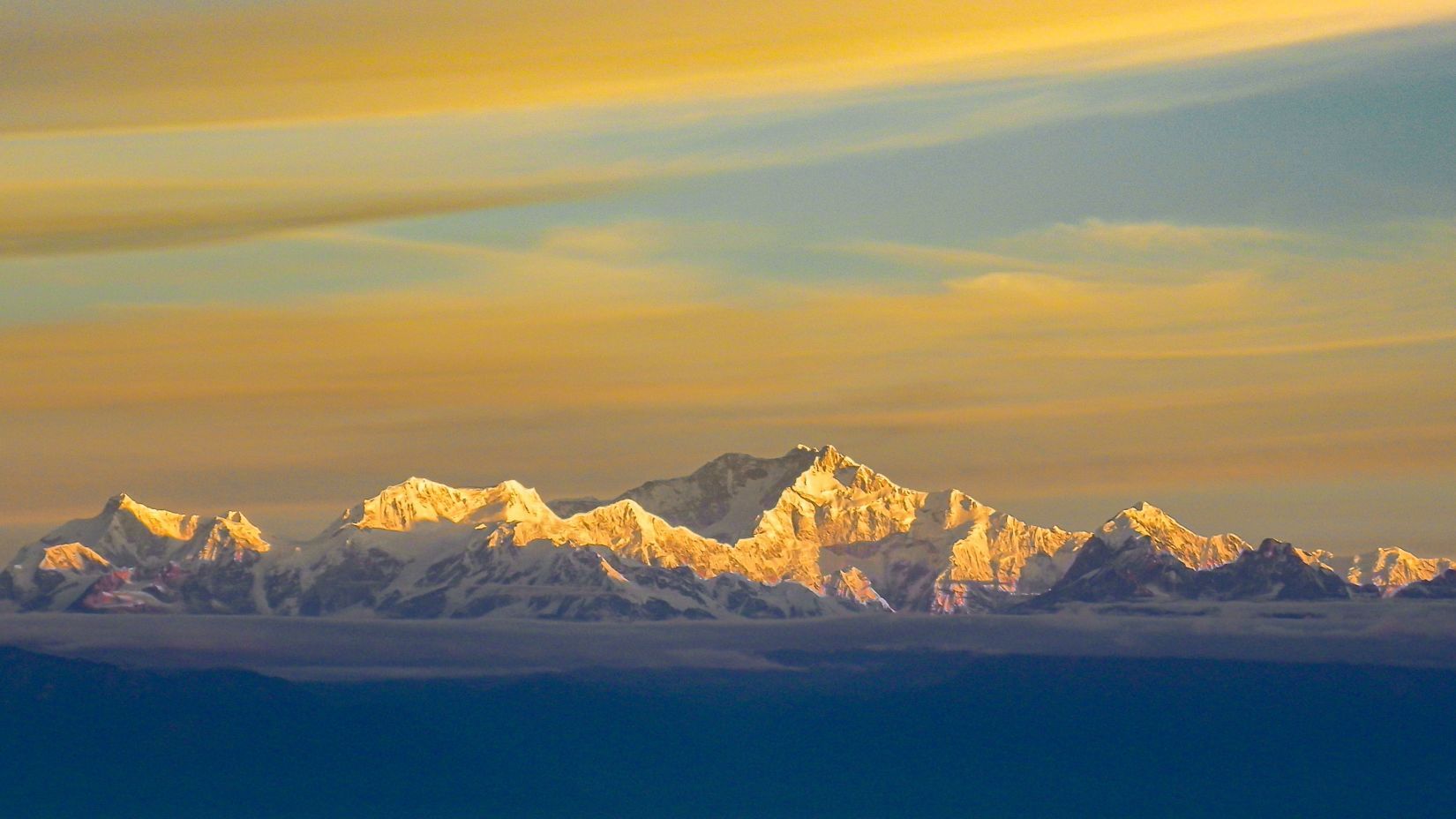
Autumn offers the crispest mountain air and the clearest skies of the year. During October and November, views across the valleys are vast, and the weather is reliably dry, creating optimal conditions for trekking and landscape photography. December through February brings cold winter nights and brisk days; while frosty, it remains a rewarding time for travellers who enjoy solitude and winter chill.
The monsoon period from June to September brings heavy rains across the Eastern Himalayas. Roads in the region can become prone to mud and landslides during these months, and cloud cover frequently conceals the surrounding peaks. If you travel during the monsoon, be prepared for damp weather and occasional transport delays.
How to Reach Rimbik
Rimbik is accessible by road from the major transit hubs of North Bengal. The nearest airport is Bagdogra, and the major railhead is New Jalpaiguri near Siliguri. From Siliguri or the railway station, the journey to Rimbik takes you into the hills via Kurseong or Mirik, continuing past Ghoom, Sukhiapokhri, and Manebhanjan.
Shared jeeps to Rimbik operate regularly from towns like Darjeeling and Siliguri, usually departing in the morning or early afternoon. Because mountain transport schedules depend on demand and local weather, it is advisable to start journeys early in the day. Private vehicle rentals are also available from Siliguri and Darjeeling for greater flexibility. The final stretch of road winds through steep forested turns, offering sweeping valley panoramas as you descend toward the settlement.
Tips for Travellers Visiting Rimbik
Because Rimbik is a remote mountain village, services and amenities are straightforward and traditional. Cash is essential throughout your stay, as automated teller machines are sparse and electronic payment networks can be intermittent due to variable mobile connectivity. Ensure you carry adequate local currency from major towns before heading into the hills.
Packing layers is key regardless of the season. Even in spring and autumn, evenings and mornings can be chilly, while daytime sunshine can feel warm during uphill walks. A sturdy pair of walking shoes or light hiking boots with good grip will make navigating the village paths and steep inclines far more comfortable.
Respect for local culture and community spaces goes a long way. Village paths often pass directly through private farmland and homesteads; always ask permission before taking close portraits of residents, and avoid leaving behind plastic or food waste along the walking tracks.
Where to Stay in Rimbik
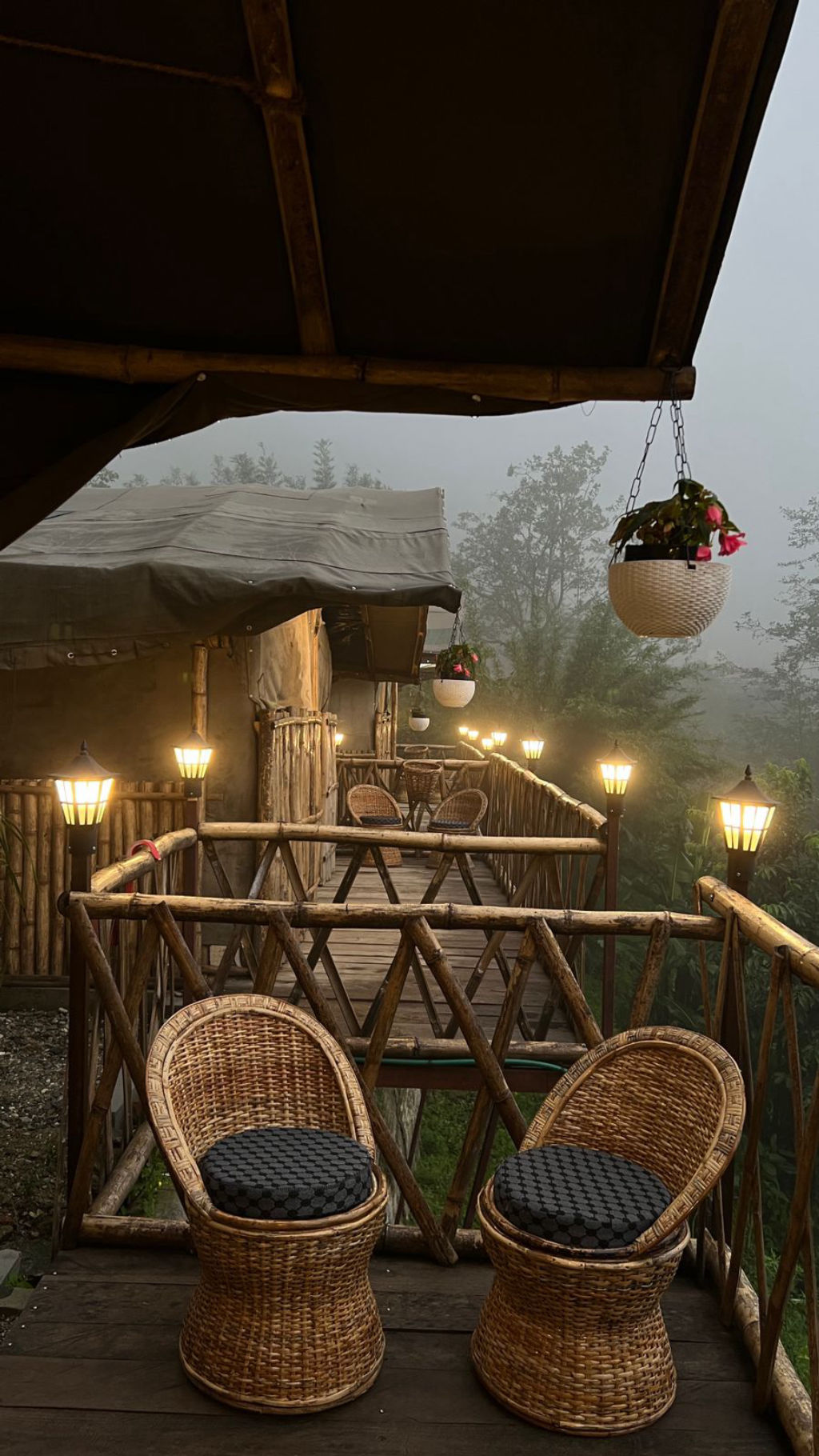
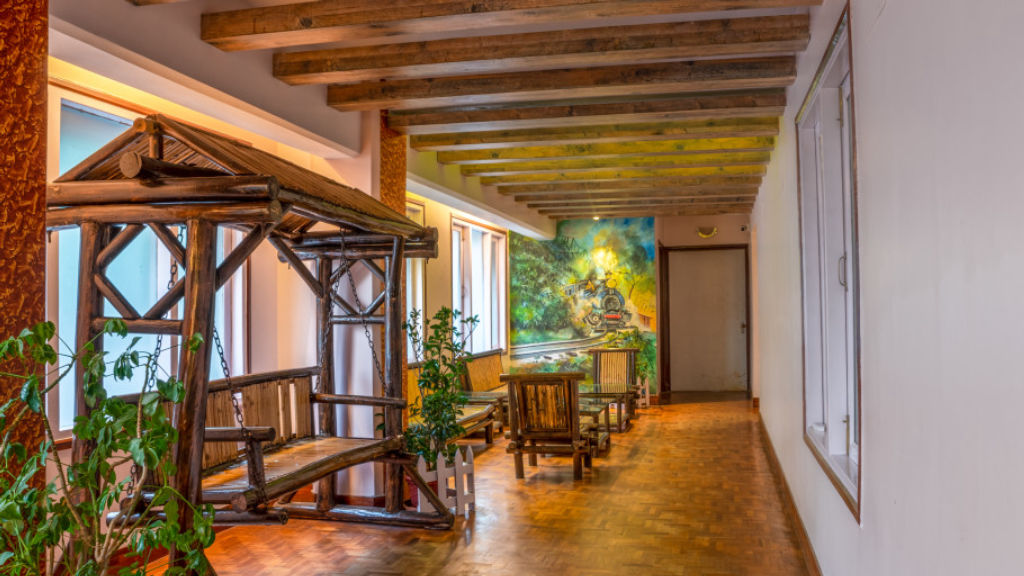
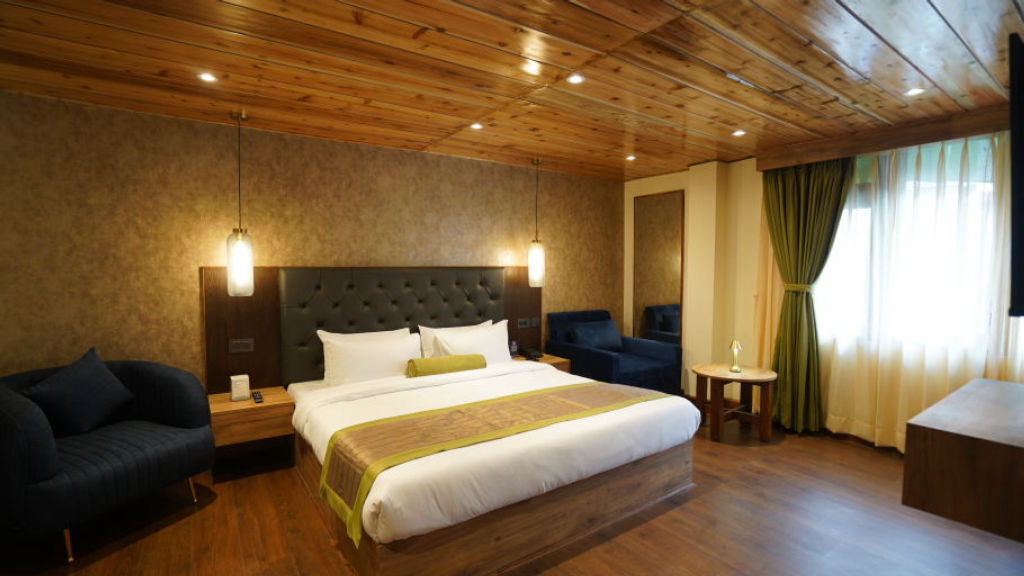
Accommodation in Rimbik revolves primarily around village homestays and family-run guest lodges. These stays offer travellers an authentic glimpse into local hospitality, home-cooked regional meals made with freshly picked vegetables, and cosy wood-panelled rooms.
Staying in a local homestay also allows travellers to contribute directly to the rural mountain economy. You can find camps, rustic cottages, and curated homestays in and around Rimbik on HireACamp, making it easy to book a peaceful base for your Singalila exploration.
Frequently asked questions
What is Rimbik best known for?
Rimbik is best known as the traditional concluding stop for the Sandakphu and Phalut trek in the Singalila National Park. It is also valued as a quiet, scenic Himalayan village for nature walks and birdwatching.
How far is Rimbik from Darjeeling town?
Rimbik is situated to the west of Darjeeling; while straight-line aerial distance is around 18 to 20 kilometres, the mountain road route winds via Ghoom, Sukhiapokhri, and Manebhanjan, taking several hours by shared or private jeep.
Is Rimbik suitable for people who do not trek?
Yes, non-trekkers can enjoy Rimbik for its peaceful village setting, cool climate, pine forests, and quiet mountain viewpoints without embarking on high-altitude expeditions.
Do I need special permits to visit Rimbik?
Standard visitors staying within Rimbik town do not generally require inner line permits, but permits and entry fees are required if you plan to enter the Singalila National Park trail network. Check current guidelines locally before setting out.
What kind of food is available in Rimbik?
Food in Rimbik is wholesome, fresh, and simple, featuring home-cooked Nepali and Indian dishes such as dal, bhat, seasonal vegetable curries, momos, and hot noodle soups.
Where you'll be
4 stays nearby shown with prices
Stays near Rimbik
Book a place to stay close by
Things to do in Rimbik
42 places creators recommend within 30 km


Lists for this area
Ranked by how many creators recommend each place


Built from 0 Instagram posts by 0 creators. Every tip links back to the post it came from, and where creators disagree we show both sides.






