
Sajjangarh
Peak near Chhota Hawala, Rajasthan
2.1 km from Chhota Hawala
The nearest town, for stays, food and fuel.
Rising high above the historic city of Udaipur, Sajjangarh is an iconic hilltop summit perched in the rugged Aravalli Range of southern Rajasthan. Famous for crowning the Bansdara peak with the striking white marble Monsoon Palace, this elevated vantage point offers sweeping views of royal lakes, valleys, and sprawling cityscapes. Travellers journey up the winding hill roads to witness panoramic sunsets, explore the surrounding sanctuary forest, and take in one of the most celebrated vistas in Mewar.
Getting there
By road
- From Chhota HawalaNearest town16 min · 6.3 km
- From Jodhpur5 hr 35 min · 245 km
- From Ahmedabad5 hr 40 min · 266 km
- From Vadodara6 hr 35 min · 335 km
Typical drive times without traffic. Stations and airports from OLA Maps; distances and typical drive times from OpenStreetMap (© OpenStreetMap contributors); notes from creators' Reels.
About Sajjangarh
Written with AI from map data and general knowledge. Check prices and timings locally before you go.
The peak of Sajjangarh and its royal heritage
Sajjangarh sits atop the Bansdara Peak, one of the prominent high points in the ancient Aravalli Range that buffers the city of Udaipur. Conceived in the late nineteenth century by Maharana Sajjan Singh, the ruler after whom the peak and its fortress are named, the site was originally planned as an astronomical observatory and a seasonal retreat. Perched hundreds of metres above the plain, the summit was strategically chosen to track monsoon clouds rolling across the horizon and to offer the Mewar court a breezy, elevated refuge from summer heat.
Today, the peak is dominated by the palace structure, often called the Monsoon Palace, which gleams white against the rugged rocky backdrop. While the grand multi-storey observatory was never fully realised to its intended five-tier plan due to the Maharana's untimely passing, the existing palace remains an architectural hallmark. Constructed of local stone and white marble, the building features arched balconies, central courtyards, and high bastions that reflect traditional Rajput building techniques designed to channel cool mountain breezes.
Landscape and panoramic vantage points
The primary allure of ascending Sajjangarh is the sheer breadth of its vantage point. Standing at the open terraces or the boundary walls of the peak, visitors are treated to an unobstructed three-hundred-and-sixty-degree panorama of southern Rajasthan. On clear days, the entire Udaipur basin opens up below, revealing Lake Pichola, Fateh Sagar Lake, and the cluster of white heritage structures dotting the urban landscape.
To the west and south, the urban sprawl gives way to rolling, undulating ridges of the Aravalli hills stretching toward the horizon. Late afternoons are particularly busy along the parapets, as travellers gather to watch the sun sink behind the western ridges. As dusk falls, the fading sunlight bathes the lakes and stone structures below in amber tones, followed by the soft illumination of the palace itself against the evening sky.
Read more
Sajjangarh Wildlife Sanctuary
The slopes leading up to the summit are encompassed by the Sajjangarh Wildlife Sanctuary, a protected reserve established around the hill in the late twentieth century. Formerly used as a private hunting preserve by the royalty of Udaipur, the forested hillside now safeguards a fragile dry deciduous and scrub ecosystem characteristic of southern Rajasthan.
The reserve is home to native woodland species including dhok, salai, and ronj trees, alongside rocky outcroppings and seasonal water catchments. Wildlife inhabiting the sanctuary include leopards, wild boars, sambar, nilgai, hyenas, and an array of resident and migratory bird species. The winding forest road leading to the peak cuts directly through this reserve, meaning visitors often catch glimpses of local fauna and diverse birdlife during the climb.
Best time to visit Sajjangarh
The climate at Sajjangarh varies dramatically across the seasons, directly influencing the experience at the summit. The winter months from October to March are widely regarded as the most comfortable time to visit. During this period, daytime temperatures remain pleasant, skies are crisp and clear, and visibility across the distant hills and lakes is at its peak.
The monsoon season, from July to September, offers a distinct atmosphere that highlights the peak's original purpose. During these rainy months, low-hanging rain clouds often drift right through the palace terraces, and the normally dry brown Aravalli hills turn lush green. However, heavy rains can occasionally shroud the viewpoint in mist, obscuring long-range views. Summer months from April to June bring high heat and dry winds, making morning or late evening visits the only comfortable options during that period.
How to reach Sajjangarh
Sajjangarh is located just west of Udaipur, with the settlement of Bargaon lying to its north-east. The peak is well connected by paved roads to the city centre. Travellers arriving in Udaipur via train or flight can easily reach the base of the hill by hiring a local taxi, auto-rickshaw, or private vehicle.
From the entry gate at the foot of the hill within the wildlife sanctuary, a steep and serpentine road winds its way up to the palace summit. Private vehicles are generally regulated at the base gate, where local shuttle services or designated vehicles operate to ferry travellers up the mountain. It is advisable to check current transit options and vehicle regulations locally upon arrival at the sanctuary gates before beginning the ascent.
Practical tips for your visit
Ascending Sajjangarh involves some walking on stone terraces, stairways, and sloping courtyards, so comfortable walking shoes with good grip are recommended. The summit can be noticeably windier and cooler than the city below, particularly during the winter months and late evenings, making a light jacket or shawl useful.
The peak and surrounding woods have a prominent troop of resident rhesus macaques and langurs. Visitors should avoid openly carrying food packets, snacks, or loose plastic items that might attract monkeys. Additionally, since the hilltop forms part of a protected sanctuary boundary, visitors are expected to dispose of all rubbish responsibly and avoid littering along the winding forest road.
Places to explore nearby
A visit to Sajjangarh easily pairs with excursions to several major landmarks around Udaipur. Down by the water, the historic shores of Lake Pichola host classic sites such as the City Palace complex, Jagmandir Island Palace, and the scenic waterfront steps of Ambrai Ghat, all situated within a short drive from the foot of the hill.
To the north and east, travellers can explore the ornamental fountains and stone pavilions of Saheliyon ki Bari or visit the memorial at Moti Magri overlooking Fateh Sagar Lake. For those interested in extended outdoor time, the surrounding countryside around Bargaon and the outskirts of Udaipur offers rural walking trails and quiet countryside roads framed by the Aravallis.
Where to stay near Sajjangarh
Travellers seeking accommodation close to Sajjangarh can choose from varied options scattered along the quiet outskirts of Udaipur and the rural valleys near Bargaon. Staying outside the congested old city allows for cleaner air, open views of the Aravalli ridges, and faster access to the base of the sanctuary.
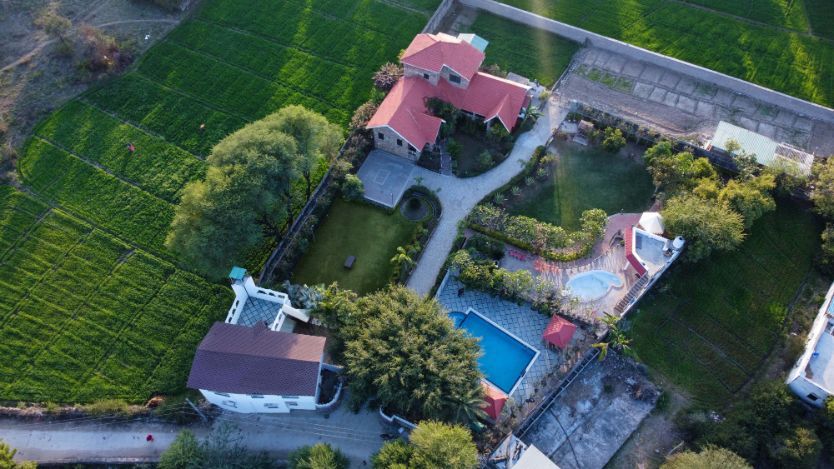
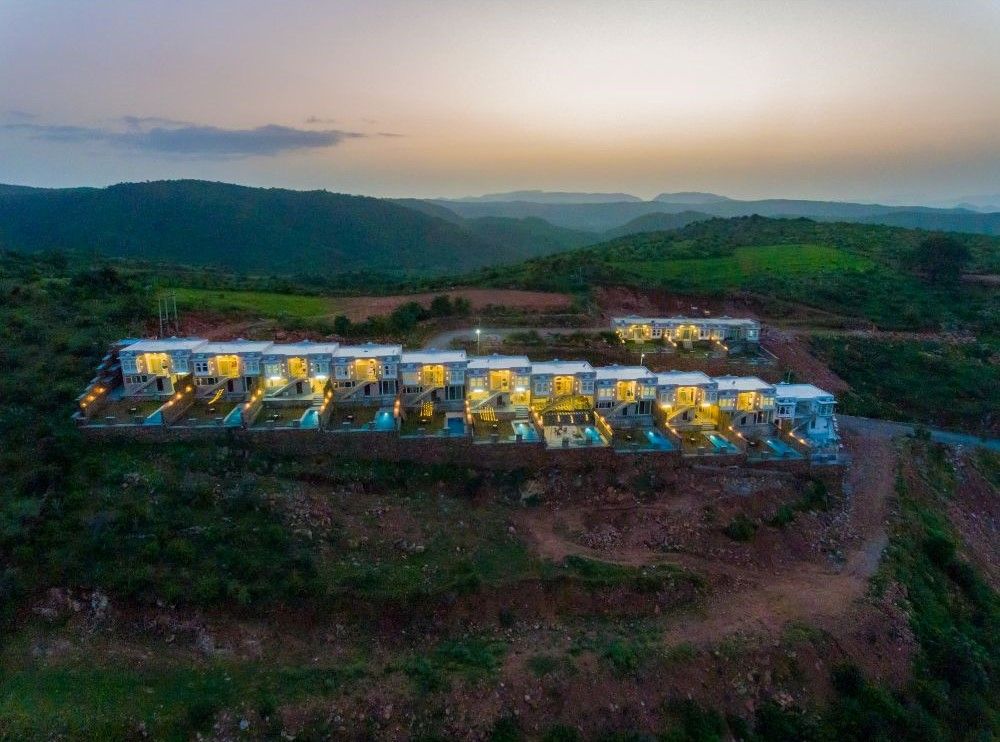
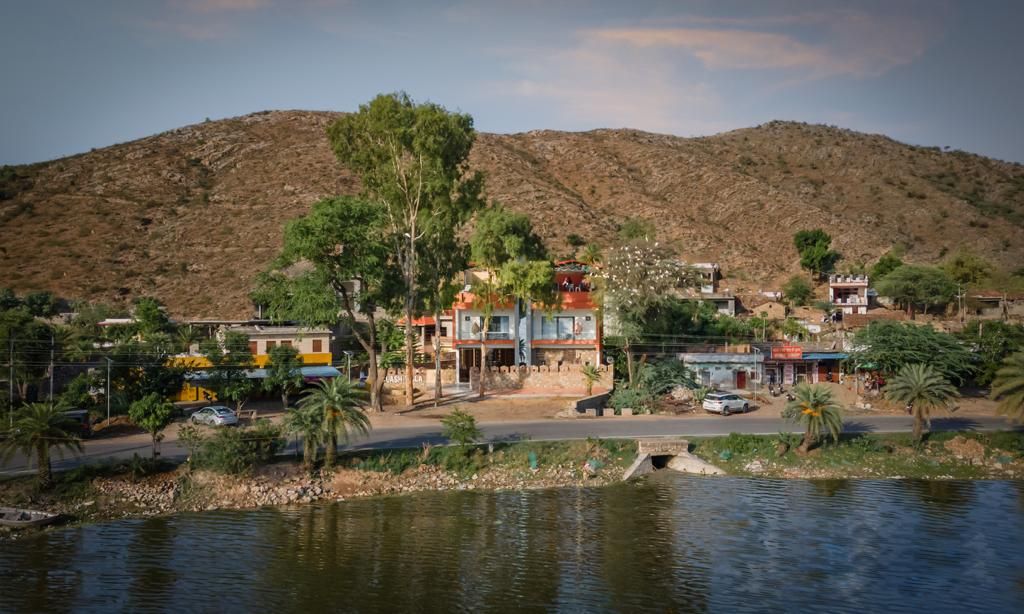
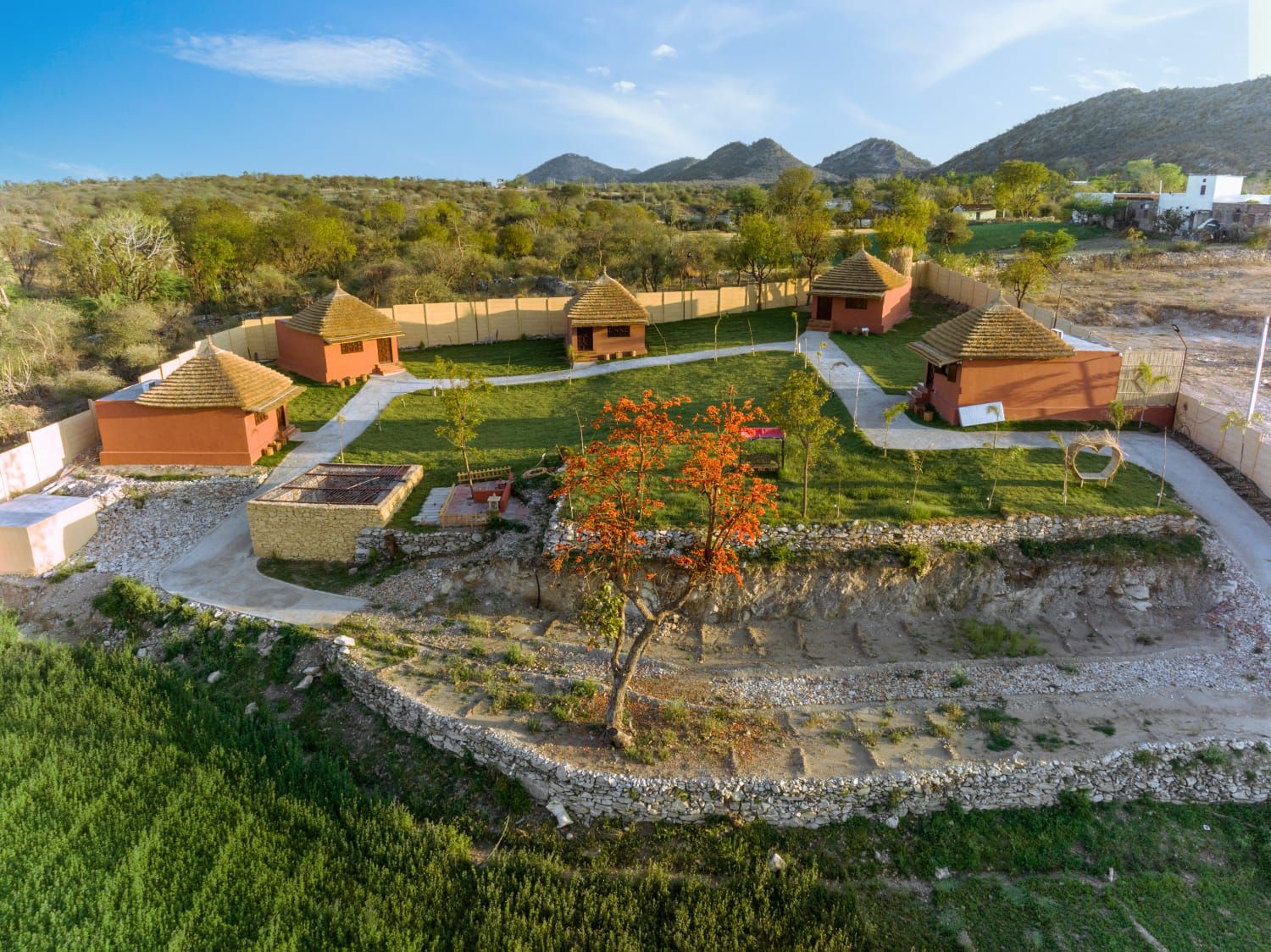
You can discover nature camps, independent homestays, and peaceful outdoor retreats near Sajjangarh on HireACamp. These stays offer an authentic regional setting, giving you a quiet base from which to explore the mountain, the royal city, and the surrounding countryside.
Frequently asked questions
What is Sajjangarh best known for?
Sajjangarh is best known for the hilltop Monsoon Palace that sits atop Bansdara Peak, offering sweeping panoramic views of Udaipur, its lakes, and the surrounding Aravalli hills.
Can you drive all the way to the top of Sajjangarh?
A paved, winding road leads up the hill through the wildlife sanctuary, but vehicular access may be restricted at the base gate. Travellers should check locally at the entrance whether private vehicles are permitted or if designated shuttles must be used.
What is the best time of day to visit Sajjangarh?
Late afternoon is the most popular time to visit Sajjangarh, as it allows travellers to tour the palace courtyards before watching the sunset across the western Aravalli mountain ranges.
Are there wild animals around Sajjangarh?
Yes, Sajjangarh is surrounded by the Sajjangarh Wildlife Sanctuary, which provides habitat for animals such as leopards, wild boars, sambar, nilgai, and diverse bird species.
Which season is ideal for visiting Sajjangarh?
The winter months from October to March offer clear skies and comfortable temperatures, while the monsoon season from July to September brings lush greenery and dramatic cloud cover over the peak.
Where you'll be
Rajasthan · 4 stays nearby shown with prices
Stays near Sajjangarh
Book a place to stay close by
More places near Sajjangarh
Within 20 km


Built from 0 Instagram posts by 0 creators. Every tip links back to the post it came from, and where creators disagree we show both sides.






